






Introduction: The Essence of Portuguese Gastronomy
Portuguese cuisine is one of Europe’s most historically rich yet often understated culinary traditions. Rooted in a deep connection to the Atlantic Ocean, shaped by centuries of exploration, and preserved through strong regional identities, Portugal’s food culture tells the story of a nation defined by movement, adaptation, and continuity. Unlike cuisines built around complexity or heavy ornamentation, Portuguese gastronomy is characterized by simplicity, respect for ingredients, and emotional authenticity.
At its core, Portuguese cuisine reflects the daily lives of fishermen, farmers, sailors, and families. It is a cuisine born from necessity and ingenuity, later enriched by global encounters during the Age of Discovery. This essay offers a comprehensive exploration of Portuguese food culture, examining its historical development, regional diversity, key ingredients, iconic dishes, social meanings, and its place in the modern world.
I. Historical Foundations of Portuguese Cuisine
1. Geography and the Atlantic Influence
Portugal’s geographical position on the western edge of Europe has profoundly shaped its cuisine. With a long Atlantic coastline, the sea has always been central to Portuguese life. Fishing communities developed food traditions based on availability, preservation, and seasonal rhythms. As a result, seafood occupies a central place in Portuguese gastronomy.
Salted and dried fish, shellfish, and simple preparations that highlight freshness are hallmarks of the national diet. This maritime orientation distinguishes Portuguese cuisine from many inland European traditions.
2. Ancient Roots and Early Influences
Before becoming a global maritime power, Portugal was shaped by Roman, Visigothic, and Moorish civilizations. The Romans introduced olive oil, wine, and wheat, establishing the Mediterranean foundation of Portuguese cooking. Later, Moorish influence brought almonds, citrus fruits, rice, sugar, and sophisticated irrigation techniques.
These early layers created a cuisine that balances Mediterranean simplicity with subtle complexity, evident in the use of spices, sweets, and aromatic ingredients.
II. The Age of Discovery and Culinary Globalization
1. Exploration as a Culinary Turning Point
During the 15th and 16th centuries, Portugal emerged as a leading maritime empire. Portuguese explorers traveled to Africa, Asia, and South America, establishing trade routes that reshaped global food systems. Spices, sugar, chili peppers, potatoes, tomatoes, and exotic fruits entered Portugal through these voyages.
Portuguese cuisine absorbed these new ingredients gradually, integrating them into existing traditions rather than radically transforming them. This process created a unique culinary identity that is both local and global.
2. Colonial Exchanges and Lasting Influence
Portugal’s colonies influenced not only what the Portuguese ate, but also how Portuguese food spread abroad. Culinary traditions traveled to Brazil, Africa, and Asia, where they evolved into new regional cuisines. At the same time, flavors from these regions subtly reshaped home cooking in Portugal.
This two-way exchange highlights Portuguese cuisine as an early example of culinary globalization, rooted in historical contact rather than modern mass media.
III. Core Ingredients of Portuguese Cooking
1. Fish and Seafood: The Heart of the Cuisine
No discussion of Portuguese food is complete without mentioning fish. Codfish, known as bacalhau, holds a near-mythical status in Portugal. Although cod is not native to Portuguese waters, its ability to be preserved through salting made it ideal for long sea voyages and inland consumption.
Portuguese tradition claims there are hundreds of ways to prepare bacalhau, reflecting its versatility and cultural importance. Beyond cod, sardines, mackerel, octopus, clams, and shrimp are staples of everyday meals.
2. Olive Oil, Garlic, and Onions
Olive oil is the primary cooking fat in Portuguese cuisine, used generously but purposefully. Combined with garlic and onions, it forms the aromatic base of countless dishes. This trio exemplifies the Portuguese approach: simple ingredients layered carefully to build flavor.
3. Bread, Wine, and Dairy
Bread is an essential element of Portuguese meals, often rustic and dense. Wine, produced across the country, accompanies daily meals rather than serving solely ceremonial purposes. Cheese, particularly from sheep and goat milk, plays a supporting but meaningful role in regional diets.
IV. Regional Diversity in Portuguese Cuisine
1. Northern Portugal: Hearty and Rustic
The northern regions, including Minho and Trás-os-Montes, are known for robust, comforting dishes. Cooler climates and agricultural traditions favor soups, stews, pork, and smoked meats. Meals are filling and designed to sustain physical labor.
This region reflects the rural roots of Portuguese cuisine, emphasizing preservation techniques and communal eating.
2. Central Portugal: Balance and Tradition
Central Portugal offers a balance between land and sea. Fish dishes coexist with roasted meats, rice-based meals, and vegetable soups. Culinary traditions here are closely tied to religious calendars and local festivals, reinforcing food’s role in community life.
3. Southern Portugal: Mediterranean Lightness
The southern regions, particularly Alentejo and the Algarve, feature lighter, Mediterranean-influenced cooking. Olive oil, herbs, bread, and seafood dominate. Simple soups and seafood stews highlight freshness and restraint.
These regions illustrate how climate and geography shape culinary identity within a single nation.
V. Iconic Portuguese Dishes
1. Bacalhau as Cultural Symbol
Bacalhau is more than a dish; it is a cultural symbol. Its preparation varies by region and occasion, ranging from baked and roasted to shredded and mixed with vegetables. It appears at both everyday meals and festive gatherings, particularly during holidays.
2. Soups and Stews as Everyday Comfort
Soups play a central role in Portuguese daily meals. Vegetable-based soups, often enriched with olive oil, provide nourishment and balance. Stews combine meat, legumes, and vegetables in ways that reflect peasant ingenuity and respect for ingredients.
3. Pastry and Sweets
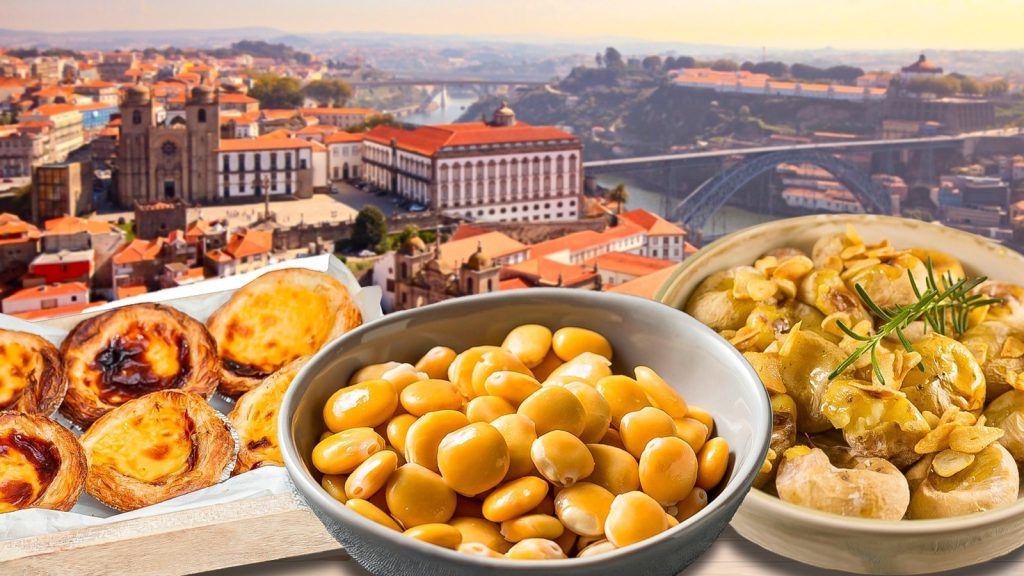
Portuguese desserts are heavily influenced by convent traditions. Egg yolks, sugar, and almonds are common components, resulting in rich yet refined pastries. The most internationally known example is the custard tart, which exemplifies the Portuguese talent for turning simple ingredients into enduring icons.
VI. Food and Social Life in Portugal
1. Meals as Social Rituals
In Portugal, meals are social events. Family lunches, weekend gatherings, and festive dinners reinforce relationships and cultural continuity. Food is rarely rushed; it is meant to be shared, discussed, and enjoyed collectively.
2. Hospitality and Identity
Offering food is a fundamental expression of hospitality. Guests are welcomed with meals that reflect care and generosity, regardless of social status. This practice highlights food’s role in expressing identity and values.
VII. Portuguese Cuisine in the Modern Era
1. Preservation and Innovation
Modern Portuguese chefs increasingly revisit traditional recipes, applying contemporary techniques while respecting heritage. This movement has brought international attention to Portuguese cuisine without compromising its authenticity.
At the same time, home cooking remains deeply traditional, ensuring continuity across generations.
2. Global Recognition and Challenges
Despite its richness, Portuguese cuisine has historically been overshadowed by neighboring culinary traditions. Today, increased tourism and global interest have created opportunities for recognition, but also challenges related to sustainability, standardization, and cultural preservation.
VIII. Ethical, Seasonal, and Sustainable Traditions
1. Seasonality as Cultural Norm
Portuguese cooking traditionally follows seasonal rhythms. Ingredients are chosen based on availability, reinforcing environmental awareness long before sustainability became a global concern.
2. Respect for Resources
Historically, scarcity encouraged careful use of ingredients and minimal waste. This ethic remains visible in recipes that repurpose leftovers and use entire animals or fish, reflecting a deep respect for food sources.
IX. Portuguese Cuisine as Cultural Heritage
Portuguese gastronomy represents an intangible cultural heritage rooted in daily practice rather than formal documentation. Recipes are passed down orally, shaped by memory and experience. This living tradition connects past and present, rural and urban life, home kitchens and public celebrations.
Food in Portugal is not merely consumed; it is remembered, shared, and preserved as a form of cultural expression.
Conclusion: The Quiet Strength of Portuguese Cuisine
Portuguese cuisine is a testament to the power of simplicity, history, and human connection. Shaped by the sea, enriched by exploration, and grounded in regional diversity, it offers a culinary narrative that is both humble and profound.
More than a collection of dishes, Portuguese food reflects a way of life—one that values patience, respect for nature, and the importance of sharing meals. In an increasingly fast-paced and globalized world, Portuguese cuisine reminds us that true culinary depth often lies not in extravagance, but in tradition, memory, and authenticity.
Through its flavors and practices, Portuguese gastronomy continues to tell the story of a nation that looked outward to the world while remaining deeply rooted in its own land and culture.