






Introduction: Why Food Matters in a Globalized World
In an era defined by unprecedented globalization, human mobility, and digital interconnectedness, cultures are no longer isolated entities. People migrate, ideas travel, and traditions continuously interact. Amid this complex web of global exchange, food stands out as one of the most accessible, emotionally resonant, and enduring mediums of cross-cultural communication. Unlike language, which requires formal learning, or political systems, which demand institutional understanding, food speaks directly to the senses. It can be tasted, smelled, shared, and remembered, making it a uniquely powerful cultural bridge.
Food is more than sustenance. It is history made edible, geography translated into flavor, and identity preserved through ritual. When individuals from different cultural backgrounds share a meal, they are not merely consuming calories; they are participating in a form of dialogue that transcends linguistic and ideological barriers. This essay explores how food functions as a bridge for cross-cultural communication by examining its historical role, symbolic meanings, social functions, economic implications, and future potential in fostering intercultural understanding.
I. Food as Cultural Language: A Non-Verbal System of Meaning
1. Food as a Cultural Code
Every culture possesses a distinct culinary system shaped by climate, geography, religion, history, and social structure. Ingredients, cooking methods, meal timing, and table etiquette together form a culinary language. For example, the extensive use of spices in South Asian cuisine reflects not only agricultural abundance but also historical trade routes and medicinal traditions. Similarly, the emphasis on raw ingredients in Japanese cuisine highlights cultural values of purity, seasonality, and respect for nature.
These culinary codes function as non-verbal communication systems. A shared meal can convey hospitality, hierarchy, gender roles, and social norms without a single word being spoken. In many Middle Eastern cultures, offering food to a guest is a moral obligation, signaling generosity and honor. Refusing such an offer may unintentionally communicate disrespect, demonstrating how food practices can mediate intercultural encounters.
2. Taste as Memory and Identity
Taste is deeply connected to memory. Anthropological and psychological studies show that flavors can trigger vivid recollections of childhood, family, and homeland. For migrants and diasporic communities, traditional foods become anchors of cultural identity. Preparing and consuming familiar dishes helps preserve heritage in foreign environments and offers a sense of belonging.
At the same time, when outsiders experience these foods, they gain insight into the emotional and historical landscapes of another culture. Thus, food becomes a medium through which identities are both preserved and shared, enabling mutual recognition and empathy.
II. Historical Perspectives: Food Exchange as Early Globalization
1. Ancient Trade Routes and Culinary Diffusion
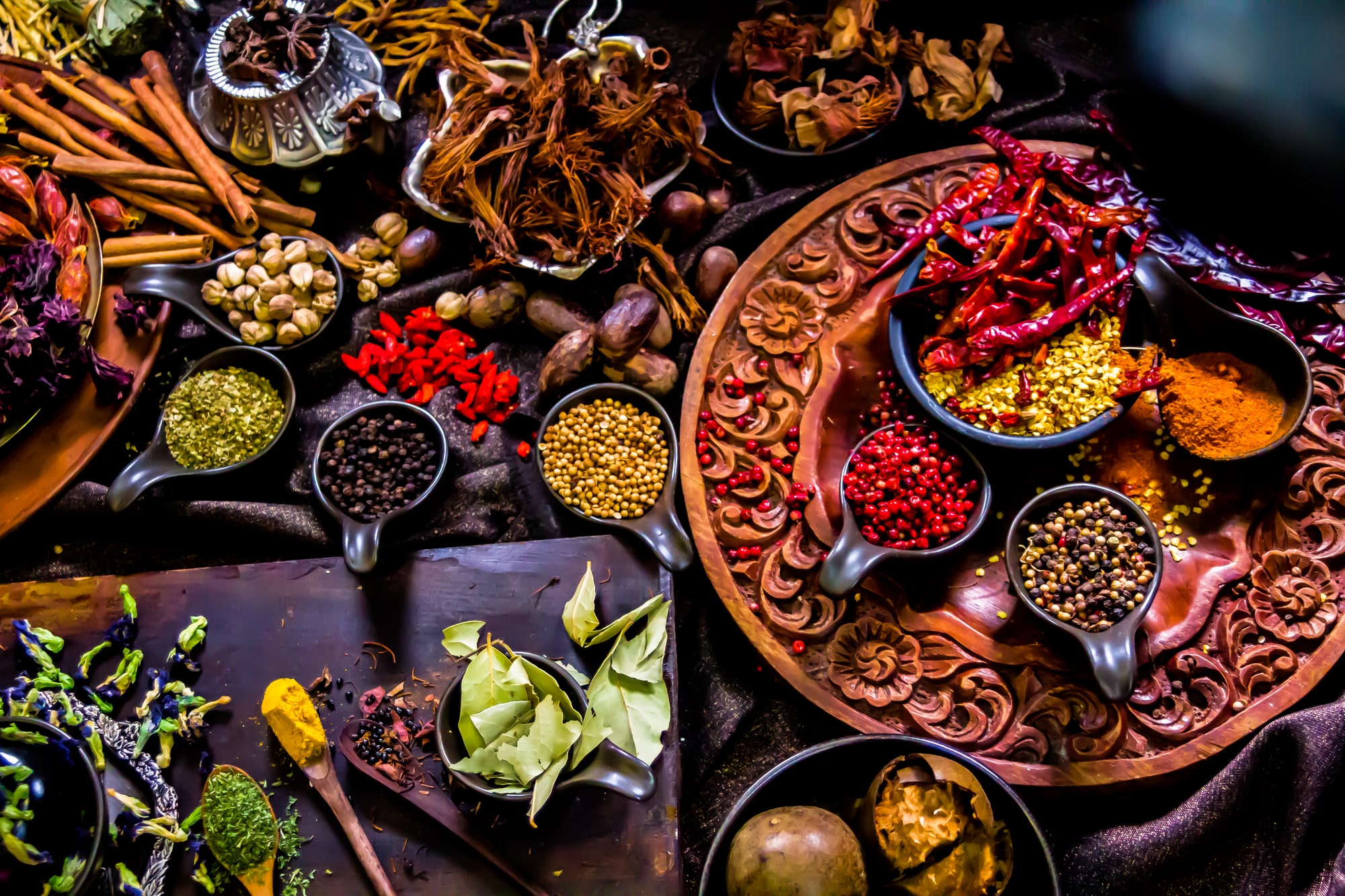
Long before the modern concept of globalization, food facilitated cross-cultural contact through trade. The Silk Road, for instance, was not only a commercial network but also a culinary corridor. Spices such as cinnamon, cloves, and black pepper traveled from Asia to Europe, transforming local cuisines and social practices. These ingredients were valued not only for flavor but also for their symbolic association with luxury, power, and exoticism.
Similarly, the spread of staple crops—rice in East Asia, wheat in the Middle East, maize in the Americas—reshaped civilizations. The movement of food across regions often accompanied the exchange of agricultural knowledge, cooking techniques, and cultural values.
2. The Columbian Exchange and Its Culinary Legacy
The Columbian Exchange following the 15th-century transatlantic contact dramatically altered global food systems. Tomatoes, potatoes, maize, and chili peppers, originally from the Americas, became integral to European, African, and Asian cuisines. Italian cuisine without tomatoes or Indian cuisine without chili peppers is nearly unimaginable today.
This historical process illustrates how cross-cultural interaction through food can lead to hybrid identities, challenging the notion of “pure” or isolated culinary traditions. Modern cuisines are, in essence, historical records of cultural encounters.
III. Food and Social Interaction: The Universal Act of Sharing
1. The Social Power of the Shared Table
Across cultures, sharing food is one of the most fundamental social acts. Communal meals establish trust, reduce social distance, and create opportunities for dialogue. Whether it is a family dinner, a religious feast, or an international banquet, the act of eating together symbolizes cooperation and mutual respect.
Anthropologists often describe the shared table as a social equalizer. Differences in language, status, or ideology are temporarily suspended as participants focus on a common sensory experience. This is particularly evident in multicultural societies, where shared meals can foster inclusion and social cohesion.
2. Rituals, Festivals, and Collective Identity
Food plays a central role in cultural rituals and festivals. Lunar New Year dumplings, Thanksgiving turkey, Ramadan iftar meals, and Diwali sweets are not merely traditional dishes; they are symbols of collective memory and shared values. When people from outside a culture participate in these rituals, food becomes an entry point into understanding deeper cultural meanings.
Through festivals and food-centered celebrations, cultures communicate their worldview, moral principles, and social bonds. In this way, food functions as both a cultural performance and an educational tool.
IV. Culinary Globalization: Opportunities and Challenges
1. The Global Spread of Local Cuisines
In the contemporary world, food travels faster and farther than ever before. Sushi, pizza, tacos, and curry are now global staples. This global circulation of cuisine allows people to experience other cultures without leaving their home countries, fostering curiosity and openness.
Restaurants, food markets, and cooking shows act as informal cultural ambassadors, introducing audiences to foreign traditions. For many individuals, their first encounter with another culture occurs through food, making culinary experiences powerful first impressions.
2. Authenticity, Adaptation, and Cultural Sensitivity
However, culinary globalization also raises questions about authenticity and cultural appropriation. As dishes are adapted to local tastes, they may lose cultural context or symbolic meaning. While adaptation can be a form of creative exchange, it can also result in stereotypes or commercialization.
Responsible cross-cultural communication through food requires cultural sensitivity and respect. Understanding the origins and meanings behind dishes helps prevent superficial consumption and promotes deeper appreciation.

V. Food Diplomacy: Cuisine as Soft Power
1. The Concept of Culinary Diplomacy
Governments and institutions increasingly recognize food as a tool of soft power. Culinary diplomacy involves using national cuisine to enhance a country’s image, build international relationships, and promote cultural understanding. State dinners, international food festivals, and chef exchange programs are examples of how food operates in diplomatic contexts.
Countries such as France, Japan, Thailand, and South Korea have strategically promoted their cuisines abroad, linking food with national branding and cultural prestige. Through these efforts, cuisine becomes a peaceful and persuasive means of global engagement.
2. Grassroots Food Diplomacy
Beyond official channels, everyday interactions—such as home-cooked meals shared with international friends or community food events—also function as forms of grassroots diplomacy. These personal exchanges often have a more profound impact than formal initiatives, as they are based on genuine human connection.
VI. Food, Migration, and Hybrid Identities
1. Migrant Cuisines and Cultural Adaptation
Migration transforms food cultures. Immigrants adapt traditional recipes to available ingredients, creating hybrid cuisines that reflect both origin and destination cultures. Examples include Chinese-American cuisine, Indo-Caribbean food, and fusion dishes that blend multiple traditions.
These hybrid cuisines tell stories of resilience, adaptation, and creativity. They demonstrate how food can mediate between cultural preservation and integration, offering migrants a way to negotiate identity in new environments.
2. Food as a Tool for Social Inclusion
In multicultural societies, food initiatives such as community kitchens, intercultural cooking classes, and food festivals help bridge cultural divides. By cooking and eating together, individuals from different backgrounds can challenge stereotypes and build mutual understanding.
VII. Ethical and Sustainable Dimensions of Cross-Cultural Food Exchange
1. Sustainability and Global Responsibility
As food cultures interact globally, ethical considerations become increasingly important. Issues such as fair trade, environmental sustainability, and food security are inherently cross-cultural. Responsible food exchange requires awareness of labor conditions, ecological impact, and cultural ownership.
Promoting sustainable and ethical food practices can strengthen cross-cultural solidarity, emphasizing shared responsibility for the planet and future generations.
2. Preserving Culinary Heritage
Globalization poses risks to traditional food practices, particularly those of indigenous and marginalized communities. Preserving culinary heritage is essential for maintaining cultural diversity. Documentation, education, and respectful tourism can help protect these traditions while allowing them to be shared globally.
VIII. Education and Food Literacy as Cultural Bridges
1. Teaching Culture Through Cuisine
Educational institutions increasingly use food as a tool for cultural education. Culinary courses, international food days, and experiential learning programs allow students to engage with other cultures in tangible ways. Food literacy—understanding where food comes from and what it represents—enhances intercultural competence.
2. Media, Storytelling, and Digital Platforms
Food documentaries, social media, and online recipes play a significant role in shaping perceptions of other cultures. When presented thoughtfully, these platforms can promote accurate representation and cultural respect. Storytelling through food humanizes distant cultures and fosters emotional connection.
IX. Challenges and Limitations of Food as a Cultural Bridge
While food is a powerful connector, it is not a universal solution. Misinterpretations, dietary restrictions, religious rules, and unequal power dynamics can complicate food-based interactions. Additionally, reducing a culture to its cuisine risks oversimplification.
Therefore, food should be viewed as an entry point rather than a complete representation of culture. Effective cross-cultural communication requires ongoing dialogue, critical reflection, and openness to learning beyond the dining table.
Conclusion: Toward a Shared Future Through Food
Food, in its simplicity and complexity, embodies the essence of human culture. It carries history, expresses identity, and invites connection. As a bridge for cross-cultural communication, food offers a sensory, emotional, and social pathway toward mutual understanding. In a world often divided by ideology, language, and conflict, sharing a meal remains one of the most profound acts of human connection.
By approaching food with curiosity, respect, and ethical awareness, individuals and societies can transform everyday culinary experiences into opportunities for dialogue and cooperation. Ultimately, food reminds us that despite our differences, the act of eating is a shared human experience, capable of bringing people together across borders and generations.
In embracing food as a bridge between cultures, we do more than appreciate diverse flavors—we cultivate empathy, preserve heritage, and lay the foundation for a more inclusive and interconnected world.