





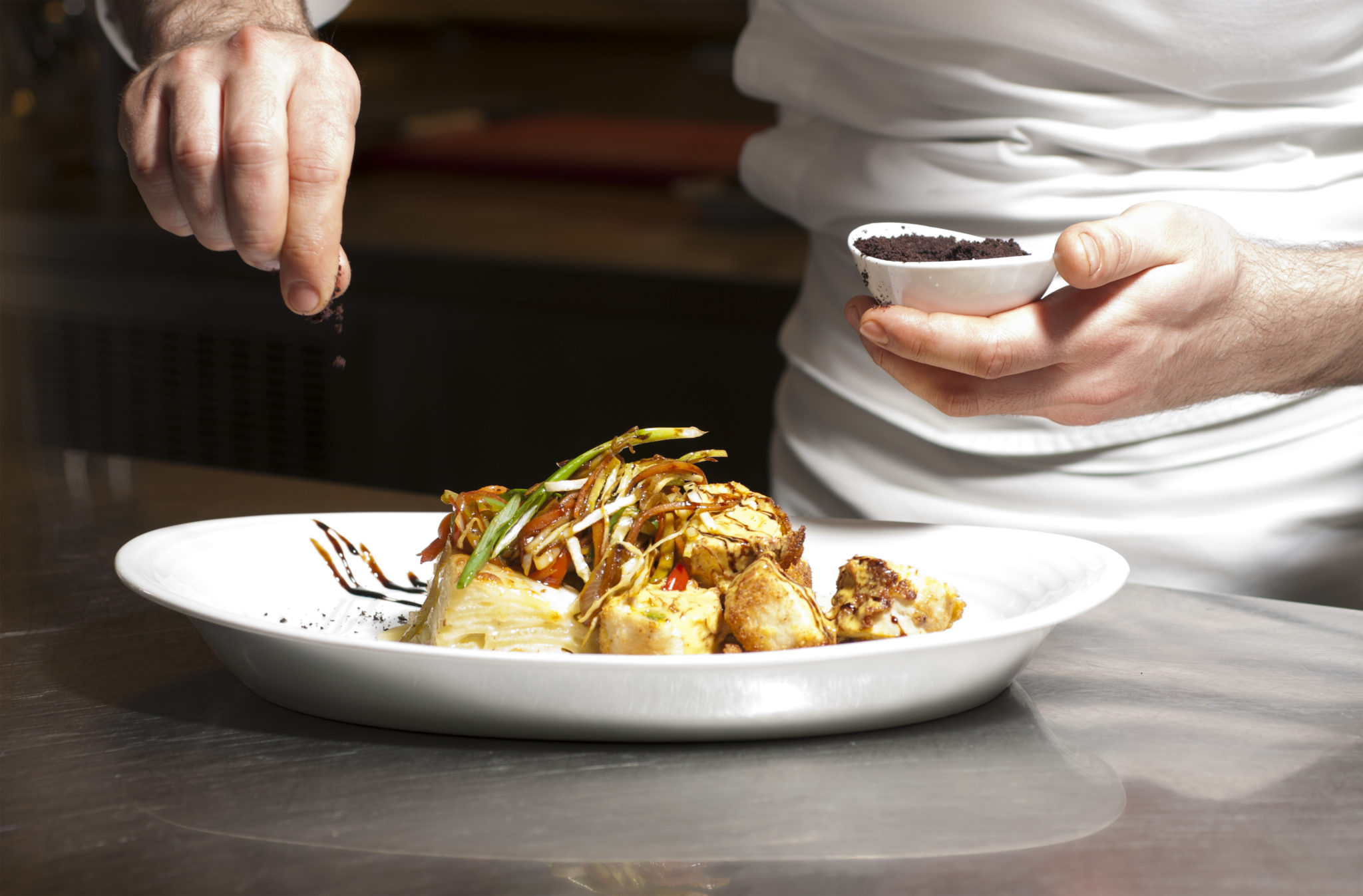

Food is a universal language, but every dish carries a unique story. Behind every recipe lies a combination of culinary techniques, local ingredients, historical influences, and cultural values. From street food to haute cuisine, each dish is a window into the region it comes from, reflecting the environment, economy, religion, and social traditions of its origin. Understanding dishes through this lens allows both chefs and diners to appreciate the complexity and artistry of global gastronomy.
This comprehensive article explores how every dish encapsulates specific cooking methods and cultural heritage, examining both traditional and modern approaches, regional variations, and the evolving nature of culinary arts.
1. The Interplay Between Technique and Culture
1.1 Cooking Techniques as Cultural Expression
Cooking techniques are not arbitrary; they often arise from:
- Local climate and geography: Grilling is common in regions with abundant open space, steaming in humid climates.
- Available ingredients: Rice dominates Asian dishes; corn is central to Latin American cuisines.
- Historical trade and colonization: Spices, sugar, and cooking methods spread along trade routes.
- Religious and ethical practices: Hindu vegetarianism, Jewish kosher laws, Muslim halal requirements shape preparation.
1.2 Beyond Flavor: Food as Identity
Dishes are symbols:
- National identity: Sushi in Japan, curry in India, pasta in Italy.
- Community and ritual: Korean kimchi-making festivals, Thanksgiving turkey in the U.S.
- Social status: Fine dining techniques historically associated with royalty or elite households.
2. Fundamental Culinary Techniques Across Cultures
2.1 Dry Heat Methods
2.1.1 Roasting and Baking
- Origin: Ancient civilizations used clay ovens or open fires.
- Dishes: Middle Eastern roasted meats, European bread and pastries.
- Cultural significance: Roasting often linked to communal feasts or ceremonial meals.
Technique insights:
- High, dry heat caramelizes natural sugars and proteins.
- Maillard reactions develop complex flavors and aromas.
2.1.2 Grilling
- Origin: Open-fire cooking dates back to prehistoric times.
- Dishes: Korean bulgogi, Argentine asado, American barbecue.
- Cultural angle: Often social, communal cooking with rituals around fire and marination.
2.2 Moist Heat Methods
2.2.1 Steaming
- Origin: Predominantly East Asia.
- Dishes: Chinese dim sum, Japanese chawanmushi, Thai fish in banana leaf.
- Cultural significance: Emphasizes purity of ingredients and subtlety of flavor.
Technical aspects:
- Preserves nutrients, color, and texture.
- Requires precise timing to avoid overcooking delicate foods.
2.2.2 Boiling and Simmering
- Origin: Universal; often used for soups and broths.
- Dishes: Vietnamese pho, French pot-au-feu, Italian minestrone.
- Cultural context: Slow cooking creates communal meals and preserves seasonal ingredients.
2.3 Frying Techniques
2.3.1 Deep-Frying
- Dishes: Japanese tempura, Indian samosas, Southern U.S. fried chicken.
- Cultural significance: Often celebratory or street foods; frying preserves texture and flavor.
2.3.2 Stir-Frying
- Origin: China, adapted across Asia.
- Dishes: Kung Pao chicken, Thai stir-fried noodles.
- Technique insight: High heat, constant movement; retains crispness and bright color.
2.4 Fermentation
- Dishes: Korean kimchi, Japanese miso, German sauerkraut, Ethiopian injera.
- Cultural role: Preservation technique, source of probiotics, often central to identity.
- Technique notes: Requires knowledge of microbial activity, salt ratios, and timing.
3. Ingredients as Cultural Markers
3.1 Staples Define Regional Techniques
- Rice: Asia; steaming, boiling, frying.
- Wheat: Middle East and Europe; baking, steaming, boiling.
- Maize / Corn: Latin America; grilling, boiling, masa-based cooking.
- Tubers (potatoes, yams): Africa, Europe, South America; roasting, boiling, mashing.
3.2 Flavoring Agents and Spices
- India: Curry leaves, turmeric, cumin, coriander.
- Southeast Asia: Lemongrass, galangal, fish sauce.
- Middle East: Sumac, saffron, cardamom.
- Europe: Herbs like thyme, rosemary, and basil.
Spices reflect trade history, climate adaptation, and cultural taste preferences.
4. Culinary Heritage Through Iconic Dishes
4.1 India: Curry and Tandoor Cooking
- Technique: Slow simmering, spice layering, clay oven roasting.
- Cultural background: Regional diversity, religious dietary practices, spice trade influence.
- Modern adaptation: Fusion dishes with local ingredients globally.
4.2 Japan: Sushi and Kaiseki
- Technique: Rice seasoning, precise slicing, balance of raw and cooked.
- Cultural background: Seasonal awareness, respect for natural flavors, aesthetic minimalism.
- Innovation: Creative omakase, fusion rolls, plant-based sushi alternatives.
4.3 France: Sauces and Pastry
- Technique: Reduction, emulsification, laminated dough, precise baking.
- Cultural background: Royal cuisine, culinary schools, codified recipes.
- Modern evolution: Molecular gastronomy, reinterpretation of classic sauces.
4.4 Mexico: Maize, Chili, and Slow Cooking
- Technique: Nixtamalization for tortillas, slow-roasting meats, chili paste preparation.
- Cultural background: Pre-Columbian culinary traditions, Spanish influence.
- Innovation: Street food to haute cuisine adaptation.
5. The Philosophy Behind Cooking Techniques
Cooking is not only about sustenance; it embodies values, ritual, and philosophy:
- Minimalism (Japan): Let ingredients shine with subtle technique.
- Complex layering (India): Harmony of spices, textures, and aroma.
- Communal preparation (Korea, Middle East): Cooking fosters social bonds.
- Preservation and ingenuity (Africa, Eastern Europe): Techniques like fermentation and drying reflect resourcefulness.
6. Modern Culinary Innovation and Globalization
- Chefs reinterpret traditional dishes while respecting cultural context.
- Fusion cuisine blends techniques and ingredients across continents.
- Culinary tourism and digital media spread awareness of regional cooking methods.
Examples:
- Pho-inspired ramen in Japan.
- Indian curry tacos in North America.
- Molecular gastronomy versions of traditional Chinese dim sum.
7. How Learning Techniques Enriches Cultural Understanding
- Culinary education emphasizes technique, ingredients, and context.
- Studying recipes teaches history, geography, and social norms.
- Professional chefs often trace the origin of techniques to understand flavor, sustainability, and authenticity.
8. Preserving Culinary Heritage
- Documenting recipes and techniques ensures continuity.
- Culinary schools, cookbooks, and festivals play a role in safeguarding traditional methods.
- Innovation respects tradition, ensuring dishes remain culturally significant and relevant.
9. Building a Professional and Home Kitchen Perspective
9.1 Skill Development
- Mastering techniques requires practice, precision, and patience.
- Skills are transferable across cuisines (e.g., roasting, braising, fermenting).
9.2 Flavor Intelligence
- Understanding how techniques impact texture and aroma improves dish execution.
- Balancing spices, acidity, and fat is crucial for authentic representation.
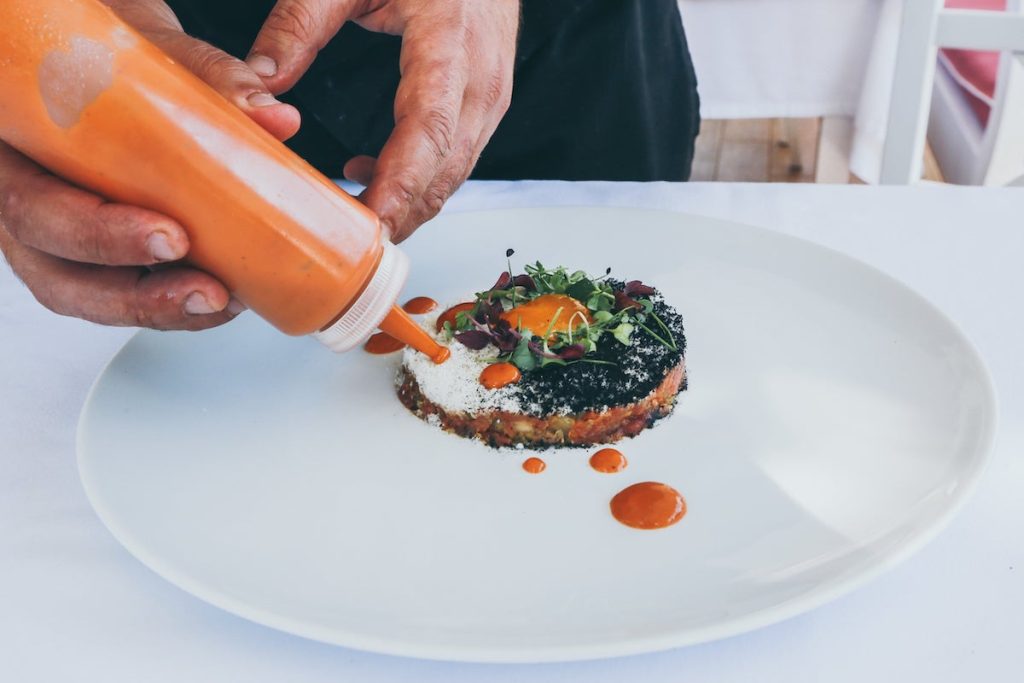
9.3 Plating and Presentation
- Visual cues enhance cultural storytelling.
- Color, symmetry, and arrangement reflect regional aesthetics (Japanese kaiseki vs. Moroccan tagine presentation).
10. Conclusion: Dishes as Cultural Narratives
Every dish is a microcosm of its culture. Through ingredients, techniques, and presentation, it tells a story of:
- Geography: What grows locally?
- History: What influences shaped the cuisine?
- Society: Who prepared it and how?
- Philosophy: What values does it reflect?
By studying cooking techniques alongside cultural context, chefs, food enthusiasts, and diners can gain a deeper appreciation for the artistry of cuisine, connecting with traditions while embracing innovation. Food becomes more than sustenance — it becomes a bridge between history, culture, and creativity.