





The rich culinary heritage of Mesoamerica, shaped by the Maya civilization and Aztec culture, continues to resonate in contemporary Mexican and Central American cuisine. These ancient societies developed sophisticated agricultural systems, diverse diets, and complex culinary techniques long before European contact. Their dietary traditions were deeply intertwined with social, religious, and environmental contexts, shaping not only what people ate but also how food was produced, prepared, and shared.
This article explores the dietary patterns of the Maya and Aztec civilizations, the core ingredients that defined their diets, the social and religious significance of food, and how these traditions persist and evolve in modern culinary practices. It examines the continuity of staple crops, flavoring agents, and cooking techniques while highlighting the broader cultural and nutritional implications of these ancient foodways.
1. Agricultural Foundations of Maya and Aztec Diets
The diets of both the Maya and Aztecs were grounded in sophisticated agricultural practices that maximized the resources of their regions.
Maya Civilization
The Maya, who thrived in regions of present-day southern Mexico, Guatemala, Belize, and parts of Honduras and El Salvador, developed intensive agricultural techniques including:
- Milpa system: A rotating cultivation method combining maize, beans, and squash, known as the “Three Sisters.” This system improved soil fertility, minimized pests, and created complementary nutritional profiles.
- Terracing and raised fields: In hilly and swampy regions, the Maya built terraces and chinampas-like raised fields to expand arable land.
- Crop diversity: Beyond maize, beans, and squash, the Maya cultivated chili peppers, tomatoes, cacao, avocados, sweet potatoes, and tropical fruits such as papaya and guava.
Aztec Culture
The Aztec Empire, centered in the Valley of Mexico, developed highly productive agriculture that supported dense urban populations:
- Chinampas (floating gardens): Ingenious man-made agricultural plots on Lake Texcoco provided year-round crop yields, especially maize, beans, chilies, and tomatoes.
- Irrigation and canal systems: Facilitated efficient water management in an otherwise arid basin.
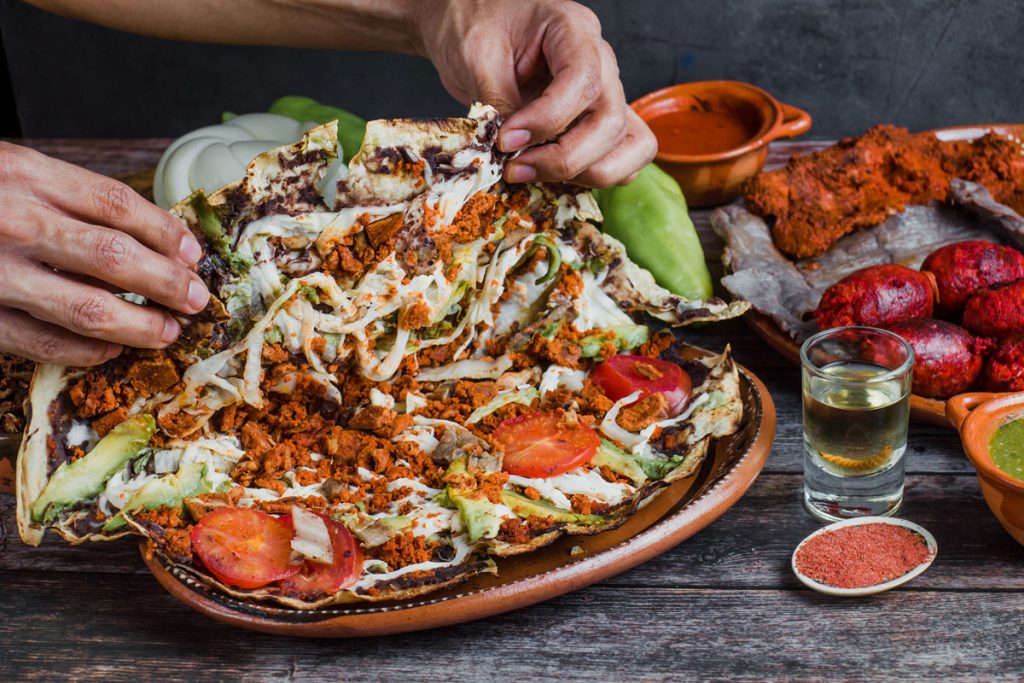
- Diverse protein sources: The Aztecs relied on insects (like grasshoppers and maguey worms), freshwater fish, turkey, and other fowl to complement plant-based diets.
Both civilizations achieved remarkable food security and sustainability through strategic crop rotation, soil management, and water engineering, which allowed them to support large populations without depleting natural resources.
2. Core Ingredients in Mesoamerican Diets
Certain ingredients formed the foundation of Maya and Aztec cuisine and continue to shape modern Mexican and Central American food.
Maize (Corn)
- Staple food: Maize was central to daily life, used to prepare tortillas, tamales, atole (corn-based porridge), and beverages.
- Cultural significance: Corn was considered sacred, linked to creation myths and deities in both Maya and Aztec cosmology.
- Nutritional complementarity: When combined with beans in the Three Sisters system, maize provided complete protein.
Beans
- Protein source: Black beans, kidney beans, and other legumes supplied essential amino acids.
- Culinary versatility: Used in stews, sauces, and as accompaniments to maize-based foods.
Squash and Pumpkin
- Fiber and micronutrients: Provided vitamins A and C, minerals, and dietary fiber.
- Seeds: Pumpkin and squash seeds (pepitas) were consumed roasted or ground into sauces.
Chili Peppers
- Flavor and preservation: Chili peppers added heat, flavor, and antimicrobial properties to foods.
- Variety: Multiple local chili varieties allowed for different levels of spiciness and culinary applications.
Cacao
- Beverages: Cacao was primarily consumed as a bitter, spiced drink for ritual, medicinal, and elite consumption.
- Ritual significance: Linked to offerings, ceremonial events, and currency in the Aztec economy.
Other Staples
- Amaranth and chia: Used as grains or flour, providing protein and essential fatty acids.
- Avocado and tomatoes: Contributed fat and flavor; foundational in sauces such as early guacamoles.
- Herbs and flowers: Epazote, cilantro, and squash flowers added complexity and medicinal properties.
3. Culinary Techniques and Food Preparation
The Maya and Aztec peoples developed distinct culinary techniques that enhanced flavor, nutrition, and food preservation.
Nixtamalization
- Process: Treating maize with lime or ash to remove hulls, improve digestibility, and increase calcium content.
- Products: Masa dough for tortillas and tamales, a technique still central to modern Mexican cuisine.
Steaming and Baking
- Tamales: Corn dough filled with meat, vegetables, or chili paste, wrapped in corn husks or banana leaves, and steamed.
- Pit ovens: Known as “pib” or “pachamanca,” used for roasting meats and tubers underground.
Fermentation
- Beverages: Fermented drinks like chicha (corn-based) provided nutrition, preservation, and ritual significance.
- Flavor and preservation: Fermentation enhanced flavor complexity and extended shelf-life of staple crops.
Grinding and Mixing
- Metate and mano: Stone tools for grinding maize, cacao, and spices into dough, paste, or beverages.
- Salsas and sauces: Combination of roasted chilies, tomatoes, herbs, and seeds created rich, complex flavors.
4. Social and Ritual Significance of Food
Food was deeply tied to social structure, religion, and identity in Maya and Aztec societies.
Maya Civilization
- Ceremonial foods: Cacao, maize, and tamales were offered to deities or consumed during religious festivals.
- Elite vs. commoner diets: Nobility often had access to cacao drinks and exotic meats, while the general population relied on maize, beans, and seasonal produce.
- Feasting and community: Shared meals during agricultural cycles and festivals reinforced social cohesion.
Aztec Culture
- Tribute system: Conquered regions provided food as tribute, including maize, chili, beans, and cacao.
- Rituals and sacrifices: Certain foods were integral to religious ceremonies, including offerings of cacao and turkey.
- Public markets: Cities like Tenochtitlán hosted vibrant markets, centralizing commerce, information exchange, and social interaction.
5. Continuity in Modern Mexican and Central American Cuisine
The dietary traditions of the Maya and Aztecs are still evident in contemporary food practices:
Maize-Based Staples
- Tortillas: Daily consumption across Mexico and Central America, often made with nixtamalized maize.
- Tamales and atole: Traditional dishes preserved in homes and festivals.
- Pozole: A hominy-based stew rooted in pre-Columbian culinary practices.
Chili Peppers and Salsas
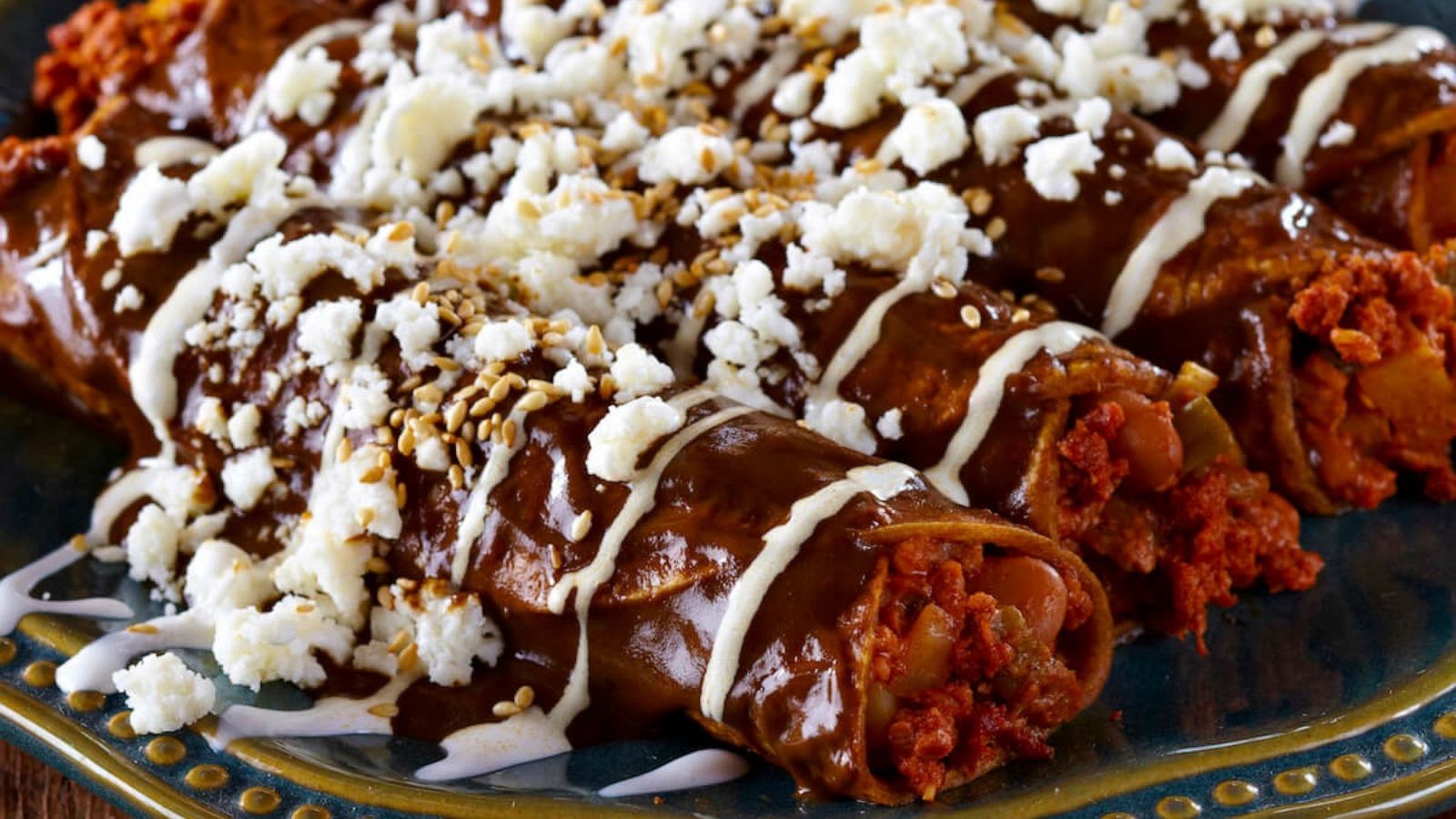
- Salsas and mole sauces: Combine indigenous ingredients with European additions such as nuts and chocolate.
- Regional variation: Heat levels and spice combinations reflect local geography and cultural history.
Cacao and Chocolate
- Hot chocolate and mole: Modern consumption of cacao preserves its ceremonial and flavor-rich roots.
- Artisanal and single-origin chocolate: Often sourced from regions historically associated with Maya and Aztec cultivation.
Beans, Squash, and Vegetables
- Staple dishes: Black beans, squash, and regional greens remain central to daily meals.
- Nutritional relevance: Plant-based protein and fiber reflect ancient dietary patterns.
Culinary Festivals and Rituals
- Day of the Dead offerings: Tamales, atole, and other foods trace back to Mesoamerican ceremonial foods.
- Agricultural festivals: Communities celebrate harvests with dishes reflecting ancestral crops and techniques.
6. Influence Beyond Borders
Latin American diaspora communities have carried these traditions worldwide, influencing global cuisine:
- Mexican restaurants: Utilize maize, beans, chili, and tamales as cultural markers.
- Fusion cuisine: Maya and Aztec-inspired ingredients appear in high-end gastronomy and health-focused dishes.
- Superfoods: Quinoa, chia, and cacao have achieved international recognition for their nutritional value.
7. Nutritional and Cultural Significance
The diets of the Maya and Aztecs were nutritionally balanced, ecologically sustainable, and culturally meaningful:
- Protein complementarity: Beans and maize together provided complete protein.
- Micronutrient richness: Chili peppers, squash, and leafy greens supplied essential vitamins and minerals.
- Cultural continuity: Culinary practices reinforce identity, heritage, and communal bonds.
Conclusion
The dietary traditions of the Maya civilization and Aztec culture continue to shape modern Mexican and Central American cuisine in profound ways. From staple maize and beans to chili peppers, cacao, and traditional cooking methods, ancient practices are preserved, adapted, and celebrated across regions and generations.
These culinary legacies demonstrate the ingenuity, sustainability, and cultural depth of Mesoamerican societies. They also underscore the enduring relationship between food, environment, and identity, illustrating how ancient dietary wisdom continues to inform contemporary tastes, nutrition, and cultural expression. Modern Mexican and Central American cuisine is not only a reflection of historical ingenuity but also a vibrant, living heritage that connects past and present through flavor, tradition, and social meaning.
Through the preservation and innovation of these ancestral practices, the foods of the Maya and Aztec civilizations remain central to the identity, health, and culinary pride of millions today, bridging centuries of history with contemporary gastronomy.