





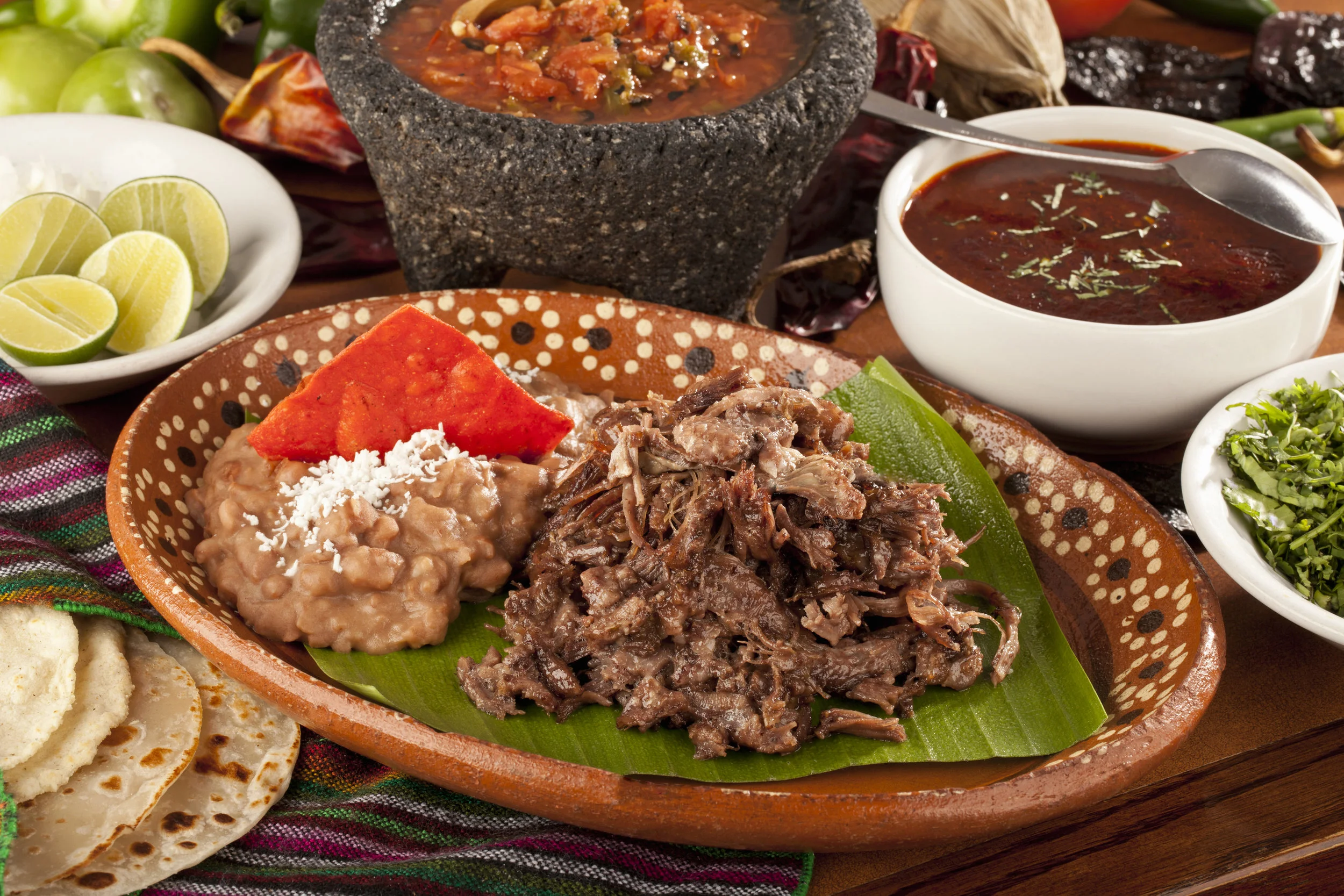

Latin American cuisine is one of the most vibrant and diverse culinary traditions in the world, distinguished by its vast array of ingredients and the unique characteristics of its regional variations. Spanning from Mexico and Central America to the Andes and the Southern Cone, Latin American food reflects centuries of cultural exchange, indigenous knowledge, and adaptation to varied climates and ecosystems. Its richness lies not only in the flavors and preparation techniques but also in the biodiversity of ingredients that are locally sourced, seasonal, and deeply rooted in regional identity.
This article explores the remarkable diversity and regionality of ingredients in Latin American cuisine, examining historical influences, ecological factors, culinary techniques, and contemporary trends. It highlights how local produce, traditional cooking practices, and cultural narratives converge to create a cuisine that is both deeply traditional and dynamically evolving.
Historical and Cultural Foundations
The diversity of Latin American cuisine stems from a complex history of indigenous cultures, European colonization, African influence, and Asian migration. Each layer of this history contributed to the array of ingredients and culinary methods seen today.
Indigenous Contributions
Before European contact, indigenous peoples cultivated a wide variety of plants and domesticated animals suited to their regions. Staple crops such as maize, beans, potatoes, chili peppers, and cassava formed the backbone of many diets. For example:
- Mexico and Mesoamerica: Maize was central to daily meals, from tortillas to tamales, accompanied by beans, squash, tomatoes, and cacao.
- Andean Region: Potatoes, quinoa, amaranth, and native tubers adapted to high-altitude climates were fundamental.
- Amazon Basin: Manioc (cassava), tropical fruits, and freshwater fish were primary sources of nutrition.
These indigenous ingredients provided not only sustenance but also medicinal and ritual value, influencing food symbolism and culinary philosophy.
European Influence
The arrival of Spanish and Portuguese colonizers introduced new ingredients, animals, and techniques. Key introductions included:
- Livestock: Cattle, pigs, chickens, and goats diversified protein sources.
- Wheat and rice: Became staples alongside native grains.
- Spices and herbs: Garlic, onion, parsley, and oregano enriched flavor profiles.
European culinary traditions merged with indigenous ingredients, creating hybrid dishes such as feijoada in Brazil, mole in Mexico, and empanadas across the Southern Cone.
African Influence
The transatlantic slave trade brought African culinary knowledge and crops to Latin America, particularly in Brazil, the Caribbean, and Colombia. Ingredients like okra, palm oil, plantains, and yams became integral, influencing cooking techniques such as frying, stewing, and the use of rich sauces.
Asian Influence
Asian migration in the 19th and 20th centuries introduced additional layers of flavor and techniques, particularly in countries such as Peru and Brazil. For example:
- Peruvian Chifa cuisine blends Chinese stir-fry methods with local ingredients.
- Nikkei cuisine merges Japanese precision with Peruvian produce and spices.
This fusion highlights the adaptability and inclusiveness of Latin American culinary traditions.
Ecological and Regional Diversity
Latin America encompasses diverse climates and ecosystems—from deserts in northern Mexico to tropical rainforests, high-altitude Andes, and temperate Southern Cone regions. These ecological differences create abundant biodiversity and shape regional ingredient availability.
Tropical Regions
Countries like Brazil, Colombia, and Venezuela benefit from year-round access to tropical fruits, nuts, and tubers. Key ingredients include:
- Fruits: Papaya, mango, guava, passion fruit, açaí, and pitaya.
- Tubers: Cassava, taro, and sweet potatoes.
- Herbs and greens: Cilantro, culantro, and various wild greens.
Tropical coastal regions also provide seafood, such as shrimp, fish, and shellfish, often paired with citrus, chili, and coconut-based sauces.
Andean Highlands
High-altitude regions such as Peru, Bolivia, and Ecuador feature ingredients adapted to colder climates and rugged terrain. Key foods include:
- Potatoes: Thousands of native varieties exist, each with unique textures and flavors.
- Quinoa and amaranth: High-protein grains cultivated for centuries.
- Andean fruits: Such as lucuma, cherimoya, and aguaymanto.
These ingredients define traditional Andean dishes like pachamanca, a slow-cooked mix of meats and tubers using hot stones, highlighting both resourcefulness and deep regional specificity.
Southern Cone
Argentina, Chile, and Uruguay have temperate climates conducive to livestock, grains, and temperate fruits. Key ingredients include:
- Beef and lamb: Integral to barbecue traditions like asado.
- Wheat-based foods: Bread, empanadas, and pastries.
- Wine grapes: Especially in Chile and Argentina, enhancing culinary pairing.
Coastal and Caribbean Regions
Caribbean-influenced areas of Colombia, Venezuela, and Central America combine tropical produce with African-derived techniques. Staples include:
- Plantains and bananas: Used in fried, mashed, or stewed preparations.
- Coconut milk and oil: Infuse richness into soups, stews, and rice dishes.
- Spices: Allspice, nutmeg, and cinnamon for both sweet and savory dishes.
Signature Ingredients Across Latin America
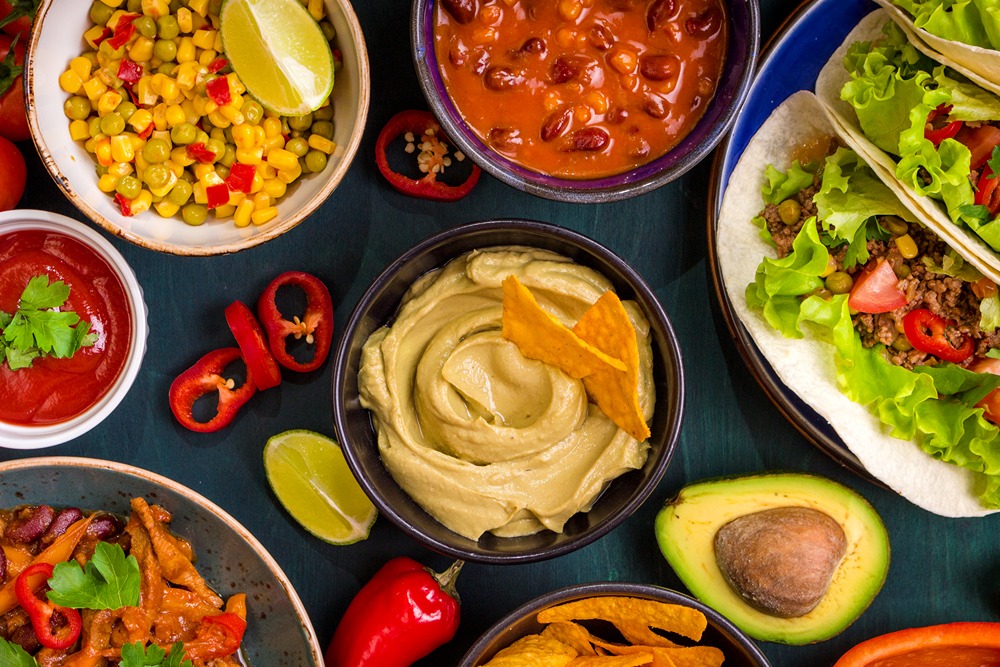
While regional specificity is key, some ingredients are foundational and widely celebrated:
- Maize (corn): Basis for tortillas, tamales, arepas, and chicha.
- Beans: Black beans, red beans, and lentils provide protein and fiber.
- Chili peppers: Vary in heat and flavor, used fresh, dried, or smoked.
- Potatoes and tubers: Over 4,000 varieties in the Andes alone, showcasing genetic diversity.
- Cacao: Used in beverages, desserts, and complex sauces like mole.
- Quinoa and amaranth: High-protein grains central to Andean nutrition.
- Tropical fruits: Avocado, mango, papaya, pineapple, and passion fruit enhance flavor and nutritional density.
- Herbs and aromatics: Cilantro, epazote, parsley, and oregano enhance both taste and health properties.
The combination of these ingredients with local culinary techniques creates the distinct identity of each region.
Culinary Techniques and Food Preparation
Latin American cuisine showcases innovative and region-specific techniques:
1. Maize Processing
- Nixtamalization: Treating corn with lime to improve nutritional value and flavor for tortillas, tamales, and pozole.
- Grinding and dough preparation: Fundamental for masa-based dishes.
2. Stewing and Braising
- Slow-cooked dishes like feijoada, sancocho, and ajiaco blend meats, legumes, and tubers, often with tropical herbs.
3. Grilling and Roasting
- Asado and anticuchos highlight the importance of meat, fire, and communal dining.
- Roasting vegetables and tubers brings out natural sweetness and enhances flavor complexity.
4. Fermentation
- Chicha (fermented maize beverage), kombucha-style teas, and fermented cassava showcase traditional preservation methods and probiotics.
5. Spice Blending
- Regional spice blends, such as achiote paste, adobo, and panca chili sauces, create signature flavor profiles.
Contemporary Trends and Global Influence
In recent decades, Latin American ingredients and dishes have gained international attention:
- Superfoods: Quinoa, açaí, and lucuma are marketed globally for their nutritional benefits.
- Fusion cuisine: Latin American ingredients combine with Asian, European, and North American culinary techniques.
- Sustainable sourcing: There is growing awareness of protecting native crops, supporting small farmers, and preserving biodiversity.
- Culinary tourism: Cities like Lima, Mexico City, and São Paulo attract visitors eager to experience regional diversity.
Global interest has also sparked culinary innovation within Latin America itself, blending traditional practices with modern gastronomy and new presentation styles.
Conclusion
The diversity and regionality of ingredients in Latin American cuisine are a testament to the continent’s ecological richness, historical depth, and cultural creativity. From indigenous maize and Andean tubers to tropical fruits and African-influenced spices, every region contributes unique flavors and nutritional qualities that make the cuisine vibrant, dynamic, and globally admired.
Understanding Latin American food requires appreciating not only the ingredients themselves but also the historical, ecological, and social contexts in which they are cultivated and prepared. Regionality informs everything—from ingredient selection to cooking technique and cultural significance—ensuring that Latin American cuisine is both deeply rooted in local identity and continually evolving in a globalized world.
By celebrating the remarkable diversity of ingredients and honoring their regional origins, Latin American cuisine exemplifies the interplay of nature, culture, and creativity, creating a culinary heritage that is unmatched in variety, flavor, and significance.