





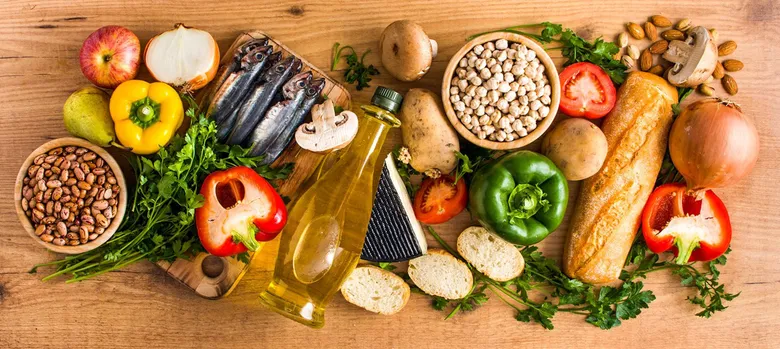

The Mediterranean diet is widely recognized as one of the healthiest dietary patterns in the world. Rooted in the traditional cuisines of countries bordering the Mediterranean Sea—such as Greece, Italy, Spain, and Morocco—it emphasizes fresh, minimally processed ingredients, balanced meals, and the integration of cultural, ecological, and culinary traditions. Its health benefits, backed by decades of scientific research, include reduced risk of cardiovascular disease, improved metabolic health, and longevity.
At the heart of the Mediterranean diet are distinct ingredients, each contributing not only to taste and texture but also to nutrition and cultural heritage. This article explores the key components of Mediterranean cuisine, their health-promoting properties, culinary applications, and broader societal significance, demonstrating why this dietary model is both flavorful and beneficial.
Historical and Cultural Background
The Mediterranean diet is not a modern invention; it reflects centuries of agricultural practice, trade, and culinary evolution:
- Ancient Agriculture: Olives, grapes, wheat, and barley were cultivated across the region for thousands of years, forming the foundation of staple foods.
- Trade Routes: Spices, nuts, and legumes were introduced through Mediterranean trade, enriching local cuisines and nutrient diversity.
- Cultural Traditions: Meals are traditionally social events, emphasizing shared plates, seasonal produce, and moderation.
- Geography and Climate: The region’s mild, wet winters and hot, dry summers shape the availability of fresh fruits, vegetables, and seafood.
Together, these factors have created a dietary pattern that balances flavor, nutrition, and sustainability, reflecting the region’s ecology and history.
Core Mediterranean Ingredients
The Mediterranean diet emphasizes a wide range of plant-based foods, complemented by high-quality proteins and healthy fats.
Olive Oil: The Liquid Gold
- Primary Fat Source: Extra virgin olive oil provides monounsaturated fats, which help reduce LDL cholesterol while supporting heart health.
- Polyphenols: Compounds such as hydroxytyrosol have antioxidant and anti-inflammatory properties.
- Culinary Use: Olive oil is used in salad dressings, sautés, marinades, and as a finishing drizzle, imparting both flavor and health benefits.
Vegetables and Fruits
- Variety and Seasonality: Tomatoes, eggplants, zucchini, bell peppers, artichokes, citrus fruits, berries, and leafy greens are central.
- Nutrient Density: Rich in vitamins (C, A, K), minerals (potassium, magnesium), and fiber, they support cardiovascular, metabolic, and digestive health.
- Culinary Applications: Roasted, grilled, stewed, or eaten raw in salads, vegetables provide flavor, texture, and essential nutrients.
Whole Grains and Legumes
- Staples: Wheat, barley, farro, bulgur, lentils, chickpeas, and beans form the carbohydrate base.
- Health Benefits: High fiber content aids digestion, regulates blood sugar, and supports cardiovascular health.
- Traditional Dishes: Couscous, minestrone, lentil soups, and bean stews showcase the versatility of grains and legumes.
Seafood and Lean Proteins
- Fish Variety: Anchovies, sardines, tuna, mackerel, and salmon are common, providing omega-3 fatty acids.
- Poultry and Eggs: Consumed in moderation, they supply high-quality protein with lower saturated fat.
- Red Meat: Traditionally limited, reinforcing the plant-forward nature of the diet.
Nuts and Seeds
- Almonds, Walnuts, Hazelnuts, and Pine Nuts: Provide healthy fats, fiber, protein, and micronutrients like magnesium and vitamin E.
- Culinary Uses: Incorporated into desserts, salads, pastas, and as snacks, adding texture and nutritional value.
Herbs and Spices
- Flavor Without Salt: Basil, oregano, rosemary, thyme, parsley, and mint enhance taste while reducing sodium dependence.
- Health Properties: Many herbs contain antioxidants, anti-inflammatory compounds, and bioactive phytochemicals.
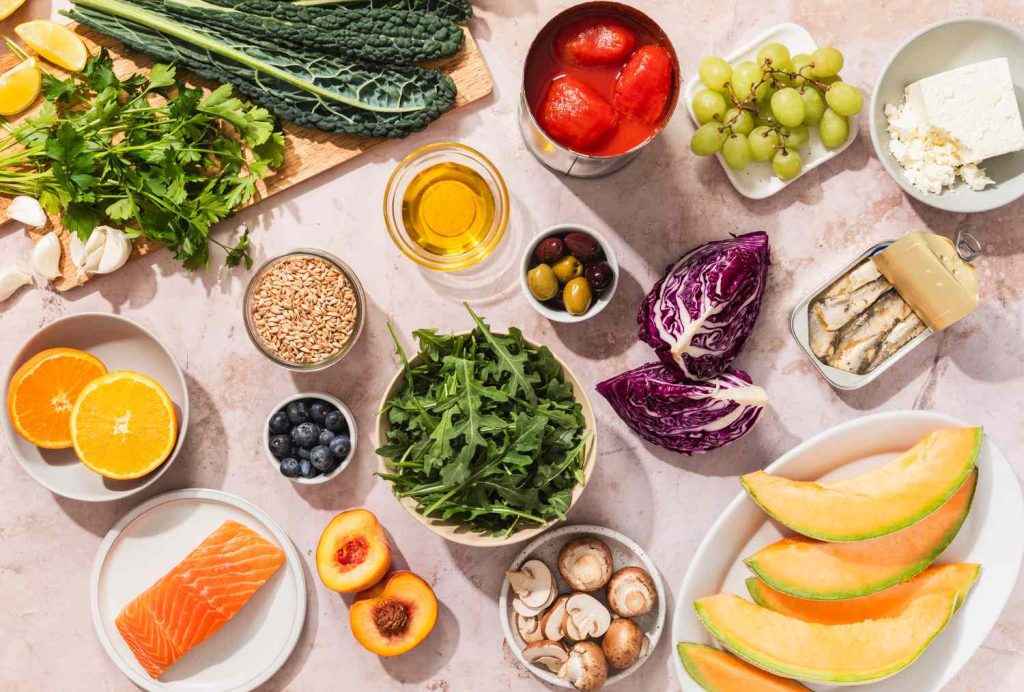
Fermented and Dairy Products
Moderate consumption of fermented dairy is another hallmark of the Mediterranean diet:
- Yogurt: Rich in probiotics, calcium, and protein; traditionally made from sheep or goat milk.
- Cheese: Feta, pecorino, and halloumi provide flavor, protein, and minerals when consumed in moderation.
- Cultural Significance: Dairy is often part of traditional meals and festive dishes, supporting both nutrition and heritage.
Health Benefits of Mediterranean Ingredients
Scientific research consistently highlights the Mediterranean diet as protective against multiple chronic diseases:
- Cardiovascular Health: Monounsaturated fats, omega-3 fatty acids, and polyphenols reduce inflammation, improve lipid profiles, and lower blood pressure.
- Metabolic Health: High fiber intake and low glycemic index foods help regulate blood sugar, supporting diabetes prevention and weight management.
- Cognitive Function: Antioxidants and healthy fats contribute to brain health and may reduce the risk of neurodegenerative diseases.
- Longevity: Epidemiological studies associate adherence to the diet with lower all-cause mortality.
- Gut Health: Fiber-rich foods, legumes, and fermented dairy support a diverse and resilient gut microbiome.
The synergy of ingredients—healthy fats, fiber, antioxidants, and protein—creates holistic benefits beyond individual nutrients.
Culinary Practices and Meal Patterns
The health advantages of Mediterranean ingredients are reinforced by traditional eating habits:
- Plant-Forward Meals: Vegetables, grains, and legumes dominate, with proteins used as complements rather than main components.
- Olive Oil as Primary Fat: Replaces saturated fats like butter and margarine, contributing to lipid balance.
- Moderation and Balance: Portion control, variety, and seasonal eating ensure nutrient diversity and energy balance.
- Social Meals: Sharing meals fosters slower eating, mindfulness, and emotional well-being.
- Cooking Techniques: Grilling, steaming, roasting, and light sautéing preserve nutrients while enhancing flavor.
These practices integrate culture, nutrition, and culinary enjoyment, supporting overall health.
Regional Variations of Mediterranean Ingredients
The Mediterranean basin includes diverse climates and cultures, leading to regional culinary adaptations:
- Greece: Olive oil, feta cheese, legumes, and herbs dominate, emphasizing simple, fresh flavors.
- Italy: Tomatoes, garlic, basil, pasta, and seafood form iconic dishes with strong regional identities.
- Spain: Olive oil, peppers, saffron, seafood, and cured meats such as jamón ibérico characterize local cuisine.
- Morocco: Spices like cumin, cinnamon, saffron, and preserved lemons enrich stews, couscous, and tagines.
- Middle Eastern Coast: Tahini, chickpeas, and citrus flavors are used in dips, salads, and grain dishes.
Regional differences highlight adaptation to local resources, climate, and culture, while preserving common health-promoting principles.
The Role of Phytochemicals and Bioactive Compounds
Mediterranean ingredients are rich in bioactive compounds that provide health benefits:
- Polyphenols: Found in olives, grapes, nuts, and vegetables; act as antioxidants and anti-inflammatory agents.
- Flavonoids: Present in herbs, citrus, and berries; support cardiovascular and metabolic health.
- Carotenoids: Tomatoes, peppers, and leafy greens provide beta-carotene and lutein for eye and immune health.
- Omega-3 Fatty Acids: Fatty fish reduce inflammation and support cardiovascular function.
The combination of nutrients and phytochemicals produces synergistic effects, explaining why Mediterranean diets outperform diets focusing solely on individual nutrients.
Sustainability and Environmental Considerations
The Mediterranean diet aligns with ecological sustainability principles:
- Plant-Forward Approach: Reduces reliance on red meat, lowering environmental impact.
- Seasonal Eating: Encourages local sourcing and reduces transportation emissions.
- Biodiversity Support: Cultivation of diverse fruits, vegetables, grains, and legumes preserves agricultural ecosystems.
- Traditional Practices: Small-scale farming and artisanal production promote soil health, water conservation, and cultural preservation.
Thus, Mediterranean ingredients support both human and planetary health, illustrating the connection between diet and environment.
Contemporary Applications and Global Influence
Mediterranean ingredients have inspired modern culinary innovation and global health initiatives:
- Fusion Cuisine: Chefs incorporate olive oil, herbs, legumes, and seafood into diverse international dishes.
- Plant-Based Diets: Emphasis on vegetables, grains, and legumes aligns with vegetarian and vegan trends.
- Functional Foods: Olive oil, nuts, and whole grains are marketed for their health benefits.
- Public Health Guidelines: Many countries recommend Mediterranean-style dietary patterns to reduce chronic disease risk.
The diet’s popularity demonstrates how traditional ingredients can inform modern nutrition and culinary innovation.
Practical Tips for Incorporating Mediterranean Ingredients
- Prioritize Olive Oil: Use as primary fat for cooking and dressings.
- Eat Seasonal Vegetables: Emphasize variety and color to maximize nutrient intake.
- Include Legumes Regularly: Replace some animal proteins with beans, lentils, and chickpeas.
- Consume Seafood Frequently: Aim for 2–3 servings of fish per week.
- Enjoy Fruits and Nuts: As snacks or part of meals, balancing calories and nutrients.
- Use Herbs and Spices: Flavor food naturally without excessive salt.
- Practice Mindful Eating: Share meals, eat slowly, and savor flavors.
These strategies make Mediterranean ingredients accessible, sustainable, and health-promoting.
Conclusion
Mediterranean ingredients are the cornerstone of a dietary pattern that combines flavor, nutrition, culture, and sustainability. Olive oil, fresh vegetables, legumes, whole grains, seafood, nuts, and herbs provide a diverse and nutrient-dense foundation for healthful eating. The diet’s emphasis on seasonality, local sourcing, and plant-forward meals supports longevity, metabolic health, cardiovascular function, and overall well-being.
Beyond nutrition, Mediterranean ingredients reflect cultural identity, culinary tradition, and ecological harmony, demonstrating how diet can integrate health, taste, and societal values. Their global influence underscores the universal relevance of traditional, plant-forward diets in promoting sustainable and enjoyable eating.
By embracing Mediterranean ingredients, individuals worldwide can experience the intersection of flavor, science, and tradition, illustrating that healthy eating can be both delicious and culturally enriching.