





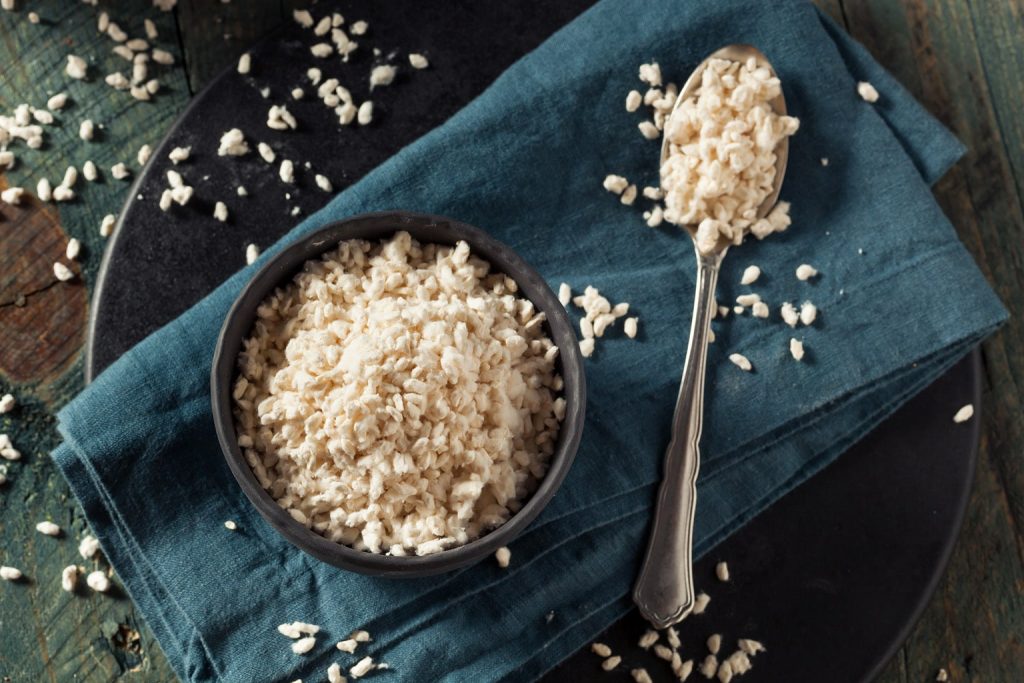

Miso is far more than a seasoning; it is a culinary symbol of Japan, representing centuries of craftsmanship, regional diversity, and an intricate understanding of fermentation. Its rich, umami-laden flavor is the product of a complex biochemical process, combining soybeans, grains, salt, and koji (Aspergillus oryzae mold) through carefully controlled fermentation. The creation of miso embodies Japan’s deep respect for fermented foods, blending science, tradition, and culture in a way that has influenced both daily meals and haute cuisine globally.
This article explores the fermentation of miso in depth, including its historical development, biochemical mechanisms, regional variations, culinary applications, nutritional significance, and cultural importance, demonstrating why miso is considered a cornerstone of Japanese gastronomy.
Historical Origins of Miso
Miso has a long and layered history, shaped by cultural exchange, adaptation, and innovation:
- Ancient Roots: The precursor to miso, hishio, appeared in Japan around the 7th century. Hishio was a fermented paste made from soybeans and salt, similar to early Chinese and Korean soybean condiments.
- Chinese Influence: Japan’s adoption of soybean fermentation techniques from China introduced methods for creating soy-based pastes that were refined locally.
- Regional Adaptation: By the Muromachi period (1336–1573), miso had become a distinct Japanese product, incorporating local ingredients and fermentation styles that reflected regional tastes, climate, and resources.
- Edo Period Diversification: With improved preservation and trade, various types of miso emerged, from dark, rich miso of Kyoto to lighter, sweeter miso of the Kanto region.
The historical trajectory of miso illustrates Japan’s ability to absorb external knowledge while crafting something uniquely Japanese, demonstrating respect for fermentation as both a culinary and scientific practice.
Ingredients of Miso
The flavor, texture, and aroma of miso depend on four fundamental ingredients:
- Soybeans: The primary protein source, soybeans provide amino acids that, through fermentation, are converted into free glutamates, the molecules responsible for umami.
- Koji (Aspergillus oryzae): This mold is applied to grains (rice, barley, or soy) to produce enzymes like proteases, amylases, and lipases that break down proteins and starches into flavorful components.
- Salt: Beyond preservation, salt regulates microbial activity, ensuring controlled fermentation and development of desirable flavors.
- Optional Grains: Rice or barley are often added to balance sweetness, texture, and enzyme content, influencing the final taste profile.
The meticulous selection of these ingredients reflects Japan’s attention to quality, terroir, and seasonality, linking agriculture with gastronomy.
The Biochemical Process of Miso Fermentation
Miso fermentation is a multi-stage process, each step carefully controlled to produce distinct flavors:
1. Preparation of Soybeans
Soybeans are soaked and cooked until soft. This process gelatinizes the starch and denatures proteins, making them accessible to enzymatic breakdown by koji.
2. Koji Cultivation
Grains are inoculated with Aspergillus oryzae and incubated under precise humidity and temperature conditions. The mold develops hyphae across the grains, producing enzymes crucial for later fermentation.
3. Mixing and Initial Fermentation
Cooked soybeans, salt, and koji are mixed to form a uniform paste. The mixture is packed into barrels or fermentation vessels, often pressed to remove air pockets. Anaerobic conditions favor lactic acid bacteria and yeast that contribute to flavor development.
4. Aging and Secondary Fermentation
Fermentation continues over months or even years, depending on the miso type. Proteases break down proteins into amino acids, amylases convert starches to sugars, and lipases release fatty acids. The result is a complex matrix of umami, sweetness, saltiness, and aromatic compounds.
5. Final Product
The outcome is a paste ranging in color from pale yellow to deep brown, with textures from smooth to chunky. The biochemical transformations during fermentation make miso both flavorful and digestible, demonstrating Japan’s mastery of microbial processes.
Regional Varieties of Miso
Japan’s diverse climate and culture have produced distinct regional miso varieties, each with unique characteristics:
- Shiro Miso (White Miso): Light in color, mild, and slightly sweet, made with rice koji. Popular in the Kansai region for delicate soups and dressings.
- Aka Miso (Red Miso): Dark, rich, and salty, often fermented longer with barley or soy, characteristic of the Chubu region.
- Hatcho Miso: Dense, dark, and full-bodied, made exclusively from soybeans with minimal grain. Renowned in Aichi Prefecture for its depth of flavor.
- Mame Miso: Pure soybean miso with a strong, earthy taste, often used in hearty stews or traditional ceremonial dishes.
Each miso type reflects local ingredients, fermentation time, and cultural taste preferences, demonstrating regional pride and culinary identity.
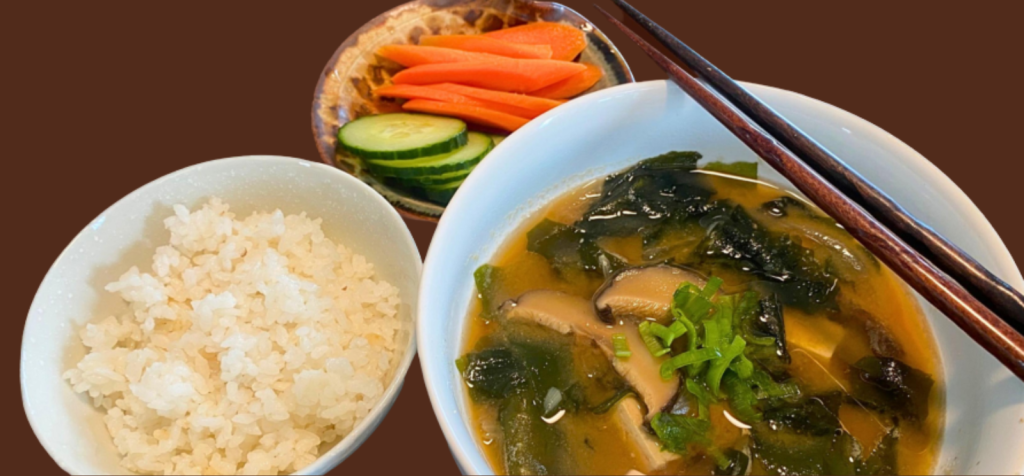
Culinary Applications of Miso
Miso is extraordinarily versatile, utilized in both traditional and modern cuisine:
- Miso Soup (Misoshiru): The most iconic preparation, often paired with tofu, seaweed, and seasonal vegetables.
- Marinades and Glazes: Miso imparts umami and caramelized notes to fish, poultry, and vegetables.
- Pickling Agent (Misozuke): Ingredients like daikon or eggplant are preserved in miso, enhancing flavor and shelf life.
- Dressings and Sauces: Miso combines with vinegar, citrus, and sesame to create dressings for salads and noodles.
- Contemporary Fusion: Chefs worldwide incorporate miso into breads, desserts, butter, and innovative sauces, showcasing its adaptability.
The culinary flexibility of miso exemplifies Japan’s integration of tradition with modern gastronomy, allowing fermentation to enhance flavor, texture, and nutrition.
Nutritional and Health Significance
Miso is not just flavorful—it is nutritionally and biologically beneficial:
- Protein and Amino Acids: Fermentation converts soybean proteins into free amino acids, enhancing digestibility.
- Probiotics: Live lactic acid bacteria support gut health and immunity.
- Vitamins and Minerals: Miso contains B vitamins, vitamin K, manganese, and zinc, contributing to metabolic and bone health.
- Isoflavones: Phytoestrogens found in soy have been linked to cardiovascular benefits and hormonal balance.
Consuming miso regularly, in moderate amounts, is associated with longevity and digestive wellness, aligning with Japan’s global reputation for health and longevity.
Cultural and Philosophical Dimensions
The fermentation of miso embodies Japan’s reverence for food and craftsmanship:
- Respect for Microbes: Japanese culinary culture honors the role of microorganisms, viewing fermentation as a natural partner in creating flavor.
- Patience and Time: Long fermentation periods teach patience, attention to detail, and respect for natural processes.
- Integration of Nature and Culture: Seasonal awareness, local ingredients, and traditional techniques emphasize harmony with the environment.
- Ceremonial Importance: Miso appears in rituals, regional festivals, and traditional household meals, symbolizing nourishment and community.
This philosophy elevates miso beyond a mere seasoning, making it a cultural artifact that reflects Japan’s broader values.
Sustainability and Modern Challenges
While miso production is traditional, it is also influenced by modern considerations:
- Sustainable Sourcing: High-quality soybeans and grains are often cultivated using environmentally conscious practices.
- Preservation of Heritage: Small-scale producers continue traditional fermentation methods, balancing commercial demand with authenticity.
- Innovation and Adaptation: Urban production facilities and automation coexist with artisanal fermentation to meet contemporary needs without sacrificing quality.
- Global Influence: As miso becomes popular worldwide, maintaining ethical sourcing, quality standards, and cultural integrity is essential.
Miso’s sustainability lies in balancing tradition, ecological responsibility, and modern culinary trends.
Scientific Insights into Miso Fermentation
Research into miso fermentation highlights its complex microbiology and chemistry:
- Enzymatic Action: Proteases, amylases, and lipases derived from koji transform soy and grains into flavorful compounds.
- Microbial Communities: Lactic acid bacteria, yeasts, and molds coexist, creating layered flavors and enhancing safety.
- Chemical Complexity: Fermentation produces amino acids, organic acids, nucleotides, and volatile aromatic compounds, explaining miso’s rich sensory profile.
- Functional Properties: Bioactive compounds contribute to antioxidant activity, cardiovascular health, and gut microbiome modulation.
Miso exemplifies food as both art and science, where traditional knowledge converges with modern biochemical understanding.
Global Impact and Culinary Influence
Miso’s influence extends far beyond Japan:
- International Cuisine: Chefs incorporate miso into soups, marinades, dressings, and even desserts globally.
- Plant-Based Alternatives: Miso provides flavor and umami for vegetarian and vegan cooking.
- Health Food Movement: Miso is valued for probiotics, antioxidants, and plant-based protein.
- Culinary Education: Japanese culinary schools and workshops emphasize miso fermentation as a foundational skill.
Its global appeal underscores the universal relevance of fermentation and Japan’s leadership in culinary innovation.
Conclusion
The fermentation of miso is a symphony of tradition, science, and culture. From carefully selected soybeans and grains to the precise cultivation of koji and patient aging, every step embodies Japan’s respect for natural processes, attention to detail, and reverence for flavor.
Miso is both a taste and a philosophy—a testament to the Japanese understanding of umami, fermentation, and seasonal awareness. Its complexity, nutritional benefits, and versatility illustrate why it has endured as a staple of Japanese cuisine for centuries.
Through miso, we see the artistry of fermentation, the importance of cultural heritage, and the profound connection between humans, microbes, and food. It is a reminder that traditional techniques, when respected and preserved, continue to influence global gastronomy, health practices, and culinary creativity.
In essence, miso represents the essence of Japanese culinary philosophy: patience, precision, and harmony, where food is not merely sustenance, but a reflection of culture, science, and reverence for life itself.