





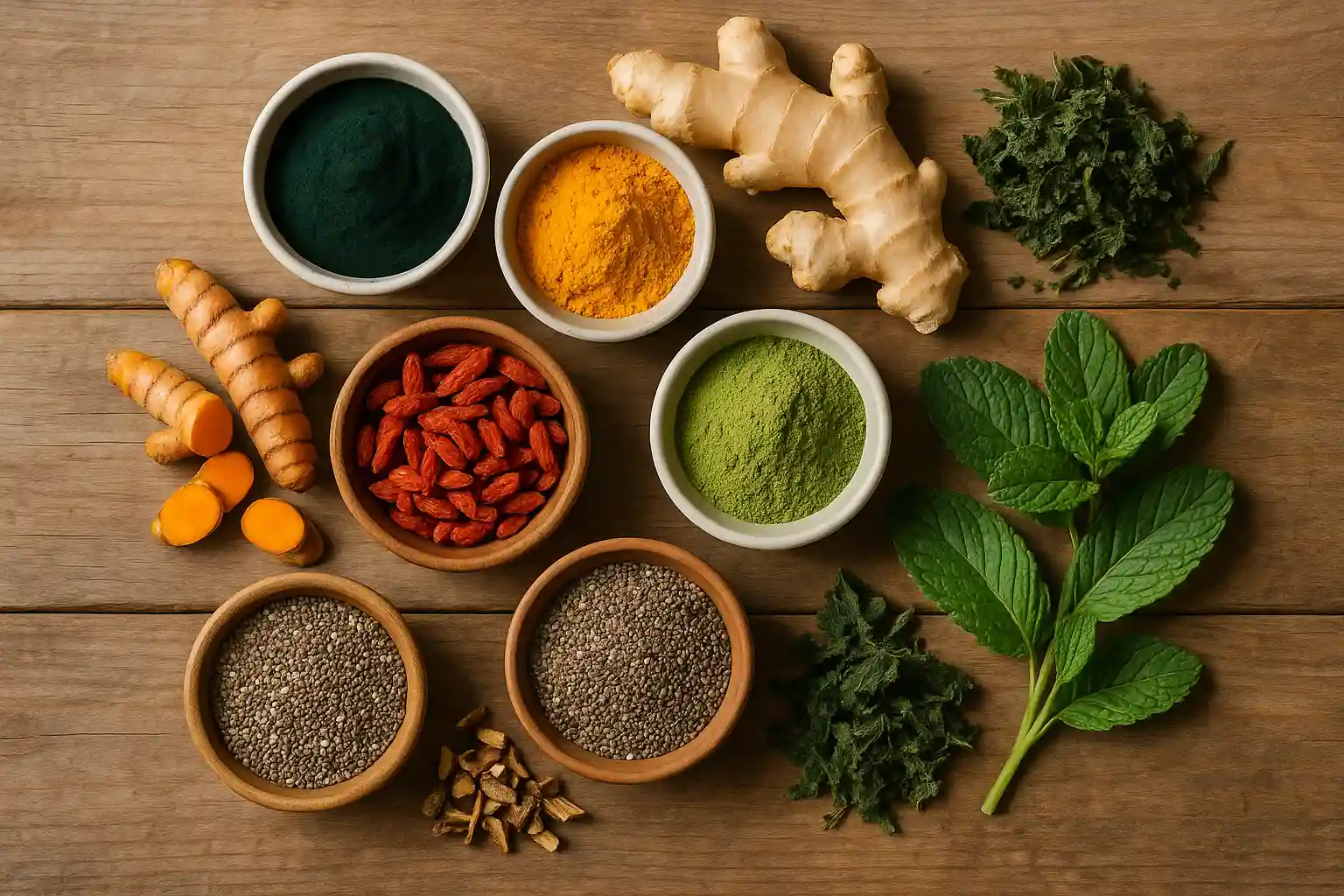

In recent decades, the term “superfood” has surged in popularity, reflecting a growing global fascination with foods that are nutrient-dense, health-promoting, and sometimes exotic. While the concept of superfoods may seem modern, humanity’s recognition of certain foods as “powerful” for health is ancient. From the antioxidant-rich berries of the Nordic forests to nutrient-dense grains like quinoa and seeds like chia, superfoods have a long history as dietary staples and medicinal tools. Today, their rise reflects an intersection of science, wellness culture, global trade, and consumer curiosity.
Defining Superfoods
The term “superfood” lacks a standardized scientific definition but generally refers to foods with exceptionally high nutritional value or bioactive compounds associated with health benefits beyond basic nutrition. Superfoods are often rich in:
- Antioxidants: Protect cells from oxidative stress and may reduce the risk of chronic diseases. Examples include blueberries, acai berries, and goji berries.
- Vitamins and Minerals: Essential micronutrients such as vitamin C in acerola cherries, vitamin K in kale, or magnesium in pumpkin seeds.
- Healthy Fats: Omega-3 fatty acids in flaxseeds, chia seeds, and fatty fish.
- Phytochemicals: Plant-derived compounds like polyphenols, carotenoids, and flavonoids, which may have anti-inflammatory and cardioprotective effects.
Superfoods are not a magical cure-all but are valuable components of a balanced diet that support long-term health outcomes.
Historical Perspective
The idea of “functional foods” or nutrient-rich foods dates back millennia. Ancient civilizations recognized the health-promoting qualities of certain plants, grains, and herbs:
- Ancient Greece and Rome: Foods like garlic, figs, and olives were prized for both nutrition and medicinal properties.
- Traditional Chinese Medicine (TCM): Goji berries, ginseng, and reishi mushrooms were incorporated into diets for longevity, vitality, and disease prevention.
- Ayurveda: Turmeric, amla (Indian gooseberry), and black sesame seeds were considered essential for balancing doshas and promoting immunity.
These ancient practices laid the foundation for the modern superfood movement, demonstrating a long-standing human desire to combine diet and health.
The Modern Superfood Phenomenon
The modern concept of superfoods gained momentum in the late 20th and early 21st centuries, fueled by:
- Scientific Research: Nutritional studies highlighting antioxidant activity, omega-3 content, and other bioactive compounds provided measurable evidence of health benefits.
- Wellness and Lifestyle Trends: Rising consumer interest in health, fitness, and preventive medicine created demand for foods that promise optimal nutrition.
- Global Trade and Accessibility: Improved transportation and import/export networks have made previously exotic foods like quinoa, acai, spirulina, and maca widely available.
The media and food marketing industries amplified this trend, often branding visually appealing and nutrient-rich foods as “superfoods” to promote wellness and lifestyle aspirations.

Popular Superfoods and Their Nutritional Profiles
Superfoods span multiple categories: fruits, vegetables, seeds, grains, legumes, nuts, mushrooms, and algae. Some notable examples include:
Fruits
- Acai Berries: Native to the Amazon rainforest, acai berries are rich in anthocyanins, antioxidants linked to cardiovascular and anti-inflammatory benefits.
- Goji Berries: Traditionally used in Chinese medicine, goji berries contain vitamins A and C, fiber, and polyphenols.
- Blueberries: Renowned for their high flavonoid content, blueberries support cognitive function and cardiovascular health.
Vegetables and Greens
- Kale: A cruciferous vegetable packed with vitamins A, C, K, calcium, and antioxidants such as carotenoids.
- Spinach: Rich in iron, magnesium, folate, and lutein, supporting blood health and eye health.
- Seaweed (Nori, Wakame, Kelp): A source of iodine, minerals, and polysaccharides beneficial for thyroid and metabolic health.
Seeds and Grains
- Chia Seeds: High in omega-3 fatty acids, fiber, and protein; they absorb water and can promote satiety.
- Quinoa: A gluten-free pseudocereal, complete with all essential amino acids, minerals, and vitamins.
- Flaxseeds: Contain alpha-linolenic acid (ALA), lignans, and soluble fiber, supporting heart health and digestion.
Nuts and Legumes
- Almonds: High in monounsaturated fats, vitamin E, magnesium, and protein, promoting cardiovascular health.
- Lentils: A rich source of plant-based protein, fiber, folate, and iron, supporting metabolism and gut health.
Mushrooms and Fungi
- Reishi and Shiitake: Used traditionally in East Asia, these mushrooms contain polysaccharides and beta-glucans that may enhance immune function.
- Lion’s Mane: Studied for potential neuroprotective properties and cognitive support.
Algae and Exotic Ingredients
- Spirulina: A blue-green algae with concentrated protein, B vitamins, iron, and antioxidants.
- Maca Root: Native to the Andes, maca is used for energy, hormonal balance, and endurance.
The Science Behind Superfoods
Scientific research supports many claims associated with superfoods, particularly regarding antioxidants, anti-inflammatory properties, and nutrient density.
- Antioxidants: Compounds like polyphenols and carotenoids neutralize free radicals, reducing oxidative stress linked to aging and chronic disease.
- Omega-3 Fatty Acids: Found in chia seeds, flaxseeds, and fatty fish, these fatty acids are crucial for cardiovascular health and cognitive function.
- Dietary Fiber: Present in seeds, legumes, fruits, and vegetables, fiber supports digestion, blood sugar regulation, and satiety.
- Phytochemicals: Flavonoids, glucosinolates, and terpenes in plant-based superfoods influence inflammation, immunity, and cellular signaling.
While no single food can prevent disease alone, incorporating a variety of superfoods enhances overall dietary quality and nutrient intake.
Globalization and Accessibility
Global supply chains have expanded access to superfoods that were once geographically restricted. For example:
- Quinoa: Once limited to the Andean highlands, quinoa is now cultivated in North America, Europe, and Australia.
- Acai and Camu Camu: Amazonian fruits are exported worldwide in frozen pulp, powders, and juices.
- Seaweed: Traditionally consumed in Asia, seaweed products are now widely incorporated into Western cuisine, from snacks to supplements.
This accessibility has fueled the rise of superfood-based products, including powders, smoothie mixes, energy bars, and supplements, integrating nutrient-dense foods into daily diets.
Marketing, Perception, and Criticism
Superfoods have become powerful marketing tools. Their exotic appeal, vibrant colors, and association with health and longevity drive consumer demand. However, some criticisms include:
- Overhyped Benefits: While nutrient-dense, superfoods are not cure-alls; balanced diets remain essential.
- Economic and Environmental Concerns: Global demand can lead to overharvesting, monoculture farming, and price inflation, affecting local communities.
- Cultural Appropriation: Indigenous knowledge of superfoods is often commercialized without fair compensation or recognition.
Despite these concerns, the movement has reinvigorated interest in nutrient-rich diets, sustainable agriculture, and cross-cultural culinary exploration.
Superfoods and Lifestyle Integration
Modern wellness culture incorporates superfoods in various ways:
- Smoothie Bowls and Juices: Combining fruits, seeds, and greens to deliver concentrated nutrients.
- Functional Foods: Yogurts, cereals, and snack bars enriched with superfoods to support health claims.
- Traditional Recipes Revived: Rediscovering ancient foods like millet, amaranth, and medicinal herbs for contemporary diets.
Beyond nutrition, superfoods also foster mindful eating and awareness of food origins, linking diet with environmental and social responsibility.
The Future of Superfoods
The trajectory of superfoods points toward:
- Scientific Validation: Clinical studies exploring bioactive compounds, synergistic effects, and personalized nutrition.
- Sustainability: Ethical sourcing, regenerative agriculture, and local production to reduce ecological impact.
- Innovation: Novel ingredients such as algae-based proteins, insect-based powders, and functional beverages expanding the superfood landscape.
- Integration into Global Diets: Superfoods are increasingly accessible across socio-economic and geographic boundaries, bridging traditional knowledge and modern nutrition science.
Conclusion
The rise of superfoods represents more than a dietary trend; it reflects a global shift toward health consciousness, culinary exploration, and ecological awareness. By valuing nutrient-dense, functional foods, humanity reconnects with centuries of tradition while leveraging modern science and globalization.
Superfoods are powerful not only for their nutritional profiles but also for their cultural significance, economic impact, and role in promoting sustainable diets. From ancient medicinal plants to modern powders, from Andean grains to Amazonian berries, superfoods embody the fusion of nature, science, and culture.
Their popularity underscores a fundamental truth: food is not just sustenance—it is medicine, identity, and connection. As superfoods continue to evolve, they will shape culinary innovation, health practices, and global food systems, cementing their role as a bridge between tradition, science, and the modern lifestyle.