





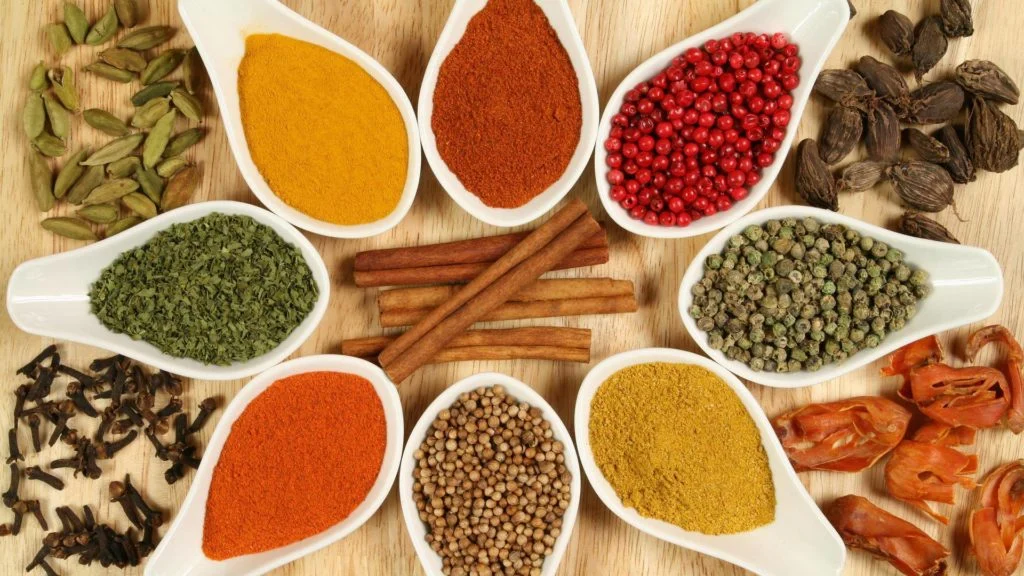

Spices have long captivated human imagination, not merely as flavoring agents but as symbols of wealth, power, and cross-cultural exchange. From the aromatic black pepper of India to the fragrant cinnamon of Sri Lanka and the exotic cloves of Indonesia, spices have traversed continents, shaped civilizations, and forged intricate networks of trade, diplomacy, and innovation. Their significance extends far beyond the kitchen: they have influenced medicine, religion, exploration, art, and global economies, leaving an indelible mark on human history.
The Origins of Spices
Spices derive from various parts of plants—seeds, bark, roots, flowers, and fruits—and are predominantly native to tropical and subtropical regions, where biodiversity and climate create ideal growing conditions. Many of the world’s most historically prized spices originated in Asia:
- Black Pepper (Piper nigrum): Indigenous to India’s Malabar Coast, black pepper was historically called “black gold” due to its immense value. In the Roman Empire, it was used as currency and prized for its preservative and culinary properties.
- Cinnamon (Cinnamomum verum): Native to Sri Lanka, cinnamon was considered so luxurious in antiquity that it was often reserved for royalty and religious rituals. Its aromatic bark became central to trade across the Mediterranean and Middle East.
- Cloves (Syzygium aromaticum) and Nutmeg (Myristica fragrans): From the Maluku Islands (the historic Spice Islands) in Indonesia, these spices commanded high prices in European markets due to their rarity and potent flavors.
- Ginger (Zingiber officinale): Originating in Southeast Asia, ginger was a key ingredient in both cuisine and traditional medicine, making it highly sought after by traders.
- Saffron (Crocus sativus): Cultivated in regions such as Iran, Greece, and Kashmir, saffron was prized not only for its flavor but also for its vibrant color and medicinal qualities.
Beyond flavor, spices were valued for preservation, medicinal properties, and ritual significance. Many were believed to ward off disease, improve digestion, or act as aphrodisiacs, while others played integral roles in religious ceremonies, embalming, and spiritual practices.
Spices and the Birth of Global Trade
The allure of spices was a major catalyst for the creation of international trade networks, connecting distant regions and facilitating cultural exchange.
Ancient Trade Routes
- The Silk Road: This overland route, famous for silk, also transported cinnamon, black pepper, saffron, and other spices from Asia to the Mediterranean. Merchants, scholars, and pilgrims traversed these routes, creating early conduits of knowledge and culture.
- Maritime Spice Routes: Indian, Arab, and Southeast Asian traders established seaborne networks linking the Malabar Coast, the Maluku Islands, and China to the Middle East and Europe. Ships carried spices alongside precious metals, textiles, and other luxury goods.
- Roman Demand: Roman fascination with exotic flavors fueled a steady stream of spices from India and Sri Lanka. Pepper, cinnamon, and ginger became highly sought-after commodities, fostering trade empires that controlled supply chains.
Medieval and Early Modern Europe
During the Middle Ages, European fascination with spices surged, influencing both cuisine and societal norms. Spices symbolized status, wealth, and sophistication, transforming meals into expressions of power and refinement.
- Venice and Genoa: These Italian city-states controlled much of Europe’s spice imports, serving as hubs for distribution and commerce. The high profits associated with spice trading helped fund architectural, artistic, and scientific achievements.
- Portuguese Exploration: Driven by the desire for direct access to spice sources, explorers like Vasco da Gama navigated around Africa to India, inaugurating an era of global maritime exploration.
- Dutch and British Monopolies: The Dutch East India Company (VOC) and later the British East India Company established colonies, plantations, and trade monopolies, often exploiting local populations and ecosystems to control the flow of spices.
Spices were so economically significant that wars, treaties, and entire colonial strategies revolved around them. Control over spice-producing regions directly influenced wealth accumulation, political power, and global influence.
Culinary Influence Across Cultures
Spices transformed cuisines worldwide, enabling the development of complex flavor profiles and new culinary traditions.
- Enhancing Flavor: Spices like black pepper, cloves, cardamom, and nutmeg added depth, heat, and aroma, creating a global palette of taste.
- Preservation and Safety: Before refrigeration, spices helped prevent spoilage, masked undesirable flavors, and reduced microbial growth, making them vital for food safety.
- Cultural Identity: Regional spice blends became markers of identity and tradition. Indian garam masala, Middle Eastern baharat, Moroccan ras el hanout, and European mulled spices each reflect unique intersections of local taste and global influence.
Culinary use of spices also facilitated cross-cultural fusion, as ingredients from Asia, Africa, and the Americas merged in European kitchens, and vice versa, creating dishes that combined centuries of knowledge and experimentation.
Medicinal and Ritual Significance
Spices were long regarded as therapeutic agents, forming the backbone of traditional medicine systems such as Ayurveda, Traditional Chinese Medicine, and Unani practices.
- Ayurveda: Spices such as turmeric, black pepper, and ginger were prescribed to balance bodily humors (doshas) and treat digestive, respiratory, and inflammatory conditions.
- Traditional Chinese Medicine: Cinnamon, star anise, and clove were used to stimulate circulation, improve digestion, and warm the body.
- Religious and Ceremonial Roles: Frankincense, myrrh, saffron, and cardamom were used in incense, rituals, and sacred offerings, demonstrating spices’ spiritual significance.
This multifaceted importance extended their influence beyond the kitchen, making spices central to both health practices and cultural rituals.
Spices and Exploration
The European pursuit of spices fueled the Age of Exploration, reshaping global geography, economies, and power dynamics.
- Portuguese Navigators: Seeking alternative routes to bypass Venetian and Arab intermediaries, Vasco da Gama’s successful voyage to India opened direct maritime access to spice-rich regions.
- Dutch and British Expansion: Colonization of Southeast Asian islands ensured monopoly control over clove, nutmeg, and mace production, dramatically impacting local societies and ecosystems.
- The Columbian Exchange: The global movement of crops and spices altered diets worldwide. Chili peppers, originating in the Americas, became essential in Indian, Chinese, and Southeast Asian cuisines, demonstrating how spices continually adapt to new cultures.
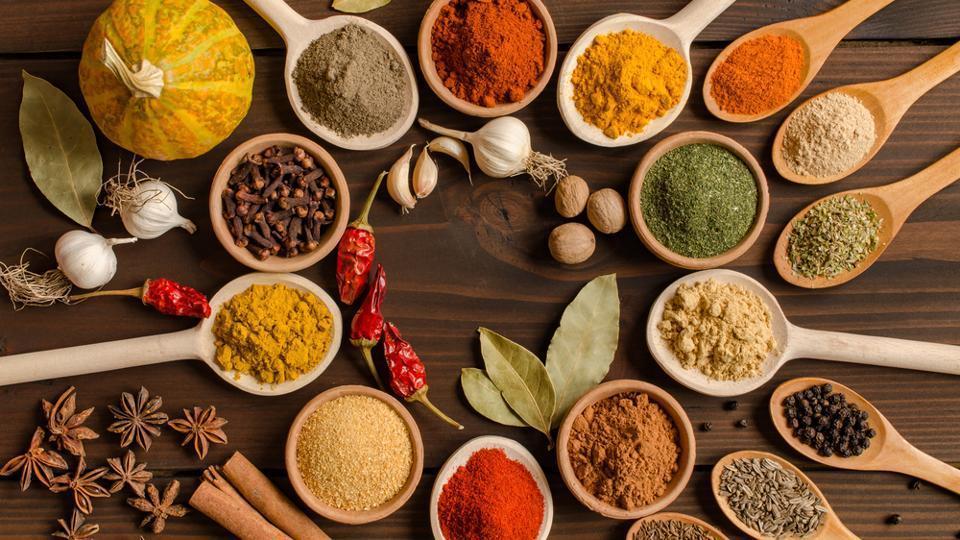
Economic and Cultural Implications
Spices have historically been a lens through which we can understand global economic systems, cultural exchange, and social hierarchies.
- Economic Power: Nations controlling spice sources accumulated immense wealth, funding wars, art, scientific exploration, and urban development.
- Cultural Exchange: Spices facilitated dialogue between cultures, introducing new tastes, cooking techniques, and trade customs.
- Social Symbolism: The use of spices signified wealth and refinement. Banquets showcasing imported spices were demonstrations of power, sophistication, and cosmopolitanism.
Even today, spices influence global markets, agricultural practices, and international trade policies, underscoring their enduring economic and cultural relevance.
Modern Perspectives
In contemporary society, spices remain essential to both gastronomy and science.
- Culinary Innovation: Chefs and food scientists explore spices’ versatility, blending traditional knowledge with modern techniques to create novel flavors.
- Health and Nutrition: Research confirms anti-inflammatory, antioxidant, and antimicrobial properties of many spices, bridging traditional wisdom with modern medicine.
- Sustainable Practices: Awareness of historical exploitation in the spice trade has led to initiatives promoting fair trade, ethical sourcing, and ecological sustainability, ensuring that global demand does not harm local communities or environments.
Conclusion
Spices are far more than simple flavor enhancers. They are catalysts of human history, shaping exploration, trade, medicine, culture, and identity. Their journey from tropical forests and islands to global markets reflects centuries of curiosity, ingenuity, and human ambition.
From the aromatic markets of medieval Venice to contemporary gourmet kitchens, spices continue to bridge cultures and continents, connecting people through taste, tradition, and shared history. Understanding the origins and influence of spices allows us to appreciate not only their culinary value but also their profound impact on global culture and economy.
In essence, spices illustrate how nature’s gifts can transcend their immediate function, influencing politics, trade, health, and art. They are a testament to human ingenuity and the enduring desire to explore, connect, and transform the world through taste.
Spices, therefore, are not merely ingredients—they are symbols of global interconnectedness, representing the intricate tapestry of human civilization and the ongoing dialogue between nature, culture, and commerce.