





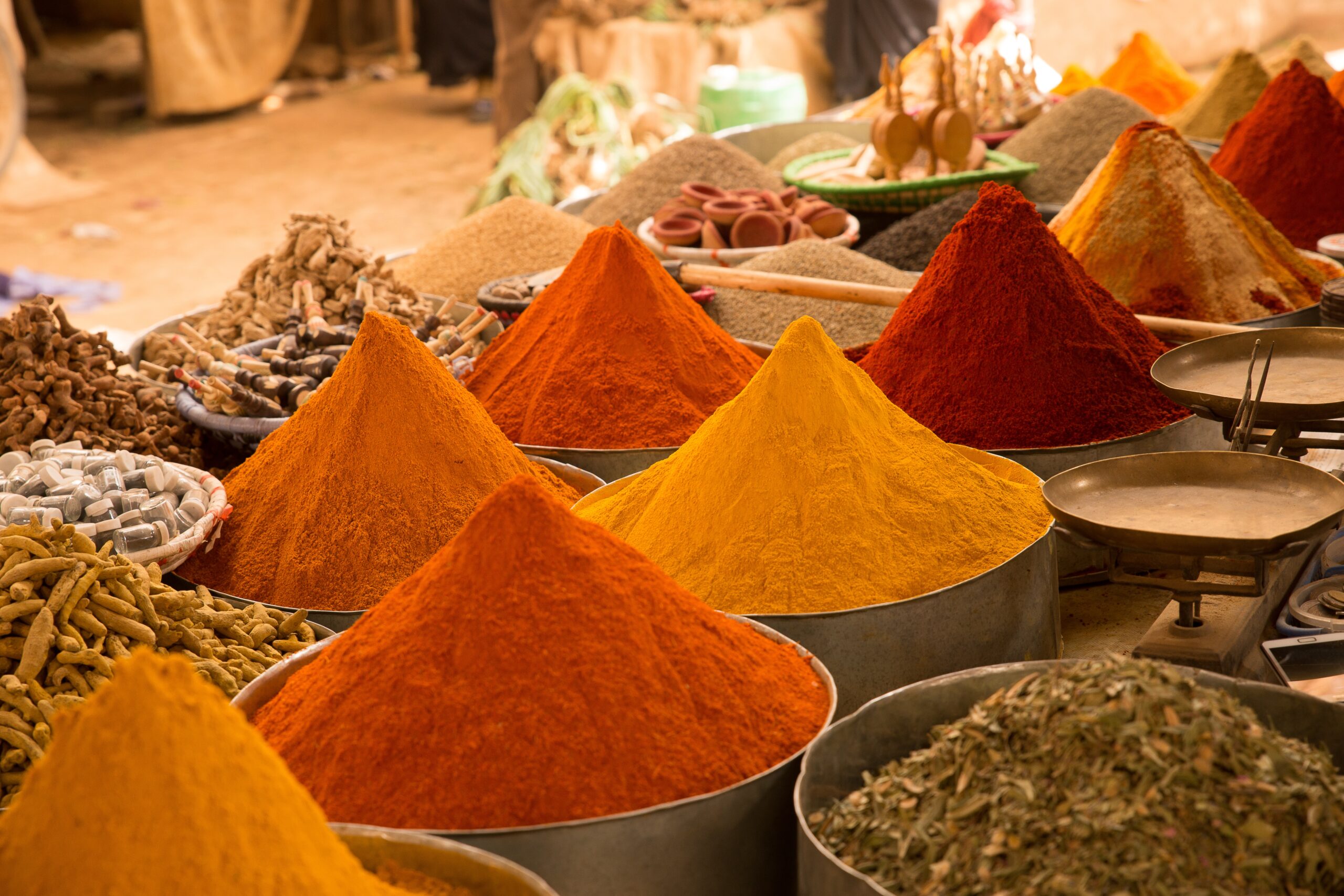

Spices have been an integral part of human civilization for thousands of years, influencing not only culinary traditions but also trade, culture, medicine, and geopolitics. From the pungent aroma of black pepper to the exotic scent of cinnamon, spices have shaped societies and economies across continents. Their history is a fascinating intersection of agriculture, exploration, and human curiosity, revealing how small seeds, roots, and bark could wield extraordinary influence over civilizations.
The Origins of Spices
Spices are derived from various parts of plants, including seeds, bark, roots, flowers, and fruits. Many of the most historically significant spices originated in tropical and subtropical regions due to the ideal combination of climate, soil, and biodiversity.
- Black Pepper (Piper nigrum): Native to the Malabar Coast of India, black pepper became known as the “king of spices” because of its culinary versatility and economic value. It was so highly prized in ancient Rome that it was sometimes used as currency.
- Cinnamon (Cinnamomum verum): Native to Sri Lanka and southern India, cinnamon’s sweet aroma and medicinal properties made it a luxury in the ancient world. Early Egyptian pharaohs used cinnamon in embalming, while Greeks and Romans incorporated it into perfumes and food.
- Cloves (Syzygium aromaticum): Indigenous to the Maluku Islands (the “Spice Islands”) in Indonesia, cloves were highly valued for their intense flavor and preservative properties.
- Nutmeg and Mace (Myristica fragrans): Also from the Maluku Islands, nutmeg seeds produce nutmeg and mace, the latter being the seed’s lacy outer covering. These spices were sought after in medieval Europe for culinary and medicinal purposes.
- Ginger (Zingiber officinale): Originating in Southeast Asia, ginger was traded extensively along early maritime routes, becoming essential in both cooking and medicine.
These spices were not only chosen for their taste and fragrance but also for their preservation properties, medicinal benefits, and symbolic value. Many were considered aphrodisiacs, preservatives, or remedies for digestive and respiratory ailments.
The Spice Trade: Connecting Civilizations
The pursuit of spices was a driving force behind some of the earliest global trade networks. Spices from Asia traveled along intricate overland and maritime routes to Europe, the Middle East, and Africa, influencing the development of commerce, navigation, and diplomacy.
Ancient Trade Routes
- The Silk Road: While primarily known for silk, this network also facilitated the exchange of spices such as cinnamon, saffron, and black pepper from Asia to the Mediterranean.
- Maritime Spice Routes: Indian, Arab, and Southeast Asian traders established sea routes linking the Malabar Coast, the Maluku Islands, and China with the Middle East and Europe. Ships carried spices alongside precious metals, textiles, and other luxury goods.
- The Roman Connection: Rome’s appetite for exotic flavors created a flourishing trade in pepper, cinnamon, and other spices. The high demand contributed to the wealth of empires controlling key trade nodes.
Medieval and Early Modern Europe
During the Middle Ages, European demand for spices skyrocketed, largely due to changes in cuisine, preservation needs, and the symbolic display of wealth. Spices became a status symbol, and entire social rituals were built around them.
- Venetian Monopoly: Venice controlled a significant portion of the European spice trade in the 13th and 14th centuries, importing spices from the East and distributing them across the continent.
- Portuguese and Dutch Expeditions: The search for direct access to spice sources fueled the Age of Exploration. Vasco da Gama’s voyage to India in 1498 and the Dutch East India Company’s dominance in the 17th century were directly linked to the lucrative spice trade.
- Economic and Political Impact: Control of spice-producing regions led to conflicts, colonization, and the establishment of trade empires. Spices were worth more than gold in some periods, underlining their immense economic power.
Culinary Influence
Spices revolutionized the way humans prepared and consumed food. Beyond their ability to enhance flavor, spices allowed for preservation, masking spoilage, and reducing foodborne illness in pre-refrigeration societies.
- Flavor Transformation: Black pepper, ginger, cloves, and cinnamon added depth, warmth, and complexity to dishes. The subtle interplay between sweet, sour, bitter, and pungent flavors expanded culinary creativity.
- Preservation: Spices such as cloves, nutmeg, and mustard seeds were valued for their antimicrobial properties, helping to prolong the shelf life of meats and sauces.
- Cultural Identity: Different regions developed signature spice blends that reflected local tastes, climate, and trade connections. Examples include Indian garam masala, Middle Eastern baharat, and European mulled spice mixtures.
Medicinal and Ritual Significance
Historically, spices were not merely culinary tools; they were central to medicine, spirituality, and ritual. Ancient texts, such as the Ayurvedic classics and Chinese materia medica, describe the therapeutic properties of spices for digestion, circulation, and immunity.
- Ayurveda: In India, spices such as turmeric, black pepper, and ginger were used to balance the body’s doshas and treat a variety of ailments.
- Traditional Chinese Medicine: Cinnamon, star anise, and clove were employed to stimulate circulation and warm the body.
- Religious and Ritual Use: Frankincense, myrrh, and saffron played essential roles in religious ceremonies, incense production, and embalming, underscoring spices’ symbolic and spiritual importance.
Spices and Exploration
The insatiable European demand for spices directly influenced global exploration. Nations competed to discover faster and safer routes to spice-rich regions, fueling maritime innovation and the spread of navigational knowledge.
- Portuguese Navigators: Vasco da Gama’s successful voyage around the Cape of Good Hope opened a sea route to India, establishing Portuguese dominance in the spice trade.
- Dutch and British Colonies: The Dutch East India Company (VOC) and later the British East India Company established plantations, monopolies, and fortresses in Southeast Asia, often exploiting local populations to control spice production.
- Columbian Exchange: While primarily focused on the Americas, the global redistribution of crops and spices reshaped diets and agriculture worldwide. Chili peppers, for instance, traveled from the Americas to Asia and Europe, becoming essential in Indian, Chinese, and Hungarian cuisines.
The Global Cultural Impact of Spices
Spices influenced not only what people ate but also how societies interacted, fought, and governed. Their cultural footprint is enormous:
- Language and Literature: Phrases like “worth one’s weight in gold” often referred to the value of spices. Literature, from travelogues to cookbooks, reflects the fascination with exotic flavors.
- Art and Architecture: The wealth generated from the spice trade funded art, architecture, and scientific exploration in Europe, including the construction of palaces, churches, and botanical gardens.
- Economic Systems: Spices were instrumental in shaping early global capitalism, trade monopolies, and mercantile policies, creating networks that evolved into modern economic globalization.
Modern Perspectives on Spices
Today, spices continue to be central to gastronomy, health, and culture. Advances in agriculture, global trade, and culinary science have expanded access, but their historical significance remains profound.
- Culinary Diversity: Chefs worldwide use spices to craft complex flavor profiles, often inspired by centuries-old traditions.
- Nutritional and Medicinal Research: Modern studies have validated the anti-inflammatory, antioxidant, and antimicrobial properties of many spices, linking ancient practices with contemporary science.
- Sustainability and Ethical Trade: The history of exploitation in the spice trade has led to modern initiatives emphasizing fair trade, ecological sustainability, and preservation of indigenous knowledge.
Conclusion
From the forests of the Maluku Islands to the bustling medieval markets of Venice, spices have shaped human civilization in remarkable ways. Their journey reflects a story of curiosity, ambition, and cultural exchange. Spices were catalysts for exploration, drivers of economies, instruments of medicine, and agents of cultural identity.
Understanding the origins and impact of spices is not merely an exploration of food history; it is an insight into how human societies have interacted with the natural world, each other, and the pursuit of flavor, wealth, and knowledge. The humble seeds, bark, and roots that once commanded empires continue to enchant palates, inspire creativity, and remind us that small elements of nature can profoundly shape the course of history.
Spices, in essence, are nature’s alchemy — transforming food, society, and civilization itself. They connect continents, bridge cultures, and continue to influence our culinary, medicinal, and economic landscapes, proving that even the tiniest ingredients can leave the largest impact.