






Introduction
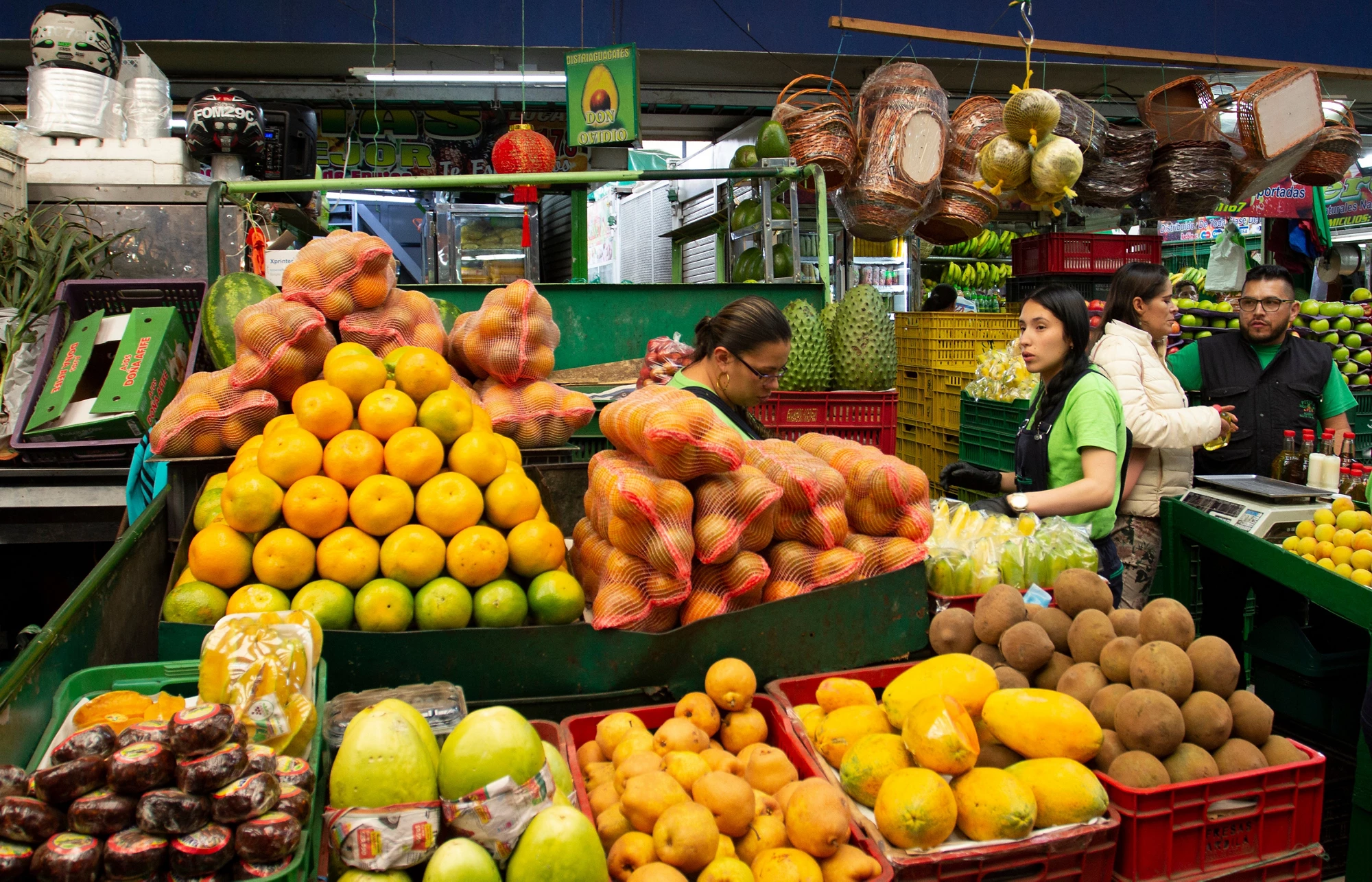
In the contemporary world, food travels more freely than ever before. A bowl of ramen in New York, tacos in Seoul, curry in London, or pizza in São Paulo are no longer novelties but everyday experiences. As ingredients, recipes, and cooking techniques move across borders, food has become one of the most accessible and influential forms of cultural exchange. Long before people learn a foreign language or visit another country, they often encounter other cultures through taste.
This phenomenon is not entirely new. Food has crossed borders for thousands of years through trade, migration, conquest, and diplomacy. What has changed is the scale, speed, and visibility of these exchanges. Global transportation networks, mass migration, digital media, and international tourism have transformed local cuisines into global presences. As a result, food now functions not only as sustenance or pleasure, but as a medium through which cultures meet, negotiate, and reshape one another.
Food’s power as a cultural mediator lies in its universality. Everyone eats, yet what and how people eat varies greatly. These differences invite curiosity, adaptation, and dialogue. Sharing food can reduce cultural distance, foster empathy, and challenge stereotypes. At the same time, cross-border food exchange raises questions about authenticity, appropriation, inequality, and cultural preservation.
This article examines how foods gradually cross national borders and become vehicles of cultural exchange. It explores historical patterns of food movement, the role of migration and globalization, the social meanings of culinary adaptation, and the challenges and opportunities that arise when cuisines travel. By analyzing food as a dynamic cultural language, we can better understand how everyday eating practices shape global cultural interaction.
1. Historical Roots of Cross-Border Food Exchange
1.1 Trade Routes and Early Culinary Globalization
Food exchange across borders began with trade. Ancient trade routes such as the Silk Road, the Spice Routes, and trans-Saharan networks facilitated the movement of ingredients long before modern globalization. Spices from South and Southeast Asia reached the Middle East and Europe; tea traveled from China to Central Asia and beyond; grains, fruits, and fermentation techniques moved gradually across regions.
These exchanges transformed local cuisines. Italian cooking without tomatoes, Indian food without chili peppers, or Thai cuisine without peanuts would be almost unrecognizable today. Yet these ingredients were once foreign imports. Over time, they were integrated, localized, and redefined as “traditional,” illustrating how cultural exchange through food is often invisible in retrospect.
1.2 Colonization, Power, and Unequal Exchange
Colonial expansion intensified food exchange, but not always on equal terms. European colonization of the Americas, Africa, and Asia reshaped global food systems through forced labor, monoculture plantations, and extractive trade. Crops such as sugar, coffee, cocoa, and bananas became global commodities tied to systems of exploitation.
At the same time, colonized regions absorbed foreign food practices, sometimes under coercion. Bread replaced indigenous staples in some areas; imported tastes were associated with status and modernity. These dynamics reveal that food exchange is not purely cultural or neutral—it is deeply connected to power relations. Understanding this history is essential to interpreting modern food globalization.
2. Migration and the Movement of Food Cultures
2.1 Migrant Communities as Cultural Carriers
Migration has been one of the most significant drivers of cross-border food exchange. When people move, they bring their culinary traditions with them. Recipes, cooking techniques, and food rituals become tools for preserving identity in unfamiliar environments.
Migrant foodways often begin in private spaces—family kitchens, community gatherings, religious events. Over time, they enter the public sphere through restaurants, markets, and street food. What starts as a means of cultural survival can evolve into a bridge between communities, allowing host societies to engage with migrant cultures through food.
2.2 Adaptation and Hybridization
As migrant cuisines encounter new environments, adaptation becomes inevitable. Ingredients may be unavailable or expensive; local tastes may differ; economic pressures may require simplification. The result is often a hybrid cuisine that blends elements of the original culture with those of the host society.
These hybrid foods—such as Chinese-American dishes, Indo-Caribbean curries, or Mexican-Korean fusion—are sometimes criticized as inauthentic. However, they represent living cultural processes. Rather than diluting culture, hybrid cuisines reflect negotiation, creativity, and the reality of multicultural identities.
3. Food as a Language of Cultural Communication
3.1 Taste as a Gateway to Understanding
Food communicates culture in ways that words often cannot. Through taste, texture, and aroma, people encounter unfamiliar histories and values. A meal can introduce concepts of hospitality, family structure, religious practice, or environmental adaptation.
Because food engages the senses directly, it can reduce resistance to cultural difference. People may be more willing to try a foreign dish than to engage with abstract cultural ideas. In this sense, food acts as a soft form of cultural diplomacy, fostering openness and curiosity.
3.2 Shared Meals and Social Bonds
Across cultures, sharing food signifies trust and belonging. When foods cross borders and are shared in multicultural settings, they create opportunities for social connection. International food festivals, community potlucks, and neighborhood restaurants serve as informal spaces of cultural exchange.
These everyday interactions may seem small, but their cumulative impact is significant. Repeated exposure to other cultures through food can normalize diversity and challenge simplistic or prejudiced views.
4. Globalization and the Acceleration of Culinary Exchange
4.1 The Role of Media and Technology
Modern media has dramatically accelerated the spread of food cultures. Television shows, online videos, food blogs, and social media platforms turn local dishes into global trends almost overnight. A regional specialty can gain international recognition within weeks.
This visibility has both positive and negative effects. On one hand, it allows marginalized or lesser-known cuisines to gain appreciation and economic opportunities. On the other hand, it can lead to oversimplification, stereotyping, or commercialization detached from cultural context.
4.2 Tourism and Experiential Eating
International tourism has also played a major role in culinary exchange. Travelers increasingly seek “authentic” food experiences, viewing local cuisine as an essential part of cultural exploration. This demand encourages the preservation and promotion of traditional foods, but it can also reshape them to meet tourist expectations.
In some cases, dishes are modified to suit foreign palates, raising questions about whose preferences define authenticity. Food thus becomes a site where economic interests and cultural representation intersect.
5. From National Cuisine to Global Identity
5.1 The Reinvention of National Foods Abroad
When foods cross borders, they often take on new meanings. A dish that is ordinary at home may become a symbol of national identity abroad. For diaspora communities, serving national food can be an act of representation and pride.
At the same time, global popularity can freeze a cuisine into a limited set of recognizable dishes, overshadowing regional diversity. While global recognition brings visibility, it may also constrain how a culture is perceived.
5.2 Food and Soft Power
Some countries actively use food as a tool of cultural influence. Culinary diplomacy initiatives, international food festivals, and chef exchanges promote national cuisines as part of broader cultural branding strategies.
These efforts acknowledge food’s ability to shape global perceptions. A positive association with a country’s food can translate into interest in its language, history, and values. Food thus operates as a subtle but powerful form of soft power.
6. Ethical Questions in Cross-Border Food Exchange
6.1 Cultural Appropriation vs. Cultural Appreciation
As foods become global, debates arise over cultural appropriation. Who has the right to cook, sell, or modify a cultural dish? When does adaptation become exploitation?
While there are no simple answers, context matters. Power imbalances, economic benefit, and respect for cultural origins all influence how food exchange is perceived. Thoughtful engagement requires acknowledging sources, listening to cultural voices, and avoiding reduction of traditions to mere trends.
6.2 Inequality in Global Food Systems
Global food exchange does not affect all cultures equally. While some cuisines gain global prestige and profit, others remain undervalued. Farmers and food workers in producing regions often receive little benefit from global demand.
Addressing these inequalities involves rethinking supply chains, supporting fair trade, and recognizing the cultural labor behind food. Ethical food exchange must consider not only taste and popularity, but also justice and sustainability.
7. Food, Identity, and Belonging in a Globalized World
7.1 Multicultural Identities and Everyday Eating
For individuals living in multicultural societies, daily food choices often reflect layered identities. Eating habits may blend childhood traditions with global influences, creating personal food cultures that defy national categories.
These practices illustrate how cultural exchange through food shapes not only societies but individual identities. Food becomes a way to navigate belonging, memory, and change.
7.2 Preservation Through Exchange
Paradoxically, the global movement of food can help preserve cultural traditions. Increased interest in traditional cuisines can inspire documentation, revival of old techniques, and intergenerational transmission.
When managed with respect, cross-border food exchange can strengthen rather than weaken cultural heritage, ensuring its relevance in a changing world.
8. The Future of Food as Cultural Exchange
8.1 Sustainability and Local Knowledge
As global challenges such as climate change and resource depletion intensify, traditional food knowledge gains new importance. Many cuisines that travel across borders are rooted in sustainable practices developed over centuries.
Sharing these practices globally can contribute to more resilient food systems. Cultural exchange through food thus becomes not only a social process, but a practical response to global problems.
8.2 Toward Mutual Understanding
The future of cross-border food exchange depends on balance: between innovation and respect, accessibility and depth, enjoyment and responsibility. When food is treated as a cultural language rather than a commodity alone, it can promote mutual understanding.
Learning the stories behind dishes, acknowledging their origins, and engaging with the people who carry these traditions transform eating into a meaningful cultural act.
Conclusion
As foods gradually cross national borders, they become far more than items on a menu. They turn into media of cultural exchange—vehicles for memory, identity, dialogue, and transformation. Through food, cultures meet not in abstract theory but in everyday practice, at the shared table.
The global circulation of food reveals both the interconnectedness of humanity and the importance of cultural specificity. While globalization accelerates exchange, it also demands greater awareness of history, power, and ethics. Food teaches us that culture is not static; it moves, adapts, and grows through contact.
Ultimately, engaging with food from other cultures is an invitation: to taste, to listen, and to understand. In a world often divided by borders and differences, food offers a common ground—one meal at a time—where cultural exchange becomes not only possible, but deeply human.