





Introduction
Corn—known as maíz in Spanish and tlaolli in Nahuatl—is far more than a staple food in Mexico. It is a foundational element of Mexican civilization, a sacred symbol embedded in myth and ritual, and a living thread that connects the ancient past to the contemporary present. To speak of Mexican culture without speaking of corn is, in many ways, impossible. Corn shapes daily meals, agricultural systems, religious beliefs, social structures, and even language. It is at once ordinary and sacred, humble and profound.
Mexico is the birthplace of maize. Thousands of years ago, Indigenous peoples transformed a wild grass called teosinte into one of the world’s most productive and versatile crops. From this remarkable act of domestication emerged not only food security, but also a worldview in which humans and corn are inseparably linked. Ancient myths tell us that humans were literally made from corn dough; modern rural communities still speak of corn as a living being that must be respected, cared for, and thanked.
This article explores Mexican corn culture as a comprehensive system that integrates agriculture, cuisine, spirituality, economy, and identity. Through historical analysis, anthropological insight, and culinary exploration, it examines how corn has shaped Mexico—and how Mexico continues to shape corn—in a dynamic relationship spanning millennia. More than a food history, this is a story of resilience, knowledge, and cultural continuity in the face of globalization and change.
1. Origins of Maize: Mexico as the Cradle of Corn
1.1 Domestication from Teosinte
The story of corn begins in Mesoamerica over 9,000 years ago. Archaeological and genetic evidence points to southern Mexico, particularly the Balsas River Valley, as the primary site where early farmers domesticated teosinte. Unlike modern corn, teosinte has small, hard kernels encased in a tough shell and offers little nutritional value without processing. Through patient selection and experimentation, Indigenous farmers transformed this wild grass into maize with larger cobs, softer kernels, and greater yields.
This process was neither accidental nor quick. It required deep ecological knowledge, observation across generations, and a reciprocal relationship with the land. The domestication of corn represents one of humanity’s greatest agricultural achievements and laid the foundation for complex societies such as the Olmec, Maya, Zapotec, and Mexica (Aztec).
1.2 Corn and the Rise of Mesoamerican Civilizations
Once domesticated, maize enabled population growth, urbanization, and cultural specialization. Corn was storable, transportable, and adaptable to diverse climates, from highland valleys to tropical lowlands. It became the backbone of Mesoamerican economies and supported the development of writing, astronomy, architecture, and governance.
In many ways, corn was civilization. The agricultural calendar structured social life; planting and harvest seasons were tied to rituals and festivals. Knowledge of corn cultivation was synonymous with knowledge of survival and prosperity.
2. Corn in Mythology and Worldview
2.1 Humans Made of Corn
In Mesoamerican cosmology, corn is not merely food—it is life itself. The Popol Vuh, the sacred book of the Maya, tells the story of human creation: after several failed attempts using mud and wood, the gods finally succeeded by forming humans from ground corn mixed with water. These corn people could speak, think, and worship.
Similarly, the Mexica believed that the god Quetzalcoatl retrieved corn from the Mountain of Sustenance to give it to humanity. Corn thus represents divine generosity and cosmic balance. To eat corn is to participate in a sacred cycle linking gods, humans, and nature.
2.2 Deities of Corn
Corn had its own gods and goddesses. Among the Mexica, Centeotl was the male corn deity, while Chicomecóatl represented sustenance and abundance. The Maya worshipped Yum Kaax, the god of maize and agriculture. These deities were honored through offerings, dances, and ceremonies that emphasized gratitude and responsibility rather than domination over nature.
3. The Milpa System: Sustainable Agriculture in Practice
3.1 What Is the Milpa?
The milpa is a traditional agricultural system that exemplifies Indigenous ecological knowledge. Rather than monoculture farming, the milpa interplants corn, beans, squash, chili, and other crops in a mutually supportive arrangement. Corn provides a stalk for beans to climb; beans fix nitrogen in the soil; squash covers the ground to prevent weeds and retain moisture.
This system is productive, resilient, and environmentally sustainable. It supports biodiversity, maintains soil health, and reduces dependence on chemical inputs.
3.2 Cultural and Social Dimensions of the Milpa
Beyond agriculture, the milpa is a social space. Families work together to plant, weed, and harvest. Knowledge is passed orally from elders to youth. Songs, prayers, and offerings accompany each stage of cultivation. The milpa reinforces community bonds and cultural identity, making agriculture a deeply human and spiritual activity.
4. Nixtamalization: Science, Nutrition, and Culture
4.1 The Process Explained
One of the most important innovations in corn culture is nixtamalization, a process developed by Indigenous peoples of Mexico. Dried corn is cooked and soaked in an alkaline solution made from lime (calcium hydroxide), then washed and ground into dough (masa).
4.2 Nutritional Significance
Nixtamalization dramatically improves the nutritional value of corn. It increases calcium content, makes niacin bioavailable, and enhances protein quality. Without this process, populations relying heavily on corn risk malnutrition. The absence of nixtamalization in parts of Europe and Africa where corn was introduced led historically to diseases such as pellagra.
This process demonstrates Indigenous scientific knowledge—empirical, effective, and essential to public health.
5. Corn in Mexican Cuisine: Diversity and Regional Expression
5.1 Tortillas: The Heart of the Table
The tortilla is the most iconic expression of Mexican corn culture. Handmade corn tortillas, warm from the comal, are both utensil and food. They accompany nearly every meal and vary by region in thickness, size, and color.
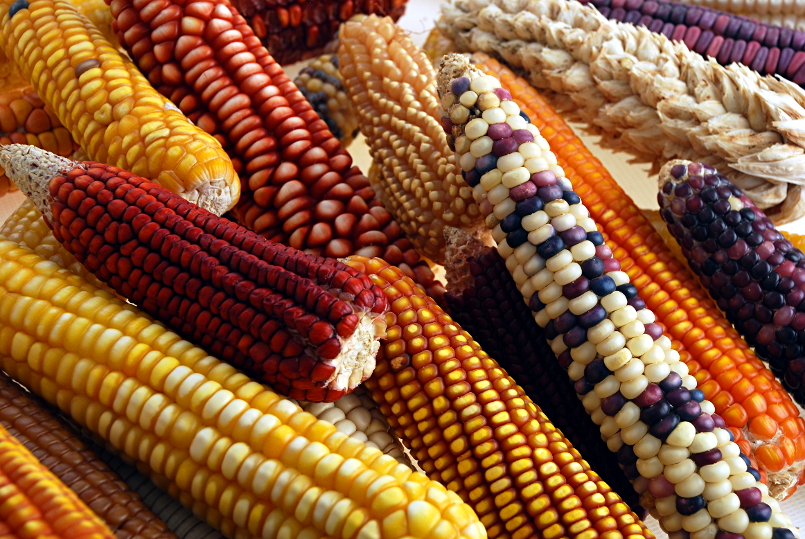
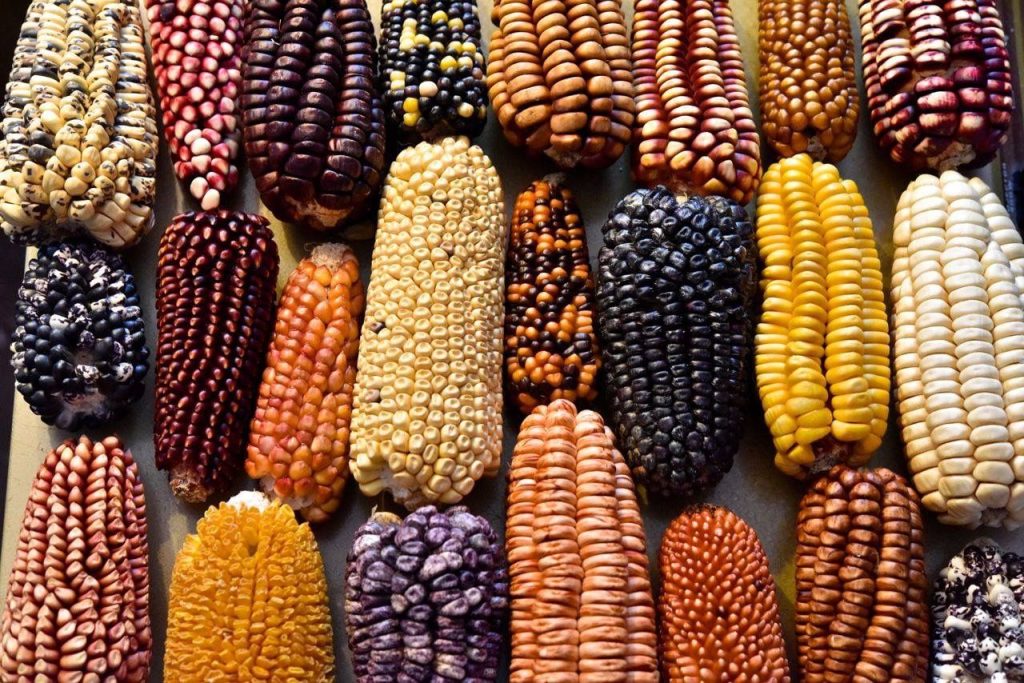
Blue, white, red, and yellow corn varieties each produce tortillas with distinct flavors and textures. In many rural households, making tortillas is a daily ritual, often performed by women whose skill is a source of pride and identity.
5.2 Tamales, Atoles, and Beyond
Corn appears in countless forms:
- Tamales: Corn dough filled with meats, vegetables, or sweets, wrapped in corn husks or banana leaves, and steamed.
- Atole: A warm corn-based beverage flavored with cinnamon, chocolate, or fruit.
- Pozole: A ceremonial soup made with nixtamalized corn kernels (hominy) and meat.
- Tlacoyos, sopes, gorditas: Regional corn dough dishes that reflect local tastes and histories.
Each dish carries social meaning and is often associated with festivals, life-cycle events, or religious celebrations.
6. Corn and Mexican Identity
6.1 “Sin Maíz No Hay País”
The phrase “Sin maíz no hay país” (“Without corn, there is no country”) encapsulates the centrality of maize to Mexican identity. Corn is not only a food but a symbol of sovereignty, continuity, and resistance.
Indigenous and campesino movements use corn as an emblem in struggles for land rights, food autonomy, and cultural recognition. Defending native corn varieties is seen as defending Mexico itself.
6.2 Language, Art, and Daily Life
Corn permeates Mexican language and art. Proverbs, songs, and metaphors reference corn growth and harvest. Contemporary artists and writers use maize imagery to explore themes of identity, migration, and memory. Cornfields, cobs, and tortillas appear in murals, textiles, and rituals, reinforcing corn’s presence in both public and private life.
7. Biodiversity: Native Corn Varieties of Mexico
7.1 A Center of Genetic Diversity
Mexico is home to more than 60 recognized landraces of corn, each adapted to specific climates, altitudes, and cultural uses. This diversity is a global treasure, providing genetic resources crucial for climate resilience and food security.
7.2 Threats to Native Corn
Industrial agriculture, genetically modified corn, and trade policies threaten native varieties. When traditional seeds are lost, so too is the knowledge embedded within them. Conservation efforts by Indigenous communities, scientists, and activists aim to protect this living heritage through seed banks, community exchanges, and sustainable farming practices.
8. Corn in the Modern Era: Challenges and Continuity
8.1 Globalization and Industrialization
Mexico is paradoxically both the birthplace of corn and one of the world’s largest importers of industrial maize. Processed foods, fast food chains, and economic pressures have altered diets and agricultural practices, leading to health and environmental concerns.
8.2 Cultural Revival and Culinary Movements
In response, there is a growing movement to reclaim traditional corn culture. Artisanal tortilla makers, chefs, and farmers emphasize native corn, traditional techniques, and local sourcing. This revival connects gastronomy with social justice and environmental sustainability.
9. Corn as a Living Relationship
Corn culture in Mexico is not static; it evolves while maintaining deep roots. Each planting season renews a covenant between humans and the earth. Each tortilla carries centuries of history and care. Corn teaches patience, reciprocity, and respect—values urgently needed in a rapidly changing world.
Conclusion
The corn culture of Mexico is a testament to human ingenuity, resilience, and ethical relationship with nature. From ancient domestication to modern kitchens, from sacred myths to everyday meals, corn remains at the heart of Mexican life. It is food, memory, science, and spirit woven into one.
Understanding Mexican corn culture means recognizing that food is never just sustenance. It is identity made edible, history made present, and culture made tangible. In honoring corn, Mexico honors itself—and offers the world a powerful example of how tradition and sustainability can grow together from the same seed.