






Introduction
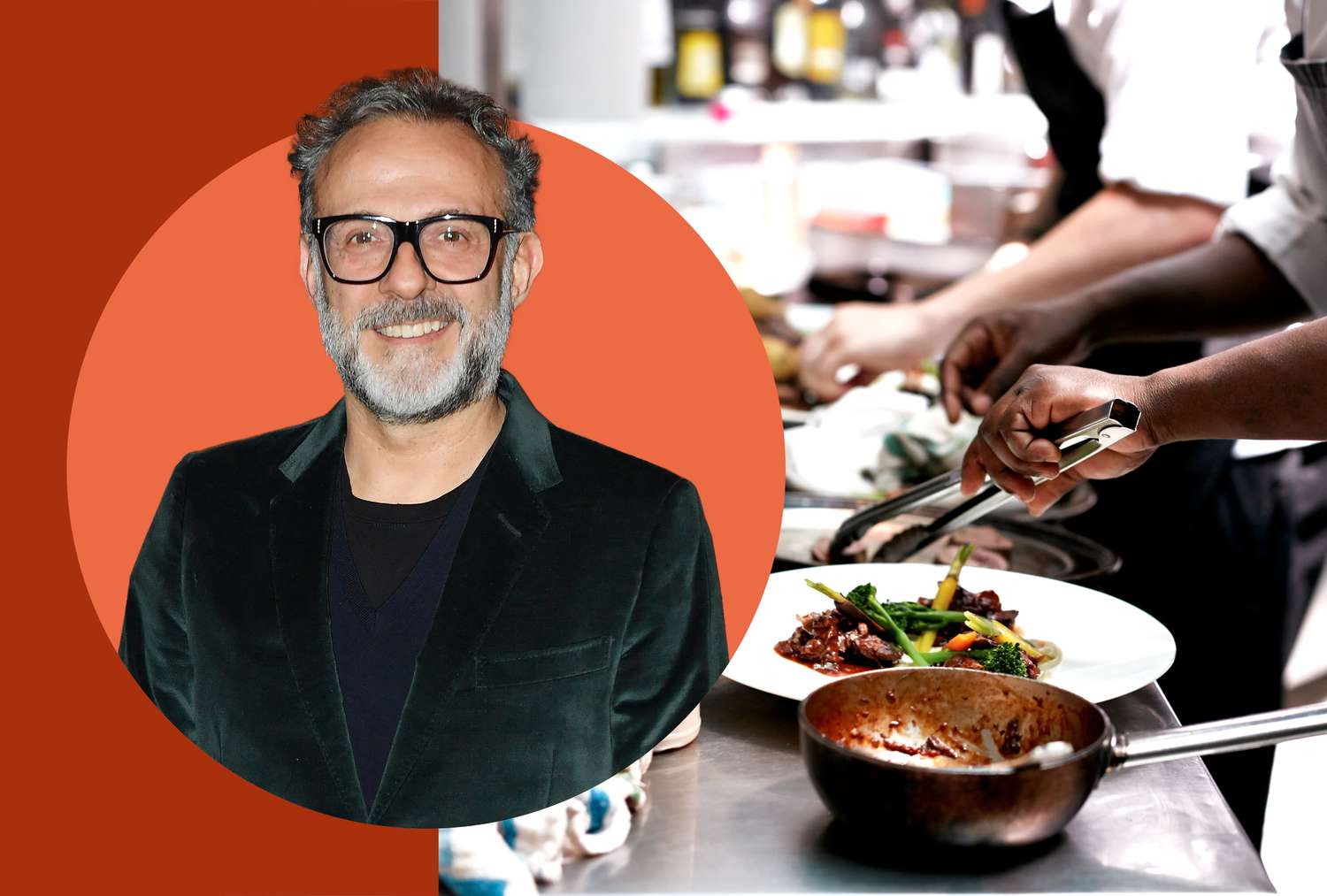
Massimo Bottura, one of the world’s most celebrated chefs, has transformed the way chefs and diners perceive not only fine dining but also sustainability in gastronomy. Renowned for his Michelin three-star restaurant, Osteria Francescana, Bottura merges Italian culinary tradition with bold, modern techniques. However, beyond his artistry in flavor and presentation, Bottura has become a leading voice in tackling one of the most pressing challenges in global food culture: food waste.
Food waste is a complex problem that spans the supply chain—from agricultural overproduction to consumer behavior. Globally, nearly one-third of all food produced is wasted, contributing to environmental degradation, greenhouse gas emissions, and economic loss. Bottura’s approach is notable for combining culinary innovation, ethical responsibility, and social engagement to combat this issue.
This article explores Massimo Bottura’s philosophy, strategies, and projects addressing food waste, with a focus on his professional practices, community initiatives, and global impact. We examine how Bottura’s work demonstrates that sustainability and gourmet excellence are not mutually exclusive, and how creative chefs can lead social change by rethinking the lifecycle of ingredients.
1. Understanding the Global Food Waste Crisis
1.1 Scope and Impact
Food waste is a critical global issue. Key statistics highlight its magnitude:
- Approximately 1.3 billion tons of food are wasted annually worldwide.
- Wasted food accounts for nearly 8% of global greenhouse gas emissions.
- Economic losses exceed $1 trillion per year, including costs for production, transport, and disposal.
Beyond the environmental and economic dimensions, food waste has profound ethical implications. Millions of people face food insecurity while edible food is discarded or overlooked.
1.2 Sources of Food Waste
Food waste occurs at multiple stages:
- Agricultural stage: Crop overproduction, pests, and cosmetic standards lead to discarded produce.
- Distribution and retail: Unsold inventory, expiration dates, and supply chain inefficiencies.
- Hospitality and culinary sectors: Overproduction in restaurants, plate waste, and mismanagement of surplus ingredients.
- Household consumption: Misjudgment of portions, misunderstanding expiration dates, and lack of meal planning.
Chefs like Bottura focus primarily on culinary-level waste, which, while smaller in volume than retail or household waste, holds significant symbolic and educational value.
2. Massimo Bottura: Chef, Innovator, and Social Advocate
2.1 Culinary Philosophy
Bottura is known for his modern reinterpretation of traditional Italian cuisine, emphasizing flavor, emotion, and narrative. At Osteria Francescana, he deconstructs classic dishes and reimagines them in ways that surprise diners while retaining the essence of the originals.
This philosophy extends naturally to food waste management. Bottura approaches every ingredient as valuable and expressive, seeking to maximize its utility while minimizing environmental impact.
2.2 From Culinary Experimentation to Sustainability
Bottura’s sustainability ethos can be summarized in three principles:
- Respect for Ingredients: Every element on the plate has potential; nothing should be discarded unnecessarily.
- Creativity in Use: Surplus or “imperfect” ingredients are transformed into gourmet experiences.
- Social Responsibility: Food waste initiatives are integrated with community engagement, feeding the hungry and raising awareness.
3. Osteria Francescana: Leading by Example
3.1 Kitchen Practices
Within his restaurant, Bottura implements practical strategies to reduce waste:
- Whole-ingredient utilization: Using stems, peels, and leaves creatively in stocks, garnishes, and sauces.
- Inventory optimization: Planning menus based on seasonal and available ingredients.
- Menu flexibility: Daily adaptation allows surplus or imperfect ingredients to be incorporated efficiently.
- Portion control and tasting menus: Reduces plate waste while allowing diners to experience multiple courses.
These practices demonstrate that high-end gastronomy can be aligned with environmental responsibility without compromising quality.
3.2 Creative Dishes from “Waste” Ingredients
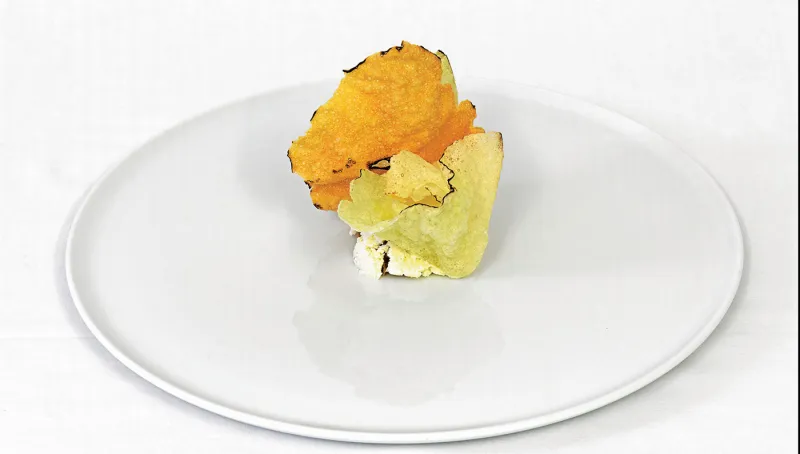
Bottura has turned discarded or surplus ingredients into celebrated dishes. Examples include:
- Bread-based creations: Transforming stale bread into gourmet appetizers.
- Vegetable peel emulsions: Using skins for flavor and texture enhancement.
- Imperfect fruit desserts: Highlighting natural beauty and flavor in aesthetically unconventional ways.
These innovations exemplify his belief that culinary excellence and sustainability are complementary, not contradictory.
4. Food for Soul: Bottura’s Global Social Initiative
4.1 Origins and Mission
In 2016, Bottura founded Food for Soul, a non-profit organization aimed at fighting food waste and social exclusion through community kitchens. The initiative collaborates with chefs, volunteers, and local authorities to recover surplus food from events, markets, and retailers, converting it into nutritious meals for vulnerable populations.
Key principles of Food for Soul:
- Transform surplus into dignity, emphasizing the value of food and human connection.
- Educate communities on sustainable consumption.
- Promote culinary creativity as a social tool, turning waste into opportunity.
4.2 Refettorio Projects
Bottura’s Food for Soul has established Refettorios—community dining spaces in major cities such as Milan, Rio de Janeiro, London, Paris, and Bologna.
Features include:
- Recovery of surplus ingredients from local suppliers and events
- Professional chefs creating nutritious, attractive meals
- Inclusion of social programs, community engagement, and education
- Collaborative partnerships with local governments and volunteers
The Refettorio model demonstrates that food waste can be transformed into cultural and social enrichment, elevating community dining experiences.
4.3 Culinary and Educational Impact
Refettorios also serve as educational platforms, teaching:
- Chefs and students about sustainable cooking techniques
- Communities about responsible consumption
- Event organizers about food recovery logistics
Through these efforts, Bottura has shown that sustainability in gastronomy is a matter of both practice and pedagogy.
5. Integration of Modern Culinary Techniques
5.1 Innovation in Waste Management
Bottura integrates modern culinary science to reduce waste:
- Sous-vide cooking preserves ingredient integrity and extends shelf life
- Vacuum sealing allows controlled storage and reduces spoilage
- Fermentation transforms perishable ingredients into long-lasting, flavorful components
5.2 Rethinking Aesthetics
Bottura challenges traditional aesthetics by creating visually stunning dishes from ingredients often discarded. This approach redefines the perception of “imperfection” in food, encouraging diners to appreciate all edible matter.
6. Cultural and Ethical Significance
6.1 Ethical Leadership in Gastronomy
Bottura demonstrates that chefs can act as ethical leaders, influencing consumer behavior, supply chains, and societal norms.
- Promotes mindfulness about resource usage
- Encourages chefs worldwide to embrace responsibility beyond taste
- Elevates culinary arts as a vehicle for social change
6.2 Shifting Public Perception
By combining high gastronomy with waste reduction, Bottura challenges the perception that sustainability requires compromise. He illustrates that luxury dining can be environmentally responsible, inspiring a broader shift in cultural attitudes toward food.
7. Global Influence and Advocacy
Bottura’s work has influenced chefs, restaurateurs, and policymakers internationally:
- Michelin-starred chefs are increasingly incorporating waste-reduction techniques
- Culinary institutions include sustainability modules in professional training
- Governments and NGOs adopt Food for Soul principles for local food recovery programs
His philosophy emphasizes systemic change, showing that individual kitchens can have global impact.
8. Challenges and Lessons Learned
8.1 Obstacles in Reducing Food Waste
Even high-profile initiatives face challenges:
- Supply chain unpredictability
- Consumer resistance to using “imperfect” ingredients
- Logistical difficulties in food recovery and distribution
8.2 Lessons for the Culinary Industry
Bottura’s experience highlights:
- Creativity is central to sustainability
- Community collaboration enhances impact
- Education and awareness are as critical as technical solutions
9. The Future of Sustainable Gastronomy
9.1 Culinary Innovation as Environmental Strategy
Bottura illustrates that chefs are uniquely positioned to address environmental challenges:
- Maximizing ingredient use
- Introducing plant-forward menus
- Advocating for sustainable sourcing
9.2 Scaling Solutions Globally
By documenting practices, sharing methodologies, and collaborating internationally, chefs can replicate Bottura’s successes worldwide.
10. Conclusion
Massimo Bottura exemplifies a new paradigm in gastronomy, where culinary excellence intersects with ethical responsibility. Through Osteria Francescana, Food for Soul, and the Refettorio projects, Bottura demonstrates that food waste is not merely a logistical or environmental problem—it is an opportunity for creativity, community engagement, and social transformation.
His work reveals a powerful truth: the luxury of taste does not require excess, and the future of gastronomy depends on respecting both ingredients and people. By turning surplus food into inspiration, Bottura has redefined what it means to be a chef in the 21st century—an artist, innovator, and steward of both flavor and ethics.
In doing so, he provides a replicable model for chefs worldwide: one where culinary mastery and sustainability are inseparable, and where every ingredient, no matter how humble, has the potential to inspire, nourish, and transform.