





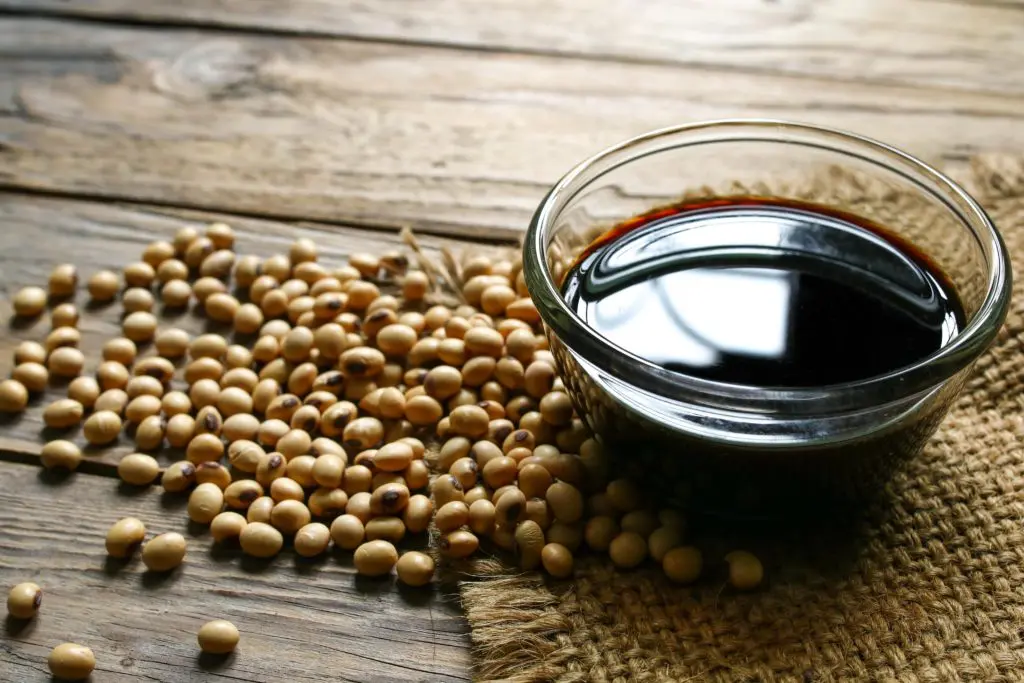

Introduction: A Liquid of History and Flavor
Soy sauce is more than a condiment—it is a culinary cornerstone in East Asian cuisine, deeply embedded in Chinese, Japanese, and Korean food traditions. Revered for its ability to impart umami, a savory taste, soy sauce enhances the flavor profile of countless dishes, from stir-fries and soups to marinades and sushi. Its versatility, depth of flavor, and cultural significance make it indispensable in both home kitchens and professional culinary settings.
This article explores the history, production methods, varieties, culinary applications, chemical composition, and cultural significance of soy sauce in East Asia, highlighting why this fermented liquid has transcended its role as a mere seasoning to become a symbol of flavor sophistication and tradition.
Part 1: Historical Origins of Soy Sauce
1.1 Early Beginnings in China
Soy sauce originated in China over 2,500 years ago, evolving from ancient fermentation techniques. Initially, it was derived from soybean paste (jiang), which involved fermenting soybeans with salt and grains to produce a liquid that could enhance and preserve flavor.
Key milestones include:
- Western Han Dynasty (206 BCE – 220 CE): Early written records describe jiang liquids used in cooking and preservation.
- Tang and Song Dynasties: Production techniques became more sophisticated, incorporating wheat fermentation, which contributed to flavor complexity.
Chinese soy sauce was historically classified into light and dark varieties, each serving distinct culinary purposes.
1.2 Spread to Japan and Korea
- Japan: Soy sauce, known as shoyu, arrived via trade and cultural exchange with China during the 7th century CE. Japanese artisans refined fermentation methods, blending soybeans with wheat, which resulted in a sweeter, milder umami flavor compared to Chinese soy sauce.
- Korea: Soy sauce, or ganjang, was introduced from China and adapted to local tastes, often as a by-product of doenjang, a fermented soybean paste. Korean ganjang emphasizes saltiness and is integral to kimchi, soups, and banchan dishes.
The evolution of soy sauce in these regions reflects both geographic and cultural adaptation, influencing taste preferences and culinary identity.
Part 2: Production Methods and Chemical Composition
2.1 Traditional Fermentation
Soy sauce is produced through a fermentation process involving soybeans, wheat (or other grains), water, and salt. Traditional fermentation can take several months to years, resulting in a complex flavor profile:
- Koji Preparation: Soybeans are steamed and mixed with roasted wheat, inoculated with Aspergillus mold to create koji.
- Brine Fermentation: Koji is combined with saltwater to form moromi, which ferments slowly under controlled conditions.
- Pressing and Pasteurization: The liquid is separated from solids, pasteurized to develop aroma and prevent spoilage, and bottled for culinary use.
2.2 Modern Industrial Methods
Industrial production often shortens fermentation using acid hydrolysis, which chemically breaks down soy proteins. While faster, this method results in a simpler flavor profile and lacks the depth of traditionally brewed soy sauce.
2.3 Chemical Composition and Umami
Soy sauce contains over 300 compounds, contributing to its umami, salty, sweet, and aromatic qualities. Key components include:
- Glutamates: Provide the characteristic umami taste.
- Amino Acids: Resulting from protein breakdown, enhance flavor complexity.
- Sugars: Contribute sweetness and caramel notes.
- Organic Acids: Impart mild tang and preserve freshness.
The interplay of these compounds makes soy sauce a multidimensional seasoning, capable of enhancing both flavor and aroma in a variety of dishes.
Part 3: Varieties of Soy Sauce Across East Asia
3.1 Chinese Soy Sauce
Chinese soy sauce is categorized into two main types:
- Light Soy Sauce (Sheng Chou): Thin, salty, and used primarily for seasoning during cooking without altering color.
- Dark Soy Sauce (Lao Chou): Thicker, sweeter, and aged longer, used to enhance color and richness in braises, stews, and sauces.
Other regional variations include mushroom-flavored soy sauce (with added shiitake essence) and premium artisan soy sauces with extended aging for depth of aroma.
3.2 Japanese Soy Sauce
Japanese soy sauce, or shoyu, emphasizes balance and refinement:
- Koikuchi: The most common type, made with equal parts soybeans and wheat, versatile in cooking.
- Usukuchi: Lighter in color, saltier, used in simmered dishes and soups to avoid darkening the food.
- Tamari: Made mostly from soybeans with little or no wheat, darker and richer, often preferred by gluten-free diets.
- Saishikomi: Double-fermented for a more intense flavor and aroma.
3.3 Korean Soy Sauce
Korean ganjang differs in production and use:
- Joseon Ganjang: Traditional brewed soy sauce made from meju blocks, emphasizing saltiness and umami.
- Modern Ganjang: Commercially produced for quick consumption; still widely used in daily Korean cooking.
- Variations: Some include seafood extracts or barley, reflecting regional culinary preferences.
Part 4: Culinary Applications
4.1 Chinese Cuisine
In Chinese cooking, soy sauce is foundational:
- Stir-fries: Enhances umami while balancing flavors.
- Braised Dishes: Dark soy sauce adds color and depth.
- Marinades: Soy sauce tenderizes proteins while infusing savory flavors.
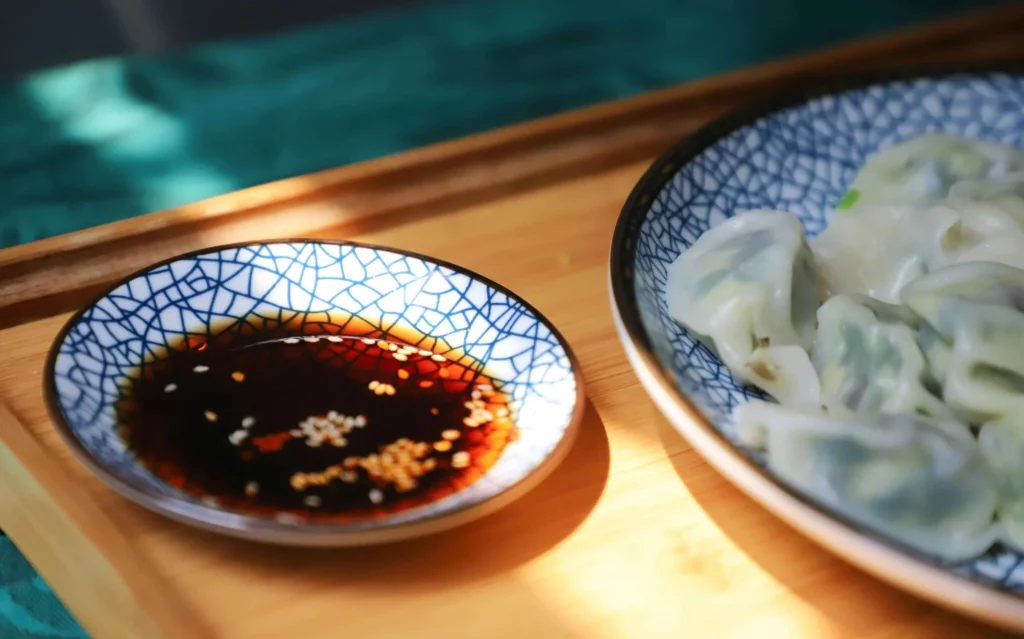
- Dipping Sauces: Light soy sauce combined with vinegar, chili, or garlic serves as a versatile condiment.
4.2 Japanese Cuisine
Shoyu shapes Japanese cooking:
- Sushi and Sashimi: Light, delicate soy sauce enhances natural flavors without overpowering.
- Simmered Dishes (Nimono): Adds depth to vegetables and proteins in broth.
- Ramen and Udon Broths: Provides complex umami backbone to noodle soups.
- Teriyaki Sauce: Blended with mirin and sugar to glaze meats.
4.3 Korean Cuisine
Ganjang is integral to Korean dishes:
- Kimchi: Salted and fermented with ganjang for balanced flavor.
- Soups and Stews (Guk, Jjigae): Imparts savory depth.
- Banchan (Side Dishes): Enhances pickled vegetables, stir-fried greens, and seasoned tofu.
- Marinades: Essential in bulgogi and galbi, tenderizing and flavoring meats.
Part 5: Flavor Science and Culinary Techniques
5.1 Balancing Umami and Saltiness
Chefs often blend soy sauce with other seasonings to balance umami, sweetness, acidity, and heat:
- Vinegar or citrus to brighten flavor.
- Sugar or mirin to enhance caramel notes.
- Chili or ginger for spice and aroma.
This approach ensures harmonious taste profiles in complex dishes.
5.2 Textural and Visual Considerations
- Glazing: Soy sauce mixed with sugar or honey creates a shiny, flavorful glaze for meats and vegetables.
- Marbling and Tenderization: Salt in soy sauce penetrates proteins, improving texture while infusing flavor.
- Color Enhancement: Dark soy sauce adds rich mahogany hues, enhancing visual appeal.
5.3 Pairing with Ingredients
- Works well with soy proteins, meats, seafood, vegetables, and grains.
- Complements fermented condiments, enhancing layers of umami.
- Harmonizes with aromatic ingredients like garlic, ginger, scallions, and sesame oil.
Part 6: Health Considerations
Soy sauce is rich in amino acids and antioxidants, but also high in sodium:
- Moderation is key to maintaining health.
- Low-sodium varieties provide the same umami with reduced salt intake.
- Fermented soy sauce contains bioactive compounds beneficial for digestion and gut microbiota.
Part 7: Cultural and Global Influence
Soy sauce has transcended East Asia, becoming a global culinary ingredient:
- In Western cuisine, it enhances sauces, marinades, and even fusion dishes.
- Renowned chefs incorporate soy sauce to boost umami and balance flavors in contemporary cuisine.
- It symbolizes East Asian culinary identity, reflecting centuries of tradition, fermentation artistry, and cultural exchange.
Conclusion: Soy Sauce as a Culinary Pillar
Soy sauce is much more than a condiment; it is a symbol of culinary heritage, flavor mastery, and cross-cultural innovation. From Chinese stir-fries to Japanese sushi, and Korean stews to global fusion creations, soy sauce embodies the essence of umami, enriching texture, aroma, and taste.
Its production combines ancient fermentation techniques and modern culinary science, making it a living testament to human ingenuity in the kitchen. Understanding soy sauce allows chefs and home cooks alike to elevate dishes, balance flavors, and honor the rich traditions of East Asian cuisine.
As global interest in East Asian food continues to grow, soy sauce remains a cornerstone of taste, a liquid bridge connecting past culinary traditions with the innovations of modern gastronomy.