





Introduction: Beyond Technique – Philosophy at the Heart of El Celler de Can Roca
Joan Roca, one of the world’s most celebrated chefs, is widely recognized for his extraordinary technical mastery and innovative cuisine. Yet, at the core of his culinary vision lies a philosophy that extends far beyond ingredients and cooking techniques: a deep commitment to family, sharing, and human connection. For Roca, the act of cooking is inseparable from the values of hospitality, empathy, and communal experience.
The Roca family, which runs the iconic El Celler de Can Roca in Girona, Spain, embodies this philosophy. From the creative teamwork among Joan and his brothers—Josep and Jordi—to the ways dishes are conceptualized and served, the principles of family and sharing permeate every aspect of their culinary universe. This approach has transformed El Celler de Can Roca into more than a restaurant; it has become a space where culinary artistry and human connection coalesce.
This essay explores Joan Roca’s philosophy of family and sharing in depth. It examines how these values influence menu creation, kitchen dynamics, dining experience, sustainability, and cultural impact. By analyzing his methods, we gain insight into how culinary excellence can be harmoniously intertwined with ethical, social, and emotional intelligence.
I. Foundations of Roca’s Philosophy
1. Early Life and Family Influence
Joan Roca was born into a family deeply connected to food. His upbringing in Girona, in a household rooted in Catalan culinary tradition, shaped his understanding of cooking as a collective and relational practice. Meals were not merely sustenance; they were moments for storytelling, sharing, and nurturing relationships.
From a young age, Joan absorbed lessons about hospitality, respect for ingredients, and the cultural significance of food, which would later inform his professional philosophy.
2. Collaboration with Siblings
Joan’s professional journey has been inseparable from his brothers:
- Josep Roca, the sommelier, focuses on wine and beverages, integrating the philosophy of pairing and complementarity.
- Jordi Roca, the pastry chef, transforms dessert into a space of creativity and emotion.
This fraternal collaboration illustrates the principle that culinary excellence is enhanced through trust, communication, and shared vision. The Roca brothers’ work exemplifies a model where family is not merely personal but professional, creating a unique synergy that defines the restaurant.
II. The Centrality of Sharing in Culinary Concept
1. Food as a Medium for Connection
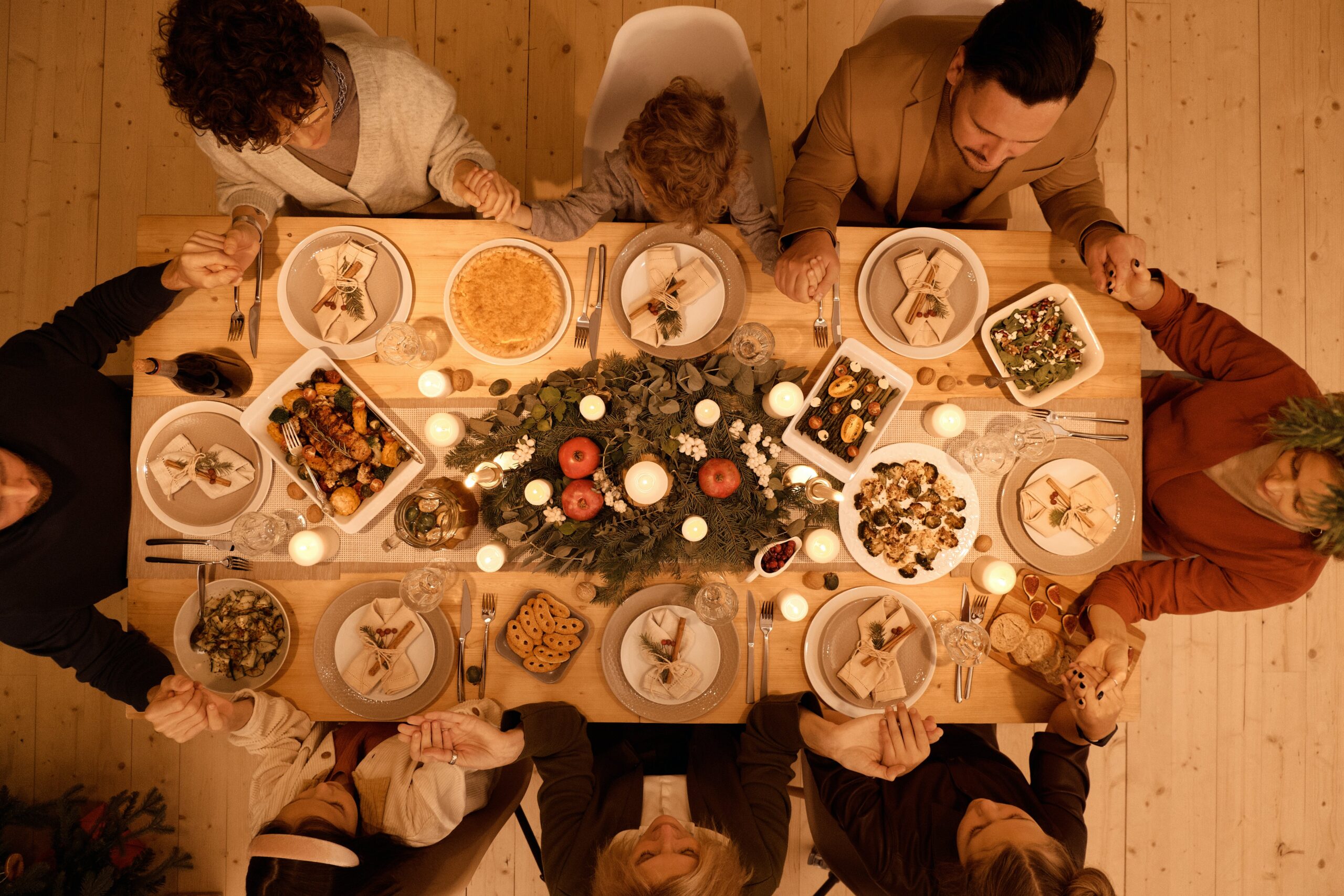
Joan Roca’s philosophy positions food as a catalyst for human connection. Each dish is designed to be shared, to evoke conversation, and to foster communal enjoyment. Sharing is not only literal, in terms of plates or tasting menus, but symbolic, representing cultural, emotional, and ethical exchange.
2. Menus Designed for Experience
El Celler de Can Roca’s menus are structured to encourage communal engagement. Tasting menus often include:
- Plates that invite collaboration, such as shared appetizers or family-style servings
- Interactive experiences, where diners observe preparation or participate in pairing selections
- Narrative-driven courses, each conveying a story about heritage, emotion, or innovation
Through these design choices, Roca integrates the act of sharing into the rhythm of the meal, reinforcing his philosophical commitment to togetherness.
III. Integrating Family Values into Professional Practice
1. Leadership Philosophy
Joan Roca’s leadership style reflects family values: respect, mentorship, patience, and inclusivity. He prioritizes creating a supportive environment in the kitchen, encouraging staff to collaborate rather than compete, mirroring the dynamics he experiences with his brothers.
2. Education and Mentorship
Beyond his own kitchen, Roca’s philosophy extends to culinary education. By mentoring young chefs, he instills lessons about teamwork, empathy, and the ethical responsibilities of cooking. This educational approach ensures that the values of family and sharing extend beyond immediate operations to influence the next generation of culinary leaders.
IV. Culinary Innovation Through Philosophy
1. Blending Tradition and Creativity
Joan Roca combines deep respect for Catalan culinary heritage with avant-garde techniques. This fusion reflects his philosophy that innovation should be inclusive, honoring tradition while engaging diners in new ways. Each creative choice maintains a link to cultural roots, reinforcing a sense of continuity and shared history.
2. Emotional and Sensory Design
Roca’s dishes are crafted to evoke emotion. By carefully manipulating flavor, texture, and presentation, he encourages diners to experience pleasure, curiosity, and wonder collectively. This multisensory engagement is a hallmark of his philosophy: culinary innovation is not self-serving but relational.
V. Sustainability as a Family-Oriented Responsibility
1. Ethical Sourcing
Joan Roca emphasizes sourcing ingredients responsibly, prioritizing local farmers, artisanal producers, and seasonal availability. This approach reflects a philosophy of stewardship, where the restaurant’s success is interlinked with the well-being of the community and ecosystem.
2. Waste Reduction and Resource Management
Sustainability is embedded in kitchen operations, including:
- Reducing waste through careful planning
- Repurposing byproducts in creative ways
- Educating staff and suppliers about environmental responsibility
Such practices reflect a long-term vision for food systems, rooted in ethical considerations and shared accountability.
VI. Dining as a Shared Narrative
1. Storytelling Through Cuisine
Each dish at El Celler de Can Roca conveys a story—about Catalan culture, family history, or scientific exploration. Joan Roca’s philosophy asserts that sharing is not limited to physical space; it extends to narratives that bind diners to heritage, innovation, and emotion.
2. Interactive Experiences
Roca often integrates interactive moments into dining, such as:
- Demonstrations of preparation
- Wine pairings with guided explanations
- Multisensory presentations (aroma, sound, visual cues)
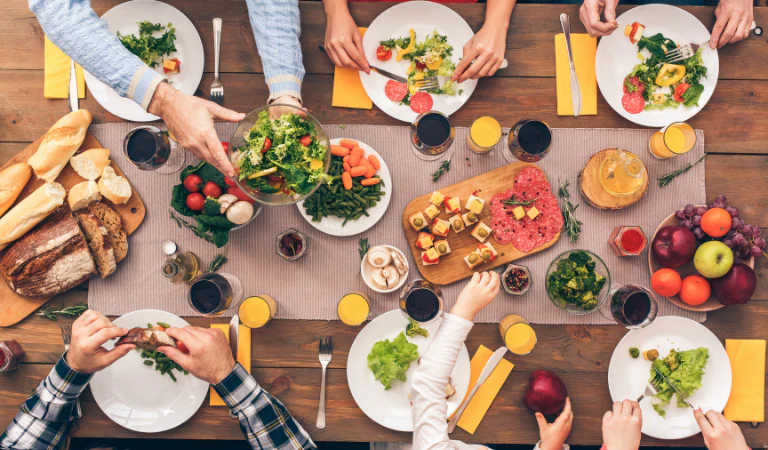
These strategies reinforce the principle that dining is a collaborative experience, uniting kitchen, staff, and diners in a shared journey.
VII. Challenges in Philosophy-Driven Practices
1. Balancing Creativity with Accessibility
While family-oriented and sharing-based philosophies create a rich experience, they can challenge traditional notions of fine dining. Menus and presentation must be accessible without diluting artistic or philosophical intent.
2. Scaling Philosophy
Translating personal and family values into a large-scale operation requires careful attention. Maintaining integrity across staff, seasons, and evolving culinary trends is a constant challenge that Roca navigates through mentorship and clear communication.
VIII. Cultural and Global Impact
1. International Recognition
El Celler de Can Roca’s philosophy has influenced global gastronomy, demonstrating that technical brilliance can coexist with emotional intelligence. The restaurant’s multiple awards, including ranking among the best in the world, reflect a combination of skill, innovation, and relational philosophy.
2. Advocacy for Human-Centered Cuisine
Through lectures, interviews, and media appearances, Joan Roca advocates for a culinary approach that prioritizes connection, ethics, and shared experiences, influencing chefs, diners, and educators worldwide.
IX. The Roca Model: Lessons in Leadership and Collaboration
1. Sibling Synergy
Joan Roca exemplifies how family dynamics can enhance professional creativity. Trust, complementary skills, and mutual respect among the Roca brothers serve as a model for collaborative leadership in high-pressure environments.
2. Extending Family Philosophy Beyond Blood
Roca’s approach demonstrates that the principles of family—care, respect, and sharing—can be applied to professional teams, diners, and communities, creating a holistic model for sustainable and ethical gastronomy.
X. Philosophy in Practice: Signature Approaches
1. Tasting Menus as Shared Journeys
El Celler de Can Roca’s tasting menus are designed to be shared experiences, emphasizing communal engagement and exploration. Each course reflects a balance of creativity, heritage, and philosophy.
2. Seasonal and Locally Sourced Ingredients
The selection of ingredients reinforces connectedness to place and community, highlighting how shared resources can nourish both diners and local producers.
3. Emotional Resonance
Dishes are crafted to provoke joy, curiosity, and nostalgia, embodying the idea that food is a medium of emotional and social connection.
XI. Measuring the Impact of Roca’s Philosophy
1. On the Dining Experience
Guests leave El Celler de Can Roca not only satiated but also emotionally enriched, having experienced cuisine that embodies family, tradition, and shared creativity.
2. On Culinary Leadership
Joan Roca’s philosophy inspires chefs to prioritize values alongside skill, influencing training, kitchen culture, and professional networks worldwide.
3. On Global Gastronomy
By demonstrating the viability of family-oriented, sharing-focused culinary practice, Roca contributes to a shift in how fine dining is conceptualized and experienced globally.
XII. Challenges and Ongoing Evolution
1. Adapting to Changing Contexts
Culinary philosophy must evolve alongside societal, ecological, and economic changes. Roca continues to adapt his menus, sourcing, and dining experiences while remaining faithful to core principles of family and sharing.
2. Maintaining Authenticity
Ensuring that the restaurant’s philosophy remains authentic amid global recognition, media attention, and expanding operations requires continuous reflection, dialogue, and integrity.
XIII. Conclusion: Philosophy as a Living Practice
Joan Roca’s culinary philosophy demonstrates that fine dining can transcend technique to encompass family, sharing, and human connection. At El Celler de Can Roca, every aspect of the restaurant—from menu design and ingredient sourcing to kitchen operations and dining experiences—reflects values of collaboration, empathy, and communal joy.
Roca’s work teaches that culinary excellence is not defined solely by taste or innovation, but by the meaningful relationships it fosters—among chefs, diners, and communities. His philosophy exemplifies how food can be a bridge between culture, emotion, and ethical responsibility, proving that the heart of gastronomy lies not only in the kitchen but in the shared human experience.
Through his integration of family-oriented principles, Joan Roca has created a model where culinary artistry, philosophy, and social connection coalesce, offering a blueprint for chefs and restaurateurs worldwide to craft experiences that are at once exquisite, ethical, and deeply human.