





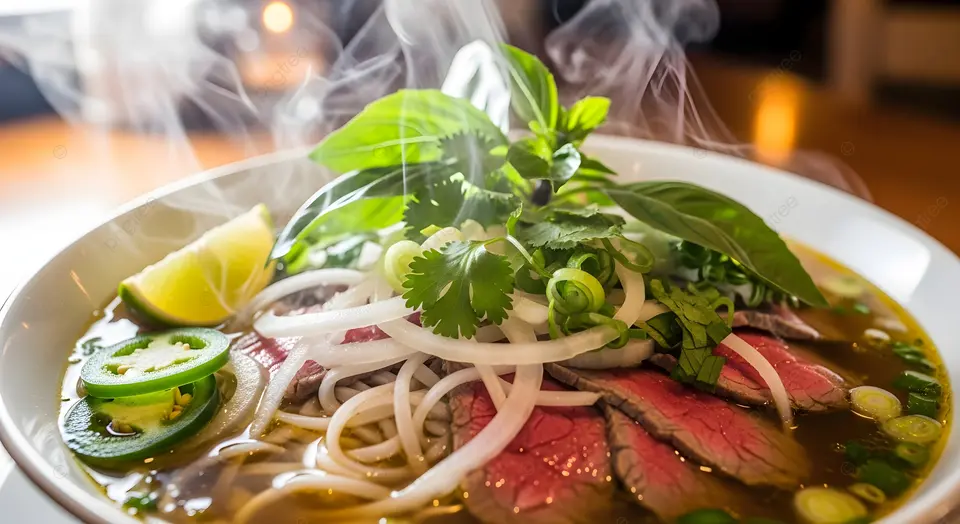

Pho (pronounced fuh) is more than a dish — it is Vietnam’s most iconic culinary symbol. Rooted in centuries of history and enriched by cultural influences, pho has transcended its humble origins to become a global favorite. This in‑depth article explores the evolution, anatomy, regional styles, cultural significance, nutritional profile, and international impact of pho — the soul‑warming Vietnamese rice noodle soup.
1. Historical Origins and Evolution
1.1 The Birth of Pho in Northern Vietnam
Pho emerged in the early 20th century in northern Vietnam, particularly in the Red River Delta region around Hanoi. Its exact origin is debated, but scholars widely agree that pho evolved from xáo trâu — a water buffalo stew consumed by rural peasants. As French colonialism spread through Indochina, French culinary traditions left subtle imprints on local cooking techniques and ingredients, including the use of beef and slow‑cooked broths. The result was a transformative dish: delicate, aromatic, and satisfying.
Pho’s name likely derives from the French dish pot au feu (literally “pot on the fire”), although the Vietnamese version evolved into a distinctively local creation. Initially sold by street vendors and mobile kitchens with wood‑fired stoves, pho became a staple among workers and urban poor due to its affordability and nourishing qualities.
1.2 The Spread to Southern Vietnam
After the partition of Vietnam in 1954, many northerners migrated south, bringing pho with them. In the warmer, more cosmopolitan South — particularly Saigon (now Ho Chi Minh City) — pho adapted to local tastes and ingredients. Soups grew sweeter, garnishes expanded, and ingredient availability diversified. Southern pho eventually became its own recognizable variant.
1.3 Pho in the Post‑War Era and Diaspora
The Vietnam War and subsequent waves of migration in the late 20th century spread pho far beyond Vietnam’s borders. Vietnamese refugees carried recipes, traditions, and the desire to share familiar comforts. By the 1990s and 2000s, pho shops appeared across North America, Europe, Australia, and Asia, introducing millions to this humble yet profound dish.
2. Anatomy of Pho: Ingredients and Their Roles
Pho is deceptively simple. At its heart are five essential components: the broth, rice noodles, protein, herbs and garnishes, and condiments. Each plays a critical role in creating the harmonious balance that defines pho.
2.1 The Broth: The Soul of Pho
Pho broth is the cornerstone of the dish — its quality determines the depth and character of the entire bowl.
Base Bones and Meat
Traditional pho uses beef bones (and sometimes oxtail or marrow bones) simmered for many hours. The long, gentle cooking releases collagen, amino acids, and minerals that produce a rich, silky, and clear broth.
Aromatic Spices and Seasonings
The characteristic fragrance of pho comes from a precisely balanced blend of spices:
- Star anise
- Cinnamon
- Cloves
- Cardamom
- Coriander seeds
- Ginger and onion charred to deepen flavor
These spices, when toasted and simmered with the bones, infuse the soup with warm, floral, and slightly sweet notes.
Seasoning & Salt Balance
Fish sauce, salt, and rock sugar are added at the end of the cooking process. Fish sauce (nước mắm), an umami powerhouse, enhances savory depth, while rock sugar softens harsh edges and balances flavors.
2.2 Rice Noodles: The Pillowy Foundation
Pho noodles (bánh phở) are flat rice noodles made from rice flour, water, and sometimes tapioca or cornstarch for elasticity. Their texture — tender yet resilient — is essential. Too soft, and they disintegrate; too firm, and they clash with the broth’s silkiness.
2.3 Proteins: Slicing and Serving
Unlike many soups where meat is pre‑cooked, pho’s design allows thin slices of raw beef (often eye of round or sirloin) to cook gently when the steaming broth is poured over. Common protein options include:
- Tai (raw eye‑round beef)
- Chín (well‑cooked brisket)
- Gau (fatty brisket)
- Sach (tripe)
- Bo vien (beef meatballs)
- Ga (chicken, in chicken pho or pho ga)
This interplay between broth temperature and fresh meat adds delicacy and control for the eater.
2.4 Herbs and Greens: Freshness and Contrast
Pho is served with a plate of fresh herbs that diners add to taste:
- Thai basil
- Cilantro
- Culantro
- Bean sprouts
- Sawtooth herb
- Lime wedges
- Jalapeños or chili slices
These bright, aromatic garnishes lift the rich broth and add layers of freshness, heat, acidity, and texture.
2.5 Condiments: Personalizing Your Bowl
Pho is customizable. Common condiments include:
- Hoisin sauce — sweet, smoky, slightly tangy
- Sriracha — fiery chili sauce
- Chili paste
- Lime juice
- Fish sauce
- Black pepper
Whether added before tasting or after a first sip, these condiments allow each diner to tailor the experience.
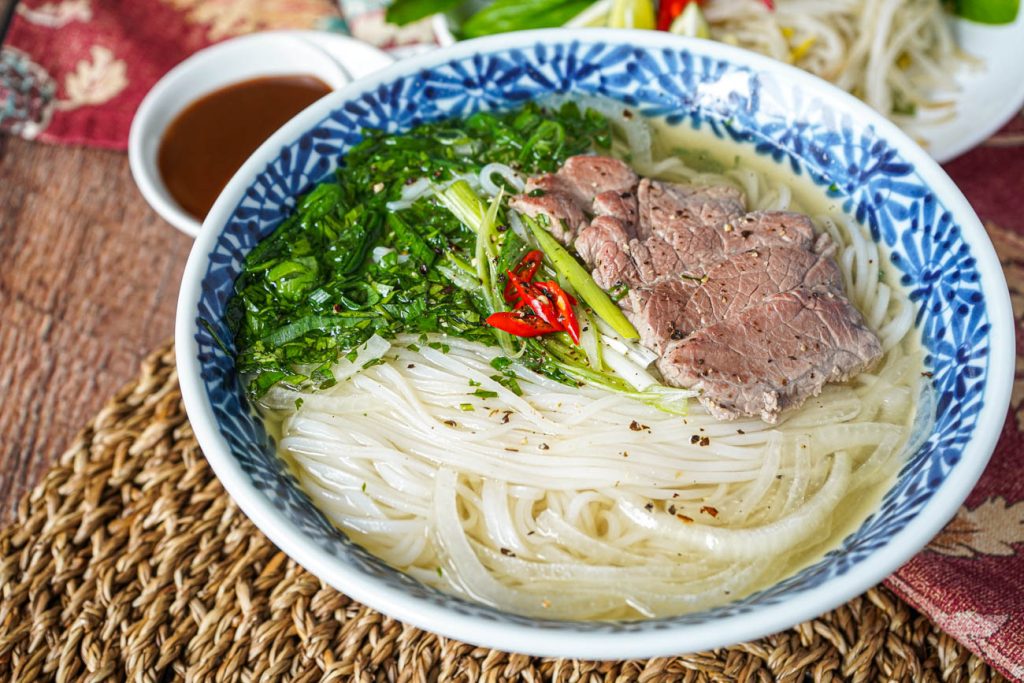
3. Regional Variations: North, South, and Beyond
Pho’s regional distinctions are subtle but meaningful, reflecting geography, climate, and local preferences.
3.1 Northern Pho (Hanoi Style)
Northern pho emphasizes:
- Clear, savory broth
- Minimal garnishes
- Simple accompaniments
Hanoi pho is often served with just cilantro and scallions, allowing the broth to take center stage. The flavor is more restrained and balanced — not too sweet, nor too salty — prioritizing purity of taste.
3.2 Southern Pho (Saigon Style)
Southern pho tends to be:
- Sweeter and more aromatic
- Heavily garnished
- Accompanied by more herbs and condiments
In the south, diners expect a generous assortment of herbs, bean sprouts, lime, and chilies. The broth may have a slightly higher sweetness and complexity due to added rock sugar and a liberal use of spices.
3.3 Central Vietnam Variants
Central Vietnam offers less common pho styles that incorporate local chilies and bolder flavors. While not as globally pervasive as Hanoi or Saigon pho, these versions highlight the nation’s diverse culinary landscapes.
3.4 Chicken Pho (Phở Gà)
A lighter variation, pho ga uses chicken bones and meat instead of beef. The broth is clearer and more delicate, often accented with ginger and scallions. This style appeals to those seeking a milder, fragrant experience.
4. The Cultural Significance of Pho
Pho is more than nourishment — it’s a cultural marker, social glue, and symbol of resilience.
4.1 Pho as an Everyday Ritual
In Vietnam, pho is eaten at all hours:
- Breakfast — classic early morning ritual
- Lunch — quick, satisfying meal
- Dinner — communal and comforting
- Late night — a social fuel after gatherings
Pho stalls are gathering places, where neighbors meet, workers recharge, and conversations flow over steaming bowls.
4.2 Pho and National Identity
Pho embodies the spirit of Vietnam — adaptive, balanced, and communal. It has survived colonialism, war, economic upheavals, and globalization. Wherever Vietnamese communities have formed, pho has followed, acting as a culinary ambassador of home and heritage.
5. The Science and Art of Pho Broth
While pho broth appears deceptively simple, its preparation is a precise science intertwined with artistry.
5.1 Maillard Reactions and Aromatic Development
Charring onions and ginger isn’t just tradition — it triggers Maillard reactions that deepen flavor and eliminate vegetal bitterness. Toasting spices releases essential oils that enhance aroma and complexity.
5.2 Collagen, Gelatin, and Mouthfeel
Long simmering of beef bones extracts collagen, which breaks down into gelatin. Gelatin gives broth body, mouthfeel, and a subtle silkiness that coats the palate — a tactile pleasure distinct from mere salty bouillon.
5.3 Temperature, Timing, and Clarity
Pho broth demands meticulous temperature control. Simmering (not boiling) prevents emulsification of fats and proteins, which can cloud the broth. Skimming impurities ensures clarity — a hallmark of high‑quality pho.
6. Pairings, Presentation, and Dining Etiquette
6.1 Traditional Pairings
Pho is often complemented with:
- Vietnamese iced coffee (cà phê sữa đá)
- Herbal teas
- Spring rolls (gỏi cuốn)
- Pickled vegetables
These pairings balance richness, refresh the palate, and enhance the dining experience.
6.2 Presentation
A traditional pho bowl showcases:
- Clear amber broth
- Neatly arranged noodles
- Sliced proteins fanned over the top
- Sprinkled scallions
- Side plate of herbs
Presentation reflects respect for ingredients and tradition.
6.3 Dining Rituals and Etiquette
- Slurp with appreciation: In Vietnamese food culture, slurping is not rude — it helps cool the noodles and enhances aroma perception.
- Season in stages: Taste the broth first, then add condiments gradually.
- Herbs last: Add herbs after the broth to preserve their fresh fragrance.
7. Pho’s Nutritional Profile
Pho is more than comfort food — it offers balanced nutrition when prepared thoughtfully.
7.1 Macronutrients
- Proteins: Lean meats and bone‑derived amino acids
- Carbohydrates: Rice noodles provide energy without gluten
- Fats: Controlled amounts from broths and meats
7.2 Micronutrients
- Minerals: Calcium and phosphorus from slow‑cooked bones
- Vitamins: Fresh herbs deliver antioxidants and phytonutrients
- Electrolytes: Sodium (from broth and fish sauce) aids hydration
7.3 Health Considerations
Pho can be tailored for dietary needs:
- Low‑sodium broth
- Lean chicken / tofu alternatives
- Extra vegetables
- Whole‑grain or alternative noodles
It remains a versatile choice for wellness‑conscious eaters.
8. Pho Around the World: Global Influence and Adaptations
Pho’s rise beyond Vietnam reflects globalization and cultural exchange. Across continents, chefs reinterpret pho with local ingredients and fusion concepts.
8.1 North America and Europe
Pho restaurants flourish in major cities from New York to London. Some stay traditional; others introduce innovations:
- Spicy Sriracha pho
- Vegan pho with mushroom broth
- Fusion bowls with unconventional proteins
These adaptations maintain core pho principles — aromatic broth, fresh herbs, and rice noodles — while celebrating local flavors.
8.2 Asia and Oceania
In Japan and Korea, pho intersects with local noodle cultures. In Australia and Singapore, pho thrives alongside other Southeast Asian favorites, highlighting the region’s appetite for rich, layered soups.
9. How to Make Authentic Pho at Home
Here’s a simplified roadmap to crafting pho that honors tradition:
9.1 Essential Steps
- Blanch bones: Cleanse impurities for a clear broth
- Char aromatics: Broil ginger & onion until lightly blackened
- Toast spices: Gently heat spices to unlock aroma
- Simmer low and slow: 6–12 hours for deep flavor
- Strain meticulously: Preserve clarity
- Prepare noodles fresh
- Slice proteins thinly
- Serve with herbs and condiments
9.2 Tips for Success
- Use high‑quality bones and fresh herbs.
- Adjust fish sauce and sugar to your palate.
- Don’t rush the broth — time is flavor.
10. Conclusion: Pho as a Living Legacy
Pho is more than a soup — it is a living testament to Vietnamese history, culture, and culinary ingenuity. Its warm broth nourishes the body; its aromatic spices invigorate the senses; its communal experience feeds the spirit. From humble street‑side stalls to contemporary global kitchens, pho continues to evolve while staying true to its essence: a harmonious blend of simplicity, balance, and soul‑deep flavor.