





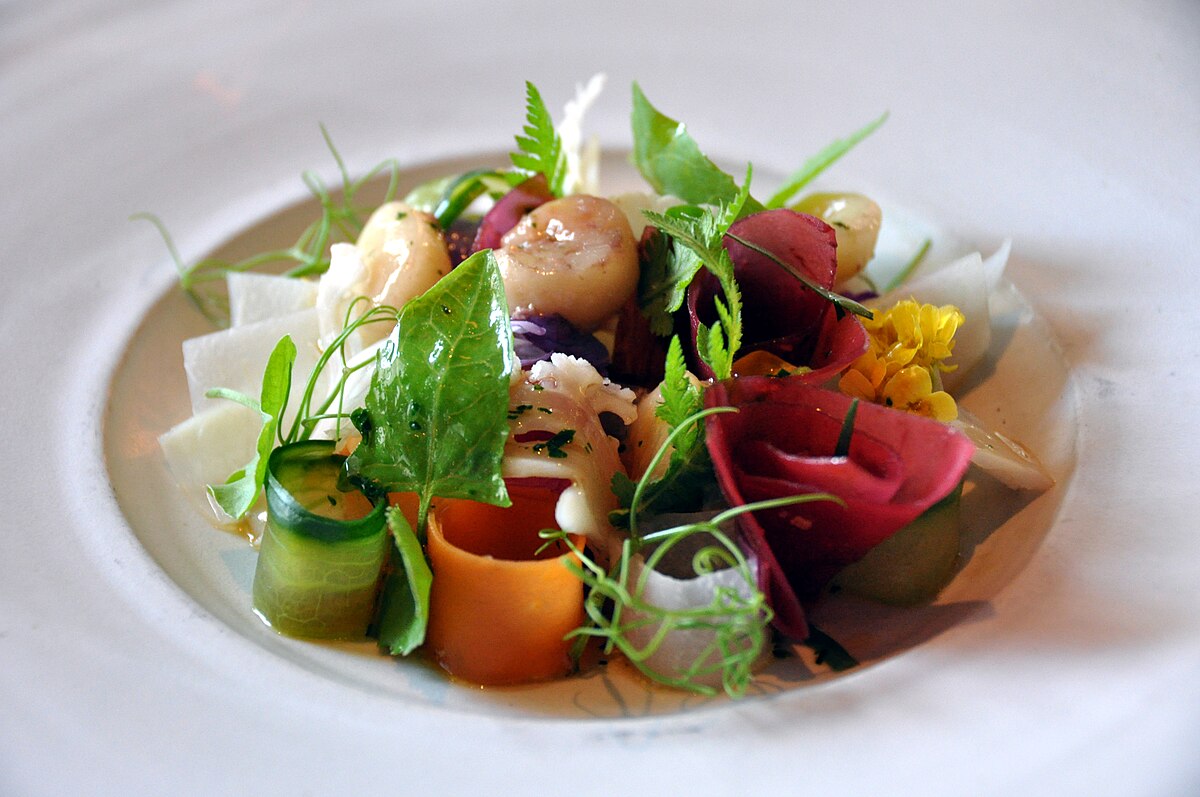

René Redzepi, the visionary chef behind Copenhagen’s world-renowned restaurant Noma, has fundamentally reshaped the global culinary landscape by fusing innovation with a profound reverence for nature. Since Noma’s inception in 2003, Redzepi has championed what is now widely recognized as New Nordic Cuisine, a movement that emphasizes seasonality, locality, and the rediscovery of forgotten ingredients native to the Nordic region. At the heart of this philosophy lies an intimate relationship with the wild landscapes of Scandinavia — from dense forests to windswept coastlines, moss-covered marshes to alpine tundras.
Early Life and Philosophical Roots
Born in 1977 in Copenhagen to a Macedonian father and Danish mother, Redzepi’s multicultural background gave him an early appreciation for diverse flavors and traditions. However, it was his exposure to the Nordic environment that ultimately shaped his culinary identity. Unlike many chefs who rely heavily on imported luxury ingredients, Redzepi’s approach is deeply rooted in local terroir — the concept that the environment profoundly influences the taste, texture, and aroma of food.
His philosophy is grounded in curiosity, experimentation, and respect for natural cycles. Redzepi frequently describes himself as a “forager first, chef second,” emphasizing that understanding nature is as crucial as mastering the kitchen. This mindset has led him to explore remote areas of Denmark, Norway, Sweden, and Iceland, seeking ingredients that are seasonal, wild, and often overlooked by conventional cuisine.
The New Nordic Movement
In 2004, Redzepi collaborated with other Nordic chefs to formally articulate the principles of the New Nordic Diet and Cuisine. This movement prioritizes:
- Seasonality: Ingredients must be harvested in their peak season to maximize flavor and nutritional value.
- Local sourcing: Reliance on indigenous plants, animals, and marine life minimizes ecological impact and strengthens regional identity.
- Sustainability: Waste reduction and ethical sourcing are integral to every aspect of production.
- Foraging and experimentation: Chefs are encouraged to reconnect with natural ecosystems and discover novel tastes.
These principles challenged the dominance of French haute cuisine, which had long prioritized imported and exotic ingredients. By focusing on what grows naturally in the Nordic landscape, Redzepi and his contemporaries transformed simplicity into sophistication, showing that wild, humble ingredients could be elevated to haute cuisine levels.
The Art of Foraging
One of Redzepi’s signature practices is foraging, which involves harvesting wild plants, herbs, mushrooms, and seaweed directly from the Scandinavian environment. Foraging is not merely about sourcing ingredients — it is a form of storytelling that connects diners to the land and its cycles. Each dish tells the narrative of a specific season, location, or ecosystem.
For example, spring menus often feature fresh shoots of nettle, wild garlic, and young dandelion leaves. Summer brings an abundance of wild berries, coastal herbs, and mushrooms. Autumn is celebrated with mushrooms, fermented berries, and nuts, while winter emphasizes preserved and fermented items, capturing the essence of the season in every bite.
Redzepi’s foraging expeditions are meticulous. He studies plant biology, soil conditions, and climate effects to determine the best harvesting times. This scientific rigor ensures not only optimal flavor but also ecological responsibility, preventing overharvesting and supporting biodiversity.
Fermentation and Preservation
A crucial aspect of Redzepi’s work is the art of fermentation, which allows him to extend the life of seasonal ingredients while intensifying their flavors. Fermentation has been practiced in Nordic regions for centuries as a method of preserving food through harsh winters, but Redzepi has elevated it to an art form.
At Noma, vegetables, berries, and even seafood undergo controlled fermentation processes, resulting in complex, layered flavors that are simultaneously earthy, sour, and umami-rich. For instance, fermented blueberries may appear as a subtle accent in a dessert, while pickled root vegetables might underpin a savory main course. These techniques embody a philosophy of patience and respect for natural transformation, mirroring the changing rhythms of Nordic nature itself.
Sea to Forest: The Duality of Nordic Ingredients
The Nordic landscape offers a striking duality between land and sea. Redzepi seamlessly integrates both into his cuisine, creating menus that are both diverse and coherent.
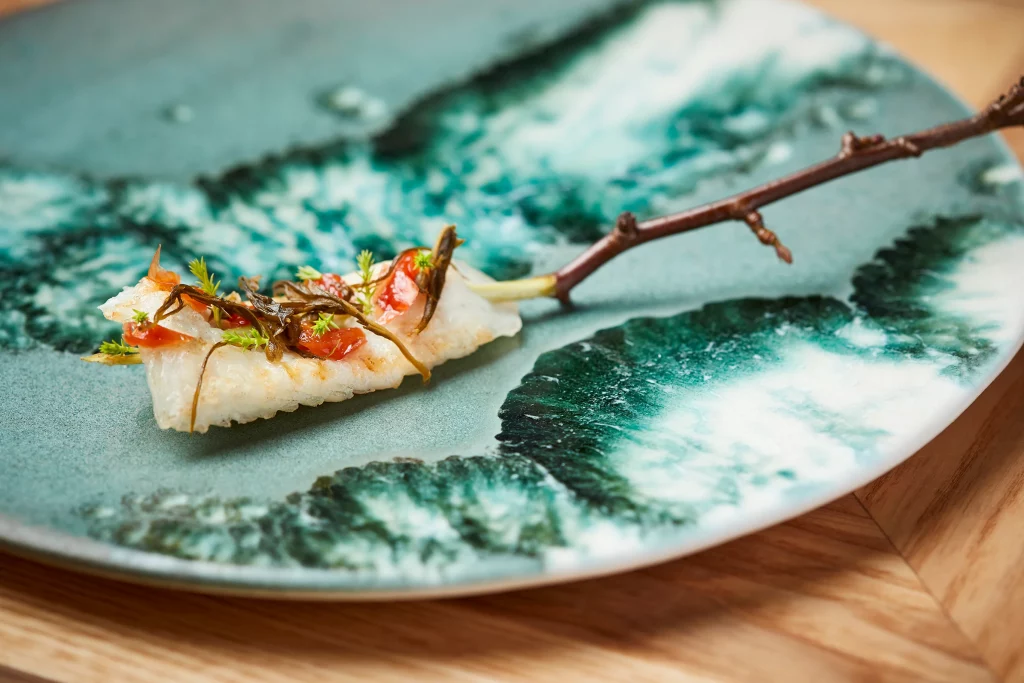
- Marine ingredients: Nordic waters are rich in seaweed, shellfish, and cold-water fish like cod, herring, and plaice. Seaweed, in particular, has become a cornerstone of New Nordic Cuisine, offering unique umami flavors and mineral complexity.
- Forest and field ingredients: Mushrooms, wild herbs, berries, and game are sourced from the dense forests and open fields. These ingredients bring earthy, aromatic, and often surprising tastes that contrast yet complement marine elements.
By combining these contrasting flavors, Redzepi achieves a harmony between land and sea, capturing the essence of the Nordic environment in each dish.
Innovation Rooted in Nature
While Redzepi’s approach is deeply traditional in its respect for local ingredients, it is also fiercely innovative. He constantly experiments with textures, techniques, and presentations that challenge conventional dining expectations. For example, dishes may feature:
- Edible soil made from roasted grains and dehydrated mushrooms
- Smoke-infused broths capturing the aroma of Nordic forests
- Textured purées highlighting the subtle flavors of root vegetables
Every dish is a balance of science, art, and intuition, demonstrating that creativity flourishes when it is grounded in ecological awareness.
Seasonal Menus: A Reflection of Natural Cycles
At Noma, the menu is never static; it changes with the seasons. This approach reflects the rhythms of the Nordic environment and encourages diners to experience the same landscapes through taste.
- Spring: Young shoots, wild greens, and early mushrooms dominate.
- Summer: A bounty of berries, herbs, and marine delicacies showcase the richness of the season.
- Autumn: Earthy mushrooms, nuts, and game highlight the forest’s transition.
- Winter: Fermented, pickled, and preserved foods embody the resilience of Nordic ingredients.
This seasonal approach not only maintains freshness but also immerses diners in the story of Nordic nature, making every meal a temporal and ecological experience.
Impact on Global Culinary Practices
Redzepi’s influence extends far beyond Denmark. New Nordic Cuisine has inspired chefs worldwide to reconsider their relationships with local environments. The movement has prompted a global reassessment of seasonality, sustainability, and ingredient sourcing, leading to innovations such as:
- Farm-to-table practices emphasizing local provenance
- Reintroduction of wild and forgotten ingredients in fine dining
- Integration of fermentation and preservation techniques for flavor depth and sustainability
By demonstrating that culinary excellence can coexist with ecological responsibility, Redzepi has helped redefine the ethics and aesthetics of modern gastronomy.
Noma’s Legacy
Even as Noma evolves — including pop-up locations in Tokyo and Australia, and the recently reimagined Copenhagen site — Redzepi’s commitment to Nordic nature remains unwavering. Noma is more than a restaurant; it is a laboratory of flavors, an incubator for sustainable practices, and a tribute to the natural world.
Chefs trained under Redzepi carry his ethos globally, ensuring that New Nordic principles influence cuisine far beyond Scandinavia. Moreover, Noma’s research into local ecosystems, soil health, and fermentation methods continues to contribute to both culinary science and ecological stewardship.
Conclusion
René Redzepi’s work exemplifies a rare synthesis of art, science, and environmental awareness. By drawing inspiration from Nordic forests, fjords, and fields, he has cultivated a culinary philosophy that honors the seasons, celebrates local ingredients, and challenges diners to engage with nature in every bite.
In an era where food production often prioritizes efficiency over ecology, Redzepi reminds us that flavor, sustainability, and creativity are not mutually exclusive. Instead, they thrive when guided by curiosity, respect, and a deep understanding of the natural world. Through Noma and the New Nordic movement, Redzepi has shown that true innovation arises not from exotic imports or artificial enhancement, but from a profound connection to the land beneath our feet, the forests around us, and the cycles of the seasons.
In essence, René Redzepi has turned Nordic nature itself into a language of gastronomy, inviting the world to taste, explore, and reimagine what a meal can be.