





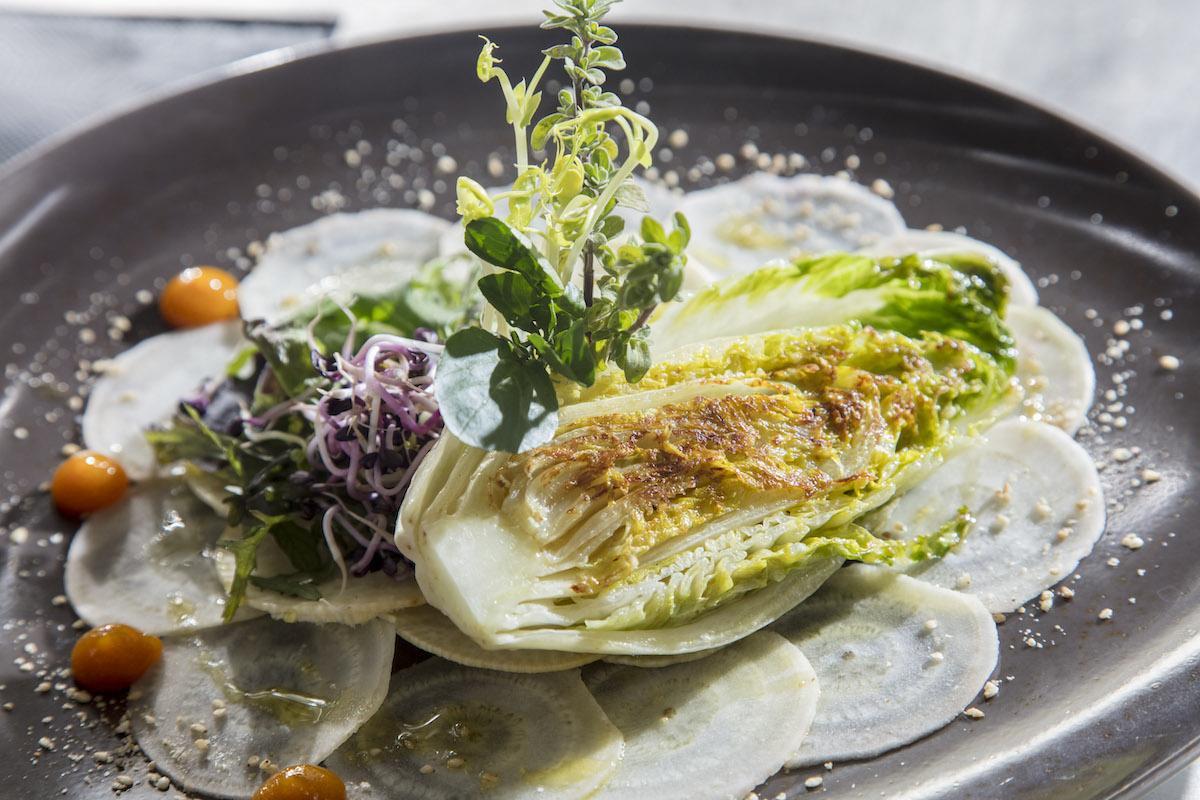

Introduction — When the Kitchen Meets the Earth
For centuries, chefs have described their craft not as mere preparation of food, but as a conversation — between themselves, ingredients, and the landscapes that bore those ingredients. In contemporary culinary practice, this dialogue between ingredients and nature isn’t a poetic slogan; it is a guiding principle that shapes menus, techniques, sustainability practices, and even the ethics of food production. Today’s chefs see their role as interpreters of the natural world — translating soil‑born complexities, seasonal rhythms, and ecological narratives into the language of taste, texture, aroma, and experience.
In this article, we explore how chefs find inspiration in nature and its raw materials, dissecting the multifaceted relationship between ingredient and artist. We will investigate:
- The sensory and intellectual processes that turn raw ingredients into culinary ideas.
- How terroir, seasonality, and biodiversity influence creative intent.
- The real‑world techniques and philosophies chefs use to elevate nature’s gifts.
- The implications of this dialogue for sustainability, culture, and the future of gastronomy.
By the end, you will have a richly detailed, professionally articulated understanding of how nature speaks to the modern chef — and how chefs, in turn, respond with respect, ingenuity, and artistry.
1. The Philosophical Foundations of Ingredient‑Driven Inspiration
1.1 Nature as Narrative
At its most elemental, cooking is the transformation of nature’s bounty into nourishment. But for chefs deeply engaged with their craft, nature represents more than a source of calories or nutrients — it is a narrative force. Landscapes, climates, and ecological cycles carry stories: of drought and rain, rocky soils and fertile valleys, ocean winds and desert heat. Chefs tuned to these narratives understand that every ingredient carries within it the memory of its environment.
This conceptualization reflects an intuitive ecocentric worldview. Rather than viewing ingredients as isolated components, chefs trained in this philosophy see them as messengers of place — each one a crystallized expression of the ecosystem from which it emerged.
1.2 Ingredient as Identity
Understanding ingredients as cultural and geographic artifacts reshapes how chefs relate to their craft. A tomato is not just a tomato; it is a tomato from a specific latitude, soil composition, watering cycle, and farming practice. A salt crystal is not just sodium chloride; it is the residue of ocean currents and solar evaporation patterns. This identity approach demands deep respect for provenance and an acknowledgment that nature profoundly shapes culinary possibilities.
For such chefs, ingredients are not starting points for arbitrary manipulation, but partners in creation. The act of cooking becomes less about imposing technique and more about interpreting and amplifying nature’s inherent voice.
2. The Sensory Dialogue — How Chefs Listen to Nature
2.1 Tasting as Inquiry
The first step of inspiration begins long before heat touches a pan — it begins with raw sensory engagement. Chefs smell, taste, touch, and observe ingredients in their raw state, often seeking subtleties invisible to casual observation. A chef may taste several varieties of the same vegetable, noting differences in sweetness, bitterness, mineral notes, and texture. These sensory cues reveal not only flavor but stories about growth conditions.
This sensory inquiry is both empirical and expressive: empirical because it relies on disciplined sensory calibration; expressive because it leads to creative interpretation. Chefs sometimes describe this process as “listening” to ingredients — allowing raw materials to suggest their own best uses rather than forcing them into predetermined recipes.
2.2 Visual and Tactile Cues
Beyond taste, chefs pay attention to visual and tactile cues: leaf coloration, stem rigidity, skin texture — all of which speak to an ingredient’s maturity, hydration status, and seasonal context. A slightly wilting herb might suggest a different application than a crisp one; a firm root vegetable may inspire roasting, while a delicate one beckons to steaming or quick sauté.
This level of observation requires trained perception, cultivated through repetition and study. Chefs build internal libraries of how ingredients look, feel, and behave so that inspiration becomes a direct response to nature’s signals.
3. Terroir — Geography as Inspiration
3.1 The Concept of Terroir in Culinary Imagination
The term terroir, long used in viticulture to describe how geography affects wine character, also applies more broadly to all food ingredients. Terroir encompasses:
- Soil composition
- Altitude
- Microclimates
- Sun exposure
- Water sources
- Indigenous microbial ecosystems
Chefs embracing terroir understand that nature’s geographical nuances directly influence flavor profiles. A carrot grown in sandy, mineral‑rich soil tastes different from one grown in clay; a seaweed harvested off a rocky coast holds salinity, ocean aroma, and oceanic minerals unique to that locale.
3.2 Chefs and Regional Identity
When chefs highlight terroir, they are not merely being regional; they are ecologically literate. By showcasing ingredients from a particular terrain, chefs offer diners a sensory immersion in that place’s identity. The plate becomes a landscape in miniature, conveying not just flavors but terrain, climate, and ecological context.
This perspective has given rise to movements such as locavorism and hyper‑local gastronomy, where the chef’s primary inspiration is the immediate environment — gardens, local forests, nearby waters — and the menu becomes an expression of regional biodiversity.
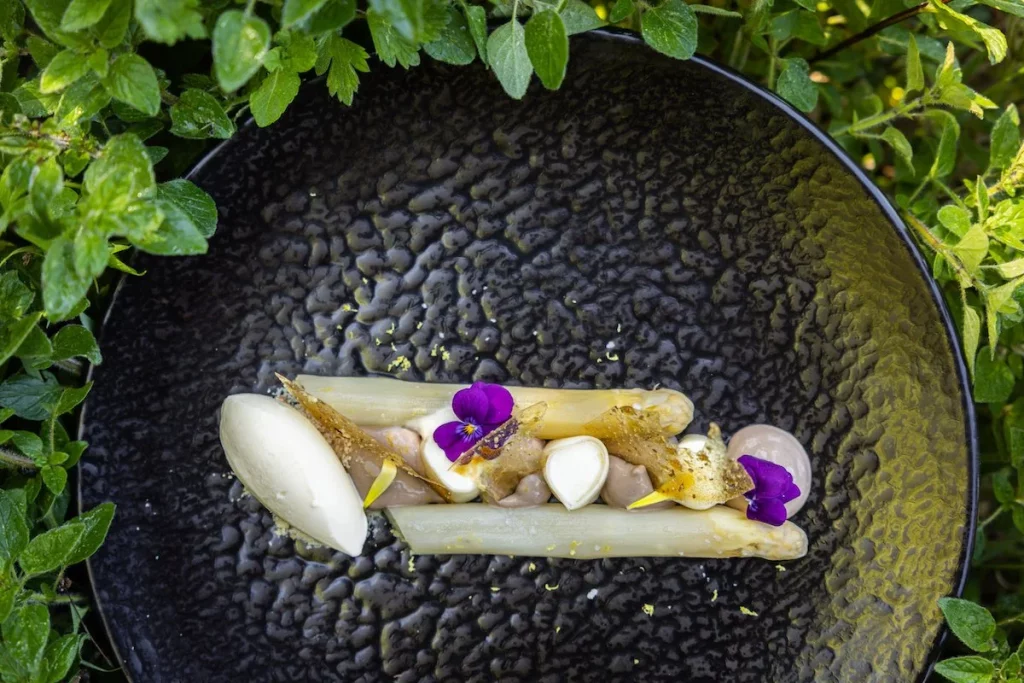
4. Seasonality — Nature’s Rhythmic Inspiration
4.1 Seasonal Cycles as Creative Frameworks
Seasonality is nature’s most accessible expression of change. The availability of ingredients cycles through predictable rhythms — spring greens, summer berries, autumn squashes, winter roots. For chefs, this forces a creative temporal discipline: menus cannot be static; they must evolve with the seasons.
Rather than lament the absence of out‑of‑season produce, chefs see seasonal limitation as creative impetus. Constraints stimulate creativity: a chef inspired by winter roots may create dishes built around earthiness and textural contrast; spring inspires lightness, brightness, and acidity.
Seasonality thus becomes not a restriction but a dialogic partner — a collaborator that dictates tempo and palette.
4.2 Designing Menus that Respond to Seasons
Chefs with a seasonal ethos often follow a cyclic menu development approach:
- Observation phase: Field visits, market exploration, farmer conversations.
- Ingredient testing: Sensory analysis of new seasonal arrivals.
- Conceptualization: Translating sensory discoveries into thematic culinary ideas.
- Execution: Experimentation and refinement of dishes that showcase seasonal identity.
- Presentation: Plating and sensory storytelling that reflect the season’s character.
Menus thus become living documents — evolving with nature’s rhythms rather than defying them.
5. Techniques That Honor Nature’s Voice
5.1 Minimalist Techniques — Letting Ingredients Sing
A central tenet of nature‑inspired cooking is minimal interference. Techniques that preserve or accentuate natural flavors are valued. These include:
- Steaming: Retains water‑soluble aromatics and nutrient structures.
- Blanching and shocking: Preserves color and textural integrity.
- Slow roasting at low temperatures: Draws out inherent sugars and umami without destroying nuance.
- Fermentation: Harnesses natural microbial processes to amplify flavor complexity.
Rather than masking the ingredient with heavy sauces or aggressive seasoning, chefs use techniques that reveal and elevate the ingredient’s inherent characteristics.
5.2 Controlled Thermal Development
Thermal mastery is essential when the goal is to honor nature’s voice. Techniques such as:
- Sous‑vide cooking for consistency and moisture retention.
- Low‑and‑slow braising to transform tough fibers without obliterating flavor.
- Precision searing to create contrast without overcooking.
These methods give chefs control without domination — shaping texture and taste while preserving core ingredient identity.
5.3 Extractive Techniques With Purpose
Chefs sometimes need to concentrate flavors. Extractive methods like:
- Reduction of broths and jus to intensify natural umami
- Infusions to unobtrusively borrow aromatic elements
- Clarification to present pure flavor essence
When used purposely and sparingly, such techniques deepen nature’s message rather than overwriting it.
6. Case Studies — How Chefs Translate Nature Into Dish
6.1 Forest Foraging — A Journey from Ground to Plate
Chefs inspired by wild landscapes often engage in foraging, sourcing ingredients such as wild herbs, mushrooms, flowers, berries, and roots. The experience of foraging itself becomes part of the creative process — walking through a forest, touching soil, sensing seasonal emergence.
A chef returning with foraged mushrooms doesn’t simply use them as garnish; the mushrooms inspire:
- Pairing decisions (e.g., with creamy legumes or smoky elements).
- Textural contrasts (crispy vs. tender components).
- Aromatic layering (earthy forest notes balanced with citrus or herbs).
The dish becomes a sonnet of the forest, with every component rooted in a sensory encounter.
6.2 Ocean‑Born Inspiration — Seaweed and Marine Elements
Chefs living near coasts often develop menus around marine biodiversity. Seaweed becomes a central inspiration due to its flavor richness and terroir specificity:
- Salinity variations: hint at tidal intensity and oceanic currents.
- Mineral content: influences flavor concentration.
- Aromatic profiles: evoke ocean spray, kelp forests, or rocky shorelines.
A chef may use seaweed in broths, emulsions, or powdered forms — each technique chosen to translate marine identity without distortion.
7. From Field to Kitchen — The Role of Producer‑Chef Collaboration
7.1 Farmer‑Chef Symbiosis
In nature‑inspired gastronomy, chefs often form reciprocal relationships with farmers, fishers, and growers. These collaborations extend inspiration beyond the kitchen:
- Chefs learn about planting cycles, soil health, and varietal history.
- Farmers gain insight into culinary preferences and quality expectations.
- Together they experiment with heirloom varieties, rare cultivars, and regenerative practices.
This producer‑chef synergy fosters biodiversity and elevates ingredient quality — deepening both culinary and ecological understanding.
7.2 Experimental Cultivation
Some chefs participate in cultivation experiments: growing unusual varieties, trialing ancient grains, or reviving forgotten crops. These efforts not only sustain genetic diversity but expand the palette of nature’s stories available to the creative chef.
8. Sustainability as a Natural Extension of Inspiration
8.1 Ecological Literacy and Responsible Sourcing
When chefs truly listen to nature, they become ecological agents. They understand that inspiration carries responsibility — to:
- Source ethically
- Support biodiversity
- Minimize environmental impact
- Advocate for regenerative practices
Sustainability then becomes not a marketing claim, but a natural consequence of genuine engagement with the land and sea.
8.2 Waste Reduction and Circularity
Chefs inspired by nature strive for zero waste — seeing every part of an ingredient as an opportunity. Techniques such as:
- Using vegetable trimmings for broths
- Rendering animal fats for cooking
- Fermenting leftovers into new condiments
reflect a circular mindset grounded in ecological respect.
9. Culinary Storytelling — Communicating Nature Through Dining
9.1 Plating as Landscape Expression
Presentation becomes a translator of the chef’s dialogue with nature. Plating techniques may mimic:
- Topographic contours
- Seasonal palettes
- Forest floor layers
- Ocean horizon gradients
This visual expression complements taste and aroma — creating a holistic narrative experience.
9.2 Menu Narratives and Guest Education
Chefs aware of nature’s importance often embed stories in menus:
- Ingredient origin descriptions
- Farmer or fisher acknowledgments
- Season‑inspiration notes
This educates diners, connecting them to ecological context and encouraging deeper appreciation.
10. Challenges in Nature‑Inspired Cuisine
10.1 Ingredient Variability
Nature’s beauty is its unpredictability. Variability in ingredient quality, size, flavor intensity, or availability challenges chefs to adapt constantly — a creative hurdle that requires flexibility and ingenuity.
10.2 Balancing Innovation With Respect
There is a fine line between innovation and exploitation. Chefs must ensure their creative expression honors the ingredient and its origin, rather than commodifying it without context or respect.
10.3 Market and Supply Constraints
Not all regions offer seasonal abundance or biodiversity. Chefs in such contexts must become even more imaginative — sourcing, preserving, or working with lesser‑known ingredients to sustain nature’s dialogue.
11. The Future of Culinary Inspiration — Ecology, Technology, and Global Exchange
11.1 Ecological Stewardship as Inspiration
Culinary inspiration increasingly intersects with ecological urgency. Chefs are now:
- Advocating regenerative agriculture
- Engaging in habitat restoration
- Partnering with marine conservationists
- Innovating plant‑centric and climate‑responsive menus
Nature becomes not just muse but partner in stewardship.
11.2 Technology as an Interpretive Tool
While nature remains the primary source of inspiration, technology — from precision cooking to sensory analysis tools — assists chefs in understanding and expressing natural complexity:
- Flavor profiling
- Controlled thermal extraction
- Microbial fermentation management
Technology thus amplifies nature’s voice rather than replacing it.
11.3 Global Exchange and Cultural Dialogue
Chefs around the world participate in cross‑cultural knowledge exchange — yet the best of this exchange involves listening rather than imposing. When culinary cultures share ingredient wisdom with humility, the dialogue becomes richer and more diverse.
Conclusion — The Culinary Conversation That Never Ends
The relationship between chefs and nature is not transactional; it is dialogic, dynamic, and deeply respectful. Ingredients are not passive materials to be manipulated; they are active participants in culinary creation — each one a distilled lesson in geography, climate, biology, and human history.
Chefs who cultivate the ability to listen — through sensory skill, ecological literacy, and reflective practice — transform cooking into a living art form. This dialogue between ingredient and artist yields not just beautiful food but meaningful connection: between land and table, grower and kitchen, diner and world.
As we move forward in an age of environmental challenges and cultural blending, this dialogue becomes even more vital. The chef’s role evolves from creator to custodian — honoring nature’s voice, translating its messages with skill and integrity, and inspiring others to taste not just food, but the story of nature itself.