






Introduction — Bridging the Culinary Past and Future
In kitchens around the world, home‑style cooking represents comfort, memory, cultural identity, and nourishment. These are the dishes that feed us not just physically but emotionally — the smell of a simmering stew on a rainy afternoon, the gentle warmth of freshly baked bread, or a simple bowl of rice steamed to perfection. Across generations, home cooking has been guided by intuition, seasonal rhythms, and hands‑on craft rather than precision machines or modern science.
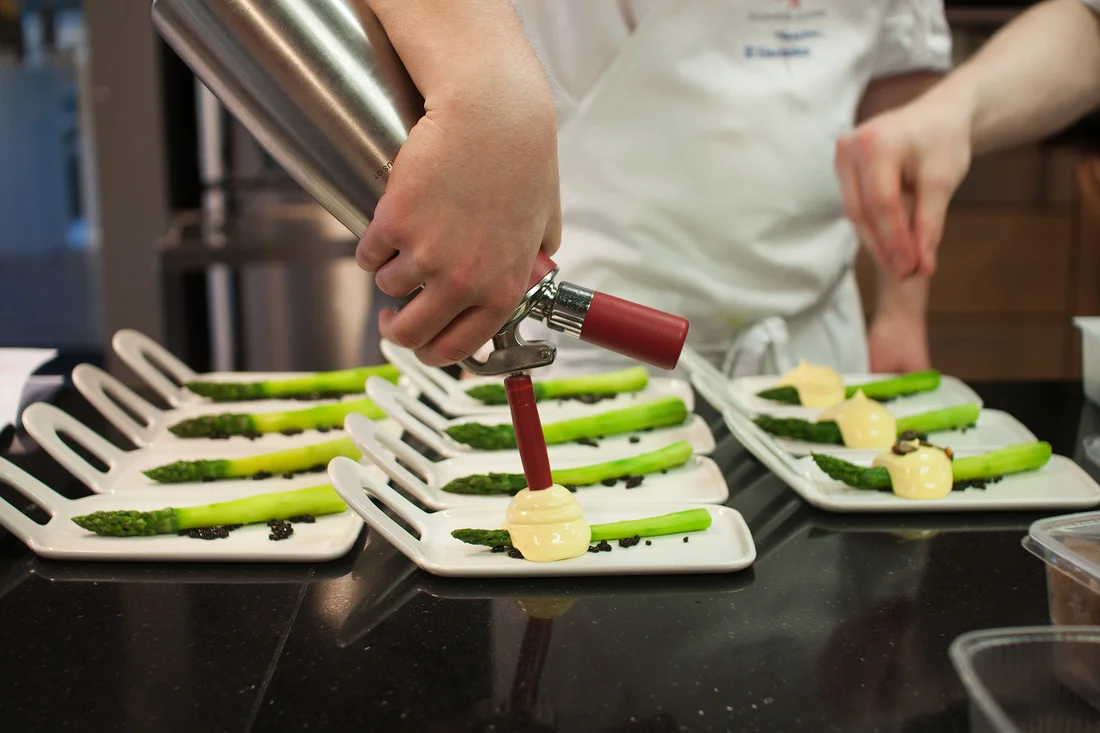
Yet in the last few decades, there has been a surge of interest among chefs, food scientists, and culinary enthusiasts in modern cooking techniques — scientific methods that optimize texture, flavor, consistency, and nutritional value. Techniques such as sous‑vide, pressure cooking, fermentation science, molecular gastronomy, controlled emulsification, and precision heat regulation have revolutionized professional kitchens and, increasingly, home kitchens.
This article explores the convergence between classic home‑style cooking (“家常菜”) and modern culinary techniques. We will trace the roots of traditional comfort food, investigate the science behind new methods, examine why and how chefs are integrating modern techniques into familiar dishes, and illuminate what this fusion means for home cooks today. Through professional insight, detailed analysis, and thoughtfully structured content, we will unveil how tradition and innovation can coexist harmoniously on the plate.
1. Understanding “Home‑Style Cooking” — Definitions, Values, and Cultural Roles
1.1 What Is “Home‑Style Cooking”?
“Home‑style cooking” refers to food prepared in domestic or familial settings — dishes made not for spectacle but sustenance, comfort, and daily nourishment. These are foods rooted in:
- Generational knowledge — recipes passed down through families
- Seasonality and locality — ingredients sourced from gardens, fields, or neighborhood markets
- Economy and resourcefulness — maximizing flavor with modest ingredients
- Emotional resonance — meals tied to memory, ritual, and community
Examples of home‑style cooking from various cultures include:
- Chinese stir‑fried seasonal vegetables and braised meats
- Italian minestrone or ragu simmered for hours
- Japanese nimono (simmered dishes) with root vegetables and fish
- French pot‑au‑feu slow‑cooked with bones, herbs, and root vegetables
- Mexican beans and mole prepared with layers of toasted spices
These dishes are reflective of their regions but rooted in universal principles: comfort, simplicity, and heart.
1.2 The Intangible Value of Traditional Cooking
What makes home cooking special is not only taste and technique but:
- Memory and nostalgia: The “taste of home” often evokes childhood, family gatherings, cultural celebrations.
- Human labor and craft: Techniques are learned by watching and doing — no manuals required.
- Communal experience: Food becomes a vehicle for sharing, bonding, and storytelling.
- Sustainability in practice: Traditional cooking harnesses local abundance, minimizes waste, and makes wise use of every ingredient.
These values form the foundation of culinary traditions worldwide.
2. Modern Culinary Techniques — An Overview of the Innovation Spectrum
In contrast to the intuitive knowledge of home kitchens lie scientifically validated, technology‑enhanced culinary methods designed to maximize consistency, enhance flavor extraction, improve texture, and expand creative possibilities. Many originated in professional kitchens but have slowly trickled into serious home cooking via accessible tools and shared knowledge.
2.1 Sous‑Vide — Precision Heat for Perfect Texture
Sous‑vide (French for “under vacuum”) is the practice of sealing food in a vacuum bag and cooking it in a precisely regulated water bath. This ensures:
- Exact doneness: No risk of overcooking or undercooking
- Retention of moisture and flavor: Vacuum seal preserves aromatics
- Textural consistency: Especially valuable for proteins and vegetables
For example: sous‑vide chicken breast cooked at 62–64 °C (143–147 °F) yields uniform doneness from edge to center — a stark contrast to traditional pan‑searing which creates gradients of texture.
2.2 Pressure Cooking — Rapid Flavor Development
Pressure cooking uses high steam pressure to accelerate cooking times. Modern electric pressure cookers have made this technique widely accessible.
Benefits include:
- Fast breakdown of tough fibers: Ideal for beans, meats, root vegetables
- Flavor concentration: Reduced evaporation keeps aromatics locked in
- Energy efficiency: Shorter cook times with less heat waste
In transforming home stews or braises, pressure cooking preserves depth of flavor with unprecedented speed.
2.3 Emulsification, Gelling, and Molecular Tools
Chefs today utilize tools such as:
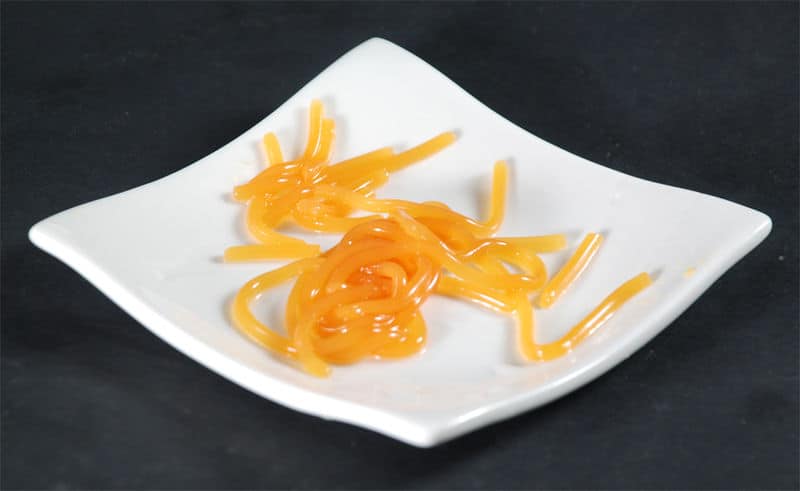
- Xanthan gum, agar agar, and lecithin: For stable emulsions or gels
- Liquid nitrogen: For rapid chill or theatrical texture modification
- Spherification agents: Creating caviar‑like flavor beads
While rooted in molecular gastronomy, these techniques can be used to subtly enhance classic dishes — for example, making a silky emulsion of vinaigrette without separation, or creating playful garnishes that add layered texture rather than distraction.
2.4 Fermentation and Enzyme Control
Fermentation — ancient in practice — has been refined through modern understanding of microbiomes and enzymatic pathways. Chefs and home cooks today use controlled fermentation for:
- Improved digestibility (e.g., sourdough)
- Complex flavor development (e.g., kimchi, kefir, miso)
- **Food preservation with nuance rather than high salt
This overlaps with tradition, but modern techniques allow consistency and safety through controlled cultures and temperatures.
3. Why Combine Classic and Modern Approaches?
The question isn’t merely “Can we modernize home‑style dishes?” — it is a deeper inquiry into why this synthesis matters. The answer resides in universality:
3.1 Elevating Quality Without Losing Soul
Traditional cooking offers soul; modern techniques provide precision. When combined:
- Textures become perfected while retaining familiar flavors
- Nutritional value can be preserved or highlighted
- Reproducibility increases without compromising character
- Time‑intensive steps can be optimized, making classic dishes more accessible
For example, consider a traditional braised beef dish. Slow braising yields flavor but demands hours. Using pressure cooking with controlled browning can achieve the same depth in a fraction of the time while preserving tenderness.
3.2 Expanding Creative Expression
For serious home cooks and professionals alike, modern techniques unlock new ways to:
- Build layers of texture
- Concentrate flavor with control
- Introduce visual creativity without losing cultural context
This is not about creating gimmicks; it is about deepening the sensorial and intellectual engagement with food.
3.3 Enhancing Sustainability and Nutrition
Modern techniques often align with sustainability:
- Sous‑vide reduces energy waste
- Fermentation maximizes ingredient yield
- Precision cooking reduces food waste through consistency
These environmental and nutritional benefits dovetail naturally with the frugality and resourcefulness inherent in home‑style cooking.
4. Foundational Principles for Successful Integration
To combine classic dishes and modern techniques effectively, a conceptual framework is necessary.
4.1 Respect the Core Flavors
The first rule is never override the core identity of the dish. Before applying modern techniques, ask:
- What makes this dish emotionally meaningful?
- Which ingredients define its identity?
- Which textures are non‑negotiable?
Only when these questions are answered can one thoughtfully elevate the dish.
4.2 Understand Technique — Not Just Tools
Using a sous‑vide machine or a gelling agent is not enough — one must understand why and how they affect food chemistry. For instance:
- Heat denatures proteins at specific temperatures
- Collagen gelatinizes at precise thermal thresholds
- Emulsions require surface tension balance and fat distribution
This scientific awareness allows creative intention rather than trial‑and‑error.
4.3 Maintain Emotional Resonance
Modern techniques should enhance, not overshadow, emotional resonance. The best applications of innovation do not make dishes unfamiliar; they make them more expressive, more profound.
5. Case Studies — Bringing Classic Dishes into the Modern Age
5.1 Case Study 1: Home‑Style Stewed Chicken
Traditional Version:
A family stew slowly simmered on the stove for hours, rich in aromatics, herbs, and bone marrow‑enhanced broth.
Modern Technique Application:
- Step 1: Sous‑vide poaching at 64 °C for precise juiciness instead of high heat simmering
- Step 2: Pressure cooking vegetables separately to maintain individual texture profiles
- Step 3: Gelled sauce emulsion for clean plating while preserving traditional flavor
Result:
The richness and depth remain, but each component’s texture is elevated and the overall process becomes more predictable and efficient — preserving heart while embracing contemporary precision.
5.2 Case Study 2: Classic Mashed Potatoes
Traditional Version:
Boiled potatoes mashed with butter and milk — comfort incarnate but often inconsistent in smoothness.
Modern Technique Application:
- Rice‑starch reduction technique: Pass potatoes through a fine mill
- Gentle emulsification with heated cream and melted butter
- Controlled seasoning layers at each stage
Result:
A mashed potato with consistently airy texture and enhanced flavor clarity, more refined yet instantly recognizable.
5.3 Case Study 3: Braised Pork Belly (Dong Po Rou / Kaku‑Niku)
Traditional Version:
Long simmering until fat renders and meat becomes succulent.
Modern Technique Application:
- Initial sous‑vide at controlled high temperature to render even fat distribution
- Flash sear or torched finish for visually compelling Maillard crust
- Reduction‑based gelled sauce application
Result:
A dish that celebrates richness with perfect textural balance — fatty but not heavy, tender but structured.
6. Planning and Technique Selection — A Practical Guide
For home cooks seeking to apply modern methods to classic dishes, follow this structured approach:
6.1 Step 1: Recipe Deconstruction
Analyze:
- Core flavor elements
- Textural priorities
- Cooking milestones (e.g., gelatinization, caramelization)
- Points of difficulty or inconsistency
6.2 Step 2: Technique Mapping
Select techniques that:
- Address inconsistency (e.g., sous‑vide for proteins)
- Preserve nutrient density (e.g., steam or pressure cooking)
- Enhance texture without unnecessary complexity
6.3 Step 3: Equipment Readiness
Equip the kitchen with tools such as:
- Immersion circulator (sous‑vide)
- High‑quality pressure cooker
- Precision thermometer
- Fine mill or ricer
- Stabilizers (xanthan, agar) with understanding of their role
6.4 Step 4: Controlled Testing
Modernizing dishes requires experimentation:
- Keep a cooking journal
- Adjust temperature/time variables in small increments
- Taste frequently and critically
This scientific approach ensures progress and mastery.
7. Professional Insights — Chefs on Tradition and Innovation
Professional chefs who practice this synthesis often share core philosophies:
- Innovation should never mask authenticity.
- Technique must serve flavor and story.
- Home cooking and professional technique are part of a continuum, not opposing forces.
These insights reinforce that modern methods, when thoughtfully applied, amplify rather than replace tradition.
8. Beyond Technique — Presentation, Story, and Cultural Continuity
Modernizing home‑style dishes is not purely technical — it also includes:
8.1 Visual Refinement
Modern presentation should accentuate, not overshadow, the dish’s essence:
- Use thoughtful plating to highlight components
- Preserve familiar shapes and colors for emotional connection
- Balance playfulness with respect for origin
8.2 Storytelling Through Food
Dishes carry narrative. When reimagined:
- Reflect the origin story of ingredients
- Honor the dish’s cultural roots in narration and sharing
- Include context when presenting to guests
This is where modernization becomes meaningful rather than decorative.
8.3 Cultural Continuity and Respect
Innovation should be respectful:
- Preserve original names, where appropriate
- Acknowledge ancestral knowledge
- Engage with elder practitioners
- Avoid trivializing heritage for novelty
9. Challenges — Pitfalls and How to Avoid Them
9.1 Over‑Engineering Comfort
A dish’s soul can be lost when technique becomes spectacle. Remedy:
- Use only necessary tools
- Ask: Does this improve the core experience?
9.2 Accessibility Barriers
Not all homes have advanced tools. Solutions:
- Provide alternative methods
- Focus on techniques that enhance, not alienate
9.3 Misinterpretation of Modern Terminology
Terms like “molecular gastronomy” can intimidate. Clarify:
- These are just methods — not elitist or impractical
Education demystifies and democratizes innovation.
10. The Future of Home‑Style Cooking in a Modern Kitchen
The fusion of traditional cooking and modern technique represents a deeper culinary evolution:
- Home cooks have greater access to precision tools
- Knowledge sharing democratizes professional methods
- Flavor, texture, and nutrition can be elevated without elitism
- Comfort food becomes a vessel for creative expression
This synergy creates an exciting horizon where heritage and innovation harmonize.
Conclusion — A Harmonious Culinary Continuum
Classic home‑style cooking and modern culinary techniques are not opposing paradigms but complementary forces within the evolving landscape of food culture. Traditional dishes encapsulate emotional resonance and cultural memory; modern techniques offer precision, consistency, and scientific insight. When combined with respect and understanding, they open new realms of flavor and texture without sacrificing soul.
This synthesis invites every home cook to approach their kitchen with both heart and craft — honoring the past while welcoming the tools, knowledge, and techniques of the present. In this culinary continuum, every dish becomes not just nourishment, but a story, a craft, and a bridge between generations.