






Introduction
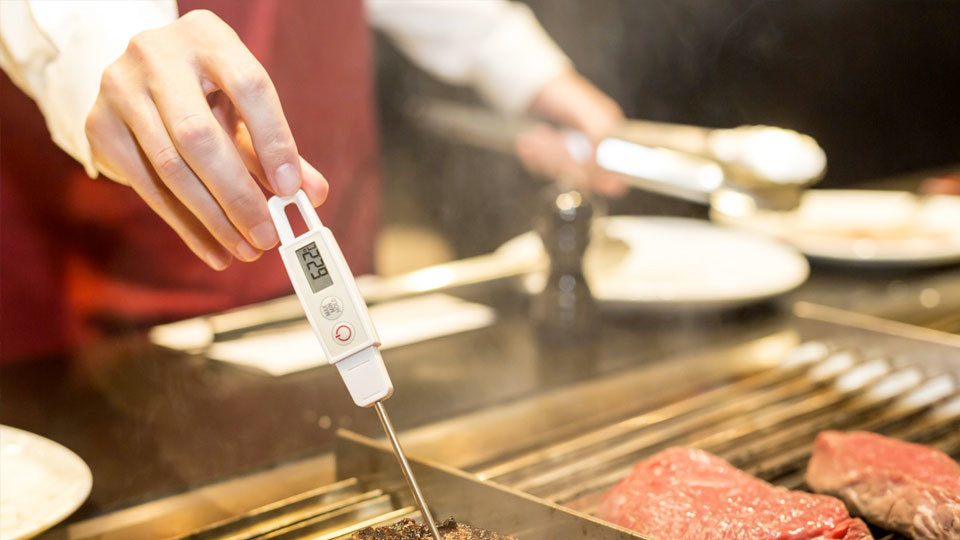
In the global culinary landscape, precision is no longer an optional skill—it is a necessity. From French haute cuisine to Japanese kaiseki, and from Italian pasta perfection to modernist gastronomy, chefs increasingly rely on exact temperature control to achieve consistent quality, flavor balance, and optimal texture. Precise temperature management is not simply a matter of comfort or convenience; it is a cornerstone of professional cooking, critical for both safety and taste.
Temperature control influences every aspect of cooking: the Maillard reaction, protein denaturation, enzymatic activity in vegetables, gelatinization in starches, and the extraction of flavors in sauces. With the advent of modern technologies such as sous-vide immersion circulators, combi ovens, and smart thermometers, chefs now achieve unprecedented control, enabling dishes that honor tradition while embracing innovation.
This article provides an in-depth exploration of the role of precise temperature control in international cuisines, discussing its scientific foundations, practical applications, professional techniques, cultural significance, and future trends in gastronomy.
1. The Science of Temperature in Cooking
1.1 Protein Denaturation
Proteins, the building blocks of most meats, seafood, and plant-based alternatives, are temperature-sensitive molecules. Denaturation occurs when heat causes proteins to unfold and form new structures, affecting:
- Texture: Juiciness in meats, firmness in tofu, creaminess in eggs
- Flavor: Release of umami compounds and fat-soluble aromatic molecules
- Safety: Elimination of pathogenic bacteria
For instance, chicken breast reaches optimal tenderness and safety at 60–65°C, while beef steak requires 52–58°C for medium-rare. Small deviations can lead to dryness or undercooking, highlighting the importance of precision.
1.2 Maillard Reaction and Caramelization
The Maillard reaction is a complex chemical process between amino acids and reducing sugars, producing flavor and color in browned foods. It occurs efficiently between 140–165°C, yet overstepping this range can cause bitterness or over-charring. Similarly, caramelization of sugars in vegetables or desserts requires strict control to avoid burning while achieving the desired flavor.
1.3 Enzymatic and Starch Transformations
Vegetables and grains undergo enzymatic changes and starch gelatinization when exposed to heat:
- Starches in rice, pasta, and potatoes gelatinize between 60–80°C, determining texture and digestibility.
- Vegetables like asparagus, carrots, or green beans require precise blanching temperatures to preserve color, crunch, and nutrients.
Mismanagement of temperature in these delicate processes can ruin the dish entirely.
2. Temperature Control in Classic International Cuisines
2.1 French Cuisine
French cooking emphasizes sauce consistency, meat doneness, and pastry structure:
- Béarnaise sauce: Eggs must be gently cooked at 55–60°C to achieve creamy emulsification without curdling.
- Ratatouille: Slow, uniform cooking enhances flavors while preserving texture.
- Duck à l’Orange: Duck breasts require careful searing and precise oven temperatures to achieve crisp skin without overcooked interior.
2.2 Japanese Cuisine
Japanese cuisine demands delicacy and subtlety, with temperature control as a critical factor:
- Sushi rice: Cooling to exact temperature affects texture and flavor absorption.
- Chawanmushi (savory egg custard): Gentle steaming at 80–85°C ensures silky texture.
- Tempura: Oil temperature must be maintained at 170–180°C to achieve crispness without oil absorption.
2.3 Italian Cuisine
Italian cuisine relies on pasta, risotto, and baked goods, all of which require precise temperatures:
- Risotto: Gradual absorption of broth at controlled heat ensures creamy, al dente texture.
- Pizza ovens: Wood-fired ovens reach 450–500°C, producing the perfect balance of charred crust and tender interior.
- Gelato: Freezing and churning temperatures are critical to achieving smooth texture and optimal flavor distribution.
2.4 Middle Eastern and Indian Cuisine
- Biryani: Slow cooking at moderate heat ensures evenly cooked rice and meat layers.
- Baklava: Oven temperature precision prevents over-browning while caramelizing syrup perfectly.
- Tagines and kebabs: Gradual cooking preserves moisture and enhances aromatic infusion.
3. Modern Techniques for Temperature Precision
3.1 Sous-Vide Cooking
Sous-vide allows vacuum-sealed food to cook in a water bath at exact temperatures:
- Proteins cook evenly edge-to-edge
- Vegetables retain color, texture, and nutrients
- Infusion of herbs, spices, or marinades occurs efficiently
For example: a medium-rare beef tenderloin cooked at 55°C for 90 minutes ensures perfect tenderness throughout, impossible with traditional pan-searing alone.
3.2 Combi Ovens and Steam Injection
Professional kitchens use combi ovens for precise control of heat and humidity:
- Baking, roasting, and steaming can occur at target temperatures with minimal moisture loss
- Ideal for pastries, baked fish, and delicate proteins
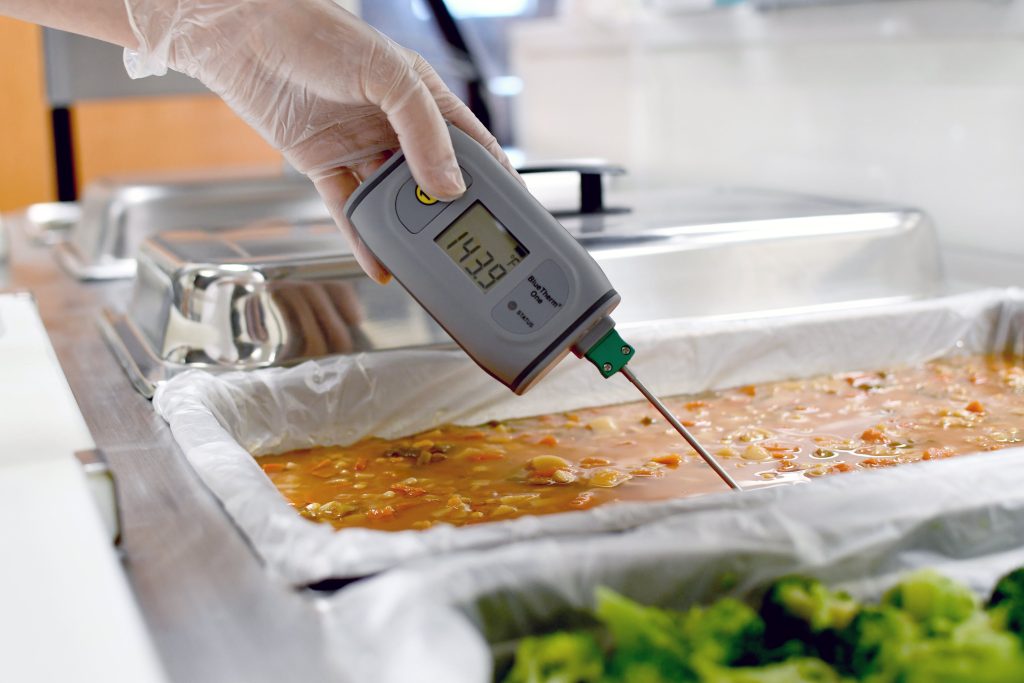
3.3 Thermal Probes and Smart Thermometers
- Thermocouples, infrared sensors, and smart probes provide real-time internal temperature feedback
- Critical for multicourse service and batch preparation in high-volume kitchens
4. Culinary Applications and Benefits
4.1 Consistency and Reproducibility
Precise temperature control allows chefs to replicate dishes consistently, essential for:
- Fine dining establishments
- Catering services
- International restaurant chains
4.2 Texture and Flavor Optimization
- Proteins remain tender and juicy
- Vegetables retain natural sweetness and crunch
- Sauces and custards achieve optimal emulsification
4.3 Nutritional Preservation
- Water-soluble vitamins remain intact with low-temperature cooking
- Reduced oxidation preserves antioxidants in fruits and vegetables
5. Safety Considerations
Proper temperature management is critical for food safety:
- Poultry must reach 74°C internally to eliminate pathogens
- Fish and eggs require gentle cooking to preserve texture without compromising safety
- Sous-vide requires strict adherence to time-temperature guidelines to prevent bacterial growth
6. Cultural Significance of Temperature Precision
6.1 Elevating Culinary Identity
Precision cooking maintains the integrity of traditional recipes, allowing chefs to:
- Honor cultural authenticity
- Innovate while respecting heritage
- Provide a consistent sensory experience
6.2 Fusion and Modernist Gastronomy
- Exact temperature control enables molecular gastronomy techniques
- Delicate textures, foams, and emulsions rely on precision heat
- Cross-cultural dishes achieve harmony through temperature management
7. Global Examples
7.1 French Haute Cuisine
- Thomas Keller’s use of sous-vide ensures tender proteins
- French sauces achieve flawless emulsion with precise heat
7.2 Japanese Kaiseki
- Careful steaming and blanching preserve delicate seasonal ingredients
- Highlights umami without overcooking
7.3 Italian Modernist Cuisine
- Bottura and other chefs combine traditional Italian flavors with temperature-controlled techniques to achieve novel textures
7.4 Molecular Gastronomy
- Foams, gels, and spheres require strict thermal parameters to maintain structure and flavor
8. Equipment Innovations Supporting Precision
- Immersion circulators for sous-vide
- Induction cooktops for accurate heat regulation
- Multi-zone ovens for baking and roasting
- Smart thermometers with app connectivity for remote monitoring
These innovations allow chefs to balance creativity with scientific control, ensuring optimal results for every dish.
9. Challenges in Maintaining Temperature Precision
- Equipment calibration is essential
- Staff training is required for consistent results
- Heat-sensitive dishes require constant monitoring
- Environmental factors such as ambient temperature and humidity must be managed
Professional kitchens address these challenges through standard operating procedures, recipe control charts, and regular maintenance of devices.
10. Future Directions
10.1 Integration with AI and IoT
- Smart kitchen devices can automate temperature adjustments
- AI predicts optimal cooking times for different ingredient sizes
- IoT-connected kitchens improve workflow and reduce waste
10.2 Sustainability and Energy Efficiency
- Precise control reduces overcooking and energy waste
- Minimizes food waste due to improved consistency
10.3 Culinary Education
- Culinary schools are incorporating temperature science into their curricula
- Future chefs are trained in both traditional techniques and modern precision cooking
Conclusion
Across international cuisines, temperature control is a fundamental determinant of quality, flavor, and safety. From the delicate custards of Japan to the robust sauces of France, and from Italian pasta to Indian biryani, precision in heat management allows chefs to unlock the full potential of ingredients.
Modern culinary tools such as sous-vide machines, combi ovens, and smart thermometers enable chefs to consistently produce dishes that meet the highest gastronomic standards while preserving nutritional integrity and enhancing textures. Beyond technique, temperature precision represents a bridge between tradition and innovation, allowing chefs worldwide to respect cultural heritage while embracing creativity.
Ultimately, precise temperature control is more than a technical skill—it is a philosophy of cooking, reflecting the balance of science, artistry, and respect for ingredients that defines contemporary international cuisine.