






Introduction: The Heart of European Cuisine
European cuisine is renowned for its emphasis on high-quality, simple ingredients that elevate the natural flavors of a dish. Among the most iconic ingredients that define European cooking are olive oil and fresh herbs. These two staples are deeply rooted in the culinary traditions of the Mediterranean, but their influence spans across the entire continent.
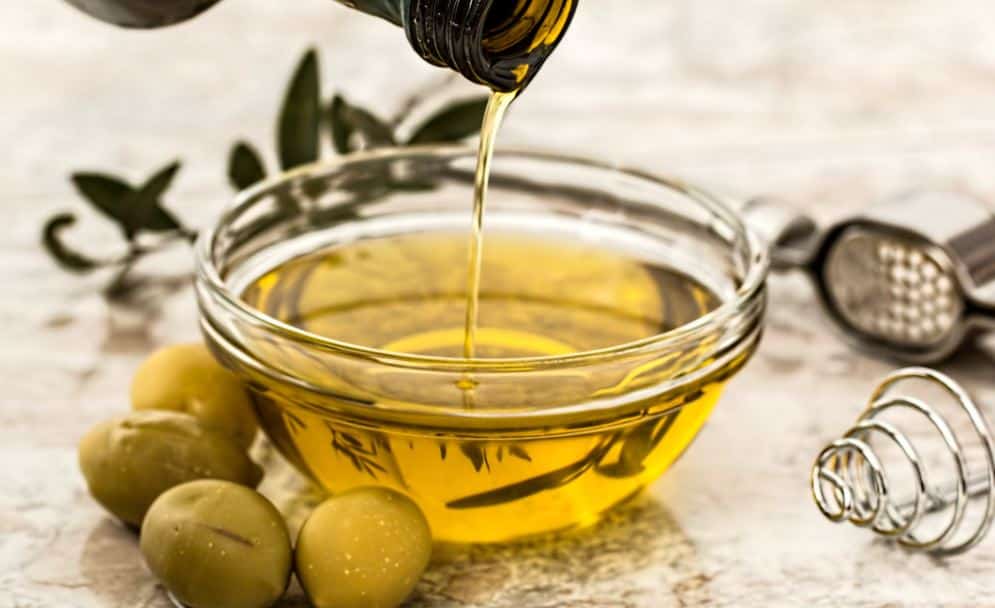
Olive oil, known for its versatility and health benefits, is the primary fat used in Mediterranean kitchens. Its rich, fruity flavor adds depth to dishes and serves as a cornerstone for numerous cooking methods. Paired with fresh herbs, which provide vibrant, aromatic elements, olive oil transforms simple meals into flavorful, multi-sensory experiences.
In this article, we explore the historical significance, culinary uses, and health benefits of olive oil and fresh herbs in European cuisine. We will also discuss how these ingredients are applied in both traditional and contemporary cooking, from rustic dishes to fine dining presentations.
Part 1: Olive Oil – The Liquid Gold of Europe
1.1 A History of Olive Oil in European Cuisine
The use of olive oil in cooking dates back thousands of years, with its origins in the ancient Mediterranean civilizations. Olive trees, native to the Mediterranean basin, were cultivated by the Greeks, Romans, and Egyptians for both their oil and fruit. Olive oil soon became integral to the culinary practices of these cultures, valued for its flavor, nutritional properties, and versatility.
Throughout history, olive oil has been used in various ways—from cooking and frying to preserving foods and enhancing salads. Its importance extends beyond cooking: olive oil was also used in religious rituals, for anointing, and even for cosmetic purposes. In the Mediterranean, the olive tree is often referred to as a symbol of peace, longevity, and prosperity, a fitting tribute to its impact on the region’s culture.
1.2 Types of Olive Oil: Extra Virgin, Virgin, and Refined
Not all olive oils are created equal. Extra virgin olive oil (EVOO) is considered the highest quality and most flavorful type. It is made from the first cold press of the olives and has a rich, robust flavor profile that can range from fruity and peppery to mild and buttery. Extra virgin olive oil is ideal for drizzling over salads, dipping bread, or finishing a dish with a burst of flavor.
Virgin olive oil is slightly lower in quality than extra virgin oil but still retains good flavor. It is often used for cooking, especially at lower temperatures. Refined olive oil, on the other hand, undergoes further processing, resulting in a neutral flavor and higher smoke point, making it more suitable for high-heat applications like frying.
1.3 Olive Oil in European Culinary Traditions
In Mediterranean countries such as Italy, Spain, Greece, and France, olive oil is not merely a cooking fat but a fundamental part of the dietary culture. Olive oil is used in almost every aspect of cooking—from preparing base sauces like tomato sauce in Italy to roasting vegetables in Spain. In France, particularly in the Provence region, olive oil is essential for preparing herb-infused oils used in dishes like ratatouille and bouillabaisse.
The French and Italians, in particular, have mastered the art of combining olive oil with fresh herbs. A simple infusion of olive oil with garlic, rosemary, or thyme can serve as the foundation for a wide variety of dishes, from grilled meats to pasta. Olive oil also plays a crucial role in dressing salads, making it an essential part of a classic Mediterranean diet, praised for its health benefits.
1.4 Health Benefits of Olive Oil
The health benefits of olive oil, particularly extra virgin olive oil, have been widely recognized in recent years. Rich in monounsaturated fats, which are heart-healthy, olive oil has been shown to reduce bad cholesterol levels and improve cardiovascular health. It also contains powerful antioxidants, such as vitamin E and polyphenols, which help combat oxidative stress and inflammation in the body.
Moreover, studies have suggested that olive oil may contribute to the prevention of chronic diseases like type 2 diabetes, Alzheimer’s disease, and certain forms of cancer. The Mediterranean diet, which is high in olive oil, is often cited as one of the healthiest dietary patterns, promoting longevity and reducing the risk of heart disease.
Part 2: Fresh Herbs – The Flavorful and Aromatic Essence of Cooking
2.1 The Role of Fresh Herbs in European Cuisine
Herbs have been an essential component of European cooking for centuries. Whether used to season meats, flavor soups, or add brightness to salads, fresh herbs provide a balance of flavors that elevate the culinary experience. From the rosemary of the Italian countryside to the parsley in French bistros, herbs are indispensable in creating layered, aromatic dishes.
Each region of Europe has its own signature herbs that define its cuisine. In Italy, basil, oregano, and sage are frequently used, especially in pasta dishes, pizzas, and meat sauces. Spain boasts an array of herbs, including parsley, thyme, and bay leaves, which are used to flavor everything from paella to tapas. In France, the famous herbes de Provence, a blend of rosemary, thyme, and lavender, is used to season a variety of dishes.
Fresh herbs are prized not only for their flavor but also for their aromatic qualities. Basil provides a sweet, slightly peppery flavor, while thyme has a more earthy, floral aroma that adds depth to meats and stews. The menthol freshness of mint brightens up desserts and beverages, while the sharpness of parsley cuts through the richness of dishes like creamy soups and roast meats.
2.2 The Versatility of Fresh Herbs in Cooking
One of the most exciting aspects of working with fresh herbs is their versatility. Basil, for example, is commonly used in Italian pesto, but it can also be paired with tomatoes in salads, stirred into soups, or scattered over pizza. Rosemary, which can be sprigs or finely chopped, pairs beautifully with roast lamb, potatoes, and even breads.
In addition to savory uses, herbs like lavender and mint are used in desserts and beverages. Lavender pairs wonderfully with chocolate and is commonly used in French macarons and shortbread cookies, while mint is an essential ingredient in cocktails like the Mojito or Mint Julep, as well as in mint-infused syrups for desserts.
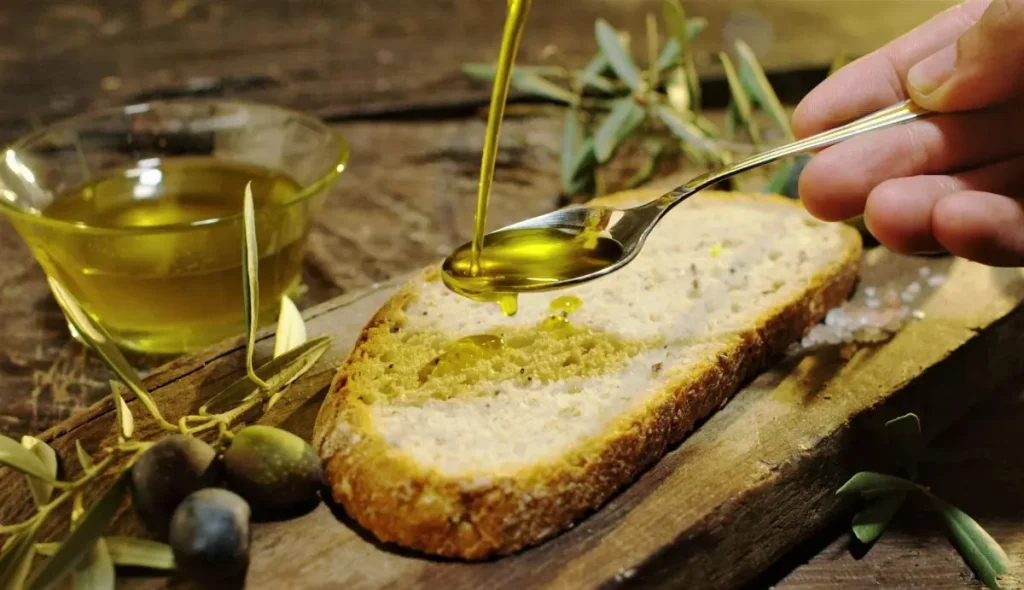
Herbs can also be used to make herb-infused oils and vinegars, which serve as the base for sauces or as dressings. For instance, garlic-infused olive oil is perfect for drizzling over a warm loaf of bread, while rosemary vinegar can add a zesty element to roasted vegetables or fresh salads.
2.3 Health Benefits of Fresh Herbs
Beyond their ability to enhance flavor, many fresh herbs also offer significant health benefits. Herbs like mint and ginger are known for their digestive benefits, helping to soothe stomach discomfort and reduce bloating. Basil is packed with antioxidants, while oregano has antibacterial properties, making it a great addition to the diet for its immune-boosting qualities.
Fresh herbs like parsley are also excellent sources of vitamin K, which is essential for bone health, while thyme has been shown to have anti-inflammatory properties. Incorporating fresh herbs into meals can provide a natural, flavorful way to boost your intake of essential nutrients without added calories or fat.
Part 3: Pairing Olive Oil with Fresh Herbs
3.1 Creating Harmonious Flavors
One of the key reasons olive oil and fresh herbs are so popular in European cooking is because they complement each other so well. The richness of olive oil provides a perfect base for the vibrant, aromatic qualities of fresh herbs. The healthy fats in olive oil help to extract the essential oils from herbs, allowing their flavors to infuse the oil and penetrate into dishes.
For example, a classic Mediterranean salad is elevated with a drizzle of extra virgin olive oil, oregano, and a touch of lemon juice. In Italian cuisine, olive oil and basil are often paired together to create fresh pesto or drizzled over a plate of bruschetta.
3.2 Herb-Infused Olive Oils
Infusing olive oil with fresh herbs is a simple yet effective way to create a fragrant, flavorful ingredient that can be used in a variety of dishes. Garlic and rosemary are commonly used to create infused oils that can be drizzled over roasted vegetables or used as a dipping sauce for fresh bread. Other combinations include sage and thyme or basil and lemon.
Infused oils can also serve as the base for dressings, adding both flavor and a touch of luxury to any meal. Herb-infused olive oils make wonderful gifts for food lovers and can be customized with any combination of herbs, spices, and citrus zest.
Conclusion: Celebrating the Simplicity and Elegance of Olive Oil and Fresh Herbs
In European cuisine, olive oil and fresh herbs are not just ingredients; they are the foundation of flavor, texture, and health. These ingredients are versatile, enriching every dish they touch and providing a link between tradition and modern culinary creativity. The simple act of drizzling olive oil on a salad, adding fresh herbs to a roast, or infusing oil with aromatic flavors allows professional chefs and home cooks alike to create food that is both delicious and deeply connected to the culture and history of Europe.
As the Mediterranean diet continues to gain recognition worldwide for its health benefits, the use of olive oil and fresh herbs remains central to crafting meals that are both nourishing and indulgent. By incorporating these essential ingredients into everyday cooking, we can embrace a culinary tradition that prioritizes both flavor and well-being, with every bite telling a story of European culture and passion for food.