






Introduction: The Essence of Southeast Asian Cuisine
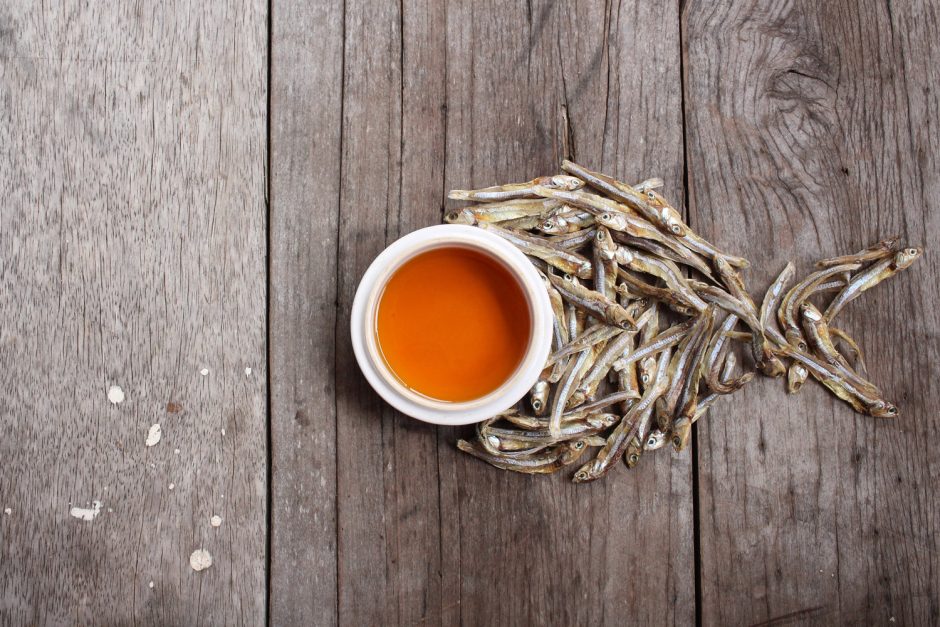
Southeast Asian cuisine is known for its bold and complex flavors, which blend a variety of sweet, salty, sour, and bitter elements. One key ingredient that plays a pivotal role in achieving this dynamic flavor profile is fish sauce. Fish sauce (known as “nam pla” in Thailand, “nuoc mam” in Vietnam, and “patis” in the Philippines) is an ancient, fermented seasoning made from fish, commonly anchovies or other small fish, and salt. Its ability to impart a deep, savory umami flavor to dishes makes it indispensable in many Southeast Asian recipes.
The significance of fish sauce in Southeast Asian cooking goes beyond its role as a mere seasoning; it is a cultural icon. It has been used for centuries and is an integral part of the region’s culinary identity. Whether it’s the spicy-sour Vietnamese pho, the Thai som tum (green papaya salad), or the Filipino adobo, fish sauce enhances the flavor complexity of these iconic dishes, tying together the delicate balance of ingredients.
This article explores the history, production process, culinary uses, and the undeniable influence of fish sauce in Southeast Asian cuisine. We will examine how this humble ingredient has become a cornerstone of not only Southeast Asian kitchens but also global gastronomy.
Part 1: The Origins and History of Fish Sauce
1.1 Ancient Beginnings: A Tradition of Fermentation
Fish sauce has deep historical roots in Southeast Asia. Its origins can be traced back over 2,000 years to ancient China and Southeast Asia, where fish fermentation was first practiced as a preservation method. Early civilizations discovered that by fermenting fish with salt, they could create a liquid that would preserve the fish’s flavors and nutrients for extended periods. This naturally fermented fish liquid eventually became known as fish sauce.
Historically, fish sauce was used for both culinary and medicinal purposes. In ancient times, fish sauce was not just a flavoring agent but also a valuable form of protein and nutrition. Salted fish was one of the primary food preservation techniques, especially in coastal regions where fish were abundant.
As trade routes expanded, fish sauce began to spread across the region, with each country and culture adding their own unique twist. By the time fish sauce reached Vietnam, Thailand, and the Philippines, it had become an essential ingredient, integral to the flavor profile of local dishes.
1.2 The Rise of Fish Sauce in Southeast Asia
Fish sauce reached its peak of prominence in Southeast Asia during the 15th to 17th centuries. The Vietnamese, Thai, Cambodians, and Filipinos began to refine the techniques of fermentation and develop regional variations. It was especially important in Vietnam, where fish sauce became synonymous with the nation’s culinary identity.
In Vietnam, the sauce is often crafted from anchovies, mixed with salt and allowed to ferment for months, sometimes even years. The resulting liquid is then filtered, producing a clear, amber-colored sauce. Over the centuries, the process and usage of fish sauce remained relatively consistent, with local families passing down recipes from generation to generation.
The Thai version of fish sauce, “nam pla”, developed slightly differently due to the region’s unique fishing practices and climate. The fish sauce produced in Thailand tends to be more aromatic and slightly lighter in flavor compared to its Vietnamese counterpart. These regional differences contribute to the vast diversity of flavors found in Southeast Asian cuisines, all of which rely on fish sauce as a fundamental seasoning.
Part 2: The Production Process of Fish Sauce
2.1 The Basic Ingredients: Fish and Salt
At its core, fish sauce is made from just two ingredients: fish and salt. Small fish such as anchovies, mackerel, or sardines are caught fresh, then layered with sea salt. The fish and salt are placed in large vats or barrels and left to ferment under the sun for several months to years. During this process, enzymes in the fish break down proteins and amino acids, creating the distinctive umami flavor.
The fermentation process is highly dependent on climate, and different countries and regions have their own preferred methods. In Thailand, for example, fish sauce is fermented in open-air containers, allowing for a unique microbial environment to develop. In contrast, Vietnam’s more controlled fermentation process uses wooden barrels and typically takes longer.
2.2 The Fermentation Process: Time, Temperature, and Patience
Fermentation is the heart of fish sauce production. As the fish and salt break down, the liquid released is carefully drained and filtered. The longer the fermentation process, the more intense and refined the flavor becomes. The first extraction—known as first press or “nuoc mam nhi” in Vietnam—is the most prized, offering a rich, golden liquid with complex flavors.
After the initial extraction, the remaining fish and brine may undergo a second and even third pressing. These secondary extracts are used for making lower-grade fish sauces, which can still provide a savory kick to dishes but are often diluted for mass production.
The best fish sauces are often produced by small, family-owned businesses using traditional methods. These artisanal fish sauces tend to be more complex, with a depth of flavor that mass-produced versions can lack. Traditional fermentation can last anywhere from six months to two years, allowing the flavors to develop fully.
2.3 The Flavor Profile: Umami at Its Core
The defining characteristic of fish sauce is its intense umami flavor. Umami, often referred to as the fifth taste (alongside sweet, salty, sour, and bitter), is the savory depth that makes food taste rich and satisfying. Fish sauce is the quintessential source of umami in Southeast Asian cuisine, often replacing soy sauce or salt in various recipes.
The fermentation process enhances the natural glutamates in the fish, resulting in a liquid that is highly concentrated in amino acids and minerals. Fish sauce has a salty, savory, and sometimes slightly sweet profile, with a deep, robust aroma that can be polarizing to some but cherished by culinary enthusiasts around the world.
Part 3: The Culinary Uses of Fish Sauce
3.1 Fish Sauce in Southeast Asian Dishes
Fish sauce is an essential ingredient in many Southeast Asian dishes, and its versatility is unmatched. It serves as a primary seasoning, contributing depth to broths, sauces, marinades, and dressings. Here are a few ways fish sauce is utilized in everyday dishes:
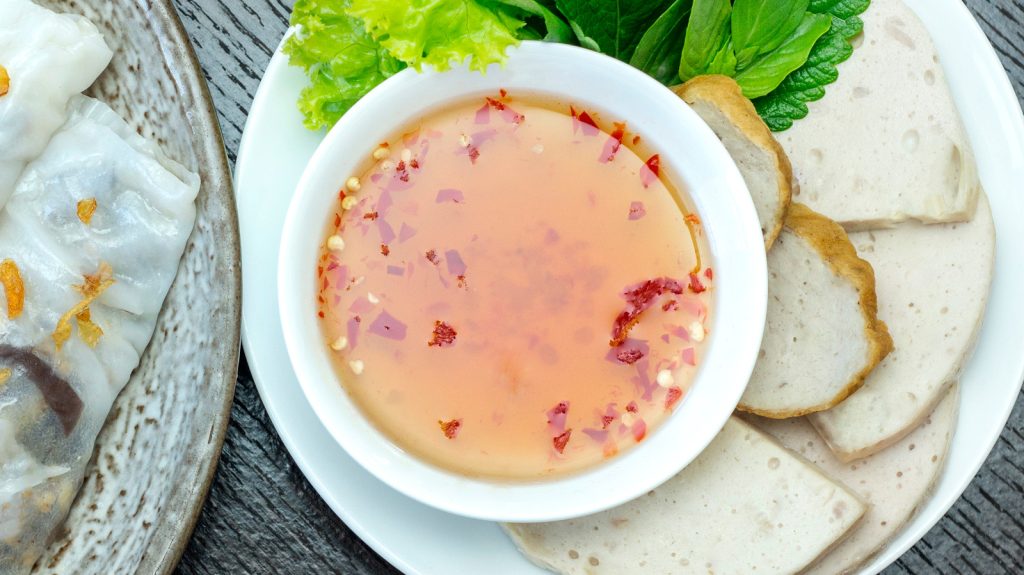
- Vietnam: In Vietnam, pho—the iconic noodle soup—is enriched with fish sauce. It adds complexity and depth to the clear broth, alongside other spices like cinnamon and star anise. Fish sauce is also a key component in the dipping sauce nuoc cham, which is served with dishes like summer rolls and bánh xèo (Vietnamese pancakes).
- Thailand: Fish sauce is integral in the preparation of som tum, a green papaya salad made with shredded papaya, tomatoes, chilies, and lime. The fish sauce provides a salty base to the dish, which balances the sourness of lime and the sweetness of palm sugar. It is also used in Thai curries and stir-fries.
- Philippines: In Filipino cuisine, fish sauce (known as patis) is often used in adobo—a traditional dish made from meat (usually chicken or pork) marinated and cooked in vinegar, soy sauce, and patis. The salty, umami notes from the fish sauce help to bring together the tangy and savory flavors of the marinade.
- Cambodia: Known as “kapi” in Cambodia, fish sauce is used in many traditional Khmer dishes, including sour soup (samlor) and salads. The local variety tends to be much stronger and saltier than other regional fish sauces.
3.2 Fish Sauce as a Key Ingredient in Marinades and Sauces
Fish sauce is not limited to just soups and salads; it also plays a central role in marinades and dipping sauces. When combined with garlic, lime, chilies, and palm sugar, it makes a powerful marinade for meats and seafood, infusing them with umami flavor while tenderizing the protein.
In the making of dipping sauces, fish sauce can be paired with other ingredients like vinegar, sugar, or tamarind to balance the salty, sour, and sweet elements. These versatile sauces can be served with spring rolls, grilled meats, or fresh vegetables, enhancing the flavor profile of any dish.
3.3 Global Influence of Fish Sauce
The influence of fish sauce has gone far beyond Southeast Asia. Its rich, umami flavor has begun to appear in many global kitchens, from fusion dishes to modern Western cuisines. Chefs in the West have embraced fish sauce as a way to enhance the savory depth of their dishes. Its use is not limited to traditional Southeast Asian recipes; it has found its way into everything from pasta sauces to barbecue marinades, adding a new layer of flavor that was previously unexplored in Western culinary traditions.
Part 4: The Health Benefits of Fish Sauce
While fish sauce is often associated with being high in sodium, it does have some health benefits when consumed in moderation:
- Rich in Amino Acids: Fish sauce contains a high concentration of amino acids, particularly glutamates, which are responsible for its umami flavor. These amino acids are essential for the body’s muscle-building, metabolism, and tissue repair.
- Probiotics: Due to the fermentation process, fish sauce contains beneficial bacteria that can aid digestion, similar to other fermented foods like yogurt and kimchi.
- Vitamins and Minerals: Fish sauce provides trace amounts of vitamins and minerals, such as vitamin B12, phosphorus, and omega-3 fatty acids, which contribute to overall health.
However, it’s important to consume fish sauce in moderation due to its high sodium content, particularly for those who are monitoring their salt intake.
Conclusion: Fish Sauce – A Flavorful Legacy in Southeast Asian Cuisine
Fish sauce is more than just a condiment in Southeast Asian cuisine; it is a cultural treasure, steeped in history and tradition. It is a versatile, umami-packed ingredient that plays a pivotal role in the balance of flavors in Vietnamese, Thai, Filipino, and Cambodian dishes, bringing dishes to life with its deep, savory notes. The combination of its umami richness and its fermented history makes it an indispensable seasoning that has crossed borders and captivated food lovers around the world.
From its ancient origins to its modern-day uses, fish sauce continues to be an essential ingredient in kitchens worldwide. As global interest in Southeast Asian cuisine grows, so too does the appreciation for this flavorful, rich seasoning that brings depth and savory complexity to any dish.