





Introduction
In the world of contemporary desserts, Japanese Matcha Cake has risen to global prominence as a symbol of both elegance and innovation. This cake combines the delicate, slightly bitter taste of matcha green tea powder with soft sponge layers, creamy fillings, and sometimes decorative toppings such as red bean paste or white chocolate. Its popularity reflects not only the rising global interest in Japanese flavors but also the universal appeal of desserts that are aesthetically beautiful, flavorful, and texturally balanced.
Matcha, a finely ground powdered green tea used traditionally in Japanese tea ceremonies, is the defining ingredient of this dessert. Its vibrant green hue and unique umami flavor make it both visually striking and palatably sophisticated. While Japanese Matcha Cake may appear simple at first glance, it is a carefully crafted dessert that combines precise baking techniques, ingredient quality, and artistic presentation.
This article explores the history and cultural significance of matcha, the key ingredients and preparation techniques for Japanese Matcha Cake, various creative adaptations, and tips to master this dessert at home or in a professional kitchen.
1. The Origins and Cultural Significance of Matcha
1.1 History of Matcha in Japan
Matcha has a rich history spanning over eight centuries in Japan. Originally brought from China during the 12th century by Zen Buddhist monks, matcha was initially used for meditation practices due to its stimulating yet calming properties. Over time, the powdered green tea became central to the Japanese tea ceremony (chanoyu), emphasizing mindfulness, precision, and respect for tradition.
The flavor profile of matcha—its mild bitterness, earthy undertones, and slight sweetness—makes it uniquely suited for both ceremonial beverages and culinary applications. Its integration into desserts such as cakes, ice creams, and confections reflects Japan’s modern adaptation of traditional flavors into contemporary cuisine.
1.2 Matcha as a Global Ingredient
In recent years, matcha has transcended cultural boundaries, becoming a popular ingredient worldwide. Its vibrant green color, rich antioxidants, and distinctive taste have made it a favorite in cafes, bakeries, and high-end pastry kitchens. In desserts, matcha not only adds flavor but also elevates the visual appeal, creating a sophisticated and recognizable aesthetic.
2. Key Ingredients of Japanese Matcha Cake
The distinct flavor and texture of Japanese Matcha Cake come from a careful selection of ingredients. Each component plays a role in balancing taste, texture, and appearance.
2.1 Matcha Powder
- Quality Matters: Use ceremonial-grade matcha for intense flavor and vibrant color. Culinary-grade matcha is acceptable but may result in a slightly muted flavor.
- Flavor Contribution: Provides the iconic earthy, slightly bitter taste that pairs perfectly with sweet cake layers.
- Color: Gives the cake its signature bright green hue, creating a visually striking dessert.
2.2 Cake Base
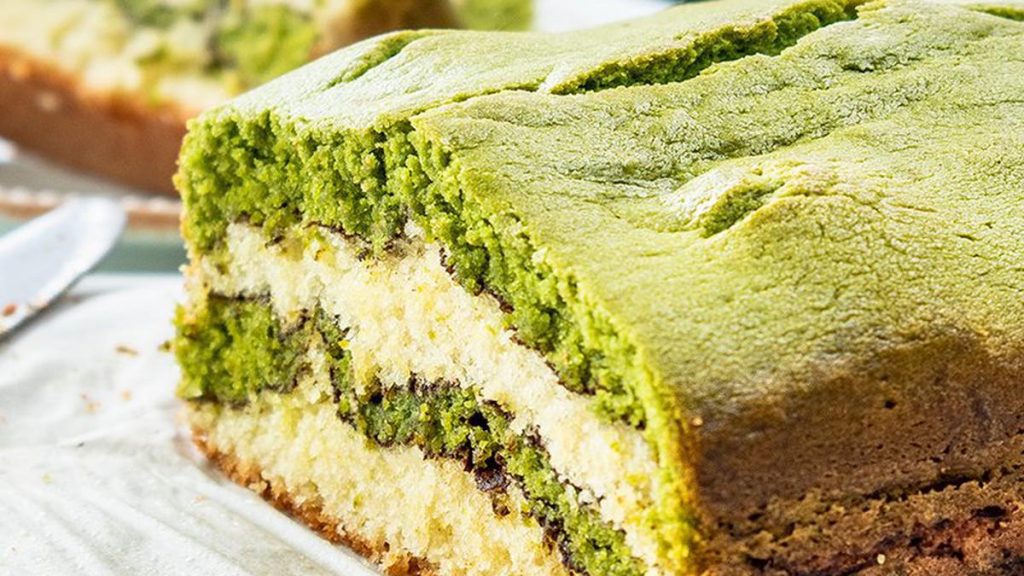
The base of Japanese Matcha Cake is typically a light sponge or chiffon cake. Japanese sponge cakes are renowned for their airy, soft, and moist texture, achieved through careful egg-whipping techniques and minimal flour content.
- Eggs: Provide structure, leavening, and richness.
- Flour: Cake flour is preferred for its low protein content, resulting in a tender crumb.
- Sugar: Balances matcha’s natural bitterness.
- Butter or Oil: Some recipes use melted butter for richness, while chiffon-style cakes use vegetable oil for a lighter texture.
2.3 Cream Filling
- Whipped Cream (Fresh Cream): Lightly sweetened whipped cream is the most common filling for Japanese Matcha Cake. Its creaminess balances the slight bitterness of matcha and provides a smooth texture between sponge layers.
- Mascarpone or Cream Cheese: Sometimes incorporated to add richness and tang, creating variations similar to matcha tiramisu or mousse cakes.
2.4 Optional Flavor Enhancers
- Sweetened Red Bean Paste (Anko): Adds a traditional Japanese element that complements matcha’s earthy flavor.
- White Chocolate or Dark Chocolate Drizzle: Provides a textural and flavor contrast.
- Fruits: Strawberries, raspberries, or yuzu can enhance freshness and color.
3. Techniques for Preparing Japanese Matcha Cake
Achieving the delicate texture and vibrant flavor of Japanese Matcha Cake requires attention to technique. Here are the critical steps:
3.1 Sifting Matcha and Flour
Sifting ensures that matcha powder and cake flour are free of lumps. Lumps can create uneven texture or clumps of matcha in the batter. Proper sifting ensures a smooth, uniform green sponge.
3.2 Whipping Eggs
Japanese sponge cakes rely heavily on properly whipped eggs:
- Egg Whites: Beaten to stiff peaks with sugar to create meringue, which provides lightness and volume.
- Egg Yolks: Gently incorporated to add richness.
- Folding Technique: Egg whites are carefully folded into the yolk-flour mixture to retain air, preventing the cake from collapsing.
3.3 Baking
- Temperature Control: Baking at moderate temperature ensures even cooking without browning excessively, which can dull the green color.
- Pan Preparation: Using a round or square cake pan lined with parchment paper prevents sticking.
3.4 Layering and Assembly
Once the sponge layers are baked and cooled:
- Slice horizontally to create thin layers.
- Spread cream evenly between layers.
- Optional fillings (like anko or fruit) can be added between layers.
- Top with a thin layer of cream, dusted with matcha powder for visual appeal.
3.5 Chilling
Refrigeration is essential to:
- Set the cream layers.
- Enhance the flavor as matcha and cream meld.
- Make slicing cleaner and presentation neater.
4. Popular Variations
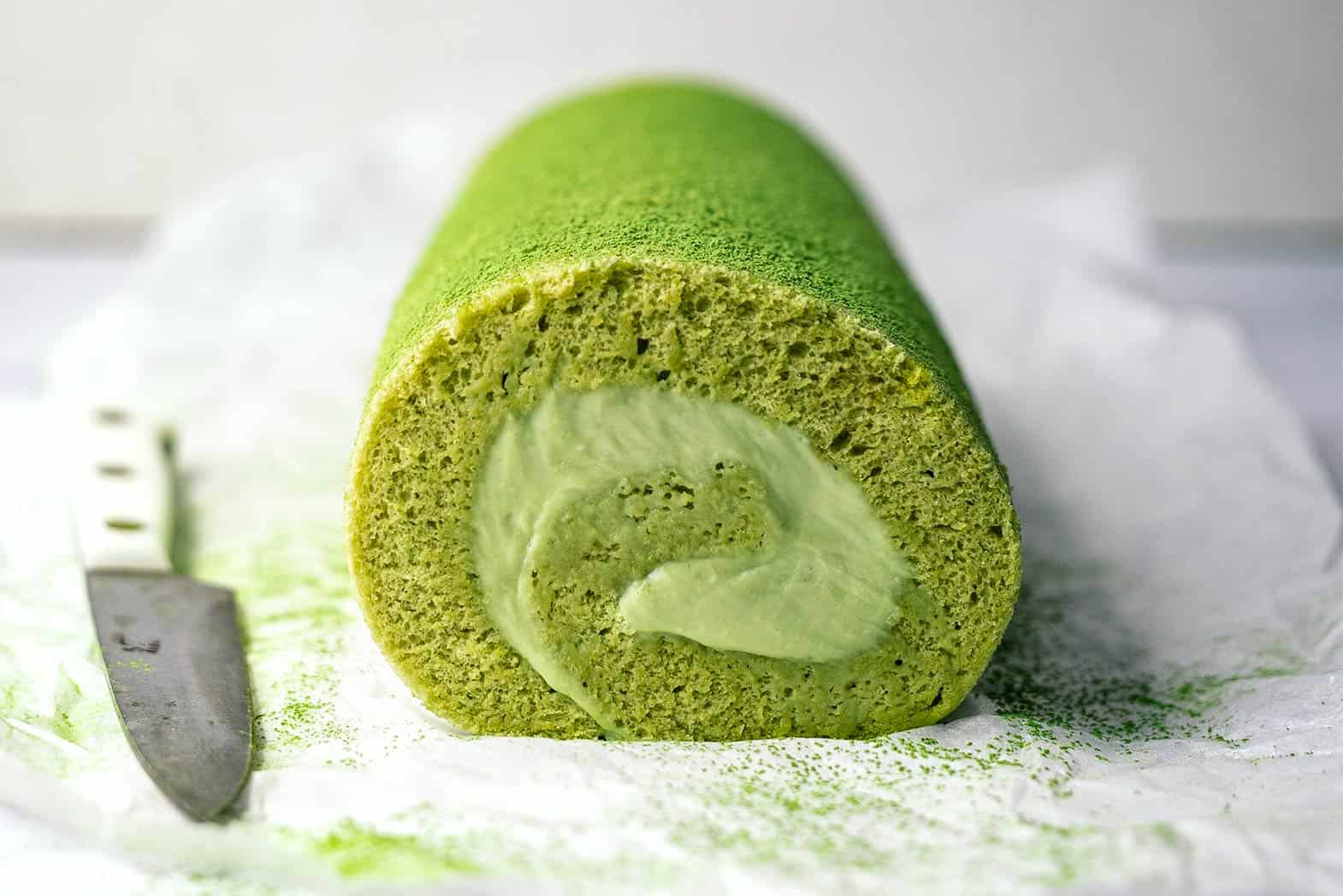
4.1 Matcha Roll Cake
- Rolled sponge cake filled with cream and sometimes red bean paste.
- Popular for its visually appealing spiral pattern and individual portioning.
4.2 Matcha Mousse Cake
- Combines airy sponge with a light matcha mousse layer.
- Often glazed with white chocolate or decorated with edible flowers.
4.3 Matcha Tiramisu
- Inspired by Italian tiramisu, layers of matcha-soaked sponge and mascarpone cream are assembled.
- Dusting with matcha powder instead of cocoa creates a uniquely Japanese twist.
5. Serving and Presentation
Japanese Matcha Cake is as much about visual appeal as flavor:
- Serve in individual slices or mini cakes for elegance.
- Garnish with fresh berries, gold leaf, or white chocolate curls.
- Dust the top with matcha powder for a classic finish.
- Use clear glass plates to emphasize the vibrant green layers.
6. Health Benefits of Matcha in Desserts
- Rich in Antioxidants: Matcha contains high levels of catechins, which help fight oxidative stress.
- Moderate Caffeine Boost: Provides gentle alertness without the jitters associated with coffee.
- L-theanine Content: Promotes relaxation and focus, making matcha a calming yet energizing dessert ingredient.
While the cake itself is sweet and indulgent, incorporating matcha introduces a subtle nutritional advantage compared to purely sugary desserts.
7. Tips for Perfect Matcha Cake
- Use high-quality ceremonial matcha for vivid color and full flavor.
- Avoid overmixing once egg whites are folded to prevent deflating the sponge.
- Cool sponge layers completely before assembly to avoid melting the cream.
- Dust matcha powder last minute for bright visual presentation.
- Experiment with fillings like cream cheese, mousse, or fruit for variety.
Conclusion
Japanese Matcha Cake represents a harmonious blend of tradition, flavor, and aesthetics. From its vibrant green color to the delicate balance of sweet cream and earthy matcha, it exemplifies the Japanese approach to dessert: simple yet refined, flavorful yet visually stunning. Whether enjoyed in a café, at home, or as part of a special celebration, this cake captures the essence of modern Japanese patisserie.
Its popularity reflects a global appreciation for Japanese flavors and the artistry of combining texture, taste, and presentation in desserts. With careful technique, quality ingredients, and creative variations, Japanese Matcha Cake can be mastered by home bakers and professional pastry chefs alike, offering both indulgence and elegance in every slice.