






Introduction:
Salsa is more than just a dip or topping—it’s a staple in Mexican cuisine, integral to dishes such as tacos, nachos, grilled meats, and more. With its fresh, vibrant flavors and perfect balance of heat and acidity, salsa has captured the hearts of food lovers worldwide. Whether served with crispy tortilla chips, as an accompaniment to grilled meats, or as a condiment for tacos and quesadillas, a good salsa elevates any dish.
In this article, we will explore the traditional way to prepare authentic Mexican salsa at home. From understanding the key ingredients to mastering the methods used to make it, you’ll soon be able to replicate the bold, zesty flavors of Mexico right in your own kitchen. We will discuss different types of salsa, including Salsa Roja, Salsa Verde, Pico de Gallo, and more, ensuring that you’ll have a comprehensive understanding of salsa-making and the rich history behind it.
1. The Essential Ingredients of Traditional Salsa
To make authentic salsa, it’s important to focus on fresh, high-quality ingredients. Traditional Mexican salsa recipes call for just a few ingredients, but each plays a crucial role in building the depth of flavor. The basic elements of a good salsa typically include tomatoes, chilies, onions, cilantro, garlic, and lime. Let’s look at each of these ingredients in detail.
Tomatoes (Tomates)
The base of most Mexican salsas is the tomato. It provides natural sweetness, a slight acidity, and a juicy consistency. Roma tomatoes, also known as plum tomatoes, are commonly used due to their meaty texture and low moisture content, which prevents the salsa from becoming too watery.
- Ripe tomatoes: For the freshest taste, opt for ripe, firm tomatoes. Overripe tomatoes can sometimes make the salsa too soft and too sweet.
- Roasting tomatoes: Roasting tomatoes intensifies their natural flavor, giving the salsa a smokier and richer depth, which is especially preferred in Salsa Roja.
Chilies (Chiles)
Chilies are the soul of Mexican salsa. They provide the heat and spiciness that give salsa its characteristic kick. Different types of chilies offer varying levels of heat and unique flavor profiles. The choice of chili depends on your spice preference and the type of salsa you want to prepare.
- Jalapeños: These medium-sized green chilies offer a moderate heat with a bright, grassy flavor. They are commonly used in both fresh and roasted salsas.
- Serrano peppers: Slightly hotter than jalapeños, serranos bring a crisp, clean heat to salsas and are often used in raw salsas or salsas that need a bold, fresh flavor.
- Habaneros: Known for their intense heat and fruity, citrusy undertones, habaneros are perfect for a fiery salsa.
- Ancho and Guajillo chilies: These dried chilies are mild in heat but packed with rich, earthy flavors, often used in roasted salsas for a smokier taste.
Onions (Cebollas)
Onions add both flavor and texture to salsa. White onions are the most commonly used in salsa, contributing a sharp and slightly sweet flavor. They balance the heat of the chilies and the acidity of the tomatoes.
- Raw onions: Raw onions are commonly used in salsa fresca (fresh salsa) to add crunch and sharpness.
- Grilled or caramelized onions: For a deeper, sweeter taste, you can grill or caramelize the onions before adding them to the salsa. This method is often used in Salsa Roja.
Cilantro (Cilantro)
Cilantro is a must-have herb for Mexican salsas, offering a fresh, citrusy flavor that brightens the salsa and balances the heat from the chilies. The leaves of the cilantro plant are used, while the stems, although flavorful, are often discarded.
- Freshness: Always use fresh cilantro to get the most vibrant flavor. For those who dislike cilantro’s taste, parsley can be substituted, though it will change the overall flavor profile of the salsa.
Garlic (Ajo)
Garlic provides a deep, savory note to salsa. It adds a layer of richness and complexity that enhances the other flavors, especially when roasted.
- Fresh vs. roasted garlic: While fresh garlic adds a sharp, pungent flavor, roasted garlic has a milder, sweeter taste. The method you choose will depend on the salsa style and your taste preference.
Lime (Lima)
Lime juice is essential for providing acidity, which balances the natural sweetness of the tomatoes and the richness of the chilies. The zest of the lime can also be used to enhance the citrus flavor.
- Fresh lime juice: Always use fresh lime juice for the most vibrant and zesty flavor. The acidity cuts through the heat, giving the salsa a refreshing finish.
Salt and Other Seasonings
Salt is indispensable in salsa-making. It brings out the flavors of the ingredients and helps to balance the heat and acidity. Additional seasonings like black pepper, cumin, and oregano can be added to elevate the flavor further.
2. Different Types of Traditional Mexican Salsas
There are many types of salsa, each with its own unique combination of ingredients and preparation methods. The most common types include Salsa Roja, Salsa Verde, and Pico de Gallo. Let’s take a closer look at these beloved salsas and how to make them.
Salsa Roja (Red Salsa)
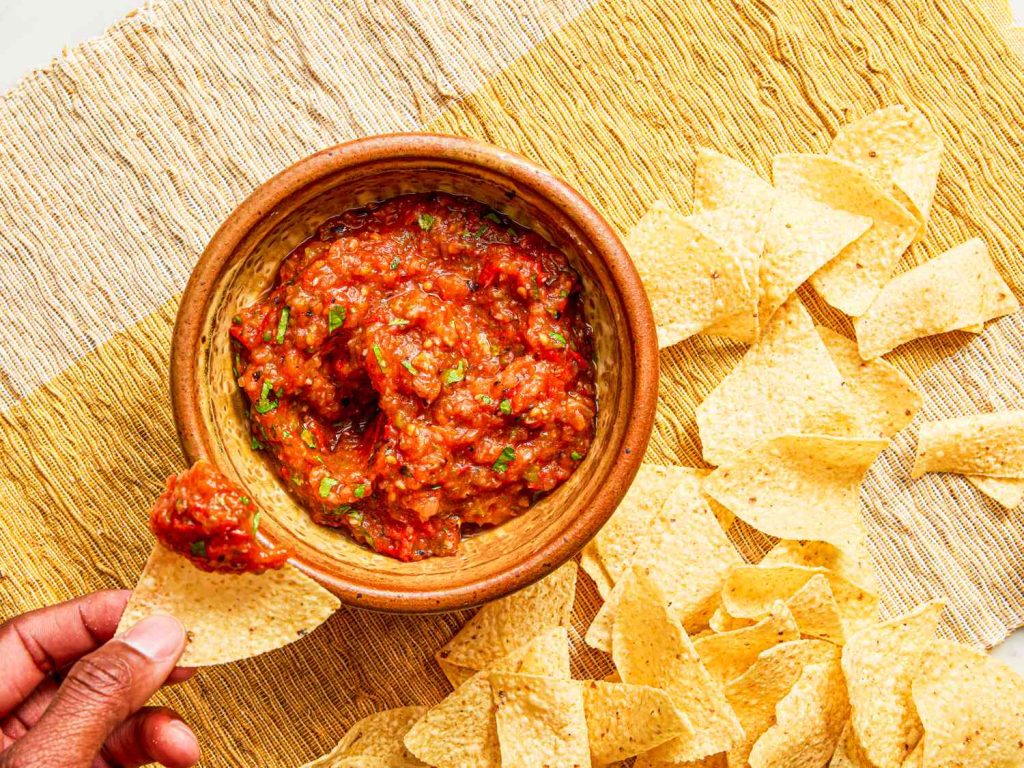
Salsa Roja is perhaps the most famous and widely used salsa in Mexican cuisine. It can be made using fresh or roasted ingredients, but roasting tends to deepen the flavor and add a smoky element to the salsa. The basic ingredients for Salsa Roja include tomatoes, chilies, onions, garlic, cilantro, lime juice, and salt.
- Roasting method: To make a roasted Salsa Roja, begin by charring tomatoes, onions, and chilies over an open flame or in the oven until they have blackened spots. This roasting process brings out their sweetness and adds a smoky depth to the salsa. Once roasted, blend the ingredients together with cilantro and lime juice.
- Fresh Salsa Roja: Alternatively, you can make a fresh version by blending raw tomatoes, onions, garlic, and chilies with fresh cilantro and lime juice. This will produce a salsa that’s bright and refreshing, perfect for complementing tacos or grilled meats.
Salsa Verde (Green Salsa)
Salsa Verde uses tomatillos, which are small, green, and tart fruits that are related to tomatoes but have a more acidic flavor. This salsa is typically tangier and has a vibrant, fresh flavor. Salsa Verde is also available in both raw and roasted versions.
- Raw Salsa Verde: For a raw version, blend raw tomatillos with serrano or jalapeño chilies, garlic, onions, cilantro, and lime juice. This version has a zesty, refreshing taste.
- Roasted Salsa Verde: Roasting tomatillos and chilies before blending them creates a deeper, smokier flavor, which pairs wonderfully with grilled meats or fish.
Pico de Gallo (Fresh Salsa)
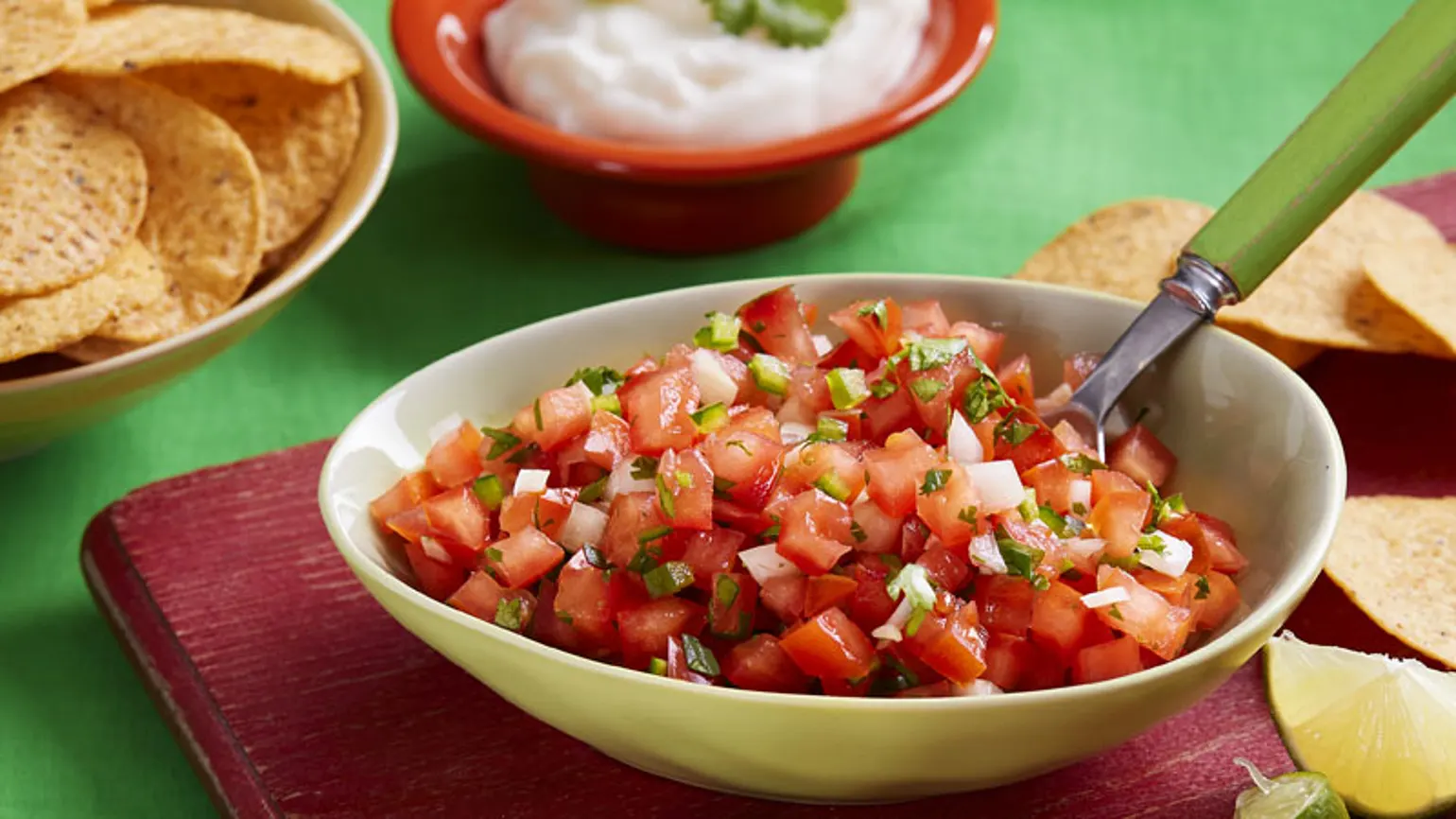
Pico de Gallo, also known as salsa fresca, is a chunky, uncooked salsa made from finely chopped tomatoes, onions, chilies, and cilantro. It’s bright, fresh, and flavorful, and typically served alongside chips, tacos, or grilled meats.
- Classic Pico de Gallo: Combine chopped Roma tomatoes, jalapeños or serranos, white onions, and cilantro with a squeeze of lime juice. The salsa should have a chunky texture and be served fresh.
- Fruit Pico de Gallo: For a twist, add fruits like mango, pineapple, or watermelon to the salsa. This gives a delightful balance of sweet and spicy, perfect for pairing with grilled shrimp or fish.
Chipotle Salsa (Salsa de Chipotle)
Made with chipotle chilies (dried, smoked jalapeños), chipotle salsa is smoky, spicy, and rich. It’s ideal for those who enjoy a deeper, more complex flavor.
- Chipotle in Adobo: You can make a chipotle salsa using chipotles in adobo sauce, blending them with tomatoes, onions, and garlic. The smokiness of the chipotle peppers and the tangy sweetness of the adobo sauce add a unique depth to the salsa.
3. Step-by-Step Guide to Preparing Traditional Salsa at Home
Now that we understand the key ingredients and types of salsa, let’s walk through the steps of preparing Salsa Roja and Salsa Verde at home.
Roasted Salsa Roja Recipe
Ingredients:
- 4 Roma tomatoes
- 2 jalapeño or serrano chilies
- 1 medium white onion
- 2 cloves garlic (optional, for extra flavor)
- 1 handful cilantro
- Juice of 1 lime
- Salt, to taste
Instructions:
- Roast the tomatoes and chilies: Over an open flame, roast the tomatoes and chilies until the skin is charred and blistered. Alternatively, you can roast them in the oven at 400°F (200°C) for 15-20 minutes.
- Char the onion and garlic: Place the onion and garlic on the grill or under the broiler until slightly charred.
- Blend the ingredients: In a blender or food processor, combine the roasted tomatoes, chilies, onion, and garlic. Add fresh cilantro, lime juice, and salt. Blend until smooth or slightly chunky, depending on your preference.
- Adjust seasoning: Taste and adjust the seasoning by adding more salt or lime juice, if needed.
- Serve and enjoy: Serve the salsa fresh with chips, tacos, or grilled meats.
Salsa Verde Recipe
Ingredients:
- 6 tomatillos, husked and washed
- 2 serrano or jalapeño chilies
- 1 small onion
- 1 handful cilantro
- Juice of 1 lime
- Salt, to taste
Instructions:
- Roast the tomatillos and chilies: Place the tomatillos and chilies on a dry skillet over medium heat. Roast them for 5-7 minutes, turning occasionally, until the skin of the tomatillos turns dark and blistered.
- Blend the ingredients: Place the roasted tomatillos, chilies, onion, cilantro, and lime juice into a blender or food processor. Blend until smooth.
- Adjust seasoning: Taste and adjust the seasoning by adding salt or extra lime juice, if needed.
- Serve: Serve the salsa verde fresh with your favorite Mexican dishes.
Conclusion
Making traditional salsa at home is not only easy but also rewarding, as it allows you to experience the bold, vibrant flavors of authentic Mexican cuisine. Whether you prefer Salsa Roja, Salsa Verde, or Pico de Gallo, mastering these simple salsas will elevate your meals and transport you straight to Mexico with every bite. By using fresh, high-quality ingredients and mastering the roasting techniques, you can recreate these mouthwatering salsas in your own kitchen. So gather your ingredients, get creative with your salsas, and start enjoying the true taste of Mexico at home!