







Introduction
Desserts are more than just a sweet ending to a meal—they are a reflection of culture, history, geography, and local ingredients. From the delicate pastries of France to the rich puddings of India, every nation has developed confections that embody its culinary identity. Understanding global desserts provides insight into cultural traditions, festive practices, and regional innovations. This article explores unique desserts from around the world, tracing their origins, ingredients, preparation techniques, and cultural significance. By examining these sweet creations, we uncover a universal human appreciation for sweetness while celebrating local diversity.
1. European Desserts
Europe has a rich heritage of desserts, often blending refined techniques with local ingredients.
1.1 France
France is synonymous with patisserie excellence:
- Macarons: Almond-based meringue sandwich cookies filled with buttercream, ganache, or jam. They originated in Paris and are celebrated for their delicate texture and vibrant colors.
- Crème Brûlée: A rich custard with a caramelized sugar crust, often infused with vanilla. It represents French culinary artistry.
- Tarte Tatin: An upside-down caramelized apple tart, invented accidentally in the 19th century, symbolizing French ingenuity.
1.2 Italy
Italian desserts emphasize regional produce and simple elegance:
- Tiramisu: Layers of coffee-soaked ladyfingers with mascarpone cream; embodies the Italian love for coffee culture.
- Cannoli: Sicilian pastry tubes filled with sweet ricotta cheese and sometimes chocolate or candied fruit.
- Panettone: Yeast-leavened Christmas bread with dried fruits; a festive staple.
1.3 Germany and Austria
- Black Forest Cake: Chocolate sponge layered with cherries and cream; a regional specialty.
- Sachertorte: Dense chocolate cake with apricot jam, a Viennese classic.
- Stollen: Fruit bread with nuts and powdered sugar, traditionally enjoyed during Christmas.
1.4 United Kingdom
- Sticky Toffee Pudding: Moist sponge cake with dates and toffee sauce.
- Treacle Sponge: Made with golden syrup, reflects British fondness for comfort desserts.
- Bakewell Tart: Shortcrust pastry with almond filling and jam; iconic in English culinary heritage.
2. Middle Eastern Desserts
Middle Eastern sweets often combine nuts, honey, and aromatic spices, reflecting ancient culinary traditions.
2.1 Turkey
- Baklava: Layers of phyllo pastry with chopped nuts, soaked in syrup or honey.
- Künefe: Cheese pastry soaked in sugar syrup, often garnished with pistachios.
2.2 Iran
- Faloodeh: A cold dessert of thin rice noodles in rosewater syrup, served with lime juice.
- Shirini: General term for various sweets including almond cookies, saffron rice cakes, and honey pastries.
2.3 Lebanon
- Maamoul: Semolina or flour cookies filled with dates, pistachios, or walnuts.
- Halawa (Halva): Sweet sesame paste with nuts and spices; consumed across festive occasions.
3. South Asian Desserts
South Asian desserts are often milk-based, flavored with saffron, cardamom, and rosewater.
3.1 India
- Gulab Jamun: Deep-fried milk dough balls soaked in sugar syrup, symbolic in festivals and weddings.
- Rasgulla: Soft cheese balls in light syrup; originated in West Bengal and Odisha.
- Kheer: Rice pudding with milk, sugar, and cardamom; garnished with nuts and raisins.
3.2 Pakistan
- Jalebi: Deep-fried spirals of batter soaked in saffron syrup, enjoyed during Ramadan and weddings.
- Barfi: Milk-based fudge, often flavored with coconut, pistachio, or rosewater.
3.3 Sri Lanka and Bangladesh
- Watalappam: Coconut milk pudding with jaggery and spices; popular in Sri Lankan Tamil cuisine.
- Mishti Doi: Sweetened yogurt, traditionally fermented and served chilled.
4. East Asian Desserts
East Asian desserts often focus on subtle sweetness and textures rather than heavy sugar.
4.1 China
- Mooncakes: Filled pastries eaten during the Mid-Autumn Festival; fillings include lotus seed paste, red bean, and salted egg yolk.
- Tangyuan: Glutinous rice balls, often filled with sesame or peanut paste, eaten during Lantern Festival.
- Egg Tarts: Cantonese adaptation of Portuguese custard tarts; crispy shell with soft filling.
4.2 Japan
- Mochi: Glutinous rice cakes, sometimes filled with sweet red bean paste.
- Dorayaki: Pancakes sandwiching sweet azuki bean paste.
- Matcha Desserts: Cakes, ice creams, and puddings flavored with powdered green tea, reflecting the cultural reverence for tea.
4.3 Korea
- Tteok: Rice cakes, often layered or filled, used in celebrations and rituals.
- Bingsu: Shaved ice dessert topped with sweetened red beans, fruits, and condensed milk.
5. African Desserts
African desserts often incorporate native ingredients such as coconut, peanuts, and tropical fruits.
5.1 North Africa
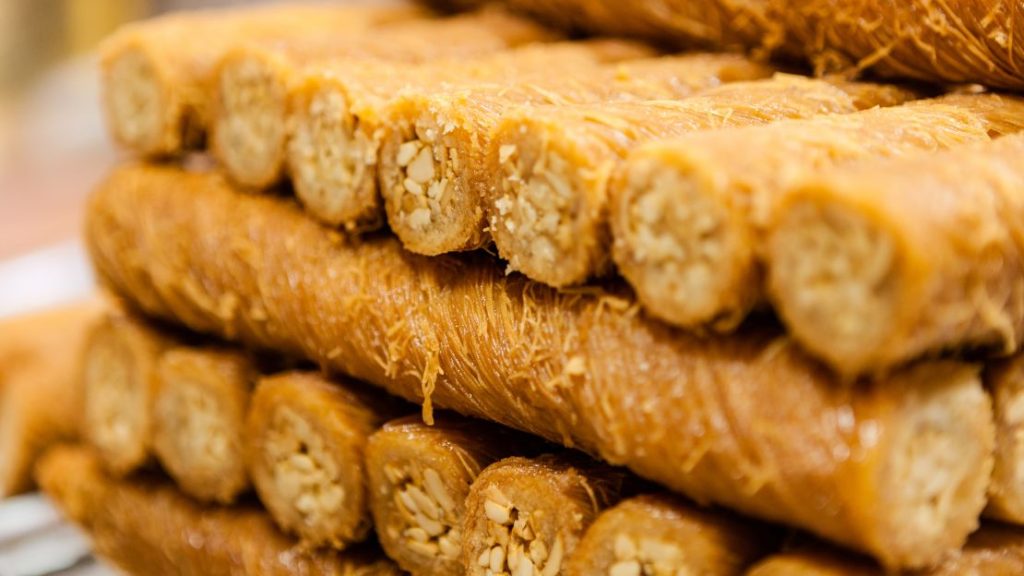
- Basbousa: Semolina cake soaked in syrup; a staple in Egypt and Morocco.
- Makroud: Semolina pastry with dates and nuts; traditional in Algeria and Tunisia.
5.2 West Africa
- Chin Chin: Fried dough squares or sticks; enjoyed as a snack or dessert.
- Bofrot (Puff-Puff): Deep-fried dough balls, popular in Ghana and Nigeria.
5.3 Southern Africa
- Milk Tart: Custard tart with cinnamon, reflecting Dutch colonial influence in South Africa.
- Malva Pudding: Sweet sponge cake soaked in syrup; served hot with custard.
6. Latin American Desserts
Latin American desserts are vibrant, often combining tropical fruits, chocolate, and caramel.
6.1 Mexico
- Churros: Fried dough sticks coated in sugar, often served with chocolate sauce.
- Tres Leches Cake: Sponge cake soaked in three kinds of milk, a celebration staple.
- Cajeta: Goat milk caramel, used in pastries and candies.
6.2 Brazil
- Brigadeiro: Chocolate truffles made with condensed milk; essential at birthday parties.
- Quindim: Coconut and egg yolk dessert with glossy finish; reflects Portuguese influence.
6.3 Argentina and Chile
- Dulce de Leche: Caramelized milk spread, used in cakes, pastries, and cookies.
- Alfajores: Shortbread cookies filled with dulce de leche and coated in chocolate or powdered sugar.
7. North American Desserts
7.1 United States
- Apple Pie: Iconic dessert representing American tradition; variations include lattice and crumb toppings.
- Brownies: Chocolate squares with rich, fudgy texture; popular across generations.
- Pumpkin Pie: Seasonal dessert, central to Thanksgiving celebrations.
7.2 Canada
- Nanaimo Bars: No-bake layered bars originating from British Columbia; chocolate, custard, and crumb layers.
- Butter Tarts: Sweet pastries with syrupy fillings; a Canadian classic.
8. Oceanic Desserts
8.1 Australia
- Lamingtons: Sponge cakes coated in chocolate and rolled in coconut; served during community events.
- Pavlova: Meringue dessert with crisp shell and soft interior, topped with fresh fruits; claims to be invented in Australia or New Zealand.
8.2 New Zealand
- Hokey Pokey Ice Cream: Vanilla ice cream with honeycomb toffee; a beloved national treat.
- Anzac Biscuits: Sweet oat cookies linked to WWI history, honoring soldiers.
9. Cultural Significance of Desserts
9.1 Festive Roles
Desserts are central to holidays, religious ceremonies, and family gatherings:
- Mooncakes for Mid-Autumn Festival
- Gulab Jamun for Diwali
- Panettone for Christmas
9.2 Symbolism
Many desserts carry symbolic meanings:
- Pomegranate desserts in Middle Eastern culture symbolize fertility and abundance.
- Red desserts in China symbolize luck and prosperity.
- Honey and nuts in Jewish cuisine symbolize sweetness for the new year.
9.3 Regional Identity
Desserts often become national or regional identifiers:
- Macarons for France
- Mochi for Japan
- Brigadeiro for Brazil
10. Modern Trends and Innovations
10.1 Fusion Desserts
- Culinary globalization fosters cross-cultural creations:
- Matcha tiramisu (Japan + Italy)
- Churro donuts (Mexico + USA)
- Pandan custard cakes (Southeast Asia + Western techniques)
10.2 Health-Conscious Desserts
- Increasing demand for sugar-free, vegan, and gluten-free alternatives.
- Incorporation of superfoods like chia seeds, quinoa, and acai berries.
10.3 Technology and Dessert Innovation
- 3D-printed chocolate and desserts
- Molecular gastronomy techniques, including foams, gels, and edible spheres
- Interactive desserts for fine dining experiences
11. Challenges in Preserving Traditional Desserts
- Globalization risks homogenization of traditional recipes.
- Access to authentic ingredients may be limited outside native regions.
- Culinary education and documentation are critical to preserving heritage.
12. Conclusion
Desserts are a universal language of sweetness, yet each country interprets it uniquely, reflecting local culture, history, and ingredients. From European patisseries to Asian rice-based confections, Middle Eastern sweets, African treats, and Latin American delights, global desserts celebrate diversity while emphasizing shared human enjoyment.
Exploring desserts globally offers more than culinary delight; it is a journey through cultural traditions, migration patterns, and innovative adaptations. As modern globalization blends cuisines, maintaining knowledge of traditional sweets ensures the preservation of heritage while inspiring creative evolution. Truly, every country’s unique desserts embody the sweet intersection of culture, history, and human ingenuity.