





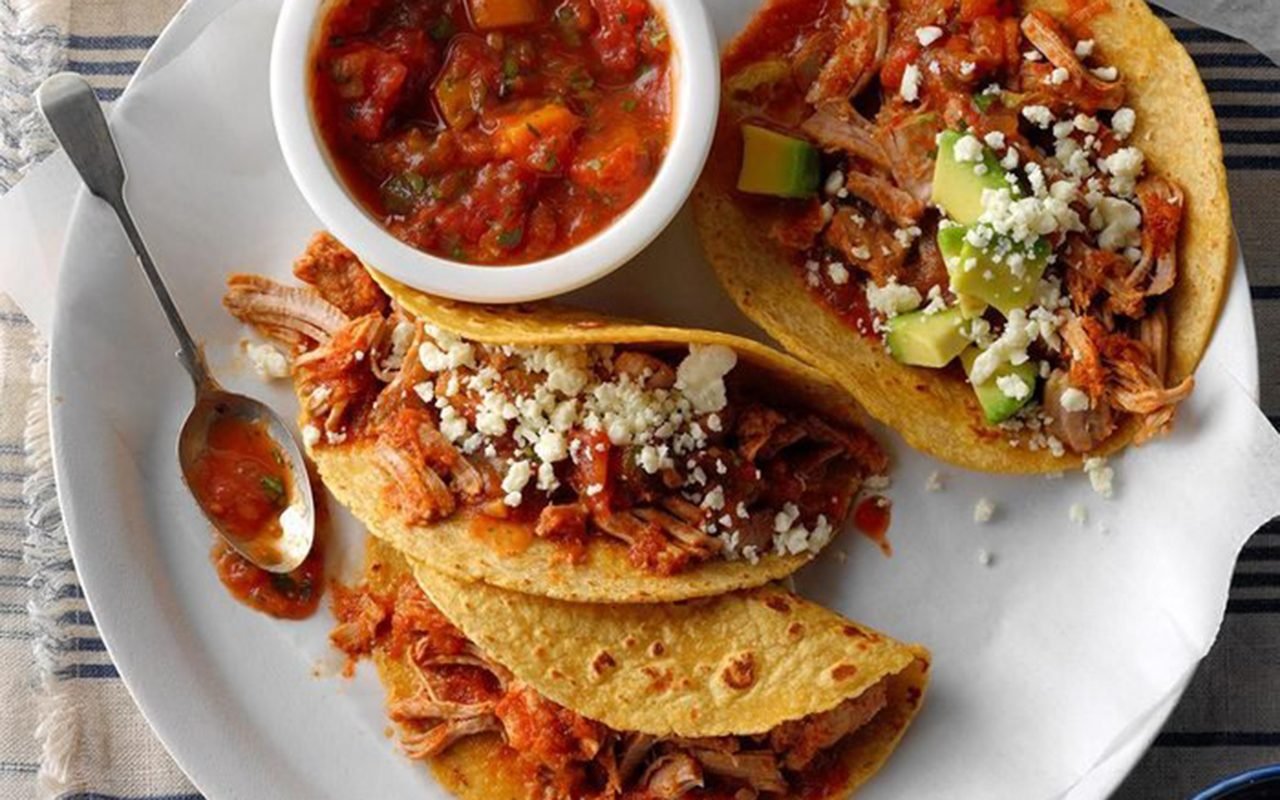

Mexican tacos are one of the most iconic culinary expressions of Mexico, celebrated globally for their versatility, flavor, and cultural significance. A taco is far more than a simple snack—it embodies centuries of tradition, indigenous ingredients, and regional creativity. From the artful preparation of the corn tortilla to the layering of diverse and flavorful fillings, tacos demonstrate Mexico’s culinary ingenuity and the balance of taste, texture, and nutrition.
This article explores the historical origins of tacos, the techniques behind authentic tortilla making, the variety of traditional fillings, regional taco styles, contemporary innovations, and the cultural significance of this beloved dish.
1. Historical Origins of Mexican Tacos
Tacos trace their origins to pre-Hispanic Mexico, where indigenous peoples relied heavily on maize as a staple.
1.1 Maize and Early Tortillas
- Maize, or corn, was domesticated over 7,000 years ago in Mesoamerica. It became the foundation of the indigenous diet.
- Early tortillas, made from nixtamalized maize dough, were used as edible vessels for beans, chilies, and fish.
- The word “taco” originally referred to “plug” or “wad,” describing the way food was wrapped in tortillas for easy handling.
1.2 Spanish Influence
- With the arrival of the Spanish in the 16th century, new ingredients such as pork, beef, cheese, and dairy products were introduced.
- These ingredients expanded the variety of taco fillings, blending indigenous techniques with European flavors.
1.3 Cultural Significance
- Tacos were more than food; they were portable meals for workers, travelers, and traders.
- Markets, festivals, and family gatherings solidified tacos as a communal and celebratory dish.
2. Corn Tortilla: The Foundation of Authentic Tacos
The corn tortilla is the cornerstone of Mexican tacos, offering both structure and flavor.
2.1 Nixtamalization Process
- Nixtamalization involves soaking and cooking corn kernels in an alkaline solution (limewater) to remove hulls, enhance nutritional value, and improve flavor.
- This process releases niacin, making maize more digestible and nutritionally complete.
2.2 Masa Preparation
- Nixtamalized corn is ground on a traditional metate or modern mill to produce masa (dough).
- Masa can be hydrated to the desired consistency, depending on whether it will be used for soft or slightly firmer tortillas.
2.3 Tortilla Shaping and Cooking
- Dough is portioned into small balls, then pressed using a tortilla press or hand-shaped into discs.
- Tortillas are traditionally cooked on a comal, a flat griddle, until lightly browned and pliable.
- Authentic tortillas have a slightly toasted aroma, a tender texture, and a subtle corn flavor that complements fillings without overpowering them.
2.4 Regional Variations in Tortillas
- Northern Mexico: Thicker tortillas for hearty meats and grilled fillings.
- Southern Mexico: Softer, more delicate tortillas to wrap lighter fillings such as fish or vegetables.
- Central Mexico: Balance between thickness and flexibility, suitable for a wide variety of tacos.
3. Traditional Taco Fillings
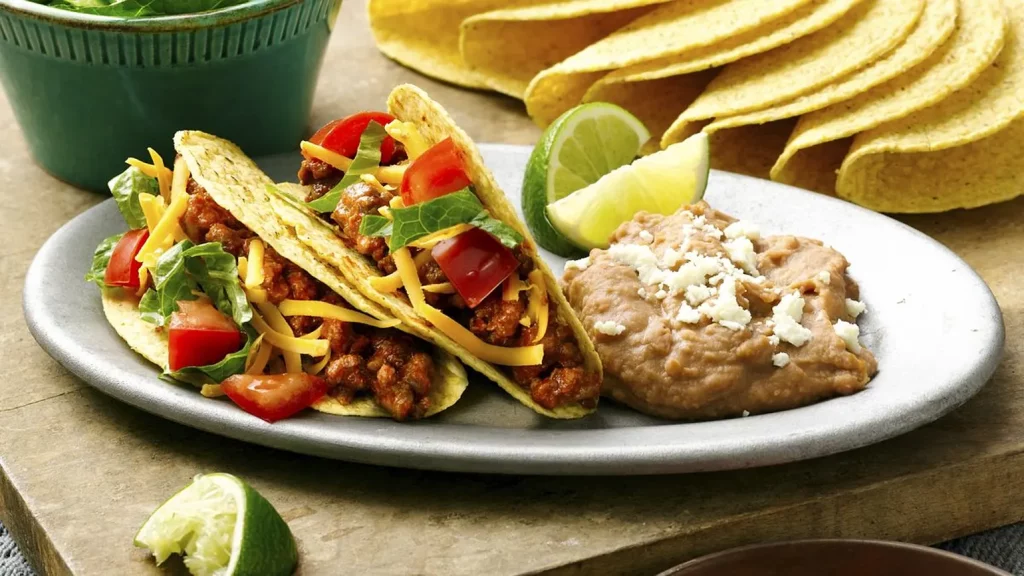
Taco fillings vary widely depending on region, culture, and available ingredients. They reflect indigenous, Spanish, and global culinary influences.
3.1 Meat-Based Fillings
- Carnitas: Slow-cooked pork, tender and flavorful, often seasoned with citrus, garlic, and spices.
- Al Pastor: Pork marinated with achiote, pineapple, and chili, traditionally cooked on a vertical spit (trompo).
- Carne Asada: Grilled beef, marinated with citrus juice, garlic, and herbs, providing a smoky flavor.
- Barbacoa: Lamb or beef cooked slowly in underground pits, infused with earthy and aromatic flavors.
- Chicken (Pollo): Cooked in sauces or grilled, often seasoned with cumin, chili, and lime.
3.2 Seafood Fillings
- Fish Tacos: Typically made with fried or grilled fish, topped with cabbage, crema, and lime.
- Shrimp Tacos: Spiced or grilled shrimp, often paired with fresh salsas or avocado.
3.3 Vegetarian Fillings
- Nopales: Cactus paddles, lightly grilled and combined with onions, tomatoes, and herbs.
- Mushrooms: Sauteed mushrooms with garlic and spices provide umami-rich fillings.
- Beans and Cheese: Refried beans, black beans, or queso fresco for protein-rich vegetarian options.
3.4 Toppings and Condiments
- Salsas: From mild pico de gallo to smoky chipotle sauce, salsas add flavor and heat.
- Fresh Herbs: Cilantro, onions, and sometimes radishes enhance freshness.
- Avocado or Guacamole: Creamy texture balancing spice.
- Pickled Vegetables: Adds acidity and crunch, common in street tacos.
- Lime Wedges: A squeeze of lime enhances brightness and flavor complexity.
4. Regional Taco Styles
Mexico’s diversity is reflected in region-specific tacos:
4.1 Mexico City
- Tacos al Pastor: Influenced by Lebanese shawarma, vertical spit-cooked pork with pineapple.
- Tacos de Suadero: Beef from the brisket or flank, pan-fried for a rich flavor.
4.2 Northern Mexico
- Carne Asada Tacos: Grilled beef, often accompanied by beans, salsa, and fresh onions.
- Flour Tortillas: More common than corn tortillas in some northern states.
4.3 Baja California
- Fish Tacos: Crispy fried fish, shredded cabbage, and crema on soft corn tortillas.
- Shrimp Tacos: Popular in coastal towns, sometimes grilled or sautéed.
4.4 Yucatán Peninsula
- Cochinita Pibil: Pork marinated in achiote and citrus, slow-cooked in banana leaves.
- Tacos de Pollo Pibil: Chicken variant, with regional spices and pickled onions.
5. Street Tacos: Authentic Flavors on the Go
Street tacos represent the essence of Mexican culinary tradition: accessible, flavorful, and communal.
5.1 Preparation
- Tortillas are freshly pressed and cooked on a comal.
- Fillings are prepared in advance but finished on demand to preserve freshness.
- Vendors often serve tacos with simple, complementary toppings that enhance the main flavor without overpowering it.
5.2 Social and Cultural Role
- Street tacos are a cultural institution, reflecting Mexico’s social fabric and local identity.
- Markets, festivals, and busy streets serve as communal spaces where people share food, conversation, and tradition.
- The affordability and accessibility of street tacos make them a democratic culinary experience, enjoyed by all social classes.
6. Contemporary Innovations and Global Influence
Mexican tacos have transcended borders and inspired global culinary innovation:
- Fusion Tacos: Combining Mexican techniques with flavors from Korea, Japan, or Mediterranean cuisine.
- Gourmet Tacos: Elevated ingredients such as Wagyu beef, truffle oil, or artisanal cheeses.
- Vegan and Plant-Based Options: Expanding traditional taco fillings with jackfruit, tofu, and vegetable blends.
- Taco Tourism: Cities like Mexico City, Guadalajara, and Oaxaca attract visitors seeking authentic taco experiences.
7. Nutritional Aspects of Tacos
Tacos can provide a balanced, nutritious meal when prepared with fresh ingredients:
- Protein: Meat, seafood, beans, or legumes provide essential amino acids.
- Carbohydrates: Corn tortillas supply energy and fiber, especially when made from whole masa.
- Vitamins and Minerals: Fresh vegetables, herbs, and salsas contribute antioxidants and micronutrients.
- Healthy Fats: Avocado and modest amounts of cheese add beneficial fatty acids.
The combination of fresh ingredients and cooking techniques ensures that tacos are both flavorful and nutritionally valuable.
8. Cultural Significance of Tacos
Tacos are a symbol of Mexican identity and culinary creativity:
- Represent centuries of indigenous, Spanish, and global influences.
- Preserve local agricultural traditions, such as maize cultivation and regional spices.
- Serve as a culinary bridge between generations, connecting family, festivals, and communal dining.
- Embody a philosophy of balance—between flavors, textures, and visual appeal—central to Mexican cuisine.
Conclusion
Mexican tacos are more than just food—they are a cultural icon, a culinary art form, and a vehicle for sharing tradition. From the careful nixtamalization of maize to the preparation of fresh fillings, tacos demonstrate Mexico’s culinary sophistication and regional diversity.
Whether enjoyed at bustling street stalls or in modern gourmet restaurants, tacos maintain their authenticity, adaptability, and universal appeal. They are a testament to the ingenuity of Mexican cuisine, balancing flavor, nutrition, and tradition in a simple yet profoundly satisfying package.
Through tacos, Mexico continues to share its rich culinary heritage with the world, preserving history while inspiring global innovation in taste and presentation.