





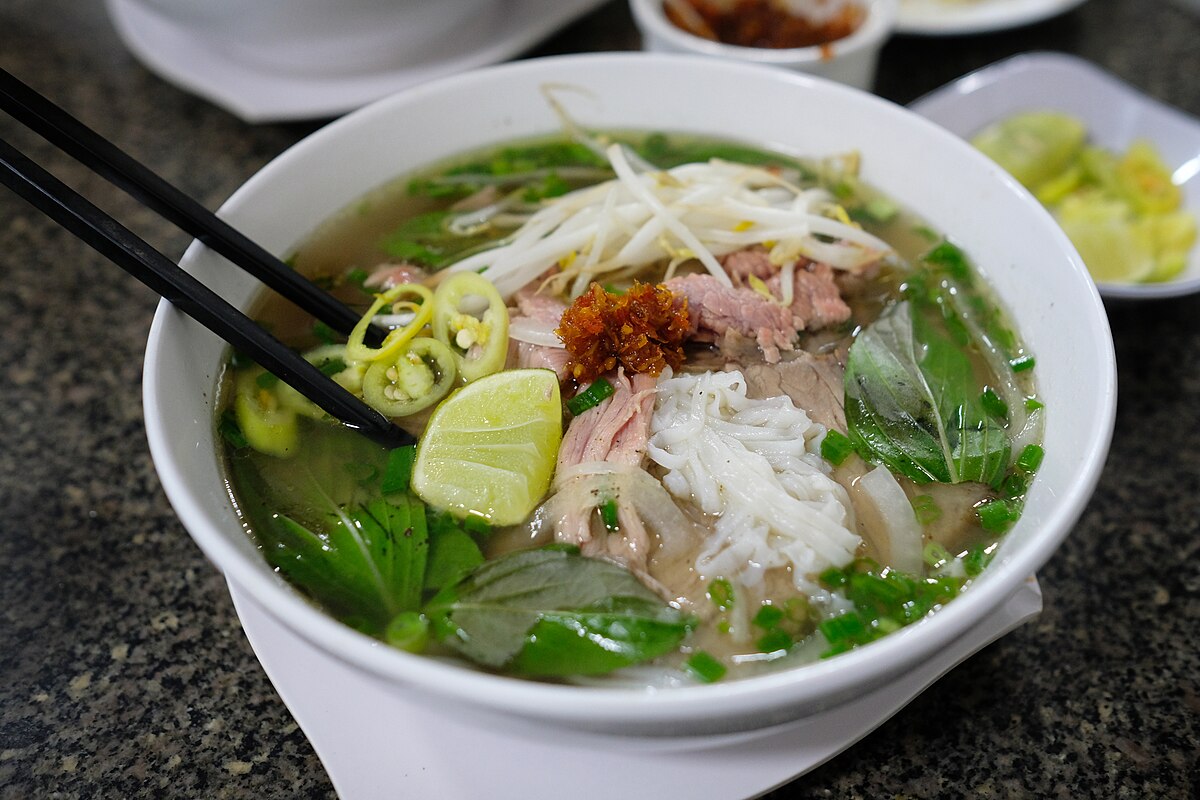

Pho (pronounced fuh) is widely regarded as Vietnam’s national dish and a culinary icon recognized around the world. Known for its aromatic broth, tender noodles, and fresh herbs, pho represents not just a meal but a culinary philosophy that balances flavor, texture, and tradition. From bustling street stalls in Hanoi to gourmet restaurants in New York and Paris, pho has captured the imagination and palate of food enthusiasts globally.
This article delves into the history, ingredients, regional variations, preparation techniques, cultural significance, nutritional profile, and global influence of pho, offering a comprehensive understanding of why this humble noodle soup is considered one of the greatest culinary treasures of Vietnam.
Historical Origins of Pho
Pho has a layered history that combines indigenous Vietnamese traditions with foreign influences:
- Colonial Influence: Pho likely evolved in the early 20th century in Northern Vietnam, influenced by French colonial presence. The French introduction of beef and beef bones contributed to the development of pho bo (beef pho).
- Chinese Influence: The concept of noodle soups with broth may trace back to Chinese culinary techniques brought to Vietnam by migrating populations.
- Regional Evolution: Northern Vietnam (Hanoi) emphasized simplicity and clear, fragrant broth, while Southern Vietnam (Saigon) incorporated more herbs, condiments, and a sweeter flavor profile.
Pho reflects Vietnamese ingenuity in transforming imported ingredients into a uniquely local culinary art form, balancing spice, umami, and freshness.
Key Ingredients of Traditional Pho
Pho’s elegance lies in the quality of its ingredients and their harmony:
Broth
- Bones: Beef bones (for pho bo) or chicken bones (for pho ga) form the base.
- Aromatics: Onion, ginger, star anise, cloves, cinnamon, cardamom, coriander seeds.
- Seasonings: Fish sauce, salt, and sometimes sugar to achieve umami and balance.
- Simmering: Long, slow simmering (often 6–12 hours) extracts flavor, gelatin, and aroma.
Noodles
- Rice Noodles (Banh Pho): Flat, silky rice noodles cooked to a tender yet slightly firm texture.
- Size Variation: Thin noodles in the North, slightly wider in the South.
Protein
- Beef Variants: Rare eye-round slices, brisket, flank, tendon, tripe.
- Chicken: Tender poached chicken or shredded meat for pho ga.
- Seafood or Vegetarian: Modern adaptations include shrimp, tofu, or mushroom-based versions.
Herbs and Garnishes
- Fresh Herbs: Thai basil, cilantro, mint, sawtooth coriander.
- Vegetables: Bean sprouts, lime wedges, sliced chili, green onions.
- Condiments: Hoisin sauce, Sriracha, fish sauce.
The careful selection, freshness, and preparation of ingredients defines the distinction between a mediocre bowl and an exceptional pho.
Regional Variations
Pho’s character differs across Vietnam:
Northern Style (Hanoi Pho)
- Broth: Clear, light, less sweet, emphasizing beef aroma.
- Noodles: Thin, tender rice noodles.
- Garnishes: Minimal—usually green onions, cilantro, and lime on the side.
- Flavor Philosophy: Subtle, refined, emphasizing balance and purity of ingredients.
Southern Style (Saigon Pho)
- Broth: Slightly sweeter, often enriched with added sugar or rock sugar.
- Noodles: Slightly wider noodles.
- Garnishes: Bean sprouts, Thai basil, lime, fresh herbs, and chili.
- Flavor Philosophy: Bold, vibrant, and customizable to personal taste.
Central Vietnam
- Rare but present, incorporating regional spices and sometimes seafood variations, reflecting local palate preferences.
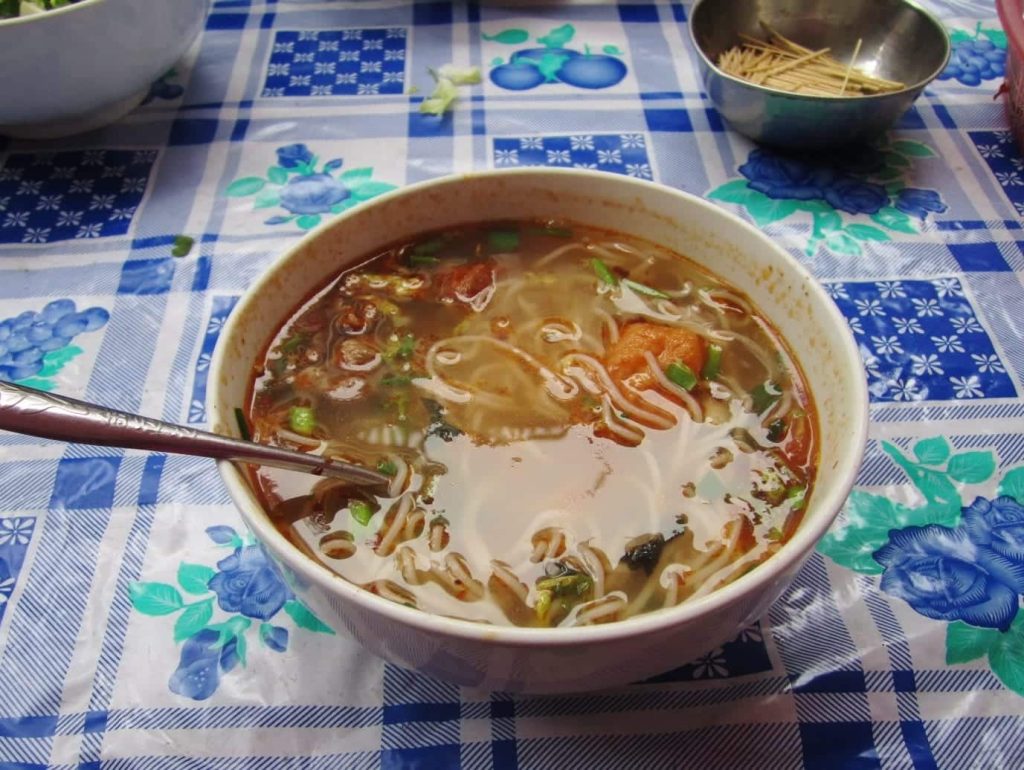
The Science and Art of Pho Broth
Pho broth is central to the dish, requiring precision, patience, and sensory awareness:
Bone Selection and Preparation
- Use a mix of marrow bones and joints for richness and gelatin content.
- Blanching bones removes impurities, resulting in clear broth.
Aromatics
- Charred onion and ginger add smoky, sweet undertones.
- Whole spices toasted lightly release essential oils for aromatic depth.
Simmering Technique
- Slow, gentle simmering extracts flavor without clouding the broth.
- Skimming impurities ensures clarity and visual appeal.
Seasoning Balance
- Fish sauce enhances umami, while a touch of sugar balances acidity.
- Salt levels must complement, not overwhelm, the aromatic profile.
A masterful pho broth combines clarity, aroma, depth, and subtle complexity, making it both comforting and sophisticated.
Noodle Preparation
- Rice noodles require careful soaking or boiling to achieve soft yet slightly firm texture.
- Overcooked noodles become mushy, while undercooked noodles compromise mouthfeel.
- Noodles are typically blanched briefly in hot water or broth before assembly.
Protein Selection and Preparation
Beef Pho
- Thinly sliced raw beef added to hot broth cooks quickly while retaining tenderness.
- Additional cuts like brisket, tendon, and tripe provide textural contrast.
Chicken Pho
- Poached whole chicken or breast meat offers delicate flavor.
- Broth is adapted to complement chicken, using lighter aromatics.
Garnishes and Customization
- Herbs, lime, bean sprouts, and chilies allow diners to personalize flavor and texture.
- Hoisin and Sriracha sauces add sweetness and heat, enhancing the overall experience.
- Traditional serving emphasizes harmony, while modern adaptations prioritize interactivity and customization.
Cultural Significance
Pho is not merely a dish—it is a cultural institution in Vietnam:
- Daily Life: Consumed for breakfast, lunch, or dinner at street stalls, markets, and homes.
- Social Interaction: Eating pho encourages communal engagement, often shared among friends and family.
- Culinary Identity: Pho represents Vietnamese innovation, resilience, and adaptation of foreign influences.
- Ritual and Celebration: Appears during festivals, gatherings, and family occasions, symbolizing comfort and tradition.
Nutritional Profile
Pho can be nutritious and balanced:
- Broth: Rich in minerals and collagen from bones.
- Protein: Beef, chicken, or tofu provides essential amino acids.
- Carbohydrates: Rice noodles supply energy.
- Vitamins and Antioxidants: Herbs and vegetables contribute essential nutrients.
- Customizable: Sodium and fat levels can be controlled for healthier versions.
Modern Innovations
Pho has adapted to global culinary trends:
- Fusion Variants: Pho tacos, pho burgers, and seafood pho for international palates.
- Vegetarian and Vegan: Mushroom or tofu-based broths replace meat.
- Fast-Casual Chains: Standardized pho preparation for rapid service without sacrificing authenticity.
- Artisanal Presentations: Restaurant chefs emphasize broth clarity, noodle presentation, and precise garnishes.
These innovations ensure pho remains dynamic, relevant, and appreciated worldwide.
Common Mistakes and Tips for Perfect Pho
| Mistake | Consequence | Solution |
|---|---|---|
| Overcooking noodles | Mushy texture | Blanch briefly; serve immediately |
| Impure broth | Cloudy, off-flavor | Blanch bones; skim frequently |
| Over-spicing | Masked broth flavor | Toast spices lightly; balance seasoning |
| Cold broth | Poor noodle cooking | Serve hot, near boiling temperature |
| Improper garnish | Diminished freshness | Add herbs, lime, and sprouts just before serving |
Mastering these aspects ensures a bowl of pho that is authentic, aromatic, and balanced.
Pho as a Global Culinary Ambassador
Pho has become a symbol of Vietnamese cuisine worldwide:
- North America: Served in pho restaurants and street food markets; fusion styles abound.
- Europe: Recognized for its aromatic complexity and healthful qualities.
- Asia: Exported and adapted in neighboring countries with local twists.
- Cultural Festivals: Pho features prominently in Vietnamese cultural events abroad, educating audiences about culinary heritage.
Through global recognition, pho demonstrates the power of food as cultural diplomacy.
Conclusion
Vietnamese pho is a masterpiece of culinary art, combining history, flavor, technique, and cultural significance. Its aromatic broth, tender noodles, and fresh herbs embody the principles of balance, harmony, and authenticity that define Vietnamese cuisine.
From street stalls in Hanoi to upscale restaurants around the world, pho offers a sensory experience and cultural narrative in every bowl. It is a dish that nourishes not only the body but also connects people to the rich traditions and innovations of Vietnamese culinary culture.
Pho’s enduring appeal lies in its versatility, depth of flavor, and ability to adapt while remaining true to its roots. Whether experienced on the streets of Vietnam or in global kitchens, pho continues to represent the essence of Vietnam’s culinary soul, making it a truly iconic dish worthy of study, celebration, and enjoyment.