





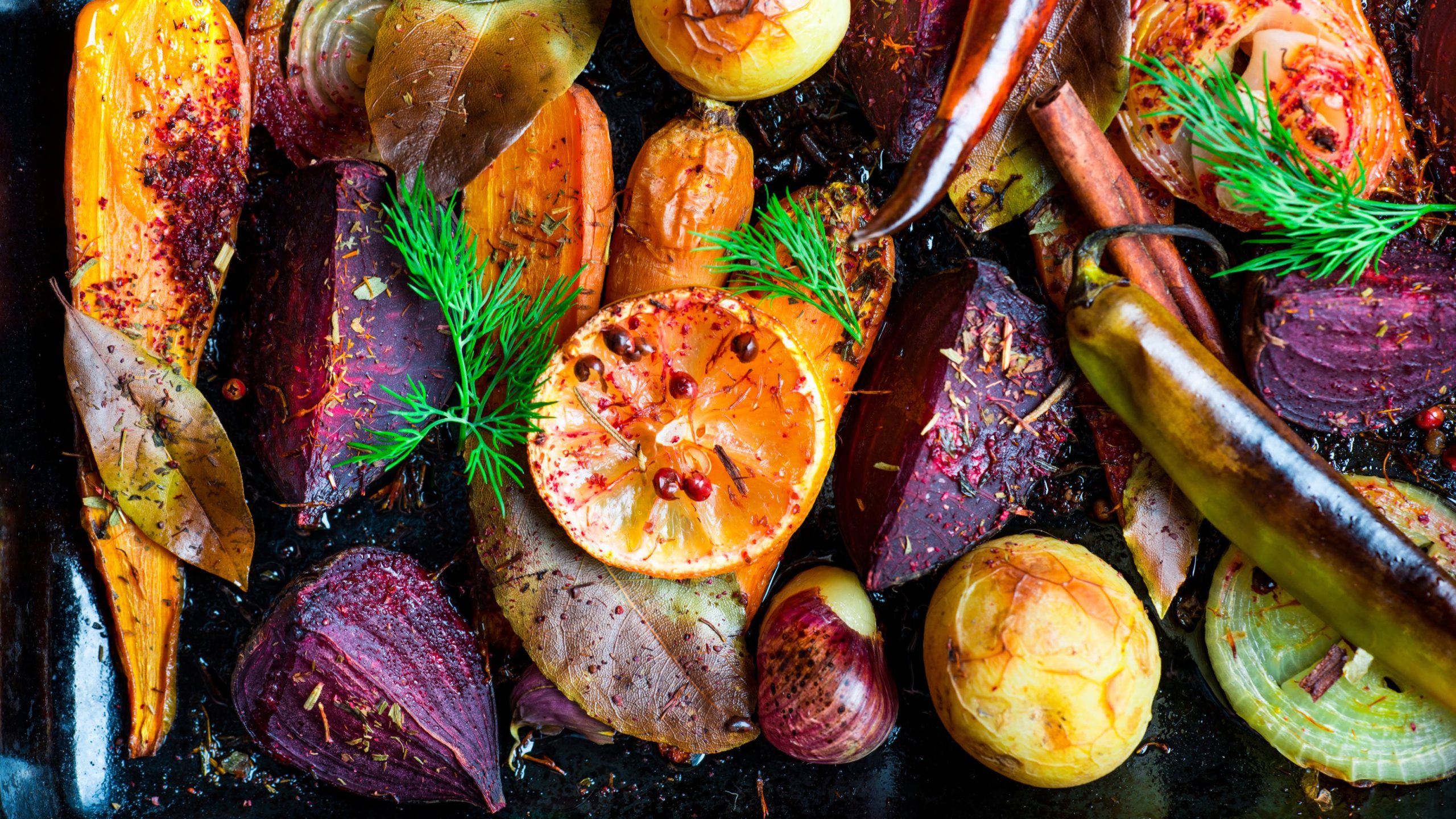

Stir-frying is one of the most widely used cooking techniques across Asian and global cuisines. Despite its apparent simplicity, achieving perfect results requires precise control of heat. The right heat ensures that ingredients cook quickly, retain their natural flavors and textures, and develop the characteristic aroma and color that define exceptional stir-fried dishes.
This article delves into the science of heat control, types of stoves and woks, ingredient interactions, timing, and advanced techniques for achieving optimal stir-fry results. It also explores common pitfalls and provides actionable strategies for home cooks and professional chefs alike.
Understanding the Science of Heat in Stir-Frying
Heat is the driving force behind stir-frying. It affects texture, flavor, color, and aroma.
Types of Heat Transfer
- Conduction: Direct heat transferred from the cooking surface to the pan or wok.
- Convection: Heat circulation within the pan, particularly in liquids or oil.
- Radiation: Heat emitted from the flame or induction source.
Effective stir-frying requires maximizing conduction and convection while controlling the intensity to prevent burning or uneven cooking.
Maillard Reaction and Caramelization
- High heat initiates the Maillard reaction, which creates complex, savory flavors in proteins and vegetables.
- Caramelization of sugars in vegetables enhances natural sweetness and color.
- Both processes are highly heat-dependent and require constant movement of ingredients.
Steam and Moisture Control
- Excess moisture lowers pan temperature, causing steaming rather than stir-frying.
- Understanding water content in ingredients helps adjust heat and timing appropriately.
Choosing the Right Equipment
The optimal control of heat depends significantly on the stove and cooking vessel:
Woks
- Carbon Steel Woks: Excellent heat conductivity, develops seasoning over time.
- Non-Stick Woks: Easier to clean but may not handle extremely high heat.
- Flat-Bottom Woks: Compatible with electric or induction stoves.
Stoves
- Gas Stoves: Offer instant, adjustable heat; ideal for high-temperature stir-frying.
- Induction Cooktops: Precise temperature control but may require flat-bottom woks.
- Electric Coil or Glass Top: Slower heat response, requiring careful preheating.
Thermometry Tools
- Infrared thermometers help monitor surface temperatures for consistent cooking.
- Professional kitchens often rely on visual and tactile cues combined with temperature readings.
Preheating and Oil Temperature
Preheating the pan and oil is crucial:
- Pan Preheating: Heat the wok until a drop of water vaporizes instantly.
- Oil Addition: Add oil gradually and allow it to reach the desired shimmer.
- Smoke Point Awareness: Different oils (peanut, sunflower, canola) tolerate varying temperatures. Using oils near their smoke point enhances flavor without producing harmful compounds.
Adjusting Heat During Cooking
High Heat: When to Use
- Ideal for quickly searing proteins (chicken, beef, shrimp) to lock in juices.
- Encourages browning and caramelization in vegetables.
- Essential for wok hei—the signature “breath of the wok” flavor in Chinese cuisine.
Medium Heat: When to Use
- Suitable for cooking delicate vegetables like mushrooms, spinach, or zucchini.
- Prevents burning while allowing ingredients to soften gradually.
- Useful for integrating sauces evenly.
Low Heat: When to Use
- Finishing sauces or reducing liquids.
- Cooking ingredients that are prone to overcooking (e.g., tofu or egg).
- Maintaining warmth without further browning.
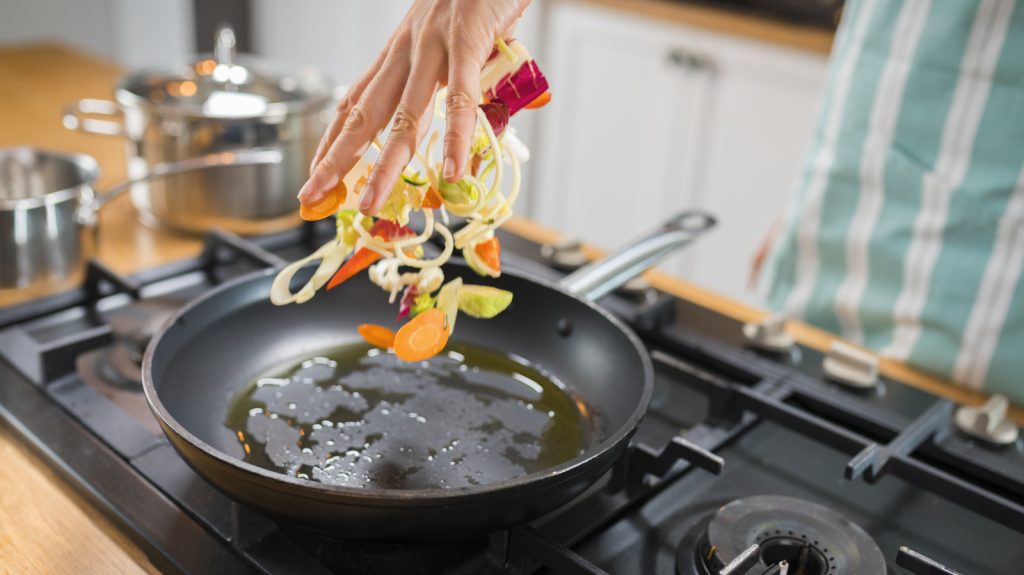
Techniques for Managing Heat Dynamically
- Stir Constantly: Prevents scorching and ensures even heat distribution.
- Control Ingredient Volume: Overcrowding the pan reduces surface temperature; cook in batches if necessary.
- Sequence Ingredients Properly: Denser, slower-cooking items first; delicate vegetables last.
- Move Ingredients to Pan Edges: Use cooler pan edges to modulate cooking for sensitive ingredients.
- Adjust Flame or Induction Power in Real Time: Increase heat to sear, reduce to simmer, maintaining optimal cooking conditions.
Timing and Ingredient Interactions
- Proteins benefit from initial high heat sear to maintain juiciness.
- Vegetables with high moisture content may require slightly lower heat or pre-draining to avoid steaming.
- Aromatics (garlic, ginger, chili) are added toward the end on medium heat to prevent burning and bitterness.
- Sauce integration: Heat should be moderated to allow thickening without scorching.
Common Heat-Related Mistakes and Solutions
| Mistake | Consequence | Solution |
|---|---|---|
| Overcrowding pan | Steaming instead of frying | Cook in smaller batches |
| Insufficient preheating | Sticking and uneven browning | Preheat pan and oil |
| Oil at wrong temperature | Burning or greasy texture | Test oil with a drop of water or ingredient |
| Constant high heat | Scorched aromatics and uneven cooking | Adjust heat dynamically, move ingredients around |
| Ignoring moisture | Steaming instead of caramelization | Pat dry ingredients, cook denser items first |
Understanding these pitfalls ensures consistent results and flavor development.
Advanced Stir-Fry Techniques
Wok Hei: Achieving the “Breath of the Wok”
- Signature charred aroma achieved at extremely high heat.
- Requires fast stir-frying, proper oil, and a seasoned wok.
- Imparts a depth of flavor difficult to replicate on lower-heat stoves.
Layering Flavors
- Sequential cooking of aromatics, proteins, and vegetables ensures each component is perfectly cooked and infused with flavor.
Saucing Techniques
- Integrate sauces at the end while adjusting heat to glaze ingredients without burning.
- Reduce sauce slightly over medium heat to concentrate flavors.
Combining Dry and Wet Stir-Fry
- Some dishes require an initial dry high-heat sear followed by sauce addition.
- Timing and heat adjustments are key to avoiding sogginess.
Ingredient-Specific Heat Guidelines
- Meat: High heat for short sear; medium to finish.
- Seafood: Quick high heat to prevent toughness.
- Leafy Greens: Medium heat to avoid wilting.
- Root Vegetables: High heat initially for caramelization, medium to finish cooking through.
- Aromatics: Low to medium heat to prevent bitterness.
Heat Control in Professional vs. Home Kitchens
- Professional Kitchens: Gas woks, experienced chefs, and large burners allow precise control for fast cooking.
- Home Kitchens: Smaller burners, electric stoves, or flat pans require careful monitoring, batch cooking, and patience.
- Techniques like preheating, oil shimmering, and ingredient sequencing help replicate professional results at home.
Nutrition and Flavor Optimization
Proper heat adjustment enhances both flavor and nutritional quality:
- Prevents overcooking, which can degrade vitamins and minerals.
- Caramelization adds flavor without additional sugar or fat.
- Wok cooking requires minimal oil, preserving the natural taste and nutrients.
- Controlled high-heat cooking locks in protein juices and vegetable crispness.
Tips for Home Cooks
- Invest in a Quality Pan or Wok: Even heat distribution is crucial.
- Preheat Thoroughly: Ensure pan and oil reach optimal temperature.
- Pat Dry Ingredients: Reduces steam formation and uneven cooking.
- Cook in Batches if Necessary: Avoid overcrowding.
- Adjust Heat Dynamically: High to sear, medium to combine, low to finish.
- Observe Visual Cues: Oil shimmer, browning, and ingredient color indicate heat adequacy.
- Practice Timing: Develop intuition for ingredient response to heat.
Conclusion
Mastering heat control is the cornerstone of perfect stir-frying. Achieving the right temperature enhances flavor, texture, aroma, and nutritional value. By understanding the science of heat, equipment choice, ingredient interactions, and timing, home cooks and professional chefs alike can produce stir-fried dishes with precision and excellence.
Whether searing meat, sautéing vegetables, or achieving wok hei, proper heat management transforms ordinary stir-frying into culinary artistry, making dishes more flavorful, visually appealing, and satisfying.
Optimal heat is not just a technique—it is a gateway to consistent, professional-quality results in any kitchen. With practice, observation, and careful adjustment, anyone can master the art of stir-frying and elevate everyday meals to gourmet levels.