






Recreating classic international dishes at home can seem intimidating, but with the right knowledge, techniques, and ingredients, it is entirely achievable. Global cuisine is vast, spanning from Italian pasta and French pastries to Thai curries and Mexican tacos. Each dish carries a unique cultural heritage, flavor profile, and culinary technique, yet there are methods to simplify their preparation while maintaining authenticity and quality.
This article explores the fundamentals of recreating international classics, including ingredient selection, preparation techniques, flavor balancing, cooking tools, and cultural understanding. It also provides practical tips for home cooks to master these dishes efficiently, making global cuisine accessible without compromising flavor or authenticity.
Understanding the Foundation of Classic Dishes
Before attempting to recreate a dish, understanding its core elements is crucial:
- Cultural and Historical Context:
- Every dish emerges from a specific region, climate, and historical period.
- Example: Italian lasagna reflects regional ingredients like ricotta, béchamel, and pasta sheets shaped by centuries of culinary tradition.
- Core Ingredients:
- Identify which ingredients define the dish’s flavor and texture.
- Example: Pad Thai relies on tamarind paste for sourness, fish sauce for umami, and rice noodles for texture.
- Flavor Profiles:
- Classic dishes often balance primary tastes: sweet, salty, sour, bitter, and umami.
- Understanding these profiles allows flexibility in ingredient substitutions without compromising authenticity.
- Cooking Techniques:
- Techniques like sautéing, braising, fermentation, and stir-frying are often integral to authentic flavor.
- Knowing which techniques are essential helps prioritize steps when simplifying a recipe.
- Presentation and Garnish:
- Visual appeal and garnishes contribute significantly to the overall dining experience.
- Example: A perfectly plated French coq au vin or a vibrant Thai curry reflects both flavor and aesthetics.
By breaking down dishes into these components, home cooks can systematically approach complex recipes without feeling overwhelmed.
Selecting Ingredients: Authenticity Meets Accessibility
Ingredient selection is the backbone of recreating classic dishes.
Core Ingredients vs. Optional Enhancements
- Core Ingredients: Must-have elements that define flavor, texture, and authenticity.
- Optional Enhancements: Herbs, spices, or garnishes that elevate but are flexible.
Example: Making risotto requires arborio rice and stock (core), while saffron is an optional but traditional enhancement for flavor and color.
Substitutions Without Compromise
- Identify substitutes that mimic texture, flavor, or aroma.
- Example: If fresh lemongrass is unavailable for Thai dishes, finely chopped lemon zest and ginger can partially replicate its citrusy aroma.
Sourcing Tips
- Local markets, specialty stores, and online suppliers make it easier to access international ingredients.
- For pantry essentials like olive oil, soy sauce, or spices, maintaining a small global pantry simplifies recreating various cuisines.
Techniques for Simplifying Complex Recipes
Many classic dishes are intimidating because of multi-step processes, long cooking times, or advanced techniques. Here’s how to simplify without losing authenticity:
Mise en Place
- Organize all ingredients before cooking. Chop, measure, and prepare everything in advance.
- Ensures quick workflow, reduces mistakes, and allows better heat control during cooking.
One-Pot or Sheet-Pan Adaptations
- Some multi-step dishes can be converted into one-pot or sheet-pan versions.
- Example: A traditional French ratatouille can be roasted instead of stovetop simmering for easier preparation and less supervision.
Batch Cooking and Freezing
- Many international sauces, broths, or doughs can be prepared ahead of time.
- Example: Bolognese sauce or curry bases can be frozen in portions, saving time for future meals.
Smart Substitutions for Time-Saving
- Use pre-cleaned, pre-chopped vegetables or store-bought dough for pastries.
- Quality should remain high, but preparation time is reduced.
Controlled Heat and Timing
- Classic dishes often depend on exact temperatures and cooking durations.
- Using a thermometer, timer, or visual cues ensures even cooking without overcomplicating the process.
Flavor Balancing Across Cuisines
Flavor balance is the key to replicating authentic international dishes:
Sweetness, Saltiness, Sourness, Bitterness, and Umami
- Italian: Tomato-based sauces balance acidity with sugar, salt, and olive oil.
- Thai: Pad Thai combines tamarind (sour), palm sugar (sweet), fish sauce (salty/umami), and optional chili (spicy).
- French: Coq au vin balances richness of chicken and wine with aromatics and herbs.
- Mexican: Mole combines chocolate (bitterness) with chili (heat) and spices.
Understanding which flavors dominate and which provide balance allows adjustments based on ingredient availability without compromising authenticity.
Essential Tools for Recreating Global Dishes
Certain tools simplify preparation and enhance results:
- Chef’s Knife and Cutting Board: Efficient chopping is vital for most cuisines.
- Wok or Large Skillet: Essential for stir-fry dishes, curries, and sautéing.
- Heavy-Bottomed Pot: Needed for braises, stews, and risottos to prevent burning.
- Food Processor or Blender: Speeds up sauces, purees, and dough preparation.
- Thermometers: Ensure proper doneness for meats and baked goods.
Investing in a few high-quality tools streamlines cooking while maintaining professional results.
Step-by-Step Approach to Learning International Dishes
- Start Simple: Choose a dish with fewer ingredients or steps to build confidence.
- Study Authentic Recipes: Learn traditional techniques and ingredient ratios.
- Practice Core Techniques: Master sautéing, braising, sauce-making, and seasoning.
- Taste and Adjust: Compare with authentic flavors and tweak seasonings gradually.
- Layer Flavors: Understand which elements can be added early (broths, aromatics) and which at the end (herbs, garnishes).
- Document Adjustments: Personal notes help replicate successful adaptations.
By breaking dishes into manageable steps, even complex international recipes become approachable for home cooks.
Nutritional Considerations
Many classic international dishes are naturally balanced, but awareness of nutritional content helps:
- Carbohydrates: Rice, pasta, or flatbreads provide energy.
- Proteins: Meat, seafood, legumes, or tofu contribute essential amino acids.
- Fats: Olive oil, coconut milk, or nuts provide flavor and satiety.
- Vegetables and Herbs: Contribute fiber, antioxidants, and micronutrients.
- Portion Control: Proper serving sizes ensure dishes are both satisfying and healthful.
Understanding nutrition allows healthy adaptations without compromising authenticity or flavor.
Common International Dishes and Simplification Strategies
Italian: Pasta Carbonara
- Core: Pasta, eggs, pecorino cheese, pancetta, black pepper.
- Simplification: Use pre-grated cheese, pre-cooked pancetta, and large skillet stir-frying for quick results.
French: Ratatouille
- Core: Eggplant, zucchini, bell peppers, tomato, herbs.
- Simplification: Sheet-pan roasting instead of stovetop simmering; retains flavor and reduces active cooking time.
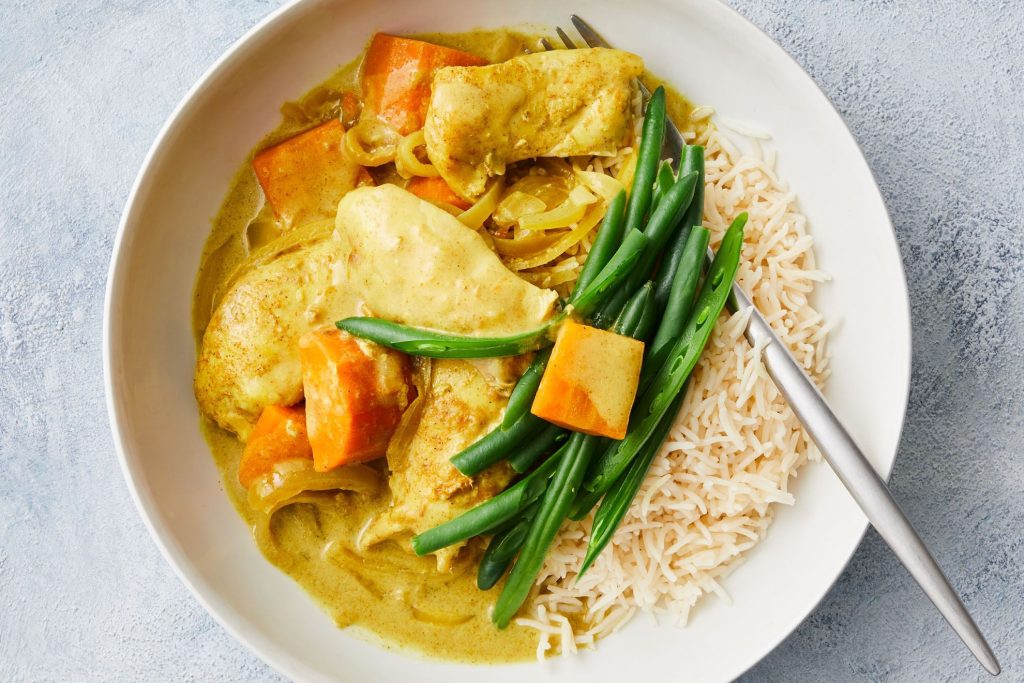
Thai: Green Curry
- Core: Green curry paste, coconut milk, chicken, vegetables.
- Simplification: Use pre-made curry paste, pre-cut vegetables, and simmer in a single pot.
Mexican: Tacos Al Pastor
- Core: Marinated pork, pineapple, corn tortillas, onion, cilantro.
- Simplification: Oven-roasted pork instead of spit-roasting; assemble tacos quickly at home.
Japanese: Teriyaki Chicken
- Core: Chicken, soy sauce, mirin, sugar.
- Simplification: Stir-fry chicken in a pan and reduce sauce quickly; simple rice accompaniment completes the dish.
These adaptations maintain core flavors and textures, while reducing preparation time and complexity for home cooks.
Embracing Cultural Appreciation
When recreating international dishes, respecting cultural context enhances authenticity:
- Research Origins: Understand the dish’s history and regional variations.
- Ingredient Integrity: Use authentic ingredients when possible to maintain intended flavor.
- Cooking Method Respect: Even simplified dishes benefit from traditional techniques such as stir-frying, braising, or steaming.
- Presentation: Garnish, plating, and side accompaniments reflect the culture’s dining aesthetic.
This approach ensures authentic flavor, visual appeal, and cultural respect in every meal.
Modern Tools and Resources
Home cooks today have access to digital resources and kitchen technology that simplify global cooking:
- Recipe apps with step-by-step photos or videos.
- Online ingredient sourcing for hard-to-find spices and sauces.
- Smart appliances like air fryers, instant pots, or sous-vide machines to replicate professional techniques.
- Virtual cooking classes from chefs specializing in international cuisine.
Leveraging these tools reduces barriers and empowers home cooks to confidently recreate global classics.
Conclusion
Recreating classic international dishes is a combination of knowledge, preparation, and technique. By understanding the cultural context, core ingredients, flavor balance, and cooking methods, home cooks can replicate global cuisine with confidence and authenticity.
Simplifying recipes through ingredient substitutions, streamlined techniques, and modern tools ensures that complex dishes become approachable. At the same time, preserving core flavors and textures honors tradition and delivers the rich culinary experience these dishes represent.
From Italian pasta and French stews to Thai curries and Mexican tacos, international dishes can be recreated with elegance and precision at home. Mastering this approach allows cooks to travel the world through flavor, explore diverse culinary traditions, and impress with classic dishes that are both authentic and achievable.
With practice, preparation, and respect for technique and culture, recreating international cuisine becomes not only feasible but deeply rewarding, turning your kitchen into a gateway to global culinary heritage.