






Introduction: The Art and Philosophy Behind Culinary Creation
In the world of gastronomy, the role of a chef extends far beyond mastering techniques or following recipes. From the initial concept of a menu to the final presentation of a dish, each chef expresses a unique vision, reflecting their philosophy, creativity, and understanding of flavor, culture, and human experience. The design of a menu and the way dishes are presented are not merely aesthetic exercises—they are strategic decisions rooted in culinary philosophy, sensory engagement, and storytelling.
Top chefs view the dining experience as a holistic journey, where taste, texture, aroma, visual appeal, and narrative cohesion interact to create a meaningful encounter. Each stage of this process—from ingredient selection and recipe development to plating and service—is guided by deliberate choices that embody the chef’s values and vision.
This essay explores how chefs around the world approach the continuum from menu creation to dish presentation, highlighting their philosophies, methods, and the impact on both diners and broader culinary culture. It examines how creativity, sustainability, cultural heritage, and sensory design converge to transform meals into immersive experiences.
I. Menu Design: The Blueprint of Culinary Philosophy
1. Menus as Narratives
A menu is the first expression of a chef’s vision. Beyond listing dishes, it serves as a narrative framework, guiding diners through a carefully curated journey of taste, texture, and emotion. Top chefs design menus with consideration of:
- Sequence and pacing: Balancing light and rich dishes, flavors, and textures to optimize the dining experience.
- Seasonality and locality: Choosing ingredients that reflect the current season and local terroir.
- Storytelling: Incorporating cultural, historical, or personal elements into each dish.
For example, in Nordic cuisine, chefs like René Redzepi create menus that narrate the story of the land, highlighting foraged ingredients and local traditions. In contrast, Italian chefs may focus on heritage, showcasing regional recipes refined with modern techniques.
2. Balancing Creativity and Practicality
While a menu must inspire, it also needs to be operationally feasible. Chefs must balance:
- Innovation vs. tradition: Introducing novel flavors while respecting culinary heritage.
- Complexity vs. efficiency: Ensuring that each dish can be executed consistently in a high-volume kitchen.
- Cost vs. quality: Selecting premium ingredients without compromising the sustainability or financial viability of the restaurant.
The design process becomes a reflection of the chef’s philosophy, prioritizing taste integrity, cultural significance, and ethical sourcing.
3. Tasting Menus and Experiential Design
Many modern fine-dining restaurants employ tasting menus, which exemplify the chef’s holistic approach:
- Cohesion of courses: Each dish complements the next, creating a flow of flavor, texture, and visual impact.
- Sensory storytelling: Incorporating sound, aroma, and presentation elements to engage multiple senses.
- Interactive elements: Some dishes invite diners to participate, enhancing engagement and shared experience.
Through tasting menus, the chef’s perspective is communicated in a layered, deliberate progression, allowing diners to experience the philosophy behind the cuisine.
II. Ingredient Selection: Philosophy in Every Bite
1. Locality and Seasonality
Top chefs often emphasize ingredients that are seasonally available and locally sourced, reflecting a commitment to sustainability and freshness. This choice influences both flavor and narrative, connecting diners to the environment and cultural context of the cuisine.
2. Ethical and Sustainable Choices
Modern culinary philosophy increasingly integrates ethical sourcing:
- Prioritizing organic or regenerative farming methods.
- Selecting seafood based on sustainability certifications.
- Working with small producers and artisans to support local economies.
These decisions shape the menu from inception, ensuring that dishes are not only delicious but responsible and meaningful.
3. Innovation Through Ingredients
Chefs often select ingredients that allow for textural or flavor innovation, such as fermentations, unique spices, or heirloom varieties. Ingredient choices become expressions of creativity, pushing culinary boundaries while remaining coherent with the chef’s overarching philosophy.

III. Recipe Development: Translating Vision into Practice
1. Technique as a Tool, Not the Goal
While technical mastery is crucial, chefs view techniques as instruments to express flavor and emotion, rather than ends in themselves. For instance:
- Sous-vide cooking preserves delicate textures and flavors.
- Fermentation introduces complexity and depth.
- Molecular gastronomy allows for innovative textures and presentations.
Each method is chosen to enhance the intended sensory and conceptual impact of the dish.
2. Iterative Testing and Refinement
Top chefs approach recipe development as a rigorous, iterative process:
- Flavor profiling: Balancing acidity, sweetness, umami, and bitterness.
- Texture testing: Creating contrast between crunchy, creamy, soft, or crisp elements.
- Sensory alignment: Ensuring aroma, taste, and visual appeal converge harmoniously.
This meticulous process ensures that the final dish faithfully represents the chef’s vision and philosophy.
IV. Plating and Presentation: The Final Expression
1. Visual Storytelling
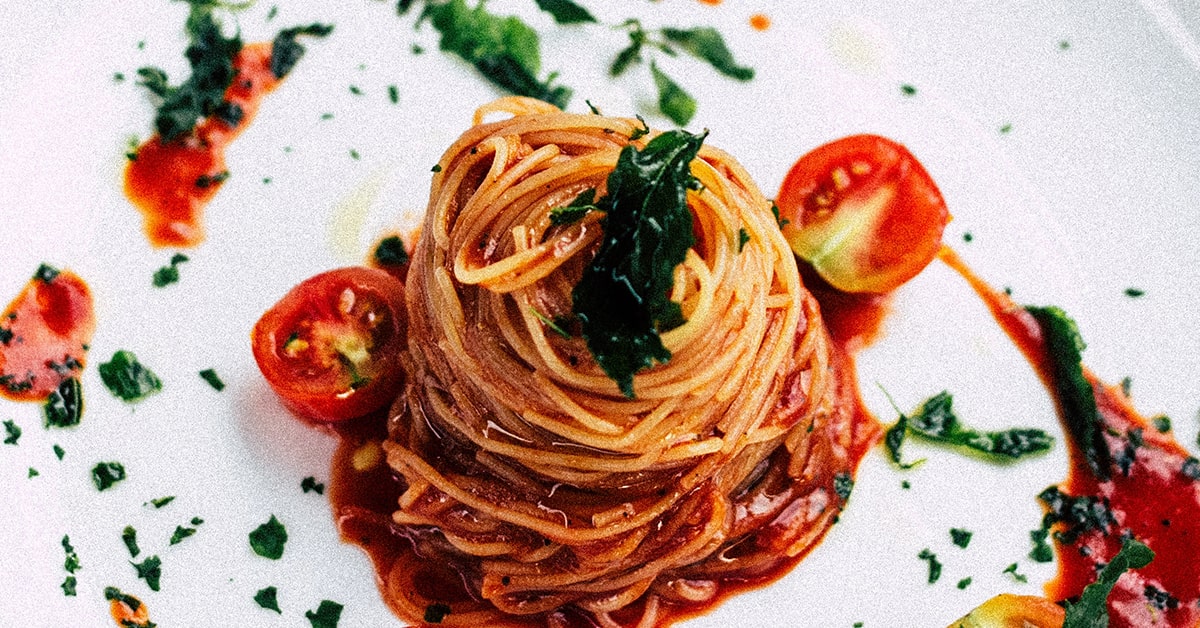
Plating is more than decoration; it is visual storytelling. Chefs consider:
- Composition: Placement of each element for aesthetic balance and flow.
- Color harmony: Using contrasting and complementary colors to evoke emotion.
- Negative space: Allowing the plate to “breathe” and highlight key ingredients.
A dish’s appearance can signal its flavor profile, cultural origin, or conceptual inspiration, making visual design an essential component of culinary philosophy.
2. Engaging Multiple Senses
Presentation is not limited to sight:
- Aroma: Herbs, smoke, or infused sauces guide the diner’s olfactory experience.
- Texture: Crisp, smooth, or creamy elements create sensory contrasts.
- Sound: Crackling elements or interactive plating can enhance immersion.
By orchestrating sensory experiences, chefs ensure that dining is a holistic encounter rather than a simple act of consumption.
3. Plating as Philosophical Expression
Some chefs use plating to communicate deeper values:
- Minimalist arrangements reflect simplicity and respect for ingredients.
- Shared plates emphasize communal dining and connection.
- Deconstructed presentations challenge perceptions, inviting diners to explore flavor relationships.
In each case, plating is a direct extension of the chef’s philosophy, transforming the dish into a medium of communication.
V. Signature Approaches of Renowned Chefs
1. Massimo Bottura: Storytelling and Artistry
Massimo Bottura’s dishes at Osteria Francescana blend heritage and narrative. Each plate tells a story of Italian culture, history, or personal memory, reflecting the chef’s philosophy that food is both art and emotion.
2. Joan Roca: Family and Sharing
Joan Roca emphasizes communal experience. His tasting menus encourage sharing and engagement, with dishes designed to foster connection and cultural storytelling, demonstrating that presentation and menu design are conduits for relational philosophy.
3. René Redzepi: Nature and Foraging
René Redzepi integrates local ecosystems into his menus. His plating emphasizes natural elements, textures, and seasonality, reflecting a philosophy of sustainability, respect, and sensory immersion.
4. Dominique Crenn: Poetic and Conceptual Cuisine
Dominique Crenn’s cuisine demonstrates poetic expression through plating. She uses visual metaphors, interactive elements, and narrative sequencing to transform each meal into an emotional and conceptual journey, showing how philosophy shapes both design and presentation.
VI. Kitchen Philosophy and Team Dynamics
1. Translating Vision into Collaboration
The execution of menu and plating vision requires clear communication, mentorship, and teamwork. Top chefs cultivate a kitchen culture that reflects their values:
- Respect and trust among team members.
- Encouragement of creativity and input from staff.
- Rigorous quality control to ensure consistent realization of the chef’s vision.
2. Training and Knowledge Transfer
Chefs instill philosophical principles alongside technical skills, ensuring that each staff member understands the why behind every decision, from ingredient choice to plating.
VII. Interaction with Diners
1. Educating Through Presentation
Plating and menu structure can teach diners about culture, sustainability, or culinary philosophy. Explanations from servers or chefs deepen appreciation, connecting diners to the values embedded in the meal.
2. Creating Memorable Experiences
By aligning menu progression, plating, and multi-sensory engagement, chefs ensure that dining is emotionally impactful and intellectually stimulating, leaving a lasting impression beyond taste alone.
VIII. Sustainability and Ethical Responsibility in Design
1. Minimizing Waste Through Thoughtful Menu Planning
Top chefs consider the entire life cycle of ingredients, using root-to-stem cooking, nose-to-tail approaches, and seasonal planning to reduce waste and maximize impact.
2. Reflecting Ethical Philosophy in Presentation
Plating can also communicate values, such as transparency in sourcing or celebration of underutilized ingredients, reinforcing the ethical stance behind culinary decisions.
IX. Evolution of Culinary Aesthetics
1. From Function to Art
Over the past century, plating has evolved from purely functional to artistic and philosophical expression, reflecting the chef’s unique worldview.
2. Global Influences
Contemporary chefs draw inspiration from multiple cultures, scientific discoveries, and artistic movements, ensuring that menu and presentation remain dynamic, evolving, and culturally resonant.
X. Measuring the Impact of Chef Philosophy on Dining
1. On Sensory Experience
A well-conceived menu and presentation amplify taste, texture, and aroma, creating a multisensory journey aligned with the chef’s philosophy.
2. On Cultural Engagement
Menus and plating communicate stories, heritage, and innovation, enriching diners’ cultural literacy and appreciation.
3. On Culinary Trends
The approaches of top chefs influence peers, shaping industry standards and redefining how dining, creativity, and philosophical intent intersect.
XI. Challenges in Translating Philosophy to Execution
- Maintaining consistency in high-volume service while adhering to artistic and philosophical standards.
- Balancing innovation with diner expectations and operational feasibility.
- Adapting to ingredient variability, seasonality, and global supply constraints.
Despite these challenges, top chefs continue to innovate, ensuring that menu and presentation reflect authentic vision and philosophy.
XII. Conclusion: The Unique Signature of Every Chef
From menu conception to the final plate, each chef’s approach embodies a distinctive philosophy. The choices they make—ingredients, techniques, sequence, plating, and sensory design—reflect personal values, cultural heritage, and ethical priorities.
By integrating creativity, narrative, and philosophy, chefs transform dining into a holistic, immersive experience, where food becomes a medium for expression, connection, and meaning. Observing the diversity of approaches across the world reveals that while techniques may be learned, vision and philosophy remain unique, defining each chef’s signature and elevating cuisine from nourishment to art, culture, and human experience.
In essence, the journey from menu design to dish presentation is not just culinary—it is intellectual, emotional, and ethical, showcasing the depth and richness of modern gastronomy. Every dish tells a story, every plate reflects a worldview, and every dining experience becomes an expression of the chef’s singular perspective.