






Introduction
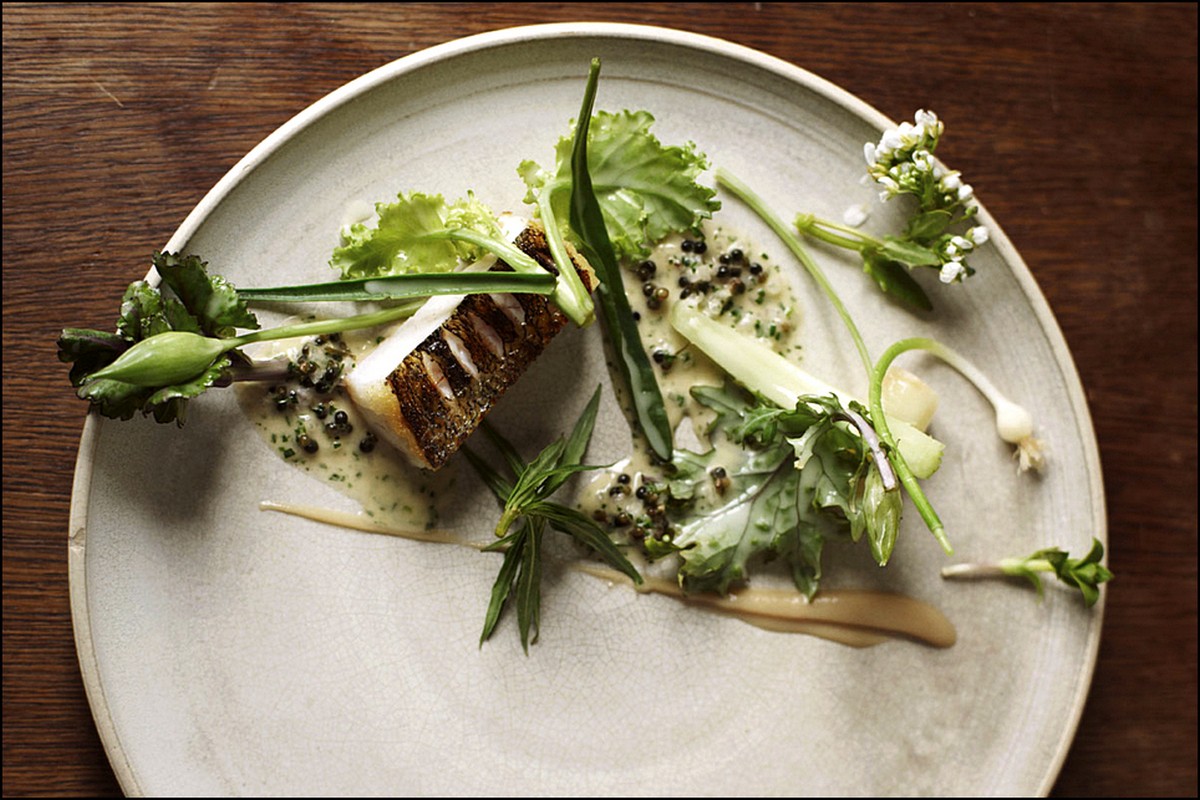
René Redzepi, the visionary chef behind Copenhagen’s Noma, is widely celebrated for revolutionizing modern gastronomy by placing narrative, culture, and nature at the center of his culinary philosophy. Unlike chefs who prioritize technical spectacle or global fusion, Redzepi emphasizes the story behind each ingredient—the environment in which it grows, its seasonality, its historical and cultural significance, and the relationship between humans and the natural world.
At Noma, ingredients are not merely components of a dish; they are the protagonists of a narrative. Each plate becomes a lens through which diners can explore ecosystems, regional traditions, and the interconnectedness of food, culture, and memory. This approach exemplifies a broader movement in contemporary cuisine that integrates storytelling, sustainability, and sensory innovation.
This essay explores Redzepi’s philosophy in depth. It examines his approach to ingredient sourcing, foraging, and seasonality; his integration of cultural and ecological narratives into cuisine; the sensory and experiential dimensions of his dishes; and the broader impact of his methods on global gastronomy. By focusing on the stories behind ingredients, Redzepi demonstrates how food can be a medium for knowledge, culture, and ethical reflection.
1. Early Influences and Culinary Formation
1.1 Childhood and Cultural Background
René Redzepi was born in Copenhagen, Denmark, to a Macedonian father and Danish mother. His diverse heritage exposed him to different culinary traditions, from Mediterranean flavors to Nordic simplicity. These early experiences instilled an appreciation for food as a cultural narrative, a principle that would later define his culinary vision.
1.2 Culinary Education and Exposure
Redzepi trained at Copenhagen’s Culinary School and undertook apprenticeships across Europe. He worked in France and Spain, gaining classical technique, but he was particularly influenced by the Nordic landscape upon returning home. The forests, coasts, and wetlands of Denmark inspired him to explore indigenous ingredients and local biodiversity.
These formative experiences taught him that culinary excellence is inseparable from context: understanding where food comes from and how it grows is as important as knowing how to cook it.
2. Ingredient-Centric Philosophy
2.1 Respecting the Source
Redzepi emphasizes respecting ingredients in their most authentic form. This begins with sourcing:
- Local and Seasonal: Ingredients are harvested at their peak, reflecting the natural rhythms of Nordic ecosystems.
- Foraging and Wild Ingredients: Mushrooms, seaweeds, herbs, and berries from local landscapes connect dishes to place.
- Cultural Context: Ingredients carry historical and ecological narratives, linking diners to tradition and environment.
By grounding cuisine in local terroir and natural cycles, Redzepi creates a culinary language that communicates geography and culture.
2.2 Beyond Taste: Narrative Dimensions
For Redzepi, the story behind an ingredient matters as much as its flavor. The growth conditions, harvest methods, and even folklore associated with an ingredient inform the dish. Diners are invited to consider:
- How the environment shaped the ingredient.
- What historical or cultural significance it holds.
- The ecological and ethical implications of sourcing it.
This narrative approach transforms meals into experiences that are intellectually, emotionally, and sensorially engaging.
3. Foraging as Culinary Exploration
3.1 Rediscovering Nordic Ingredients
Redzepi popularized the use of foraged ingredients in haute cuisine. Traditional Danish herbs, wild mushrooms, seaweed, and berries became key components of Noma’s menus.
Foraging serves multiple purposes:
- Cultural Revival: It reconnects diners with Nordic heritage.
- Sustainability: Wild ingredients reduce dependence on industrial agriculture.
- Flavor Discovery: Unique textures, aromas, and flavors are uncovered in the wild.
3.2 Knowledge and Expertise in the Field
Foraging requires deep understanding of botany, ecology, and seasonality. Redzepi and his team study plant growth cycles, soil composition, and climatic effects. This knowledge informs not only ingredient selection but also preparation techniques, ensuring that wild flavors are highlighted without being overwhelmed.
3.3 Storytelling Through Harvesting
The act of foraging itself is part of the narrative. Diners are often made aware of the ingredient’s origin, sometimes with visual or narrative cues. A single wild mushroom or herb becomes a representation of a place, season, and ecological relationship.
4. Seasonal Menus and the Rhythm of Nature
4.1 The Four Seasons at Noma
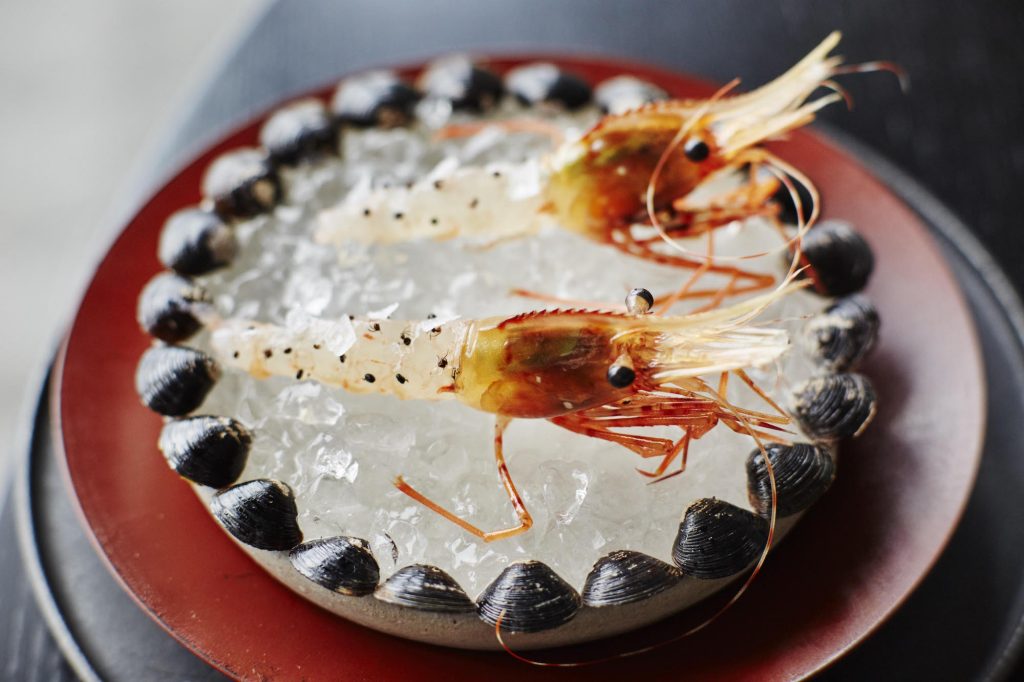
Redzepi structures Noma’s menus around the natural cycles of the Nordic region:
- Spring: Fresh greens, shoots, and young herbs.
- Summer: Berries, fruits, and flowering herbs.
- Autumn: Mushrooms, root vegetables, and preserved items.
- Winter: Fermented, cured, and stored foods.
This structure emphasizes temporality and highlights how ingredients evolve with their environment.
4.2 Fermentation and Preservation as Storytelling
Redzepi often uses fermentation not just for flavor, but as a narrative device. Fermented foods carry the imprint of time and place, embodying the season’s essence. By serving preserved ingredients alongside fresh ones, diners experience the continuum of food development and human ingenuity in extending shelf life.
5. Sensory Storytelling
5.1 Beyond Taste: Multisensory Engagement
Redzepi’s dishes engage multiple senses:
- Visual: Plates reflect landscapes or natural forms.
- Olfactory: Aroma recalls forest, coast, or meadow.
- Tactile: Textures mimic natural phenomena, e.g., crunchy moss or soft moss-like mousses.
This sensory layering reinforces the ingredient’s story, creating a narrative experience rather than merely a meal.
5.2 Evoking Memory and Emotion
Redzepi’s philosophy relies on the emotional resonance of ingredients. Familiar textures or flavors trigger memories, while unfamiliar ones evoke curiosity and wonder. By pairing wild herbs with traditionally cultivated vegetables, for example, he bridges the gap between past culinary memory and modern innovation.
6. Cultural and Ethical Dimensions
6.1 Sustainability and Ecological Awareness
Redzepi’s focus on ingredient stories extends to ethics:
- Foraging supports biodiversity by highlighting lesser-known species.
- Local sourcing reduces carbon footprint.
- Seasonal menus prevent overexploitation of ecosystems.
The narrative of each ingredient includes its environmental impact, fostering ecological consciousness among diners.
6.2 Cultural Preservation and Innovation
By highlighting indigenous ingredients, Redzepi preserves cultural heritage. Yet, he innovates in technique and presentation, demonstrating that respect for tradition and creative reinterpretation are not mutually exclusive.
7. Case Studies of Signature Ingredients
7.1 Seaweed
Seaweed is emblematic of Noma’s philosophy. Locally foraged varieties showcase the Nordic coast’s bounty.
- Each type is harvested at specific times for optimal flavor.
- Different preparations—fresh, fried, or fermented—highlight unique textures.
- Diners are informed of its origin, often with contextual storytelling about coastal ecosystems.
7.2 Mushrooms
Mushrooms, particularly wild species, carry ecological and cultural narratives:
- Identification and harvesting reflect traditional Nordic knowledge.
- Fermented or dried, they encapsulate seasonal cycles.
- Their use demonstrates balance between preservation and immediacy.
7.3 Fermented Vegetables and Herbs
Redzepi’s use of fermentation transforms mundane ingredients into complex flavors, narrating the journey of transformation over time. Each preserved item is a testament to natural processes and human ingenuity.
8. Redzepi’s Influence on Global Gastronomy
8.1 Inspiring Ingredient-Focused Cuisine
Redzepi has influenced chefs worldwide to:
- Source ingredients locally and sustainably.
- Incorporate wild and seasonal items.
- Build menus around narrative rather than novelty alone.
8.2 The Rise of Story-Driven Dining
The focus on ingredient stories has contributed to experiential dining trends, where meals are designed as immersive narratives. Diners no longer consume solely for flavor; they participate in a story of origin, ecology, and culture.
8.3 Ethical Gastronomy
Redzepi’s approach emphasizes the ethical dimension of dining, encouraging chefs and diners to consider ecological impact, cultural context, and sustainability in food choices.
9. Techniques That Enhance Ingredient Storytelling
9.1 Minimalist Preparation
Redzepi often employs minimal cooking to preserve natural integrity: blanching, light fermentation, or gentle roasting maintain flavor and texture, allowing the ingredient’s story to remain clear.
9.2 Textural Contrast
Using multiple textures in one ingredient enhances narrative depth. For example, a root vegetable may appear as crisp chips, soft puree, and lightly pickled garnish on the same plate.
9.3 Plating as Narrative
Presentation at Noma mirrors landscapes, seasons, or ecological systems, visually reinforcing the story of each ingredient.
10. Challenges and Critiques
10.1 Balancing Novelty and Accessibility
Some critics argue that storytelling-focused cuisine can alienate diners unfamiliar with Nordic ingredients. Redzepi addresses this by grounding dishes in recognizable flavors while introducing unique elements gradually.
10.2 Sustainability Trade-Offs
Foraging and wild sourcing can strain local ecosystems if not managed carefully. Noma implements strict harvesting protocols and regenerative sourcing to mitigate impact.
11. Future Directions
11.1 Expansion of Narrative Cuisine
The focus on ingredient stories is likely to influence future gastronomy:
- Global chefs will increasingly integrate ecological and cultural narratives.
- Diners will seek experiences connecting them to food origins.
11.2 Technology and Storytelling
Digital tools, such as augmented reality menus, may allow diners to explore ingredient origins interactively, deepening connection to narrative and ecology.
11.3 Education and Cultural Preservation
Redzepi’s philosophy underscores the importance of teaching culinary students about ecosystems, botany, and cultural heritage alongside technique.
Conclusion
René Redzepi’s culinary philosophy demonstrates that food is far more than sustenance; it is a medium for storytelling. By focusing on the story behind each ingredient, Redzepi elevates cuisine into a dialogue between humans, nature, and culture. Foraging, seasonality, fermentation, and presentation all serve as vehicles to communicate the journey, origin, and ecological context of food.
This approach challenges chefs and diners alike to engage with cuisine thoughtfully, ethically, and creatively. Ingredients are no longer anonymous; they carry narratives that connect taste with memory, ecology, and culture. Redzepi’s work shows that the future of gastronomy lies not merely in technical skill or aesthetic innovation, but in cultivating awareness of the stories that each ingredient carries.
Through his dedication to storytelling, Redzepi has reshaped modern dining, inspiring chefs worldwide to seek meaning and connection in every component of the plate. In doing so, he reminds us that food is a bridge between human experience and the natural world, and that every ingredient has a story worth honoring.