






Introduction
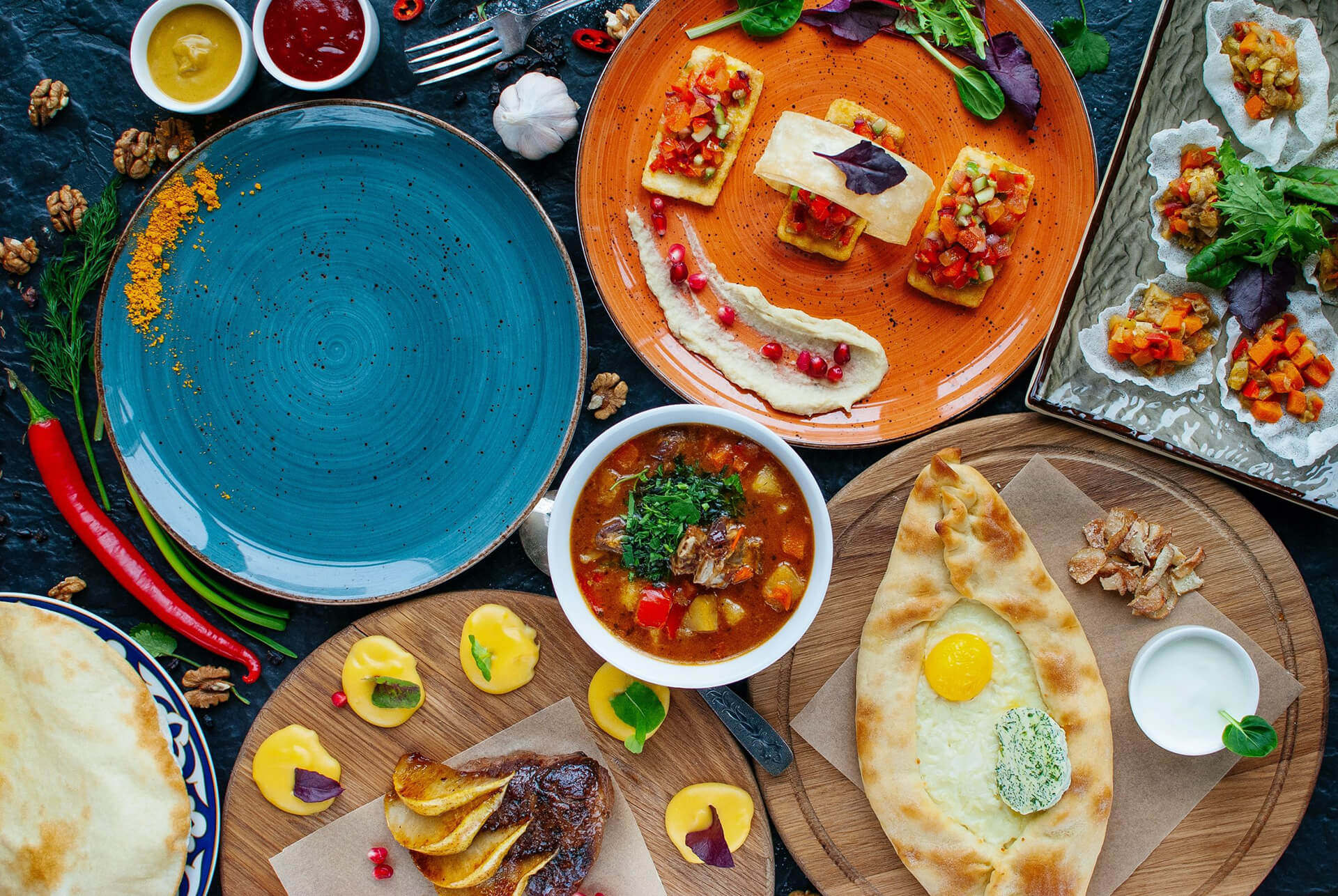
Food is far more than a biological necessity. It is a language, a memory system, a social glue, and a powerful marker of who we are and where we come from. Across history and geography, human societies have used food to express values, transmit traditions, reinforce social bonds, and negotiate identity. What people eat, how they prepare it, when they serve it, and with whom they share it all reveal layers of meaning that go well beyond taste or nutrition. In this sense, food operates as both a material and symbolic cornerstone of cultural identity.
Cultural identity itself is not static. It is shaped by history, environment, religion, economics, migration, and political power. Food sits at the intersection of all these forces. A single dish can encode centuries of agricultural practice, colonial encounters, trade routes, religious rules, and family memory. At the same time, food is deeply personal: the flavors associated with childhood often remain among the strongest emotional anchors in adult life. Because of this dual nature—collective and intimate—food becomes one of the most resilient carriers of cultural identity.
In a globalized world characterized by rapid movement of people, goods, and ideas, the relationship between food and cultural identity has become even more complex. Traditional cuisines travel across borders, adapt to new contexts, and sometimes lose or transform their original meanings. Fast food chains coexist with ancestral cooking methods; fusion cuisine challenges ideas of authenticity; and social media turns local dishes into global trends. Yet rather than erasing cultural identity, these processes often highlight how strongly people rely on food to define themselves in times of change.
This article explores the multifaceted connection between food and cultural identity from historical, social, symbolic, and contemporary perspectives. It examines how food reflects collective memory, reinforces belonging, marks difference, and evolves under the pressures of migration and globalization. By understanding food not merely as sustenance but as culture made edible, we gain deeper insight into how identities are formed, preserved, and reimagined.
Food as a Historical Record of Culture
Agriculture, Environment, and Identity
At its most fundamental level, food culture is shaped by geography and environment. Climate, soil quality, access to water, and local biodiversity determine what can be grown or raised in a particular region. Over generations, communities develop agricultural systems and culinary traditions adapted to these conditions. Rice cultivation in East and Southeast Asia, wheat and olive farming in the Mediterranean, maize in Mesoamerica, and pastoralism in Central Asia are not accidental choices; they are deeply intertwined with regional ecologies.
These agricultural foundations influence not only diet but also social organization and worldview. In rice-growing societies, for example, communal labor and synchronized planting cycles often foster collective values and rituals centered on cooperation. In contrast, pastoral cultures may emphasize mobility, animal stewardship, and flexible social structures. The foods that emerge from these systems become symbols of place and identity, linking people to their land even when they migrate elsewhere.
Historical Encounters and Culinary Exchange
Food also serves as a record of historical encounters, including trade, conquest, and colonization. Many dishes considered “traditional” today are, in fact, the result of centuries of exchange. The introduction of chili peppers from the Americas transformed cuisines across Asia and Africa. Tomatoes, now essential to Italian cooking, were once viewed with suspicion in Europe. Sugar, tea, and coffee became global commodities tied to colonial expansion, labor exploitation, and shifting social habits.
These exchanges complicate simplistic notions of pure or unchanging food traditions. Instead, they reveal cultural identity as dynamic and adaptive. Culinary borrowing does not necessarily dilute identity; it often strengthens it by integrating new elements into existing frameworks of meaning. What matters is not the origin of an ingredient alone, but how it is incorporated, named, ritualized, and remembered within a culture.
Food, Memory, and Collective Identity
Culinary Memory and Emotional Attachment
Food is one of the most powerful triggers of memory. Smell and taste are closely linked to the brain’s emotional centers, making food an especially potent reminder of the past. A single bite can evoke childhood kitchens, family gatherings, or festive occasions long gone. These personal memories, when shared across a community, contribute to a collective sense of identity.
For many people, traditional dishes prepared by parents or grandparents become symbols of continuity and belonging. Even when recipes are not written down, they are transmitted through observation, repetition, and storytelling. The act of cooking thus becomes a form of cultural education, teaching younger generations not only techniques but also values, patience, and respect for heritage.
Food and National Narratives
On a larger scale, food plays a key role in national identity. Governments and cultural institutions often promote certain dishes as representative of the nation, using them in tourism campaigns, festivals, and diplomatic events. These “national cuisines” are often simplified or standardized versions of more diverse regional foodways, but they nonetheless serve as powerful symbols.
For example, dishes like sushi, pizza, curry, or tacos have come to represent entire countries in the global imagination. While this can obscure internal diversity, it also demonstrates how food can function as a cultural ambassador. Eating these foods becomes a way for outsiders to engage with a culture, even if only superficially. For insiders, pride in national cuisine can reinforce feelings of unity, especially in times of political or social uncertainty.
Food, Ritual, and Social Structure
Religious and Spiritual Dimensions of Food
In many cultures, food is inseparable from religion and spirituality. Dietary laws, fasting practices, and ritual meals express moral values, cosmological beliefs, and communal boundaries. Halal and kosher laws, Hindu vegetarian traditions, Christian fasting periods, and Buddhist mindful eating practices all illustrate how food choices can reflect ethical and spiritual commitments.
Ritual meals often mark important life events such as births, marriages, and funerals. The foods served at these occasions are rarely arbitrary; they carry symbolic meanings related to prosperity, purity, continuity, or remembrance. By participating in these shared meals, individuals reaffirm their membership in a moral and cultural community.
Social Hierarchies and Gender Roles
Food also reflects and reinforces social structures, including class and gender roles. Historically, access to certain foods has been a marker of status and power. Spices, meat, and sugar were once luxury items reserved for elites, while staple grains sustained the majority. Even today, food consumption patterns can signal economic position, education, and lifestyle.
Gender roles are often embedded in food practices as well. In many societies, women have traditionally been responsible for cooking and food preparation, making the kitchen a central site of cultural transmission but also of gendered labor. At the same time, professional culinary prestige has often been dominated by men, highlighting inequalities within food systems. Understanding these dynamics is essential to grasping how food and identity intersect with power.
Migration, Diaspora, and Food Identity
Food as an Anchor in Migrant Experience
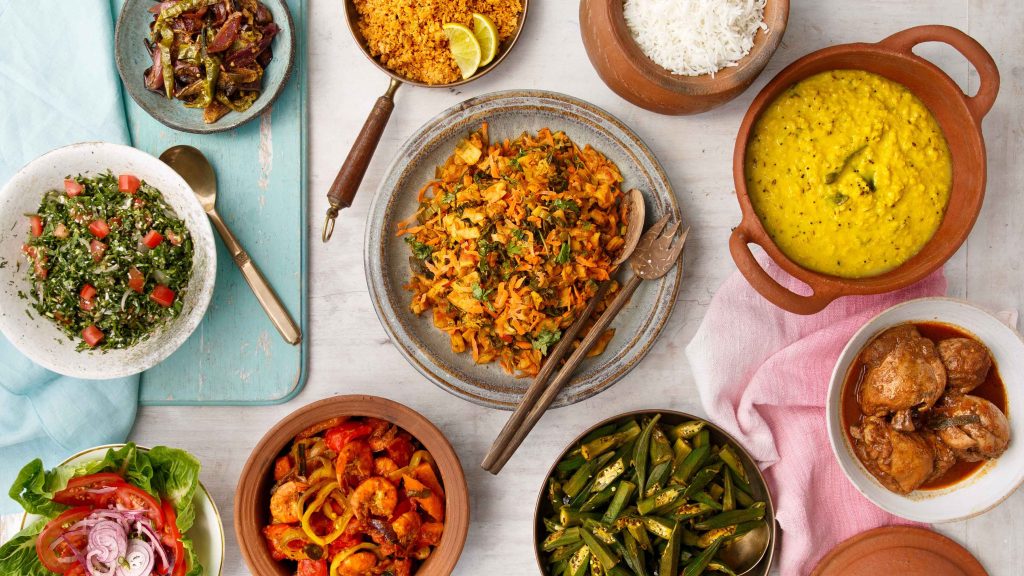
For migrants and diasporic communities, food often becomes a crucial anchor of identity. When people leave their homeland, familiar foods provide comfort and continuity in unfamiliar environments. Cooking traditional dishes allows migrants to recreate a sense of home, even when other cultural markers such as language or dress may fade over time.
Ethnic grocery stores, restaurants, and community kitchens serve as cultural hubs where food facilitates social connection and mutual support. These spaces are not only about consumption but also about storytelling, memory-sharing, and cultural resilience. Through food, migrants negotiate the tension between preserving tradition and adapting to new contexts.
Adaptation and Hybrid Identities
Diasporic cuisines are rarely exact replicas of their origins. Limited access to traditional ingredients, interaction with other cultures, and the preferences of younger generations lead to adaptation and innovation. The result is often a hybrid cuisine that reflects layered identities.
These adaptations challenge rigid notions of authenticity. Rather than viewing change as loss, many scholars argue that culinary hybridity reflects the lived realities of cultural identity in motion. A dish that blends elements from multiple traditions can express belonging to more than one cultural world, embodying the complexity of modern identity.
Globalization and the Transformation of Food Culture
Standardization and Cultural Homogenization
Globalization has dramatically altered food systems worldwide. Industrial agriculture, multinational food corporations, and global supply chains have increased access to a wide variety of foods but have also led to standardization. Fast food chains offer similar menus across continents, sometimes displacing local food practices.
Critics argue that this homogenization threatens culinary diversity and weakens the link between food and cultural identity. When traditional diets are replaced by highly processed foods, communities may lose not only flavors but also knowledge, rituals, and social practices tied to cooking and eating.
Resistance, Revival, and Culinary Activism
At the same time, globalization has sparked movements to protect and revive traditional food cultures. Concepts such as “slow food,” “local sourcing,” and “food sovereignty” emphasize the cultural, environmental, and ethical dimensions of eating. Chefs, farmers, and activists work to preserve indigenous ingredients, heirloom varieties, and traditional techniques.
These efforts demonstrate that food can be a site of resistance as well as change. By choosing what to eat and how to produce it, individuals and communities assert values and identities in the face of global pressures. In this way, food becomes a form of cultural and political expression.
Food, Media, and Identity in the Digital Age
Representation and Storytelling
In the digital age, food culture is increasingly mediated through television, social media, and online platforms. Cooking shows, food blogs, and short videos shape perceptions of different cuisines and the cultures they represent. These media can educate and inspire, but they can also oversimplify or stereotype.
Representation matters. Who gets to tell food stories, and from what perspective, influences how cultures are understood. When members of a culture share their own food narratives, they reclaim agency and authenticity. When outsiders dominate the narrative, cultural identity risks being reduced to aesthetic trends or commercial products.
Youth, Innovation, and Identity Expression
Younger generations often engage with food culture in new ways, using it as a form of creative self-expression. Experimenting with recipes, sharing food photography, or blending traditions reflects evolving identities that are both rooted and forward-looking. For many young people, cooking traditional dishes alongside global flavors is a way to honor heritage while asserting individuality.
This generational shift suggests that cultural identity is not preserved by freezing traditions in time, but by allowing them to evolve meaningfully. Food remains central to this process because it is flexible, participatory, and deeply embedded in daily life.
Ethical Dimensions: Sustainability and Cultural Responsibility
Food Systems and Cultural Survival
The future of food and cultural identity is closely tied to sustainability. Environmental degradation, climate change, and industrial farming threaten not only ecosystems but also the cultural practices dependent on them. When traditional crops disappear or fishing grounds are depleted, entire food cultures are at risk.
Protecting cultural identity therefore requires protecting the environments and knowledge systems that sustain it. Indigenous and local communities often possess deep ecological knowledge embedded in their food practices. Recognizing and respecting this knowledge is both an ethical and cultural imperative.
Responsibility of Consumers and Institutions
Consumers, educators, and policymakers all play roles in shaping food culture. Choosing to support local producers, learning about the origins of foods, and respecting cultural contexts can contribute to more equitable and meaningful food systems. Institutions such as schools and museums can also promote food literacy, helping people understand the cultural significance of what they eat.
In this sense, food becomes a shared responsibility. Preserving the connection between food and cultural identity is not about nostalgia, but about fostering diversity, dignity, and sustainability in a rapidly changing world.
Conclusion
The connection between food and cultural identity is profound, multifaceted, and enduring. Food is history on a plate, memory in motion, and identity made tangible. It reflects where people come from, how they live, what they value, and how they relate to one another. Through agriculture, ritual, migration, and innovation, food carries cultural meaning across generations and borders.
In an era of globalization and rapid change, this connection faces both challenges and opportunities. While industrialization and standardization can weaken traditional foodways, increased awareness and cultural exchange also create space for revival, creativity, and dialogue. Food continues to serve as a powerful medium through which individuals and communities negotiate belonging and difference.
Ultimately, understanding food as a key element of cultural identity invites greater empathy and respect. When we take the time to learn the stories behind the foods we eat, we engage more deeply with the people and cultures that created them. In doing so, we recognize that every meal is not just nourishment for the body, but also for the shared human experience.