






Introduction
The world of gastronomy has always been a balance between artistry and science, between heritage and innovation. Traditional culinary techniques—such as braising, roasting, fermenting, or baking—have been refined over centuries, guided by cultural heritage, ingredient availability, and sensory experience. These time-honored practices form the backbone of the culinary arts, preserving flavors, textures, and methods that define regional and national cuisines.
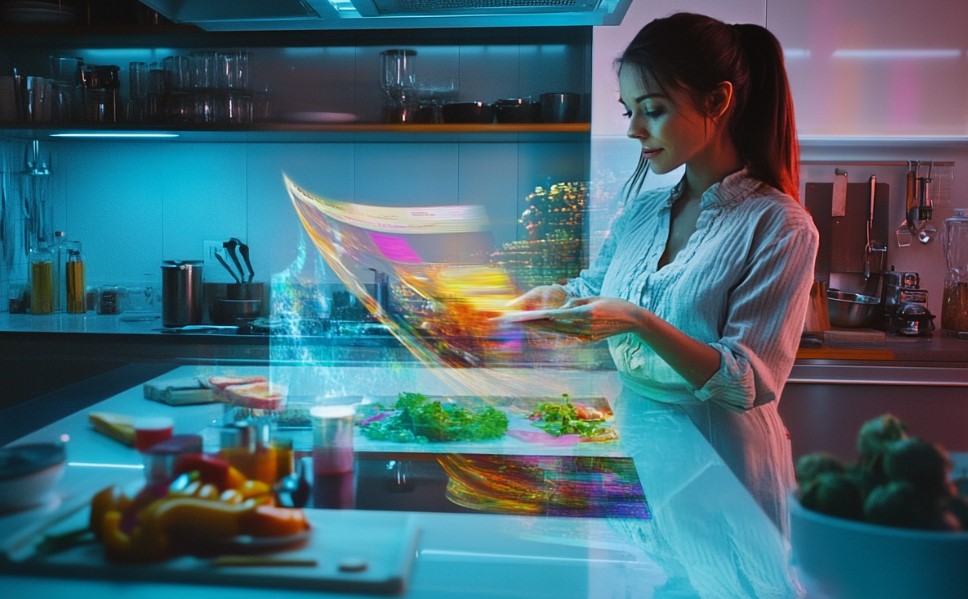
In recent decades, technological advancements have introduced a new dimension to these traditional techniques. From precision temperature control and sous-vide cooking to molecular gastronomy and smart kitchen appliances, technology has allowed chefs to reinterpret classical methods, enhance consistency, and expand flavor possibilities. This integration of technology does not replace tradition; rather, it amplifies its potential, allowing chefs to preserve authenticity while exploring innovative culinary expressions.
This article explores how technology has transformed traditional cooking, examining historical perspectives, scientific principles, modern tools, global examples, and the resulting impact on professional kitchens and gastronomy as a whole.
1. The Intersection of Tradition and Technology
1.1 Preserving Heritage Through Technology
Traditional techniques are rooted in sensory knowledge and manual precision. For example:
- French braising: Slow cooking meat in liquid to tender perfection
- Japanese fermentation: Controlled growth of microorganisms in miso or soy sauce
- Italian pasta-making: Hand-rolled and extruded dough with precise hydration
Technology enhances these techniques without compromising their essence:
- Temperature-controlled ovens replicate historical baking conditions with exactitude
- Digital fermentation monitors ensure consistent microbial activity
- Automated dough mixers and sheeters maintain texture while reducing human error
1.2 Expanding the Culinary Palette
Technological tools allow chefs to experiment with flavors, textures, and forms that were previously unattainable:
- Sous-vide enables precise protein doneness, creating textures impossible with traditional roasting
- Liquid nitrogen freezes rapidly, producing unique textures in desserts
- Pressure cooking and vacuum-sealing intensify flavors while maintaining nutritional integrity
2. Core Technologies Transforming Traditional Techniques
2.1 Sous-Vide Cooking
Sous-vide, or low-temperature vacuum cooking, exemplifies how technology enhances classical methods:
- Food is sealed in vacuum bags and cooked in a temperature-controlled water bath
- Traditional braising achieves uniform doneness without overcooking edges
- Proteins remain tender, vegetables retain color, and delicate seafood can be safely cooked
Impact on traditional cuisine:
- Consistent results for classic dishes like beef bourguignon or poached fish
- Increased preservation of nutrients and aromatic compounds
2.2 Precision Temperature Control
Precision cooking tools such as induction stovetops, combi ovens, and thermal probes allow chefs to:
- Maintain exact temperatures for emulsions, custards, and sauces
- Control Maillard reactions and caramelization without risk of burning
- Apply classical techniques (roasting, poaching, confit) with scientific accuracy
Example: Perfectly poached eggs at 63°C for 45 minutes achieve ideal texture every time, something challenging in traditional open-water poaching.
2.3 Molecular Gastronomy and Textural Innovation
- Spherification, foams, gels, and airs transform traditional flavor delivery
- Classical sauces and reductions are reimagined into new forms without altering taste
- Enables modern reinterpretations of historical dishes, blending tradition with sensory innovation
2.4 Fermentation Technology
- Smart fermentation chambers control temperature, humidity, and airflow
- Enables precise replication of sourdough, kimchi, or miso
- Ensures consistency while maintaining artisanal authenticity
3. Scientific Principles Underlying Technological Integration
3.1 Heat Transfer and Protein Denaturation
- Cooking involves protein unfolding and coagulation, starch gelatinization, and enzymatic reactions
- Technology allows exact control of heat transfer, ensuring precise texture and flavor development
- Traditional roasting, steaming, or baking is enhanced by accurate timing and temperature sensors
3.2 Maillard Reaction and Flavor Complexity
- The Maillard reaction occurs optimally between 140–165°C
- Precision ovens and thermal sensors allow chefs to achieve perfect browning without burning
- Enhances aromas and flavors of traditional roasts, breads, and desserts
3.3 Preservation of Nutrients and Bioactive Compounds
- Modern techniques minimize nutrient loss by avoiding overcooking
- Steaming, sous-vide, and controlled roasting preserve water-soluble vitamins, antioxidants, and aromatic compounds
4. Global Examples of Technology Enhancing Traditional Cooking
4.1 French Cuisine
- Sous-vide confit duck maintains traditional flavor while improving texture
- High-precision ovens perfect classic pastry lamination and custards
- Liquid nitrogen creates innovative presentations of traditional crème brûlée
4.2 Japanese Cuisine
- Precision-controlled steaming enhances chawanmushi and delicate fish
- Modern sushi chefs use temperature-stabilized rice cookers for consistency
- Fermentation monitoring produces uniform soy sauce and miso
4.3 Italian Cuisine
- Pasta extrusion and hydration machines ensure uniform dough for ravioli and fresh pasta
- Pizza ovens with regulated heat reproduce wood-fired textures
- Sous-vide and controlled baking enhance risotto and braised meats
4.4 Middle Eastern Cuisine
- Convection and steam ovens replicate traditional tannour or clay oven effects
- Controlled spice roasting enhances nuts, grains, and seeds for pilafs and desserts
5. Advantages of Technology in Traditional Culinary Practices
5.1 Consistency and Reproducibility
- Precision tools allow chefs to replicate dishes identically in multiple locations
- Essential for fine dining, catering, and culinary education
5.2 Enhanced Creativity
- New textures, forms, and presentations become possible
- Encourages chefs to reinterpret classic dishes without losing authenticity
5.3 Nutritional Optimization
- Reduced overcooking preserves vitamins and minerals
- Controlled oil, fat, and salt application promotes healthier outcomes
5.4 Time Efficiency and Labor Optimization
- Automated devices reduce repetitive manual tasks
- Allows chefs to focus on technique, plating, and flavor development
6. Challenges and Considerations
6.1 Maintaining Authenticity
- Over-reliance on technology may detach a dish from its traditional essence
- Chefs must balance innovation with respect for cultural and historical context
6.2 Skill Development
- Traditional techniques still require manual skill, even with modern tools
- Understanding ingredient behavior is essential to maximize technology benefits
6.3 Cost and Accessibility
- High-tech equipment can be expensive
- Small-scale or rural kitchens may lack access, limiting adoption
7. The Role of Technology in Culinary Education
- Modern culinary schools integrate precision cooking, molecular gastronomy, and smart appliance training
- Students learn both manual skills and scientific approaches
- Encourages critical thinking and experimentation while grounding students in traditional methods
8. Sustainability and Environmental Impact
- Controlled cooking reduces waste by preventing overcooking or spoilage
- Energy-efficient devices optimize heat usage
- Technology allows seasonal and locally sourced ingredients to be prepared optimally
9. Case Studies of Culinary Innovation
9.1 Heston Blumenthal
- Combines classical French techniques with scientific experimentation
- Uses sous-vide, liquid nitrogen, and precision heating to elevate traditional dishes
9.2 Massimo Bottura
- Reinterprets Italian classics using modern cooking tools
- Uses controlled braising, vacuum-sealing, and flavor science to reinvent risottos and meats
9.3 Japanese Kaiseki Evolution
- Chefs integrate steaming technology and temperature control for delicate multi-course meals
- Retains visual beauty and natural flavor while achieving precise textures
10. Future Directions
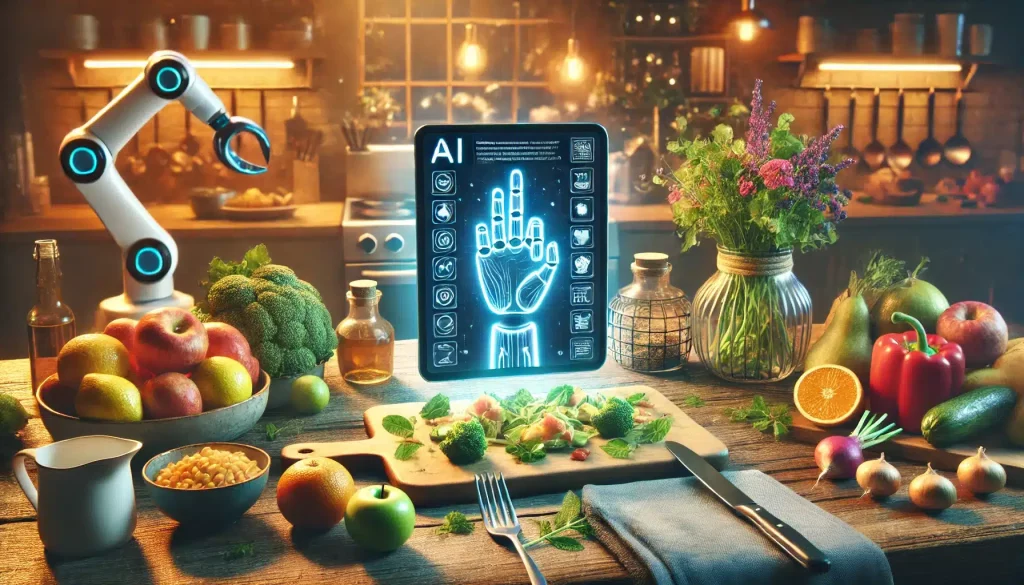
10.1 AI and Smart Kitchens
- Predictive cooking systems optimize timing and temperature
- Smart appliances adjust heat automatically for multi-component dishes
10.2 Integration with Global Cuisines
- Technology allows chefs to merge diverse culinary traditions while maintaining quality
- Encourages cross-cultural experimentation without compromising authenticity
10.3 Sustainability and Efficiency
- Automated precision cooking reduces energy and ingredient waste
- Facilitates large-scale production of traditional dishes with minimal environmental footprint
Conclusion
The integration of technology into traditional cooking techniques has introduced a transformative dimension to gastronomy. By enabling precision, consistency, and creative exploration, technology allows chefs to reinterpret time-honored dishes without compromising their authenticity. From sous-vide cooking and precision ovens to molecular gastronomy and smart fermentation, modern tools empower chefs to achieve textures, flavors, and nutritional profiles previously unattainable.
At the heart of this evolution lies a delicate balance: technology enhances tradition, but the foundational skills, cultural knowledge, and sensory intuition of the chef remain irreplaceable. Modern culinary innovation demonstrates that tradition and technology are not opposing forces; they are complementary elements that together define the future of gastronomy.
Ultimately, technology does more than optimize cooking—it reimagines what is possible in the kitchen, creating dishes that honor heritage while embracing innovation, sustainability, and creativity.