






Introduction
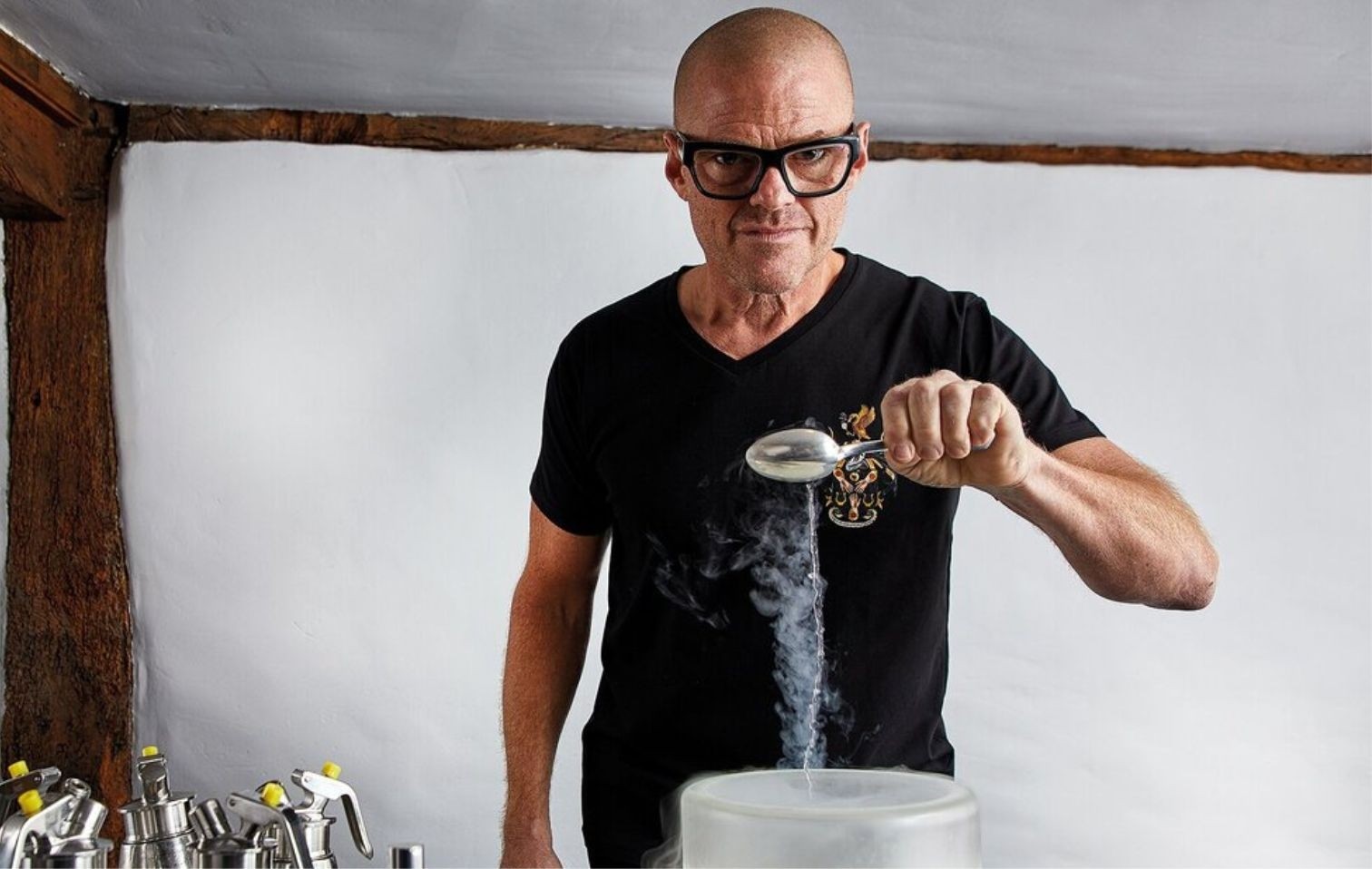
Heston Blumenthal is widely recognized as one of the most influential and intellectually driven chefs in modern culinary history. As a British chef, restaurateur, food writer, and scientific thinker, Blumenthal has fundamentally reshaped how food is prepared, perceived, and experienced. Best known as the founder and head chef of The Fat Duck, a three-Michelin-star restaurant in Bray, England, he is often associated with the movement commonly referred to as molecular gastronomy, although he himself prefers the term multi-sensory cooking.
Blumenthal’s culinary legacy extends far beyond innovative recipes or technical experimentation. His work represents a synthesis of science, psychology, history, and emotion, challenging traditional boundaries of gastronomy. This article offers a comprehensive and professional examination of Heston Blumenthal’s life, culinary philosophy, scientific approach, landmark dishes, global influence, and enduring contribution to contemporary cuisine.
1. Early Life and Formative Influences
1.1 Childhood and the Spark of Curiosity
Heston Blumenthal was born on May 27, 1966, in London, England. Unlike many classically trained chefs, he did not attend a formal culinary school in his youth. Instead, his fascination with food developed through self-directed learning, curiosity, and sensory experience.
A pivotal moment occurred during a family trip to Provence, France, when Blumenthal dined at a Michelin-starred restaurant. The theatrical presentation, precision, and emotional impact of the meal left a profound impression, planting the seed for his future career.
1.2 Autodidactic Learning and Scientific Inquiry
Blumenthal is largely self-taught, relying on cookbooks, experimentation, and scientific literature. His early influences included Harold McGee’s On Food and Cooking, which introduced him to the chemical and physical processes underlying culinary techniques.
This unconventional path allowed Blumenthal to question established norms and approach cooking as a laboratory-based discipline, driven by hypothesis, testing, and refinement rather than rigid tradition.
2. The Fat Duck: A Culinary Laboratory
2.1 Establishment and Evolution
In 1995, Blumenthal purchased a modest pub in the village of Bray and transformed it into The Fat Duck. Initially offering simple bistro-style food, the restaurant gradually evolved into a pioneering fine-dining destination.
Over the years, The Fat Duck earned:
- Three Michelin stars
- Repeated placements on The World’s 50 Best Restaurants list
- Global recognition as a center of culinary innovation
2.2 The Tasting Menu as Narrative
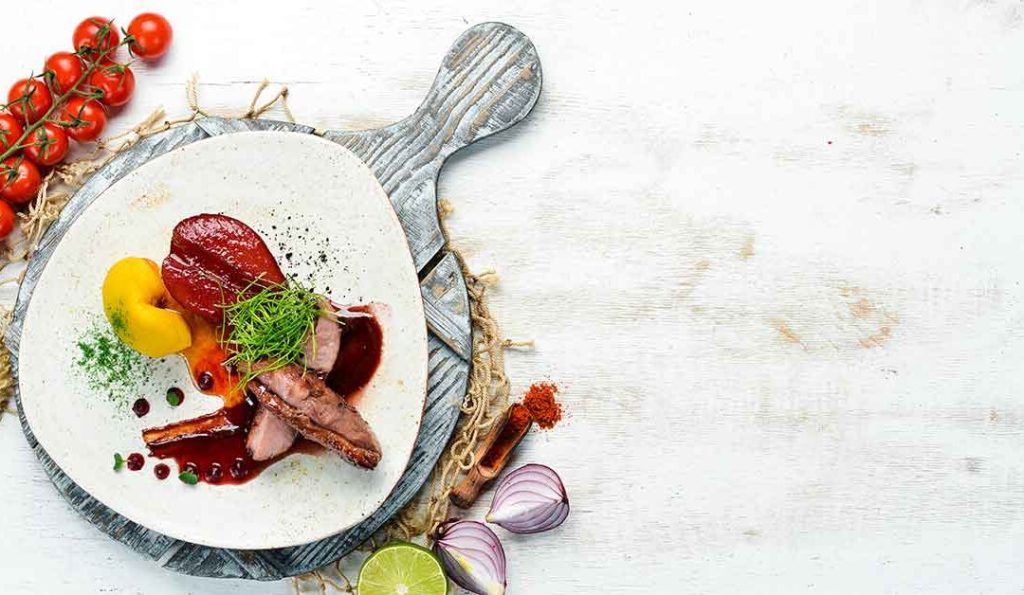
Rather than a conventional meal, The Fat Duck offers a tasting menu structured as a narrative experience. Dishes are designed to evoke childhood memories, historical references, or emotional responses, blurring the line between food and storytelling.
Examples include:
- Sound of the Sea: A seafood dish served with an iPod playing ocean sounds
- Snail Porridge: A reinterpretation of French escargot using oats and parsley
- Meat Fruit: A chicken liver parfait disguised as a mandarin orange
Each dish reflects meticulous planning, conceptual depth, and scientific precision.
3. Culinary Philosophy: Beyond Molecular Gastronomy
3.1 Rejecting Labels
Although often labeled a pioneer of molecular gastronomy, Blumenthal has consistently rejected the term, arguing that it oversimplifies his work. Instead, he emphasizes multi-sensory cooking, where taste is influenced by sound, sight, smell, memory, and expectation.
This philosophy is grounded in neuroscience and psychology, recognizing that flavor perception extends far beyond the tongue.
3.2 The Role of Science in Cooking
Blumenthal integrates scientific principles into culinary practice, including:
- Temperature control and precision cooking
- Understanding protein denaturation and emulsification
- Exploring aroma volatility and flavor release
Sous-vide cooking, low-temperature techniques, and unconventional flavor pairings are employed not for novelty, but to optimize texture, taste, and consistency.
4. Innovation Through Research and Collaboration
4.1 The Experimental Kitchen
Behind the scenes, The Fat Duck operates as a research facility. Blumenthal works alongside:
- Food scientists
- Chemists
- Psychologists
- Historians
This interdisciplinary collaboration allows dishes to be developed through rigorous testing, often taking months or even years before appearing on the menu.
4.2 Historical Gastronomy
Blumenthal is also deeply interested in historical British cuisine. He has revived and modernized medieval and Victorian recipes, drawing inspiration from old manuscripts and royal banquets.
This approach challenges the perception that British cuisine lacks refinement, instead highlighting its rich and diverse culinary heritage.
5. Signature Dishes and Techniques
5.1 Iconic Creations
Some of Blumenthal’s most influential dishes include:
- Triple-Cooked Chips: A scientifically optimized frying method achieving a crisp exterior and fluffy interior
- Bacon and Egg Ice Cream: A savory-sweet exploration of breakfast flavors
- Nitro-Scrambled Egg and Bacon Ice Cream: Combining liquid nitrogen with classic ingredients
These dishes exemplify his willingness to challenge expectations while maintaining balance and coherence.
5.2 Precision and Consistency
Despite their experimental nature, Blumenthal’s dishes are defined by precision. Cooking times, temperatures, and measurements are strictly controlled, ensuring reproducibility and quality at the highest level.
6. Media Presence and Public Education
6.1 Television and Books
Blumenthal has played a significant role in bringing culinary science to the public through television series such as:
- Heston Blumenthal: In Search of Perfection
- Heston’s Feasts
- Heston’s Fantastical Food
His cookbooks combine recipes with scientific explanations, empowering home cooks to understand the “why” behind techniques.
6.2 Democratizing Knowledge
Unlike chefs who guard their methods, Blumenthal actively shares knowledge, advocating for education and transparency in cooking. His work has influenced professional kitchens and home cooks alike.
7. Influence on Modern Gastronomy
7.1 Inspiring a Generation of Chefs
Blumenthal’s approach has inspired chefs worldwide to:
- Integrate scientific thinking into kitchens
- Question traditional flavor boundaries
- Prioritize experience and emotion
His influence can be seen in avant-garde restaurants across Europe, Asia, and the Americas.
7.2 Redefining British Cuisine
At a national level, Blumenthal has played a key role in rebranding British gastronomy, demonstrating that it can be innovative, refined, and globally influential.
8. Challenges and Personal Resilience
8.1 Mental Health and Hiatus
In 2015, Blumenthal temporarily closed The Fat Duck due to personal health challenges. His openness about mental health has contributed to broader conversations within the high-pressure culinary industry.
8.2 Return and Renewal
Following recovery, The Fat Duck reopened with renewed focus, demonstrating Blumenthal’s resilience and commitment to excellence.
9. Legacy and Future Outlook
9.1 A Lasting Culinary Impact
Heston Blumenthal’s legacy lies not only in dishes or awards, but in changing how chefs think. He has shown that cooking can be:
- Scientific yet emotional
- Intellectual yet accessible
- Experimental yet deeply human
9.2 The Future of Innovation
As gastronomy continues to evolve, Blumenthal’s emphasis on interdisciplinary research, sensory awareness, and historical context remains profoundly relevant.
Conclusion
Heston Blumenthal stands as a defining figure in contemporary gastronomy. Through relentless curiosity, scientific rigor, and imaginative storytelling, he has expanded the boundaries of what cuisine can be. His work challenges diners to reconsider taste, memory, and expectation, transforming meals into immersive experiences.
As a British chef renowned for innovative culinary methods, Blumenthal has not only elevated fine dining but also reshaped the intellectual foundations of modern cooking. His influence will continue to resonate wherever chefs seek to unite knowledge, creativity, and emotion on the plate.