





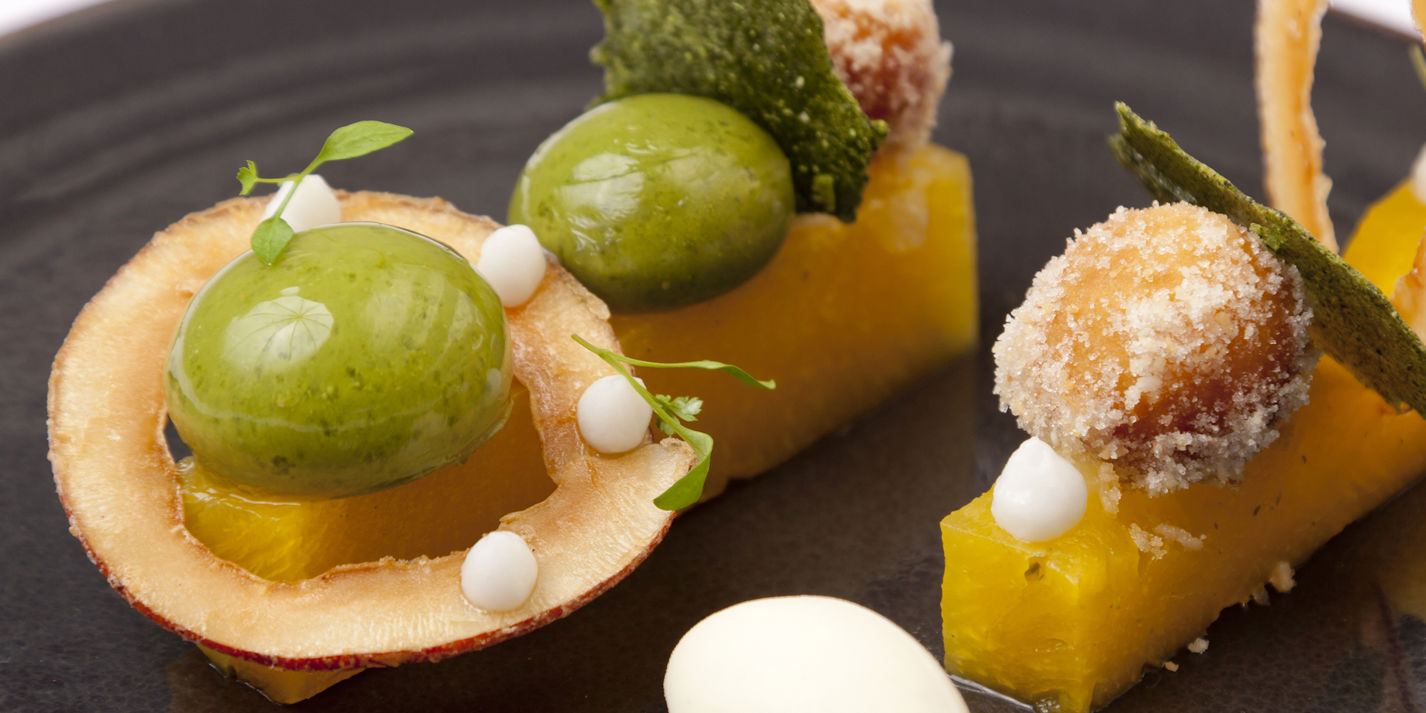

Introduction: The Science Behind Culinary Art
Molecular gastronomy represents a paradigm shift in the world of cooking. Unlike traditional culinary methods that rely primarily on intuition and experience, molecular gastronomy treats cooking as an intersection of science, technology, and art. At its core, molecular gastronomy is not just the combination of ingredients—it involves understanding chemical reactions, physical transformations, and the principles of flavor, texture, and aroma perception.
The field emerged in the late 20th century when chefs and scientists began collaborating to explore how scientific principles could enhance culinary creativity. This approach allows chefs to manipulate textures, flavors, and aromas in ways previously thought impossible, transforming food from a simple meal into a multisensory experience. Molecular gastronomy is particularly associated with techniques such as spherification, foams, gelification, emulsification, and the use of liquid nitrogen, all of which exploit the physical and chemical properties of ingredients.
This article will explore the scientific foundations, techniques, applications, and cultural impact of molecular gastronomy, while highlighting its implications for modern cuisine and the future of gastronomy.
Part 1: Foundations of Molecular Gastronomy
1.1 Defining Molecular Gastronomy
Molecular gastronomy is the scientific study of cooking. Unlike traditional cooking, which focuses on recipes and taste, molecular gastronomy examines the mechanisms underlying culinary phenomena. It looks at how ingredients behave under heat, cold, pressure, or chemical interaction, and how these changes affect flavor, texture, and appearance.
Key elements include:
- Physical Changes: Changes in texture, state, or structure of ingredients, such as turning liquids into foams or gels.
- Chemical Reactions: Reactions that alter flavor, color, or aroma, such as the Maillard reaction in searing meat or the denaturation of proteins in egg custards.
- Sensory Science: How human perception interacts with food, including sight, smell, taste, and even sound.
By understanding these principles, chefs can redefine traditional dishes, create unexpected textures, and engage diners in interactive culinary experiences.
1.2 Historical Context
Although often associated with modernist cuisine, the principles of molecular gastronomy are deeply rooted in historical experimentation. For centuries, chefs have used chemical processes, often unknowingly, to enhance flavors:
- Fermentation: Used in cheese, wine, and yogurt production, fermentation is an early example of biochemical transformation in cooking.
- Caramelization: The process of sugar heating to create complex flavors was understood empirically long before it was explained chemically.
- Sous-vide Cooking: A method of slow cooking in vacuum-sealed bags, first explored scientifically in the 1970s, is a controlled way to manage physical changes.
The term “molecular gastronomy” was coined in 1988 by French physicist Hervé This and chemist Nicholas Kurti, who collaborated to study the scientific principles behind traditional cooking methods.
Part 2: The Science of Cooking
2.1 Chemical Reactions in Molecular Gastronomy
Chemical reactions are central to molecular gastronomy, often involving proteins, carbohydrates, and fats. Some of the most important chemical phenomena include:
- Maillard Reaction: This reaction occurs when amino acids and reducing sugars react under heat, producing complex flavors and brown coloration in grilled meat, roasted coffee, and baked bread. It is a cornerstone of flavor development in high-temperature cooking.
- Caramelization: The thermal decomposition of sugars creates sweet, nutty, and aromatic compounds, crucial in desserts and sauces.
- Gelatinization: Starches absorb water and swell upon heating, transforming liquids into semi-solid gels. Understanding this reaction allows chefs to control the texture of sauces and custards.
- Protein Denaturation and Coagulation: Heat or acid can unfold proteins, changing their texture and consistency. Examples include poached eggs, custards, and yogurt.
- Emulsification and Molecular Interactions: Creating stable mixtures of oil and water involves understanding surface tension and molecular polarity, which is fundamental in making mayonnaise, aioli, or foams.
2.2 Physical Transformations and Techniques
In addition to chemical reactions, molecular gastronomy heavily relies on physical transformations, which manipulate the structure and form of food:
- Spherification: A process where liquids are encapsulated in a thin gel membrane, producing spheres that burst in the mouth. Sodium alginate and calcium chloride are commonly used to achieve this effect.
- Foams and Espumas: Air or gas is incorporated into liquids to create light, airy textures. Foams can carry intense flavors and aromas, enhancing the sensory impact of a dish.
- Gelification: Transforming liquids into gels using hydrocolloids such as agar-agar, pectin, or gelatin. This allows chefs to create edible gels, shapes, and even films.
- Cryogenic Techniques: Using liquid nitrogen to flash-freeze ingredients enables the creation of powdered ice creams, crunchy textures, and instant freezing of delicate flavors.
- Sous-vide Cooking: Cooking food in vacuum-sealed bags at precise temperatures ensures even cooking, enhances moisture retention, and preserves flavor.
These techniques require precise knowledge of thermodynamics, molecular chemistry, and fluid dynamics, transforming cooking into a scientific experiment.
Part 3: Tools and Ingredients in Molecular Gastronomy
3.1 Laboratory Meets Kitchen
Molecular gastronomy often uses tools borrowed from scientific laboratories:
- Syringes and Pipettes: For controlled placement of liquids and encapsulation processes.
- Blowtorches: To caramelize sugar and create Maillard browning.
- Vacuum Chambers and Rotovaps: To extract flavors and infuse aromas.
- Immersion Circulators: Used for sous-vide cooking, maintaining precise temperature control.
- Liquid Nitrogen Tanks: For rapid freezing and textural transformations.
These tools allow chefs to manipulate the molecular properties of ingredients, producing textures, shapes, and sensory experiences that are impossible with traditional techniques.
3.2 Specialized Ingredients
Several ingredients are staples in molecular gastronomy:
- Sodium Alginate and Calcium Salts: For spherification and gel formation.
- Xanthan Gum and Guar Gum: Used to thicken and stabilize emulsions and sauces.
- Liquid Nitrogen: Creates instant freezing and unusual textures.
- Lecithin: An emulsifier for foams and stable air-in-liquid mixtures.
- Agar-Agar and Gelatin: Transform liquids into solid gels or sheets.
The combination of these ingredients with precision tools allows chefs to design dishes that surprise and delight diners, engaging multiple senses simultaneously.
Part 4: Iconic Figures and Practices in Molecular Gastronomy
4.1 Pioneers of Molecular Gastronomy
Several chefs have become synonymous with molecular gastronomy:
- Ferran Adrià (El Bulli, Spain): Known for pioneering techniques like spherification and transforming traditional dishes into avant-garde creations.
- Heston Blumenthal (The Fat Duck, UK): Famous for combining science and storytelling, using aromas, textures, and temperature contrasts to evoke nostalgia.
- Grant Achatz (Alinea, USA): Innovative in interactive dining experiences and using deconstructed dishes to highlight molecular techniques.
- Wylie Dufresne (WD~50, USA): Focused on precise chemical techniques, including gels, foams, and unusual emulsions.
These chefs have transformed molecular gastronomy from a scientific curiosity into a global culinary movement, blending creativity, science, and artistic presentation.
4.2 Classic Molecular Gastronomy Dishes
- Spherical Olive: Created using sodium alginate to form a thin gel shell containing olive juice, mimicking the taste of an actual olive.
- Foamed Cappuccino Soup: A savory soup turned into a light, airy foam, delivering intense flavor with minimal volume.
- Nitro-frozen Herbs: Herbs flash-frozen with liquid nitrogen to create crunchy textures and preserved flavor.
- Deconstructed Desserts: Elements of cakes, mousses, and sauces are separated and presented as individual components, allowing diners to reconstruct flavors in new ways.
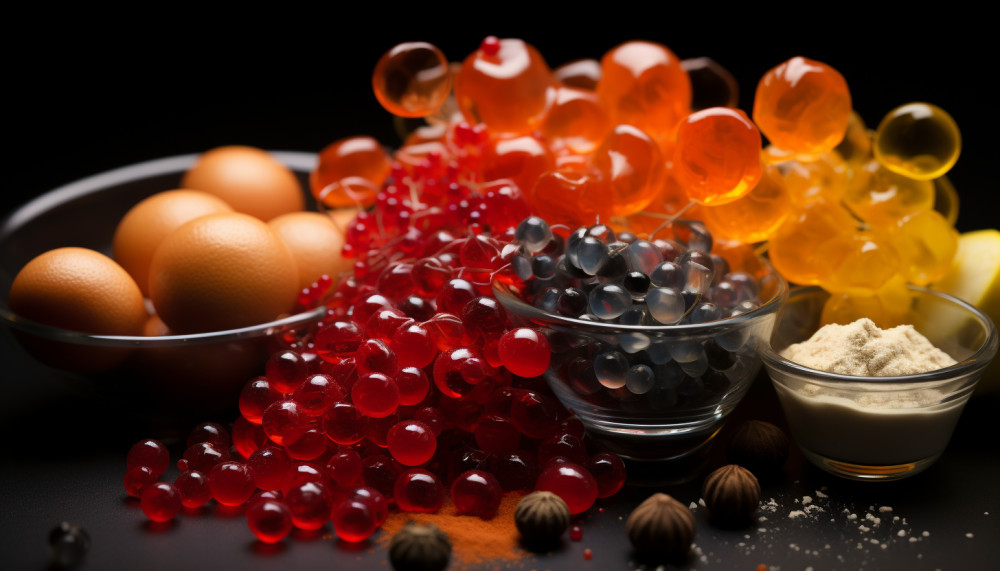
Part 5: The Science of Flavor Perception
Molecular gastronomy also explores sensory science. Beyond taste, chefs consider:
- Aroma: Volatile compounds that reach olfactory receptors, enhancing perceived flavor.
- Texture: Crispy, creamy, or gelatinous textures influence satisfaction and perception.
- Temperature: Cold and hot elements can enhance or mute flavors.
- Color and Presentation: Visual cues significantly affect taste perception and overall experience.
By manipulating these variables, molecular gastronomy becomes a full sensory experience, not just a meal.
Part 6: Applications and Cultural Impact
Molecular gastronomy has influenced restaurants worldwide, especially in fine dining, by encouraging chefs to innovate and experiment. Its principles are also applied in:
- Food Science Research: Understanding how ingredients interact for healthier, tastier foods.
- Texture Modification for Diets: Creating appealing foods for patients with swallowing difficulties.
- Sustainable Cooking: Efficient use of ingredients through precision techniques.
It has bridged the gap between science and art, inspiring new generations of chefs to explore the molecular aspects of cooking.
Conclusion: Molecular Gastronomy as a Culinary Revolution
Molecular gastronomy is much more than the combination of ingredients—it is a scientific exploration of food, grounded in chemistry, physics, and sensory perception. By understanding the chemical reactions and physical transformations that occur during cooking, chefs can create dishes that are innovative, surprising, and memorable.
From spherification to foams, cryogenic techniques to emulsions, molecular gastronomy pushes the boundaries of culinary art, transforming meals into interactive, multisensory experiences. Its continued evolution demonstrates the limitless potential of food science and its capacity to revolutionize the way we perceive, prepare, and enjoy food.
As diners increasingly seek unique and immersive dining experiences, molecular gastronomy ensures that science and creativity will remain at the heart of culinary innovation for generations to come.