






Introduction: A Culinary Revolution
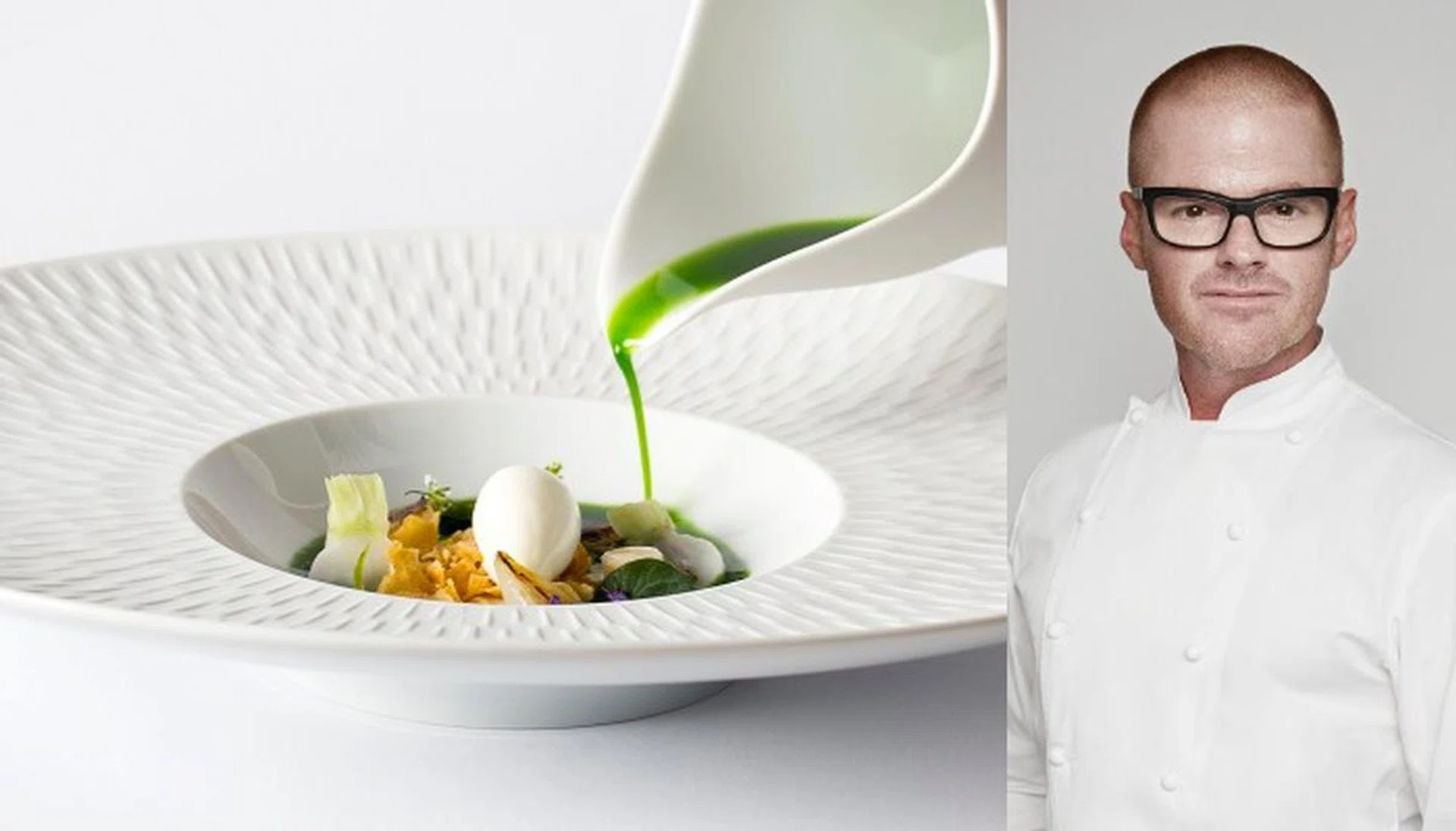
The culinary world has witnessed several revolutions throughout its long history, from the introduction of refined techniques in classical French cuisine to the innovative use of local ingredients in modern farm-to-table dining. One of the most significant contributions to modern gastronomy, however, has been the rise of molecular gastronomy, a movement that integrates scientific principles into cooking to transform the dining experience. Heston Blumenthal, a British chef and restaurateur, is one of the most prominent figures in this movement. His pioneering approach to cooking has challenged traditional methods and revolutionized the way we perceive food.
Blumenthal’s restaurants, particularly The Fat Duck in Bray, have become landmarks in the culinary world. His focus on experimentation, science, and sensory experiences has earned him numerous accolades, including Michelin stars and international acclaim. But it is his ability to blend artistry with science, and push the boundaries of what food can be, that truly sets him apart from other chefs.
This article explores the profound influence of Heston Blumenthal on modern culinary techniques. We will delve into his approach to cooking, the science behind his innovative methods, the role of technology in his kitchen, and the ways in which he has reshaped contemporary dining.
Part 1: The Philosophy Behind Heston Blumenthal’s Cooking
1.1 A Passion for Experimentation and Innovation
Heston Blumenthal’s culinary philosophy revolves around pushing the boundaries of flavor, texture, and presentation. His approach to cooking is deeply rooted in scientific experimentation, which allows him to explore new ways to engage the senses. Unlike many chefs who adhere to traditional cooking methods, Blumenthal is committed to breaking conventions and questioning why food is prepared in certain ways.
One of his most famous creations is the “Sound of the Sea” dish at The Fat Duck. In this iconic dish, diners are presented with a plate of seafood accompanied by an iPod playing the sound of crashing waves. The sensory experience is heightened by the visual and auditory cues, altering the way diners perceive the flavors of the dish. By incorporating sounds into the meal, Blumenthal taps into the multisensory dining experience, engaging not only taste and smell but also sight and sound. This reflects his belief that cooking should not be a passive act but an immersive experience that stimulates all five senses.
Blumenthal’s dedication to pushing the envelope in the kitchen led him to explore a range of scientific techniques, such as liquid nitrogen freezing, spherification, and vacuum cooking. These methods, often associated with molecular gastronomy, involve manipulating the physical and chemical properties of ingredients to achieve new textures and flavors. Blumenthal’s innovation goes beyond simply using modern technology—he brings an intellectual curiosity and an artist’s eye to every experiment.
1.2 Blending Science with Culinary Tradition
While Heston Blumenthal is known for his experimental approach, he also deeply respects culinary tradition. He often draws inspiration from classic French cuisine, yet he challenges its principles through modern interpretations. Blumenthal’s cooking integrates scientific principles such as heat transfer, emulsification, and aeration into these traditional foundations, creating new flavors and textures that were previously unimaginable.
For instance, in his version of “meat fruit”, a foie gras parfait is molded to resemble a mandarin orange, complete with a smooth, fruit-like shell. This playful dish combines culinary artistry with a molecular understanding of textures and presentation. By turning foie gras—a rich and traditional ingredient—into something unrecognizable, Blumenthal challenges diners to rethink their perceptions of food and the possibilities of cooking.
His ability to combine science and tradition has made him a key figure in the molecular gastronomy movement, where chefs apply principles from chemistry and physics to the culinary arts. This approach allows Blumenthal to manipulate ingredients in extraordinary ways, creating dishes that defy conventional expectations.
Part 2: The Science Behind Heston Blumenthal’s Cooking Techniques
2.1 Molecular Gastronomy: The Marriage of Science and Cooking
Molecular gastronomy, a term coined by scientists Hervé This and Nicholas Kurti, refers to the study of the physical and chemical transformations that occur during cooking. It involves applying scientific knowledge to understand and manipulate food textures, temperatures, and flavors in new ways. Heston Blumenthal has been one of the most influential chefs in bringing this scientific approach to the mainstream.
One of the hallmarks of molecular gastronomy is the use of unconventional cooking methods. For example, spherification involves creating liquid-filled spheres that burst in the mouth, a technique Blumenthal has used to create “pearls” of various liquids that add an unexpected twist to traditional dishes. In his famous dish, “The Taste of the Sea,” he uses spherification to encase the flavors of a shrimp bisque into tiny spheres that explode with intense flavor when eaten.
Another groundbreaking technique pioneered by Blumenthal is the use of liquid nitrogen. In many of his dishes, such as frozen soufflés or ice creams, he uses liquid nitrogen to instantly freeze ingredients, creating smooth textures and unique frozen elements that wouldn’t be achievable through traditional freezing methods. The rapid freezing process preserves the integrity of delicate flavors while creating an entirely new texture.
2.2 Sous-Vide: Precision Cooking
In addition to molecular techniques, Heston Blumenthal is a strong advocate for the sous-vide cooking method. This technique involves cooking food in vacuum-sealed bags at low temperatures for extended periods, often for hours or even days. The sous-vide method allows for greater precision and control over the cooking process, ensuring consistent results every time.
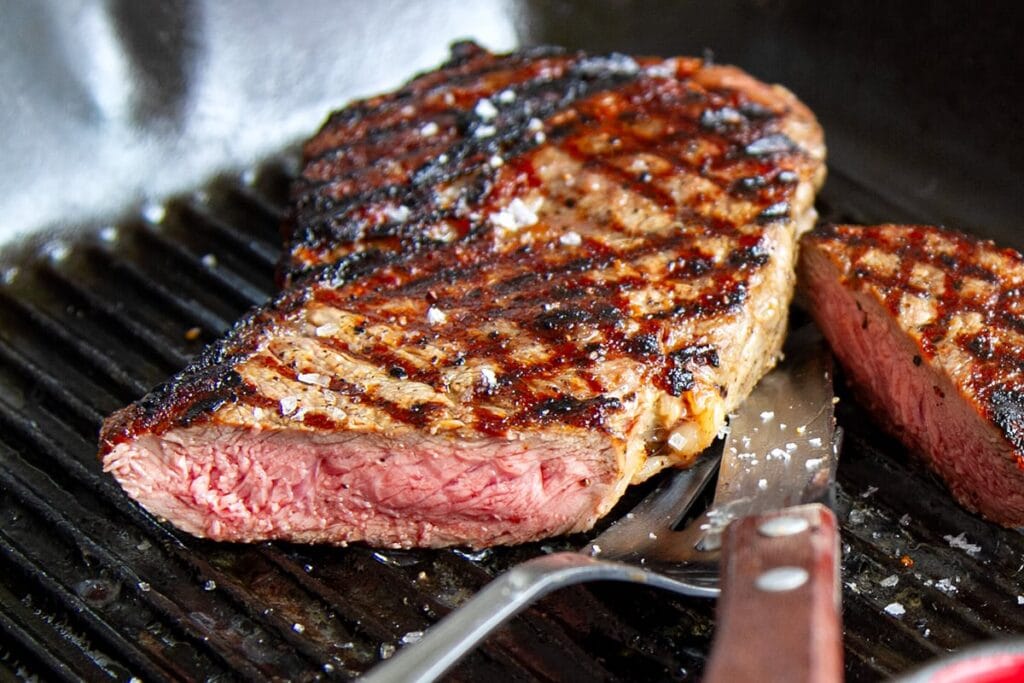
For instance, when cooking meat sous-vide, the temperature is set so that the meat is cooked to the exact degree of doneness, without the risk of overcooking or drying out. This precise control creates a perfect steak with a uniform texture and maximum tenderness. Blumenthal uses sous-vide not only for meats but also for vegetables, fruits, and desserts, often combining it with other techniques like smoking or infusing to add layers of flavor.
Sous-vide allows Blumenthal to focus on achieving perfect results in the kitchen while experimenting with different textures and flavors. The slow cooking process can be used to extract the maximum flavor from ingredients, producing dishes that are rich and nuanced without being overly complicated.
2.3 The Role of Technology in Blumenthal’s Kitchen
Technology plays an essential role in Heston Blumenthal’s cooking process. He is known for using state-of-the-art kitchen equipment, including digital thermometers, centrifuges, and vacuum sealers. These tools allow him to control variables such as temperature, pressure, and time with unprecedented precision.
Blumenthal’s kitchen is a laboratory of sorts, where scientific instruments are used to measure, analyze, and experiment with food. He is not merely interested in revolutionizing flavors but also in improving the overall dining experience. For example, the combination of food and sound in his “Sound of the Sea” dish could only have been achieved with modern technology that allows the integration of sound with food. Through these technological innovations, Blumenthal ensures that the multisensory experience he aims to create is as precise as the flavors and textures he manipulates.
Part 3: Heston Blumenthal’s Impact on Modern Dining
3.1 The Rise of the Multisensory Dining Experience
One of Heston Blumenthal’s most significant contributions to modern dining is his focus on the multisensory dining experience. Rather than simply preparing food to satisfy the stomach, Blumenthal aims to engage the entire sensory spectrum—sight, smell, taste, touch, and sound. This immersive approach adds depth to the dining experience, making it not just about eating but about feeling, thinking, and experiencing food in new and unexpected ways.
His famous dishes, such as “The Fat Duck’s” 4D chocolate, combine sensory elements to surprise and delight diners. The chocolate dish comes with a foam that reacts to heat, changing texture and flavor as it melts, and a visual element that creates an illusion of depth. Blumenthal has used these methods to redefine the restaurant experience, transforming the act of eating into something akin to watching a performance.
3.2 Modern Cuisine and Molecular Gastronomy’s Influence
Blumenthal’s influence has extended far beyond his own restaurants, reaching the wider culinary world. Molecular gastronomy has become more mainstream, with other chefs experimenting with similar techniques and pushing the boundaries of what is possible in cooking. Chefs such as Ferran Adrià and Grant Achatz have been inspired by Blumenthal’s work, and his innovative approach has encouraged a whole generation of chefs to think outside the box and experiment with new ideas.
His influence is also evident in the way diners approach food. Modern diners are no longer satisfied with simply having a meal—they expect to have an experience. Blumenthal’s work has helped shape the expectation that food should be a combination of flavor, texture, and spectacle.
3.3 The Future of Culinary Innovation
As modern technology continues to advance, so too will the possibilities for culinary innovation. For Blumenthal, the future of cooking lies in data-driven cuisine, where artificial intelligence (AI) and machine learning can assist in creating personalized meals based on individual preferences. By using algorithms to analyze flavors and textures, chefs may be able to create dishes that are perfectly suited to each diner’s palate.
Additionally, sustainability is becoming an increasingly important concern in the culinary world. Blumenthal is an advocate for using locally sourced, seasonal ingredients, and as the focus on sustainability grows, future chefs may need to incorporate eco-friendly practices into their kitchens. From lab-grown meat to plant-based ingredients, the next generation of cooking could be just as revolutionary as the molecular gastronomy movement.
Conclusion: The Legacy of Heston Blumenthal
Heston Blumenthal’s work has transformed the culinary landscape in ways that extend far beyond his Michelin-starred restaurants. His integration of science and technology with cooking has redefined the very nature of cuisine, and his innovative techniques have inspired chefs around the world to embrace experimentation, creativity, and the power of multisensory experiences.
By blending art and science, tradition and innovation, Heston Blumenthal has not only elevated the standard of modern dining but has also paved the way for future generations of chefs to think beyond the plate and challenge conventional boundaries. Through his groundbreaking techniques, he has shown that cooking is not just about creating food—it is about creating experiences that engage and delight the senses, provoke thought, and ignite the imagination.
As the world of cooking continues to evolve, it is clear that Heston Blumenthal’s legacy will endure as a beacon of creativity, scientific curiosity, and culinary excellence.