






Introduction: Feminism on the Plate
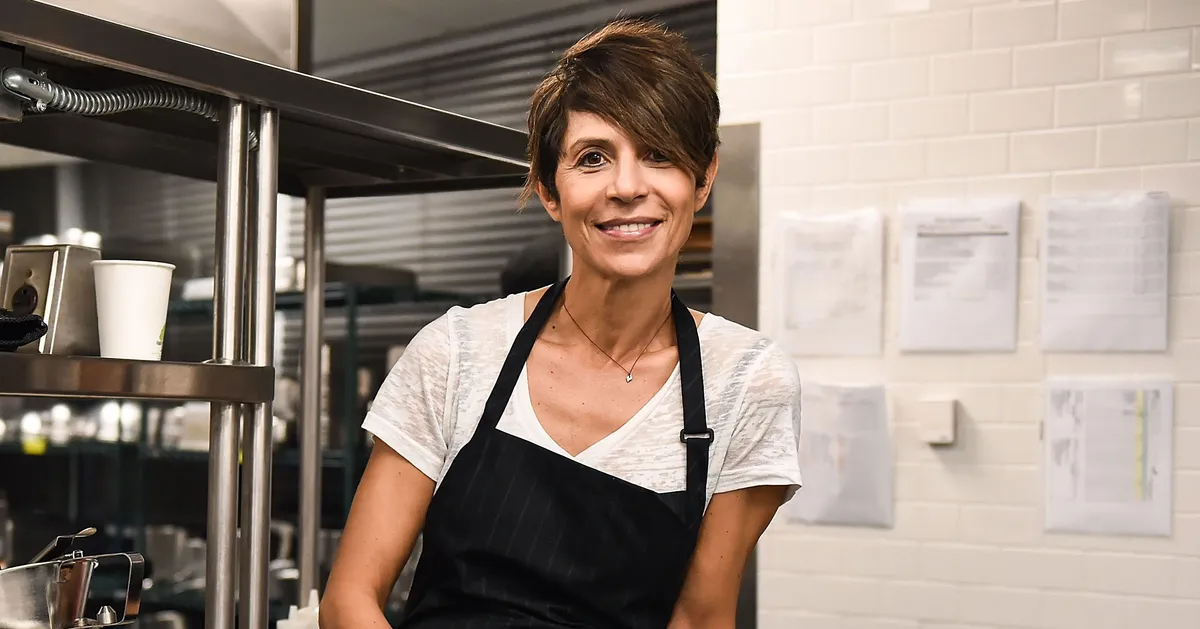
Dominique Crenn, the French-born chef and owner of Atelier Crenn in San Francisco, is widely recognized for her artistic, avant-garde approach to cooking. However, what distinguishes her in the culinary world is not only her technical mastery or innovative dishes but her feminist philosophy: a conscious effort to challenge traditional gender norms, elevate women in gastronomy, and reimagine the role of chefs in society.
Crenn’s feminist approach is visible in every aspect of her culinary work—from menu creation and plating to mentorship and public advocacy. She treats cooking not just as an art form but as a platform to address inequality, celebrate creativity, and empower marginalized voices. Through her lens, cuisine becomes a medium for social commentary and transformative leadership, demonstrating that gastronomy can reflect values as deeply as flavor.
This essay explores Dominique Crenn’s philosophy of feminist cuisine, examining how it manifests in her culinary techniques, menu design, kitchen leadership, mentorship, and cultural influence. By analyzing her methods, we gain insight into how culinary art can embody social values, challenge conventions, and inspire systemic change in an industry historically dominated by men.
I. Early Life and Formation of Culinary Identity
1. Background and Influences
Dominique Crenn was born in France, where she developed a profound appreciation for gastronomy as a form of art and expression. Her early experiences included exposure to French culinary tradition alongside a recognition of gendered limitations in professional kitchens. These formative years instilled in her both technical discipline and a desire to disrupt conventional hierarchies.
2. Journey to the United States
After training in Europe, Crenn moved to the United States, bringing with her a vision of inclusive, philosophy-driven cuisine. She observed the gender disparities in professional kitchens firsthand and resolved to use her craft to champion equality and innovation.
II. Feminist Philosophy in Menu Design
1. Narrative-Driven Menus
Crenn’s menus are often poetic and narrative, reflecting personal experiences, social commentary, and feminist perspectives. She structures her tasting menus as stories rather than collections of dishes, emphasizing:
- Memory and emotion: Culinary storytelling grounded in personal and familial experiences.
- Empowerment themes: Dishes that honor women’s histories, creativity, and resilience.
- Innovation through perspective: Breaking away from traditional French constructs to explore unconventional ingredients, techniques, and presentation styles.
Through these choices, Crenn redefines menu design as a vehicle for philosophy, demonstrating that food can carry meaning beyond taste.
2. Deconstructing Gender Norms
Traditionally, professional kitchens have been male-dominated spaces. Crenn’s menu design challenges these norms by:
- Prioritizing collaboration over hierarchy in both ingredient sourcing and kitchen dynamics.
- Highlighting ingredients and techniques often overlooked in classical fine dining.
- Using dishes to celebrate creativity, intuition, and emotional intelligence—qualities historically associated with women but undervalued in professional cooking.
By doing so, her menus reimagine gastronomy as a space of equity and inclusivity.
III. Plating and Presentation as Feminist Expression
1. Visual Storytelling
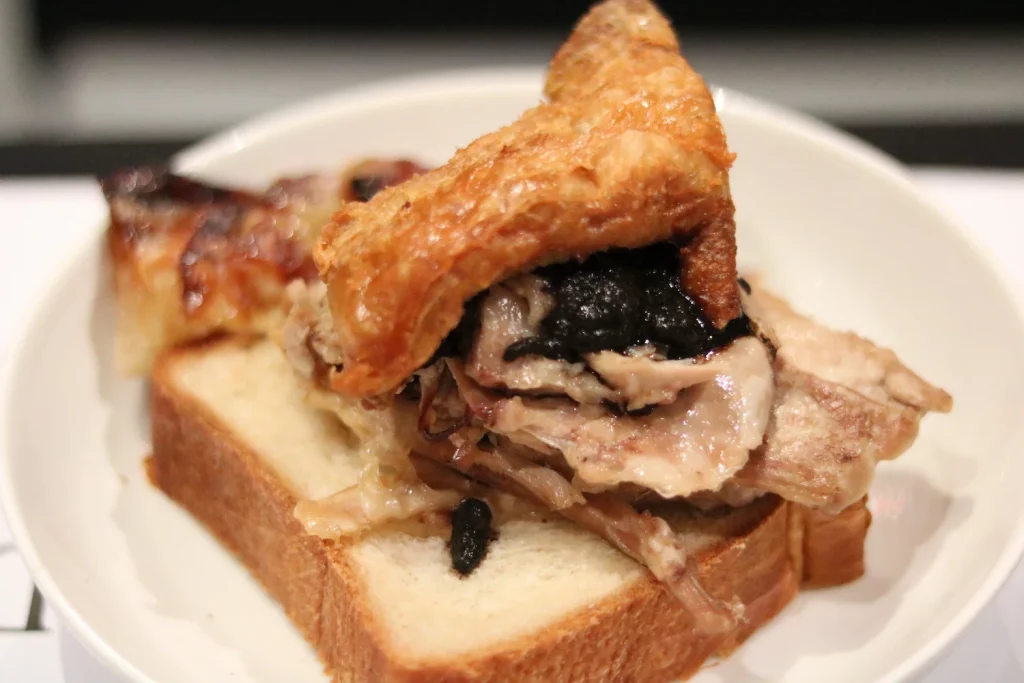
Crenn’s dishes are visually poetic, often resembling art installations. Her plating embodies:
- Deliberate asymmetry: Challenging rigid aesthetic norms traditionally associated with masculine precision.
- Narrative flow: Each element of the plate contributes to a cohesive story.
- Emphasis on vulnerability and emotion: Colors, shapes, and textures evoke feelings of intimacy and reflection.
In her work, presentation becomes an extension of feminist philosophy, conveying meaning through visual and sensory storytelling.
2. Sensory and Emotional Engagement
Beyond aesthetics, Crenn designs her dishes to engage multiple senses, creating immersive experiences that encourage introspection and empathy. This approach reflects the feminist principle that cooking is relational and expressive, connecting diners to ideas, emotions, and stories.
IV. Leadership and Mentorship in a Feminist Framework
1. Kitchen as a Collaborative Space
Dominique Crenn fosters a supportive, non-hierarchical kitchen culture. Unlike traditional brigades that emphasize strict rank and competition, her approach prioritizes:
- Mutual respect and open communication.
- Collaborative problem-solving and creative input from all team members.
- Recognition of emotional labor alongside technical skill.
This structure embodies feminist ideals, demonstrating that high-performance kitchens can thrive without oppressive hierarchies.
2. Mentorship of Women Chefs
Crenn actively mentors women and underrepresented groups in gastronomy, providing:
- Professional training and skill development.
- Opportunities to lead and innovate in creative projects.
- Advocacy for recognition in culinary awards and media representation.
By doing so, she contributes to systemic change in an industry where women are historically underrepresented in leadership roles.
V. Sustainability and Ethical Responsibility
1. Ingredient Sourcing
Crenn emphasizes ethical, sustainable sourcing, reflecting a philosophy that cuisine should honor both human and environmental communities. She prioritizes:
- Locally sourced, seasonal ingredients.
- Collaborations with small-scale producers and farmers.
- Minimization of food waste through thoughtful menu design.
2. Social Sustainability
Her feminist approach extends beyond the plate to workplace equity and community engagement, ensuring that her culinary philosophy has social as well as environmental impact.
VI. Cultural Impact of Feminist Cuisine
1. Redefining Culinary Standards
Crenn has redefined what fine dining represents by:
- Elevating creativity, emotion, and narrative as integral components of cuisine.
- Challenging the perception that haute cuisine must adhere to rigid, historically male-dominated traditions.
- Integrating feminist and ethical philosophy into every aspect of culinary practice.
2. Advocacy and Public Engagement
Through interviews, lectures, and media appearances, Crenn advocates for gender equity, sustainability, and creative freedom. Her public persona amplifies the impact of feminist cuisine, inspiring both professionals and diners to consider social values alongside flavor.
VII. Signature Philosophical Approaches
1. Poetic Gastronomy
Crenn’s concept of “poetic gastronomy” combines culinary innovation with narrative depth. Each dish reflects:
- A personal or social story.
- Emotional resonance with diners.
- Philosophical inquiry about identity, culture, and ethics.
2. Innovation Through Intuition
Rather than rigidly adhering to classical French techniques, Crenn relies on intuition, emotion, and experimentation, embodying a feminist ethic that values personal expression and creativity over conformity.
3. Multi-Sensory Storytelling
Crenn engages sight, taste, texture, and aroma to create immersive narratives, demonstrating that food can function as art and communication simultaneously.
VIII. Challenges and Achievements
1. Overcoming Industry Bias
Crenn navigated barriers in a male-dominated profession by:
- Persistently advocating for her vision and creative freedom.
- Demonstrating excellence that challenges gendered expectations.
- Building a supportive network of collaborators and mentees.
2. Recognition and Awards
Her philosophy and artistry have been recognized internationally, including:
- Multiple Michelin stars for Atelier Crenn.
- Awards acknowledging innovation, leadership, and culinary excellence.
- Influence on both culinary culture and gender discourse in gastronomy.
These achievements validate the power of integrating feminist philosophy into professional practice.
IX. Broader Implications for the Culinary World
1. Inspiring Future Generations
Crenn’s work inspires:
- Women to pursue leadership roles in professional kitchens.
- Chefs to integrate social values into their practice.
- Diners to engage with cuisine as a medium for thought, empathy, and cultural understanding.
2. Redefining Gastronomic Values
By placing philosophy, ethics, and expression on par with technique and flavor, Crenn reshapes the definition of culinary excellence, demonstrating that the meaning of a meal extends beyond taste.
X. Conclusion: Feminist Cuisine as Transformative Practice
Dominique Crenn’s culinary philosophy demonstrates that food can be a vehicle for social change, artistic expression, and empowerment. Her feminist approach manifests in menu design, plating, kitchen culture, mentorship, and public advocacy, creating a holistic model where gastronomy intersects with ethics, narrative, and creativity.
Through her work, we learn that:
- Cuisine is not only nourishment but communication, storytelling, and cultural critique.
- Kitchens can reflect collaboration, equity, and innovation, challenging traditional hierarchies.
- Dining experiences can engage diners emotionally and intellectually, bridging taste and philosophy.
Crenn’s legacy exemplifies how feminist principles can be embedded into the culinary arts, proving that gastronomy can be a platform for empowerment, inclusion, and meaningful human connection. Her journey encourages chefs, diners, and industry leaders alike to recognize that the future of cuisine is as much about values and vision as it is about flavor and technique.
In sum, Dominique Crenn’s feminist cuisine is a powerful testament to the intersection of artistry, ethics, and social consciousness, offering a blueprint for a more inclusive, thoughtful, and creative gastronomic world.