






Introduction: Beyond Recipes – Philosophy in Modern Cuisine
Cooking is more than a technical skill or a sequence of recipes; it is a reflection of philosophy, creativity, and cultural values. At the core of every great chef’s practice lies a set of principles that guide not only what is cooked, but why it is cooked, how ingredients are selected, and how the dining experience is designed. The chef’s culinary philosophy bridges the gap between raw ingredients, innovative techniques, and the ultimate goal of meaningful experiences at the table.
The creative journey from kitchen to table is a complex interplay of inspiration, experimentation, ethics, sustainability, and sensory design. It involves considerations of taste, nutrition, seasonality, aesthetics, and cultural storytelling. Understanding this process reveals how chefs transform the ordinary act of eating into an art form, an educational moment, and often a moral or ecological statement.
This essay examines the culinary philosophy of chefs in a detailed, professional manner, tracing the creative journey from conceptualization to presentation. It explores historical roots, artistic and ethical frameworks, methodological approaches, sensory and experiential design, and the broader societal impact of chef-driven creativity.
I. Defining Culinary Philosophy
1. Philosophy in Cooking
A culinary philosophy is the underlying worldview that shapes a chef’s approach to food. It encompasses beliefs about ingredient sourcing, preparation techniques, presentation, and dining experience, often informed by cultural, ethical, or ecological considerations.
For example, some chefs emphasize local and seasonal ingredients, while others focus on molecular gastronomy and innovation. The philosophy becomes the lens through which all culinary decisions are filtered.
2. Beyond Technique: Ethical and Cultural Dimensions
While technical mastery is critical, modern chefs increasingly embed ethical and cultural values into their work. Ethical considerations include animal welfare, sustainability, and fair labor practices, while cultural aspects involve heritage cuisine, storytelling, and preservation of culinary traditions.
This multidimensional perspective elevates cooking from a mechanical task to a thoughtful, intentional craft.
II. Historical Foundations of Culinary Philosophy
1. Classical Influences
Throughout history, chefs have reflected broader societal philosophies in their cooking. French haute cuisine, for instance, emphasized refinement, balance, and precision, mirroring the social hierarchies and aesthetic ideals of the 18th and 19th centuries.
Similarly, Japanese kaiseki reflects principles of seasonality, harmony, and ritual, demonstrating how culinary philosophy can intertwine with cultural values and mindfulness.
2. Evolution into Modern Creativity
The 20th century saw a shift toward individual expression and innovation. Chefs like Auguste Escoffier codified classical techniques, while modern innovators like Ferran Adrià or Alice Waters integrated philosophy, sustainability, and creativity into the modern culinary landscape.
III. Ingredient Sourcing: The Philosophical Foundation of Flavor
1. Ingredients as Ethical and Creative Decisions
Philosophically, ingredients are not neutral—they carry ecological, social, and cultural significance. Chefs who prioritize local sourcing, organic produce, or heritage varieties demonstrate a commitment to sustainability and biodiversity, aligning culinary creativity with ecological ethics.
For instance, farm-to-table approaches emphasize the integrity of raw materials, suggesting that flavor and creativity are inseparable from ethical production.
2. Seasonality and Contextual Awareness
Seasonality is both a practical and philosophical consideration. Using ingredients at their natural peak ensures optimal taste, texture, and nutritional value, while encouraging diners to appreciate the cycles of nature. This approach reinforces a chef’s belief in respecting natural rhythms rather than imposing artificial uniformity.

IV. Conceptualization: From Idea to Plate
1. Inspiration and Ideation
The creative process begins with conceptual inspiration. Chefs draw from cultural heritage, sensory experiences, scientific research, visual art, and travel, translating abstract ideas into potential dishes.
The ideation stage often involves experimentation and iteration, where concepts are tested for balance, harmony, and narrative cohesion.
2. Flavor Profiling and Composition
A central philosophical principle is the relationship between flavor, texture, and aroma. Chefs think in terms of contrasts (e.g., sweet and sour, soft and crisp) and harmonies (e.g., umami-rich pairings, complementary herbs) to craft complex experiences that evoke emotion and memory.
V. The Kitchen as a Laboratory
1. Experimentation and Technical Mastery
The kitchen is a laboratory where creative philosophy is operationalized. Techniques such as fermentation, sous-vide cooking, or molecular gastronomy allow chefs to explore new textures and flavors while respecting the integrity of ingredients.
The creative process involves risk-taking, meticulous observation, and iterative testing, reflecting the intersection of art and science.
2. Collaboration and Knowledge Sharing
Modern culinary philosophy emphasizes teamwork. Chefs cultivate collaborative kitchen environments where assistants, sommeliers, and farmers contribute insights. This collaborative model reflects the belief that great cuisine emerges from collective intelligence rather than individual ego.
VI. Sustainability and Responsibility in Culinary Practice
1. Environmental Stewardship
Sustainability is a guiding principle in contemporary culinary philosophy. Chefs are increasingly responsible for minimizing food waste, reducing carbon footprints, and promoting regenerative agriculture.
This approach transforms cooking from an isolated act into a catalyst for systemic change, aligning culinary excellence with environmental ethics.
2. Social and Ethical Considerations
Chefs also integrate fair labor practices, cultural sensitivity, and equitable access to food into their philosophy. Restaurants are viewed as ethical actors within communities, shaping both consumer behavior and local economies.
VII. From Kitchen to Table: Designing the Dining Experience
1. Presentation as Communication
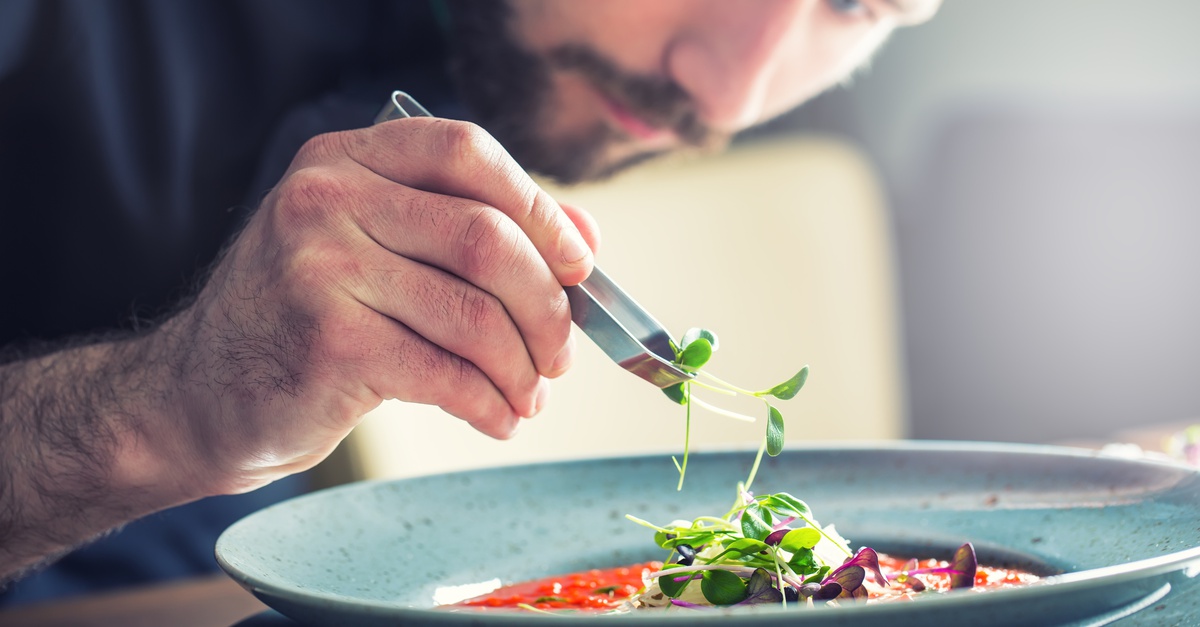
Plating is not merely aesthetic; it is a philosophical statement. Chefs design dishes to communicate narrative, emotion, and ethical values. The arrangement of colors, shapes, and textures creates a dialogue between the diner and the food.
2. Sensory and Experiential Design
Culinary philosophy extends to all senses. Beyond taste, chefs consider aroma, texture, visual appeal, and even sound. Fine dining experiences incorporate lighting, tableware, and ambiance to immerse diners fully, making the meal a holistic sensory event.
VIII. Storytelling and Cultural Narrative
1. Food as a Medium for Stories
Chefs embed stories into dishes—about heritage, geography, family, or sustainability. This narrative dimension transforms food from nourishment into cultural expression.
2. Engaging the Diner’s Imagination
By sharing the origin of ingredients, historical context, or production processes, chefs invite diners to actively participate in the culinary narrative. This approach reflects the belief that eating is both an intellectual and emotional experience.
IX. Creativity Under Constraints
1. Balancing Innovation and Tradition
Creative chefs navigate the tension between respecting culinary traditions and pursuing innovation. Philosophy provides guidance on when to preserve established techniques and when to experiment, ensuring that novelty serves deeper culinary values rather than novelty for its own sake.
2. Resourcefulness and Problem-Solving
Constraints such as seasonality, ingredient availability, or dietary restrictions stimulate creativity. Chefs often view limitations not as obstacles but as opportunities to redefine flavor, form, and experience.
X. Influence of Science and Technology
1. Culinary Science as a Philosophical Tool
Understanding the chemistry of cooking—such as Maillard reactions, emulsification, and fermentation—allows chefs to manipulate ingredients intelligently. Science enhances creativity rather than replacing intuition, reinforcing a philosophy grounded in knowledge.
2. Technology and Sustainability
Modern kitchens incorporate technology not only for efficiency but also for ecological responsibility. Precision cooking, controlled refrigeration, and advanced sourcing tools align culinary practice with sustainability.
XI. The Chef’s Role in Society
1. Education and Advocacy
Philosophical chefs act as educators, shaping public understanding of nutrition, sustainability, and culinary culture. Through writing, media appearances, and workshops, chefs disseminate knowledge that extends beyond the plate.
2. Cultural Ambassadors
Chefs serve as ambassadors of cultural heritage and innovation. Their philosophy connects local practices with global audiences, fostering appreciation for diversity while promoting cross-cultural culinary dialogue.
XII. Challenges and Ongoing Evolution
1. Balancing Ethics and Economics
Implementing a philosophy that prioritizes sustainability, fair sourcing, and creativity can challenge economic realities. Chefs must navigate the tension between idealism and profitability.
2. Adapting to Global Change
Culinary philosophy is dynamic. Chefs continually adapt to climate change, ingredient scarcity, shifting consumer expectations, and technological innovation, ensuring that creativity remains relevant and responsible.
XIII. Case Studies of Philosophical Approaches
1. Dan Barber and Farm-to-Table Ethics
Dan Barber exemplifies a philosophy rooted in sustainability and agriculture. His menus reflect a deep connection to soil, seasonality, and biodiversity, demonstrating how ethical principles can guide creative excellence.
2. Ferran Adrià and Experimental Gastronomy
Ferran Adrià’s approach emphasizes innovation, deconstruction, and multisensory exploration. His philosophy shows that creativity can be a deliberate method of intellectual and sensory experimentation.
3. Alice Waters and Cultural Preservation
Alice Waters champions seasonal, local ingredients, and slow-food principles, highlighting how culinary philosophy can preserve cultural identity while promoting ecological awareness.
XIV. Measuring the Impact of Culinary Philosophy
1. On Diners
Well-articulated culinary philosophy elevates the dining experience, encouraging mindful eating, cultural reflection, and appreciation of sustainability.
2. On Food Systems
Chefs influence supply chains, farming practices, and ingredient selection. By prioritizing quality, seasonality, and ethical sourcing, they can catalyze systemic change in agriculture and distribution.
3. On Society and Culture
Culinary philosophy shapes societal values around taste, health, ethics, and cultural appreciation, demonstrating that cooking is a socially transformative act.
XV. Conclusion: The Journey from Kitchen to Table
The creative process from kitchen to table is a journey guided by philosophy, ethics, and imagination. Chefs transform raw ingredients into experiences that engage the senses, communicate values, and inspire reflection. Their culinary philosophy provides the framework for making intentional decisions about flavor, sustainability, culture, and narrative.
By examining this process, it becomes clear that cooking is more than craft; it is a discipline of thought, experimentation, and storytelling. From sourcing ingredients to designing the dining experience, chefs act as creators, educators, and stewards, shaping not only what we eat but how we understand food, culture, and responsibility.
Ultimately, the culinary philosophy of modern chefs underscores a profound truth: the act of preparing and sharing food is both a creative endeavor and a moral practice, connecting the kitchen to the table, the land to the diner, and philosophy to everyday life.