






Introduction
The art of cooking has always balanced tradition and innovation, but contemporary culinary philosophy increasingly emphasizes a dual principle: deep respect for the inherent qualities of ingredients and the freedom to challenge conventional flavor pairings. This approach is not mere culinary experimentation—it is a deliberate, thoughtful practice that elevates cooking from a craft into a philosophy.
Respecting ingredients involves understanding their origins, seasonality, textures, and chemical properties. Chefs who adhere to this principle prioritize quality, sourcing, and preparation methods that highlight natural flavors. Simultaneously, breaking traditional combinations encourages creative exploration, transforming ingredients in unexpected ways that surprise and delight the palate. This tension between reverence and innovation forms the backbone of modern gastronomy.
This essay explores the philosophical, technical, cultural, and artistic dimensions of this approach. It examines historical precedents, technical methodologies, the sensory and psychological foundations of flavor perception, global perspectives, and ethical considerations. By unpacking these layers, it becomes evident why respecting ingredients while challenging traditional combinations has emerged as a defining principle of contemporary culinary art.
1. Historical Context of Ingredient Respect and Innovation
1.1 Classical Culinary Traditions
Historically, cuisines around the world have demonstrated profound respect for ingredients, albeit within the framework of tradition. French haute cuisine, for example, codified techniques to enhance the natural flavors of food, emphasizing sauces and preparation methods that elevated simple ingredients. Similarly, Japanese kaiseki emphasizes seasonal harmony and visual presentation, showcasing ingredients in their purest form.
Yet, innovation existed alongside respect. Chefs throughout history experimented with new spices, cooking techniques, and ingredient pairings. While tradition guided practice, curiosity drove creativity, laying the groundwork for contemporary philosophies that explicitly integrate both principles.
1.2 The Modern Shift
The 20th and 21st centuries witnessed a significant transformation. Nouvelle cuisine in France and the molecular gastronomy movement globally emphasized experimentation and redefinition of flavor, texture, and presentation. These movements maintained respect for high-quality ingredients but challenged assumptions about which flavors, textures, or temperatures could coexist.
Contemporary culinary philosophy evolved from this duality: honor the ingredient, but allow imagination to transcend historical or cultural norms.
2. The Philosophy of Respecting Ingredients
2.1 Understanding Ingredient Origins
Respect begins with sourcing. Ingredients are valued not only for taste but for their environmental, cultural, and economic significance. Chefs who embrace this philosophy prioritize:
- Seasonality: Using ingredients at their peak ensures maximum flavor and nutritional value.
- Terroir: Regional specificity informs texture, aroma, and taste, connecting diners to the environment.
- Sustainability: Ethical sourcing aligns culinary respect with ecological responsibility.
This perspective transforms cooking into a dialogue with nature rather than a purely technical exercise.
2.2 Technique as a Form of Respect
Respecting ingredients requires mastery of techniques that preserve or enhance natural qualities. These may include:
- Gentle cooking methods like sous-vide or steaming to retain moisture and nutrients.
- Precise seasoning that enhances rather than overwhelms.
- Attention to chemical interactions, such as pH adjustments to optimize texture or color.
Technical excellence becomes a vehicle for philosophical intention, ensuring that ingredients retain integrity throughout preparation.
3. Breaking Traditional Ingredient Combinations
3.1 Challenging Expectations
Breaking conventional pairings involves questioning cultural or historical assumptions. Why must chocolate be sweet, or tomatoes only paired with basil? Why are certain textures or temperatures considered incompatible?
Chefs such as Ferran Adrià, Massimo Bottura, and Heston Blumenthal have shown that unexpected combinations—whether a savory-sweet contrast, a temperature inversion, or a textural juxtaposition—can create compelling culinary experiences without diminishing respect for the core ingredient.
3.2 Scientific Foundations
Modern understanding of flavor chemistry supports such experimentation. Flavor perception is influenced by:
- Volatile compounds that interact with olfactory receptors.
- Maillard reactions that transform amino acids and sugars into complex flavors.
- Mouthfeel and texture that affect perceived taste.
By understanding these principles, chefs can design novel pairings while maintaining coherence and avoiding discordant results.
4. Examples of Respect and Innovation in Practice
4.1 Deconstructed Classics
Deconstruction exemplifies the philosophy. Traditional dishes are dismantled into their elemental flavors and textures, then reassembled in innovative ways that highlight ingredient integrity.
For example:
- Bottura’s Five Ages of Parmigiano Reggiano showcases a single cheese in multiple textures and temperatures, honoring its heritage while presenting it creatively.
- Adrià’s spherifications transform liquids into caviar-like pearls, creating new textures without altering the flavor essence.
4.2 Fusion with Thoughtful Innovation
Fusion cuisine can embody respect if executed thoughtfully. Combining ingredients from distinct culinary traditions must consider:
- Cultural context and flavor compatibility.
- Preservation of ingredient character.
- Narrative coherence on the plate.
When done well, fusion transcends novelty and becomes a dialogue between traditions.
5. Philosophical Underpinnings
5.1 Aesthetic Philosophy in Cuisine
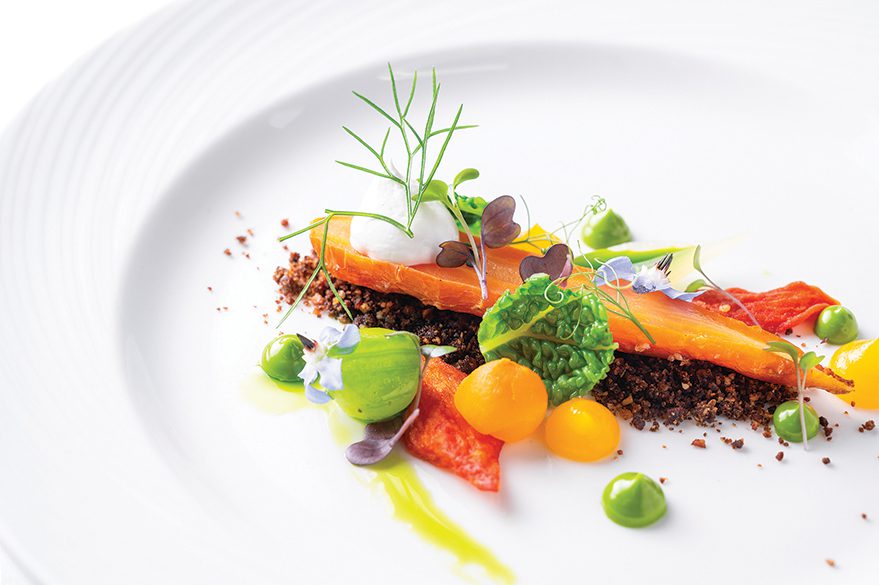
Cuisine is increasingly understood as an aesthetic practice, akin to visual arts or music. Respecting ingredients parallels the careful choice of medium in painting, while breaking combinations is akin to exploring new forms or harmonies.
The plate becomes a canvas where visual, tactile, and gustatory elements interact. Innovation becomes a philosophical inquiry into balance, contrast, and perception.
5.2 Cognitive Psychology of Taste
Human perception of flavor is flexible. Our expectations, memory, and multisensory input shape the experience. Chefs exploit this by presenting familiar ingredients in unfamiliar ways, creating a pleasurable cognitive surprise.
The act of challenging conventions can enhance appreciation of the ingredient, making diners aware of flavors they may have previously taken for granted.
6. Ethical Dimensions of Ingredient Respect
6.1 Sustainability and Culinary Innovation
Respecting ingredients is inseparable from sustainable practice. Culinary innovation can reduce waste by repurposing by-products or exploring undervalued ingredients.
- Root-to-stem cooking elevates less celebrated parts of vegetables.
- Whole-animal utilization in protein preparation honors livestock and reduces waste.
- Fermentation and preservation techniques extend ingredient lifespan while adding complexity.
Innovation thus becomes a vehicle for ethical responsibility, not merely aesthetic experimentation.
6.2 Cultural Respect and Innovation
Breaking traditional combinations must also consider cultural significance. Ingredients often carry historical and symbolic meaning. Thoughtful experimentation recognizes these associations, creating dialogue rather than erasure.
7. Global Perspectives
7.1 East Meets West
Chefs worldwide reinterpret local ingredients through cross-cultural lenses. For example:
- Japanese kaiseki-inspired techniques applied to European vegetables.
- Indian spices integrated into Western desserts with careful balance.
These experiments maintain respect by highlighting core flavors while exploring novel pairings.
7.2 Indigenous Ingredients and Rediscovery
Rediscovering local or indigenous ingredients emphasizes respect for biodiversity and culinary heritage. Combining these ingredients with contemporary techniques can produce novel flavor combinations without exploitation.
8. Techniques That Enable Innovation
8.1 Molecular Gastronomy
Techniques such as spherification, foams, gels, and sous-vide expand textural and structural possibilities. These methods allow chefs to isolate and reimagine ingredients without compromising flavor integrity.
8.2 Fermentation and Aging
Controlled fermentation enhances umami, sweetness, and complexity, enabling unexpected pairings. For example, miso or kimchi elements can complement ingredients traditionally considered unrelated.
8.3 Temperature and Texture Manipulation
Thermal contrasts, freeze-drying, and dehydration introduce new dimensions to flavor experience, allowing chefs to create innovative combinations while highlighting ingredient properties.
9. The Role of Narrative in Ingredient Innovation
9.1 Storytelling Through Food
Each dish can convey a narrative about ingredient origin, history, or cultural significance. Breaking conventional combinations becomes a narrative device, linking disparate flavors into a coherent story.
9.2 Emotional and Experiential Impact
By juxtaposing familiar and unexpected elements, chefs evoke surprise, nostalgia, and curiosity. Respect for the ingredient ensures that these emotions are grounded in authenticity rather than gimmickry.
10. Challenges and Critiques
10.1 Risk of Alienation
Experimental pairings risk confusing diners or overshadowing ingredient quality. Balance between innovation and comprehension is essential.
10.2 Maintaining Authenticity
Innovation must not erase cultural memory or ingredient identity. Successful chefs integrate novelty while retaining recognizable essence.
11. Future Directions
11.1 Sustainability and Globalization
As climate change and globalization reshape ingredient availability, respect for ingredients will require ethical sourcing, reduced waste, and creative adaptation.
11.2 Technology as Partner
Emerging culinary technologies—AI-driven flavor analysis, precise cooking equipment, and new preservation methods—allow more precise expression of ingredient respect and innovative combinations.
11.3 Education and Philosophy Integration
Culinary schools increasingly emphasize philosophy, ethics, and sensory science alongside technique. Future chefs will be trained to innovate responsibly while preserving ingredient integrity.
Conclusion
The modern culinary philosophy that emphasizes respect for ingredients while breaking traditional combinations represents a sophisticated balance between reverence and creativity. It requires deep knowledge of flavor, technique, history, and culture. Ingredients are honored through careful sourcing, preparation, and presentation, while innovative combinations challenge expectations and expand the sensory and cognitive boundaries of dining.
This approach transforms cooking into a multidimensional practice—ethical, artistic, scientific, and emotional. Chefs who master it do not simply create food; they create experiences, dialogues, and reflections on culture and nature.
By embracing this philosophy, contemporary gastronomy ensures that tradition and innovation coexist harmoniously, producing dishes that are intellectually stimulating, emotionally resonant, and ethically grounded. It is a culinary paradigm that respects the past while imagining the future.