




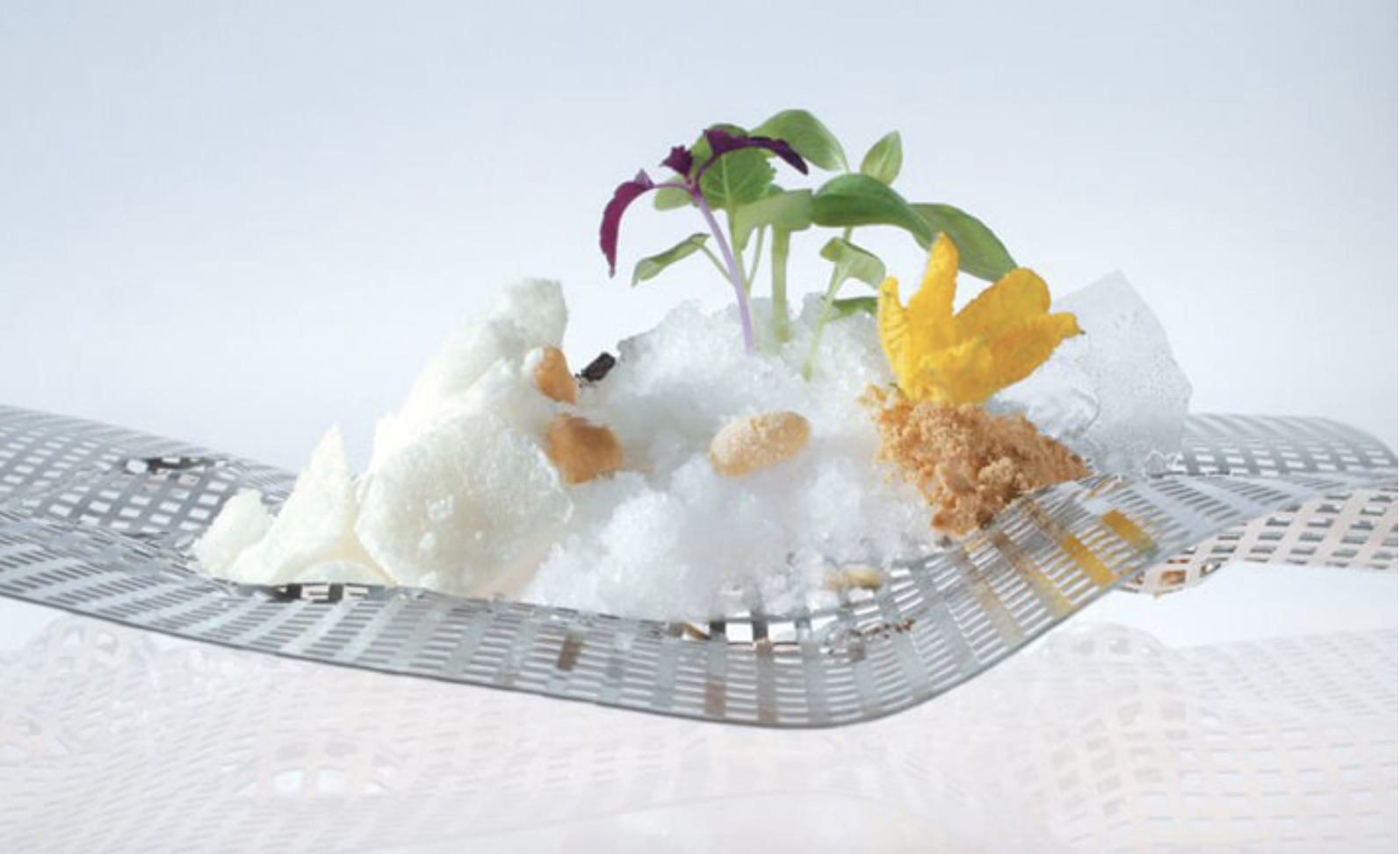

Ferran Adrià is widely regarded as one of the most radical and transformative chefs of the late 20th and early 21st centuries. His explorations into what became known popularly as molecular gastronomy revolutionized the way chefs think about food, technique, and the dining experience. In doing so, Adrià challenged the very definition of cuisine itself, pushing the boundaries of creativity, science, and art. This article examines Ferran Adrià’s profound impact on molecular cuisine, exploring his philosophy, techniques, legacy, and the evolution of modern gastronomy. It aims to provide a comprehensive and nuanced analysis that is both rich in detail and precise in professional insight.
I. Introduction: The Culinary Vanguard
Ferran Adrià emerged on the global culinary stage as the head chef of elBulli, a small seaside restaurant on the Costa Brava, Spain. Under his leadership, elBulli evolved from a respected regional restaurant into a global epicenter of culinary innovation. Patrons from around the world would wait months for a chance to dine there—a testament to the allure of Adrià’s creative genius. At its core, Adrià’s work was about questioning assumptions: what food could be, how it could behave, how it could be perceived, and how it could evoke emotion. His approach helped catalyze the era of contemporary gastronomy.
The term molecular gastronomy is often used in association with Adrià, although the chef himself did not define his work by that term. Instead, his kitchen was driven by curiosity and experimentation—drawing from chemistry, physics, and sensory science, not to reduce cooking to formulas, but to expand its expressive vocabulary. This distinction between perception and intent is critical to understanding Ferran Adrià’s true contribution.
II. Contextualizing Molecular Cuisine
Before diving into Adrià’s role, it’s vital to understand what molecular gastronomy originally meant. Coined in the late 1980s by scientists Nicholas Kurti and Hervé This, the term referred to the scientific study of culinary phenomena—chemistry and physics at play in cooking processes. It was academic, analytical, and descriptive. However, in popular and media discourse, the term shifted to describe avant‑garde cooking styles that applied scientific insights to craft unexpected textures, forms, and sensory experiences.
While Adrià’s work is often labeled as molecular cuisine, it is more precise to see his practice as innovative gastronomy rooted in sensory exploration. Adrià drew inspiration from scientific principles—utilizing techniques like spherification (gelification of liquids into spheres), emulsification, and controlled temperature transformations. But his focus was never simply on molecular manipulation; rather, it was on reimagining flavor, texture, and perception.
III. El Bulli: Laboratory of Flavor
ElBulli was not a restaurant in the traditional sense—it was a laboratory disguised as one. The kitchen operated on a schedule that allowed for intense periods of creativity and reflection. Closed for much of the year, the team spent months researching, developing, testing, and refining. Dishes were prototyped like experimental products, with meticulous documentation of technique, temperature, ingredients, and sensory outcome.
1. The Creative Process
Adrià’s approach was systematic yet intuitive:
- Observation: Understanding natural processes and traditional techniques.
- Questioning: Why does this dish taste this way? What if a texture changes?
- Experimentation: Trying new techniques, combinations, tools, and ingredients.
- Documentation: Recording outcomes, variations, sensory responses.
- Iteration: Refining based on feedback and further insight.
This method mirrors scientific inquiry, but with the distinction that culinary inquisition is ultimately driven by human experience and enjoyment.
2. The Team and Culture
Adrià surrounded himself with a team that valued curiosity over conformity. Chefs, researchers, and collaborators engaged in daily discussions that blurred the line between cooking and research. This environment cultivated what Adrià called “creativity with discipline”—an ethos that ensured innovation was purposeful and expressive, not arbitrary.
IV. Techniques that Reframed Cuisine
Ferran Adrià’s work popularized a set of techniques that became emblematic of innovative cuisine. Importantly, these techniques were not ends in themselves; they were tools to express ideas.
1. Spherification
Perhaps the most iconic technique associated with Adrià, spherification involves encasing a liquid in a delicate gel membrane. The result is a sphere that bursts in the mouth, releasing intense flavor. The technique uses sodium alginate and calcium to create the membrane—drawing on principles from hydrocolloid chemistry.
Spherification opened new avenues in textural contrast and presentation. A liquid essence could become a pearl-like burst, transforming how diners interacted with familiar flavors. For Adrià, this was not mere gimmickry; it was a deliberate way to heighten sensory surprise.
2. Deconstruction
Adrià’s deconstruction concept involved dismantling a dish’s components and reassembling them in new forms that evoke the original experience but reveal hidden qualities. A classic example is his reinterpretation of the traditional olive: instead of presenting an olive, he created an olive sphere with intense aroma and flavor, capturing the essence without the original form.
Deconstruction challenged the assumption that form equates to identity in cuisine. Adrià showed that memory and perception could be triggered through taste and scent even when form was transformed.
3. Emulsions and Foams
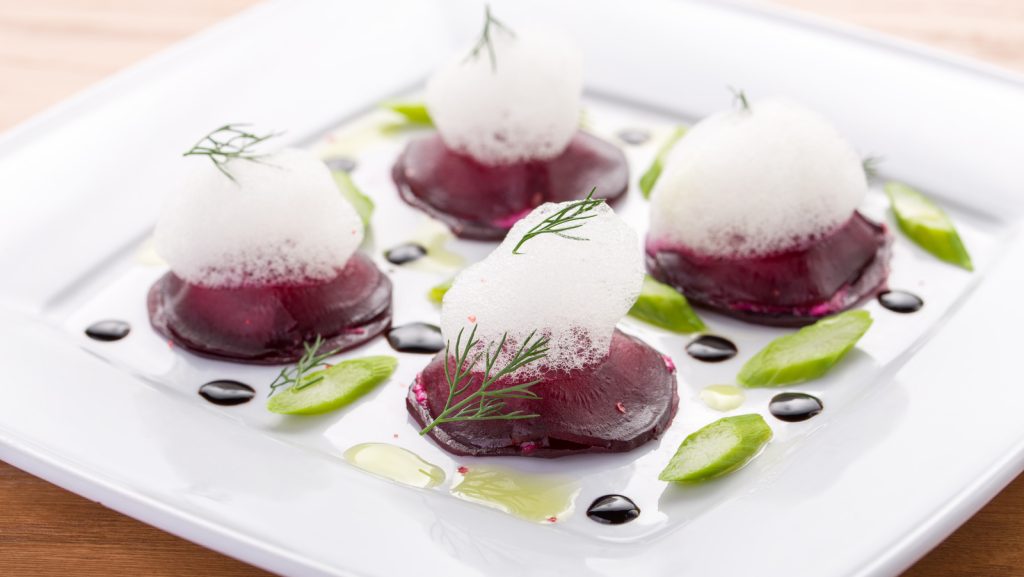
Using lecithin and other stabilizers, the kitchen at elBulli developed airy foams and emulsions that held intense flavor with minimal heaviness. These light textures redefined what a sauce or garnish could be, further diversifying the sensory lexicon of dishes.
4. Gelification and Controlled Textures
Gelling agents such as agar, carrageenan, and gelatin were employed to craft precise textures—from firm gels to delicate jellies. Adrià’s work with controlled temperature and timing yielded textures that could be tailored with astonishing specificity, enabling a dish to be composed in multiple sensory dimensions.
V. Philosophy: Beyond Technique to Experience
What set Ferran Adrià apart was not merely his technical arsenal, but his philosophical commitment to sensory experience. For Adrià, cuisine was a medium for exploration, storytelling, and intellectual engagement. He viewed each dish as a proposal—an invitation for diners to reconsider their assumptions.
1. Play and Surprise
Adrià recognized that dining is an emotional experience. Surprise, delight, curiosity, and even discomfort were tools to expand perception. The unexpected burst of a spherified liquid or a reinterpretation of a familiar dish generated questions: What am I tasting? Why does this texture feel this way? What does this remind me of?
2. Memory and Meaning
At elBulli, dishes were designed to evoke memory and meaning. Flavors that triggered reminiscence were displaced into new textures and forms, prompting diners to link past experience with present sensation. This interplay between memory and perception created dishes that were deeply personal and intellectually engaging.
3. Breaking Habits
Adrià often spoke about breaking culinary habits. He believed that innovation was not about novelty alone, but about questioning conventions and unlocking new sensory possibilities. This required courage—both from the chef and the diner—to venture beyond comfort zones.
VI. Critiques and Misconceptions
No discussion of Ferran Adrià and molecular cuisine would be complete without addressing critiques and misconceptions.
1. “Molecular Gastronomy” as Misnomer
Critics argue that the label molecular gastronomy misrepresents Adrià’s work, reducing rich culinary inquiry to a superficial scientific gimmick. Indeed, Adrià himself distanced from the term, preferring to speak of creativity rather than molecules. His focus was not on molecular science per se but on human experience.
2. Accessibility and Elitism
Another critique centers on accessibility. Some argue that Adrià’s cuisine was overly intellectual or inaccessible to the average diner. While elBulli’s exclusivity and experimental nature did foster this perception, it is important to recognize that Adrià’s intention was not elitism, but exploration. His techniques and ideas have since diffused throughout global cuisine, inspiring chefs of all backgrounds.
3. Sustainability and Practicality
Adrià’s intricate techniques sometimes raised questions about sustainability and practicality, especially in high-volume or resource‑limited settings. However, the core principles—attention to ingredients, respect for sensory experience, and thoughtful innovation—transcend equipment and scale.
VII. Legacy and Influence
Ferran Adrià’s influence on contemporary cuisine is both profound and far‑reaching. Thousands of chefs around the world have drawn inspiration from his methods, philosophy, and relentless pursuit of innovation.
1. Generational Impact
Many of Adrià’s protégés and contemporaries have become influential chefs in their own right, carrying forward his spirit of exploration. Restaurants around the world now embrace creative techniques—spherification, foams, controlled textures—as part of their culinary vocabulary.
2. Education and Dissemination
Adrià understood the importance of sharing knowledge. Through publications, lectures, collaborations, and later initiatives such as elBullifoundation, he contributed to the dissemination of culinary innovation. Chefs and students alike have benefitted from his documentation, research, and reflections.
3. Redefining Fine Dining
Perhaps Adrià’s greatest legacy is his redefinition of fine dining. He shifted the focus from mere refinement of traditional techniques to conceptual engagement. Dining could be intellectual, playful, emotive, and experimental—without sacrificing quality or depth.
VIII. Case Studies: Signature Creations
To illustrate Adrià’s approach concretely, consider several emblematic dishes and what they reveal about his philosophy.
1. Olive Spheres
This creation encapsulates Adrià’s deconstructive vision. By capturing the essence of olive flavor in a delicate sphere, he redefined the sensory experience. The dish was not an olive; it was olive perception—stimulating memory and flavor recognition without traditional form.
2. Liquid Pea Ravioli
By enveloping pea purée in a thin gel membrane, Adrià transformed a humble ingredient into something both playful and refined. The dish demonstrated how technique could amplify flavor while provoking surprise.
3. “Air” Sauces
Using lecithin and other stabilizers, Adrià’s airy sauces were intensely flavored yet ethereal. The lightness challenged expectations of richness and texture, encouraging diners to rethink what a sauce could be.
Each of these examples reflects Adrià’s layered objectives: sensory surprise, emotional engagement, and intellectual curiosity.
IX. The Science–Art Continuum
Ferran Adrià’s work exists at the intersection of science and art. While many of his techniques draw from scientific understanding, his goals were aesthetic and experiential.
1. Science as a Tool, Not a Destination
Adrià utilized scientific principles to expand the expressive potential of cuisine. But unlike a laboratory researcher seeking to publish findings, his quest was for sensory meaning. Science was a means to an end: richer, more provocative culinary experiences.
2. Artistic Expression in Cuisine
Adrià often spoke of his work as art. Like a painter uses color and texture, he used flavor and form. His dishes were compositions—balanced, evocative, and deliberate. This artistic lens helped broaden perspectives on what cuisine could communicate.
X. Beyond El Bulli: Life After the Kitchen
In 2011, Ferran Adrià closed elBulli at the height of its acclaim. This decision was not a retreat but a transition—one that allowed Adrià to focus on research, education, and exploration beyond the confines of a restaurant.
1. ElBullifoundation
With the establishment of elBullifoundation, Adrià sought to preserve knowledge, inspire innovation, and support culinary thinkers and creators. The foundation’s work spans research, documentation, and collaboration—ensuring that Adrià’s legacy continues to influence future generations.
2. Dialogues on Creativity
Adrià’s later work often engages with the nature of creativity itself. He has participated in dialogues, lectures, and collaborations that extend beyond gastronomy to broader creative disciplines—underscoring the universality of innovation.
XI. Critique and Reflection: Where Molecular Cuisine Stands Today
As molecular cuisine evolved over the past decades, its initial shock value diminished. Techniques once seen as avant‑garde are now part of mainstream culinary education. Yet, the spirit of innovation persists in new directions: sustainability, local terroir exploration, sensory science, and cross‑disciplinary integration.
1. New Frontiers in Gastronomy
Contemporary chefs build on Adrià’s legacy by integrating technological advancements such as 3D food printing, precision fermentation, and data‑driven menu optimization. However, the core remains the same: a commitment to expanding sensory and conceptual boundaries.
2. Tradition Meets Innovation
Where some chefs draw strictly from tradition and others from innovation, many now operate in a hybrid space—a space that Adrià helped legitimize. Tradition offers context and heritage; innovation adds freshness and discovery. The most compelling contemporary cuisine honors both.
XII. Conclusion: Ferran Adrià’s Enduring Contribution
Ferran Adrià’s contribution to molecular cuisine—and to global gastronomy at large—is immeasurable. His work reimagined the possibilities of flavor, texture, and sensory perception. More importantly, he championed creativity with purpose: a discipline where curiosity, rigor, and emotion intersect.
Adrià did not invent cooking, but he redefined what it could be. He pushed chefs and diners alike to ask What if?—a simple question with profound implications. In doing so, he transformed cuisine into a medium of exploration, expression, and intellectual engagement.
Today, the influence of his work is evident in kitchens around the world: in the techniques used, the questions asked, and the experiences crafted. Ferran Adrià did not merely change dishes—he changed how we think about food, creativity, and the art of the possible.