






In the ever‑evolving world of gastronomy, the tension between innovation and tradition is a driving force in defining a chef’s culinary identity. Some chefs lean heavily into avant‑garde techniques, dismantling classical foundations to reconstruct new culinary paradigms. Others anchor themselves in cultural heritage, perfecting time‑honored recipes that evoke nostalgia and collective memory. Yet, the most impactful and respected figures in modern cuisine have mastered the delicate art of balancing these forces—honoring tradition while embracing innovation. This balance is not merely about juxtaposition; it is a deliberate, thoughtful integration that elevates both the legacy and future of food.
This article explores how world‑class chefs find that equilibrium through philosophy, technique, cultural consciousness, ingredient stewardship, and the ability to connect with diners on both emotional and intellectual levels. In doing so, we reveal the underpinnings of culinary excellence, from farm to table, from mise en place to Michelin stars.
I. The Philosophical Spectrum: Tradition vs. Innovation
At the core of every extraordinary kitchen lies a guiding philosophy—a compass that directs every decision, from menu design to plating aesthetics. Chefs who successfully balance tradition and innovation understand that these are not opposing forces but complementary lenses through which food can be experienced.
1. Tradition as Context, Not Constraint
Tradition provides a historical and cultural framework. It is the accumulated wisdom of generations—ritualized techniques, storytelling through food, and the preservation of cultural identity. Rather than constraining creativity, tradition can act as a fertile foundation. A chef who understands the roots of a dish can reimagine its form without severing its soul.
For example, joie de vivre in French cooking—a movement anchored by figures like Paul Bocuse and Alain Ducasse—continues to inform classical technique. Contemporary chefs, such as Alain Passard, pay homage to this tradition while redefining it through a contemporary vegetable‑first philosophy that still reveres classical balance and respect for ingredients.
2. Innovation as Exploration, Not Disruption
Innovation in the kitchen is often misunderstood as whimsical or gratuitous modification. In reality, culinary innovation stems from deliberate inquiry—why does a dish taste the way it does? How can chemistry deepen sensory engagement? What part of a cultural narrative can be amplified through reinterpretation?
Modern gastronomy pioneers like Ferran Adrià, who revolutionized molecular gastronomy at elBulli, demonstrate that innovation can be rigorous and purposeful. His work dissected culinary processes, applying scientific understanding to texture and flavor transformation. But even Adrià acknowledged that innovation must serve emotion and meaning, not novelty for its own sake.
3. The Sweet Spot: Creative Continuum
The chefs we revere most—Massimo Bottura, René Redzepi, Yoshihiro Narisawa, Helena Rizzo, and Heston Blumenthal—are not defined by pure innovation nor strict traditionalism. Instead, they operate in a creative continuum. They perceive tradition as inspiration and innovation as expression. This paradigm reframes culinary evolution not as conflict but as conversation.
II. Techniques as Language: Mastery Before Expression
Cuisine is a language; techniques are the grammar that allow chefs to articulate ideas with clarity and precision. Mastery of foundational techniques enables chefs to innovate with intention.
1. The Legacy of Technique
Classical training—sautéing, braising, emulsifying, curing, fermenting, and baking—forms the backbone of culinary education. These techniques are not antiquated artifacts; they are the tools that ensure consistency, flavor development, and food safety.
Renowned chefs often spend years internalizing these methods before experimenting. For instance, Thomas Keller’s fabled dedication to scrupulous technique—perfecting basic stocks and porridge before embellishing them—illustrates that innovation built on a shaky technical foundation collapses under scrutiny.
2. Technique as a Springboard
Once a chef has technical fluency, technique becomes a springboard for invention. Contemporary chefs reinterpret classic technique to reveal new flavor dialogues:
- Fermentation, once confined to regional traditions (e.g., kimchi, sauerkraut), is now a global tool for depth and complexity.
- Sous‑vide, a relatively recent innovation, owes its ubiquity to chefs who saw its potential to elevate texture while preserving essence.
- Dehydration and rehydration, once fringe applications, offer intense flavor concentration when aligned with culinary intent.
Innovation grounded in technique ensures that creative gestures are legible and meaningful to the diner.
III. Culinary Citizenship: Respect for Culture and Community
Chefs today are not isolated auteurs; they are cultural citizens. They contribute to the evolving narrative of global cuisine while acknowledging its origins and communities.
1. Authenticity and Cultural Responsibility
The term authenticity—often marketing shorthand—misses the nuanced reality that cuisines are living and adaptive. World‑class chefs respect the spirit of culinary traditions without performing superficial mimicry.
For example, when chefs reinterpret Indigenous or regional recipes, the depth of research and context matters. Dish reinvention should not appropriate, but rather celebrate, elevate, and engage with community stakeholders. This involves understanding historical context, ingredient provenance, and socio‑cultural meaning.
2. Dialogue Over Appropriation
The current culinary discourse emphasizes dialogue instead of appropriation. Chefs like Rene Redzepi at Noma engage Scandinavian terroir with reverence, foraging local ingredients and highlighting Nordic traditions. At the same time, they innovate through fermentation and minimalist presentation that reflects both heritage and ingenuity.
Similarly, Latin American chefs like Mauro Colagreco and Pía León reinterpret ancestral flavors within modern gastronomy without erasing lineage. They excavate tradition with curiosity rather than modification for shock value.
IV. Ingredient Stewardship: The Heart of Balanced Innovation
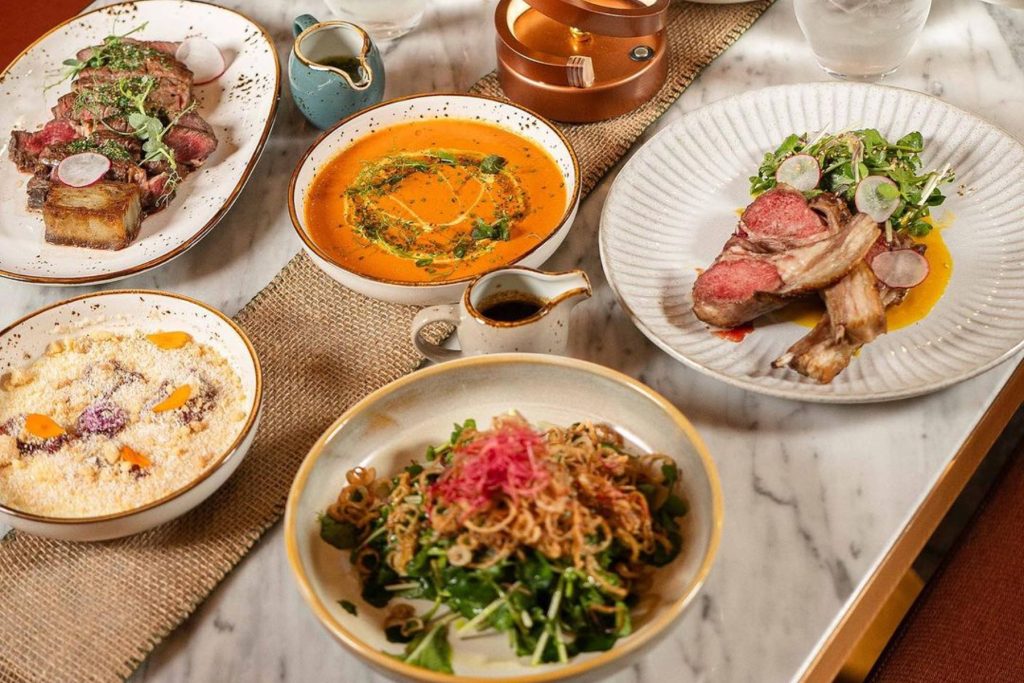
Great chefs are stewards of ingredients. They honor seasonality, season, and ethical sourcing, which deepens the dialogue between tradition and innovation.
1. Seasonality and Terroir
Seasonality and terroir are principle drivers of authenticity and creativity. Chefs like Dan Barber champion farm‑to‑table philosophies that prioritize regional ecosystems.
These chefs do not merely import the rare or exotic; they cultivate relationships with farmers, fishers, and foragers. The result is a menu that reflects the land and sea where it is served—grounded in tradition, responsive to nature, yet articulated through contemporary technique.
2. Sustainability as Innovation
Sustainability moves beyond buzzword status in world‑class kitchens. It is a design principle that influences everything from menu planning to waste management. Techniques like root‑to‑stem cooking and nose‑to‑tail butchery honor traditional practices while addressing modern ecological imperatives.
Innovative chefs find creative ways to reduce waste—turning offcuts into broths, skins into chips, and excess into preserves. This philosophy respects the ingredient’s lifecycle and honors ancestral wisdom about frugality and resourcefulness.
V. Narrative and Emotion: Storytelling Through Food
Food is not merely sustenance; it is narrative. Chefs who balance innovation and tradition understand that every dish tells a story.
1. Memory and Identity
Dishes rooted in tradition awaken memory and cultural identity. A simple consommé can evoke childhood remembrance; a familiar spice may transport one across continents. World‑class chefs harness this emotional resonance even when presenting innovative compositions.
For instance, Massimo Bottura’s reinterpretations—such as Oops! I Dropped the Lemon Tart—are playful yet connect deeply with diners through emotional storytelling. The dish’s genesis, born from imperfection and creativity, resonates universally.
2. Conceptual Frameworks
Narrative in cuisine can be conceptual, weaving thematic continuity throughout a meal. Chefs like Heston Blumenthal incorporate history, science, and sensory exploration into his menus at The Fat Duck. Guests embark on a curated journey where tradition and innovation coalesce into a coherent experiential narrative.
This underscores a vital insight: the most memorable cuisine engages the mind as much as the palate.
VI. The Restaurant as Theater: Experience Beyond Taste
World‑class dining is immersive. Contemporary restaurants blur lines between kitchen and dining room, transforming meals into multi‑sensory experiences.
1. Plating as Visual Dialogue
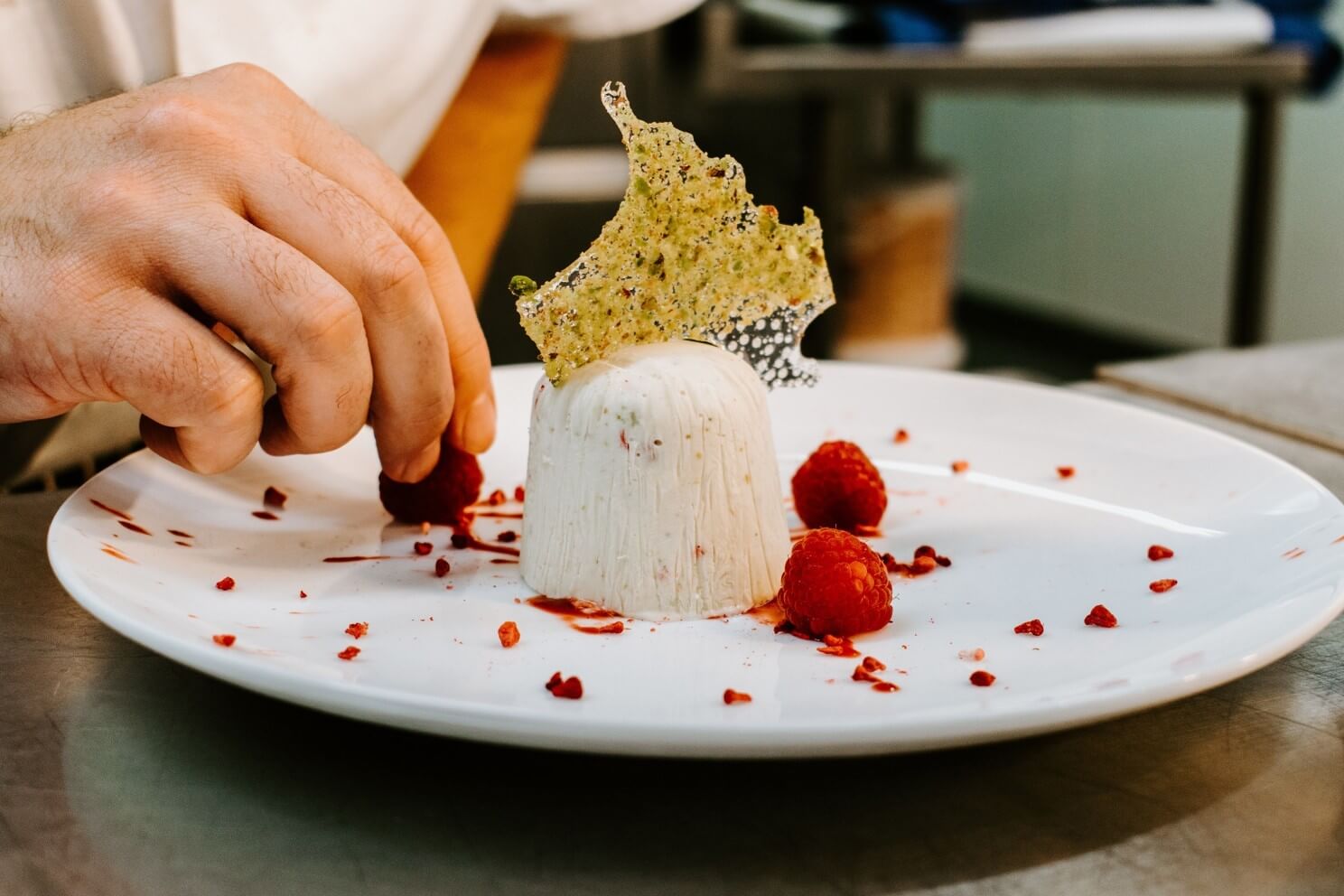
Presentation is no longer an afterthought; it is integral to the chef’s expression. Yet, visual innovation is most powerful when it amplifies flavor and concept, not distracts from it.
Chefs like Andoni Luis Aduriz use the plate as a canvas—drawing from tradition yet projecting audacious visual metaphors. The balance lies in ensuring that aesthetics enhance storytelling and reflect culinary intent.
2. Interaction and Personalization
Innovative dining spaces invite conversation, participation, and personalization. Open kitchens, interactive courses, and chef‑led storytelling break the fourth wall. This experiential layer bridges innovation with deeply human traditions of sharing food and conversation.
Restaurants like Saison in San Francisco, under former chef Joshua Skenes, employed open kitchens to foster intimacy and transparency—tradition reimagined in a modern context.
VII. Professional Practice: Leadership, Culture, and Mentorship
The way chefs lead kitchens also reflects how they negotiate tradition and innovation.
1. Cultivating a Learning Culture
World‑class kitchens are incubators of learning. Tradition is preserved through rigorous training; innovation is encouraged through intellectual freedom and experimentation. Chefs mentor the next generation, instilling respect for classical technique while fostering creative risk‑taking.
2. Collaborative Creativity
Innovation thrives in collaborative environments. Chefs often integrate cross‑disciplinary insights—food science, art, anthropology, and sustainability—into culinary practice. This ecosystems approach expands the chef’s role from artisan to cultural architect.
VIII. Global Perspectives: Tradition and Innovation Across Continents
Although the balance between tradition and innovation is a universal challenge, its expression varies by region.
1. Asia: Heritage and Modernity
In Japan, chefs like Jiro Ono have spent lifetimes perfecting sushi with almost ritual reverence. His approach exemplifies how deep mastery of tradition can coexist with subtle innovation in technique and ingredient selection.
Contemporary Asian chefs often blend local traditions with global influences. For example, Gaggan Anand fused Indian flavors with modernist techniques, creating a new lexicon of progressive Indian cuisine that is both rooted and forward‑looking.
2. Europe: Classical Foundations and Experimental Frontiers
European kitchens often straddle classical training and modern exploration. At El Celler de Can Roca, the Roca brothers meld Catalonian tradition with avant‑garde pastry, fermentation, and sensory science. Innovation emerges from deep engagement with local terroir.
3. The Americas: Eclectic Fusion and Cultural Reclamation
In the Americas, chefs like José Andrés celebrate regional heritage while innovating with global technique. Latin American chefs have elevated indigenous ingredients (e.g., maize, cacao, quinoa) through contemporary gastronomy, reclaiming culinary identity in the process.
IX. The Future of Gastronomy: Evolving Balance in a Changing World
As culinary practice adapts to global challenges—climate change, food security, shifting demographics—the balance between innovation and tradition will evolve in new directions.
1. Technology and Tradition
Technology—AI in menu design, precision agriculture, cellular agriculture—will transform how chefs source and conceptualize food. Yet, the relevance of tradition will persist as a human anchor in a digitized world.
2. Redefining Sustainability
Future gastronomy will redefine sustainability not just in ecological terms but cultural sustainability—preserving foodways that risk extinction while integrating new paradigms of food production and ethics.
X. Conclusion: A Harmonious Synthesis
World‑class chefs who successfully balance innovation and tradition do so not by choosing one over the other, but by weaving them into a harmonious synthesis. Tradition provides identity, depth, and continuity. Innovation offers insight, freshness, and evolution. The chef’s artistry lies in honoring the wisdom of the past while imagining the possibilities of the future.
This balance is visible in thoughtful technique, respect for ingredients, cultural awareness, emotional storytelling, and the ability to create experiences that resonate with the human condition. Ultimately, the chef is not just a creator of food—but a custodian of culture, an interpreter of history, and an architect of tomorrow’s culinary landscape.