






Introduction
Food is more than mere sustenance; it is a reflection of history, culture, geography, and human creativity. Across continents, culinary traditions have evolved uniquely, influenced by climate, local ingredients, trade routes, and societal norms. Understanding global cuisine is not just about tasting exotic flavors—it is an exploration of humanity’s diversity and ingenuity. This guide aims to provide a comprehensive overview of culinary practices, iconic dishes, and gastronomic innovations from around the world, offering both food enthusiasts and professionals a detailed reference.
1. Culinary Traditions Across Continents
1.1 Asia: Diversity and Depth
Asia, the largest continent, boasts an unparalleled variety of culinary traditions. Its food ranges from the fiery spices of India to the delicate umami flavors of Japan.
India: Known for its bold use of spices, Indian cuisine is a complex interplay of regional ingredients and religious influences. North Indian dishes like Butter Chicken and Paneer Tikka are rich in dairy, while South Indian cuisine favors rice, lentils, and coconut-based curries like Sambar and Coconut Chutney.
China: Chinese cuisine emphasizes harmony in taste and texture, guided by principles of yin and yang. Iconic dishes include Peking Duck, Dim Sum, and Kung Pao Chicken. Regional variations, such as the spicy Sichuan cuisine or the delicate Cantonese style, showcase the culinary adaptability shaped by geography and history.
Japan: Japanese gastronomy focuses on simplicity, seasonal ingredients, and presentation. Staples like Sushi, Ramen, and Tempura reflect a philosophy of balance and respect for natural flavors. Techniques such as fermentation in Miso and Soy Sauce production demonstrate Japan’s innovative approach to preservation.
Southeast Asia: Countries like Thailand, Vietnam, and Malaysia blend sour, sweet, salty, and spicy tastes. Dishes like Pad Thai, Pho, and Nasi Lemak showcase the region’s rich use of herbs, seafood, and coconut milk.
1.2 Europe: Tradition Meets Innovation
European cuisine is deeply rooted in centuries-old traditions, yet continuously evolving.
France: Renowned for its culinary sophistication, French cuisine has heavily influenced global gastronomy. From Boeuf Bourguignon and Coq au Vin to delicate pastries like Croissants and Macarons, French cuisine emphasizes technique, wine pairing, and presentation. Regional differences are notable: Normandy specializes in dairy and apples, Provence is known for olive oil and herbs, while Burgundy is famous for wines.
Italy: Italian cuisine is globally celebrated for its simplicity, freshness, and emphasis on quality ingredients. Iconic dishes include Pasta Carbonara, Risotto, Margherita Pizza, and Tiramisu. Regional diversity is prominent: Northern Italy favors butter, rice, and polenta, whereas Southern Italy emphasizes olive oil, tomatoes, and seafood.
Spain: Spanish cuisine is characterized by vibrant flavors, tapas culture, and seafood dishes. Paella, Gazpacho, and Jamón Ibérico are staples. The use of saffron, paprika, and olive oil reflects both Mediterranean climate and historical trade influences.
Eastern Europe: In countries like Poland, Hungary, and Russia, cuisine often centers on hearty dishes suitable for colder climates. Borscht, Goulash, and Pierogi highlight the use of root vegetables, meats, and fermented foods.
1.3 Africa: Bold Flavors and Rich Heritage
African cuisine is a mosaic of flavors shaped by diverse climates, indigenous ingredients, and colonial history.
North Africa: Moroccan, Tunisian, and Algerian dishes are renowned for complex spice blends such as Ras El Hanout. Tagine, Couscous, and Harira exemplify the balance between sweet and savory.
West Africa: Countries like Nigeria and Ghana favor rich, spicy stews. Jollof Rice, Egusi Soup, and Suya are popular, often accompanied by cassava or plantains. The cuisine is characterized by chili peppers, peanuts, and palm oil.
East Africa: Ethiopian and Somali cuisines are notable for their use of injera (fermented flatbread) and berbere spice blends. Slow-cooked stews, legumes, and grains dominate the diet.
Southern Africa: South African cuisine reflects indigenous, Dutch, and Indian influences. Dishes like Bobotie, Braai (barbecue), and Chakalaka highlight the fusion of flavors.
1.4 Americas: Innovation and Fusion
The Americas offer a culinary landscape shaped by indigenous traditions, European colonization, and African influences.
North America: The United States is a melting pot of global cuisines, leading to regional specialties such as New England Clam Chowder, Tex-Mex Tacos, and Southern Barbecue. Canada emphasizes both French and British culinary traditions, with iconic dishes like Poutine.
Central and South America: Mexican cuisine blends indigenous ingredients with Spanish influences, producing dishes like Mole, Tacos, and Tamales. Brazil showcases diverse flavors with Feijoada, while Argentina is famous for Asado and beef-centered meals. Peruvian cuisine, gaining international recognition, integrates native ingredients with Japanese and Chinese influences.
2. Culinary Techniques and Philosophies
Global cuisine is not only about ingredients but also about preparation techniques and cultural philosophies.
2.1 Cooking Techniques
- Grilling and Barbecue: Common in Argentina, the US, and Africa, this method imparts smoky flavors.
- Steaming: Widely used in China and Southeast Asia to preserve nutrients and natural flavors.
- Fermentation: Found in Japan (miso, soy sauce), Korea (kimchi), and Africa (teff fermentation for injera), fermentation enhances flavor complexity and digestibility.
- Braising and Stewing: Essential in European and African cuisines, these methods tenderize tough meats and develop deep flavors.
- Raw Preparations: Sushi, ceviche, and tartare exemplify the emphasis on freshness and delicate flavor balancing.
2.2 Culinary Philosophies
- Seasonality: Many cuisines emphasize using ingredients at their peak, e.g., Japanese kaiseki meals or French market-based dishes.
- Balance of Flavors: Asian cuisines, particularly Thai and Chinese, focus on balancing sweet, sour, salty, bitter, and umami tastes.
- Sustainability and Local Sourcing: Traditional diets often relied on locally available ingredients, a philosophy now gaining renewed global relevance.
- Aesthetic Presentation: Japanese and French cuisines highlight the importance of visual appeal as part of the dining experience.
3. Iconic Ingredients Around the World
Certain ingredients define regional cuisines and offer insight into local ecology and culture:
- Rice: Staple in Asia, Latin America, and parts of Africa. Varieties include Basmati, Jasmine, and Arborio.
- Spices: India, North Africa, and the Middle East use spices such as saffron, turmeric, cumin, and cinnamon to build complex flavor profiles.
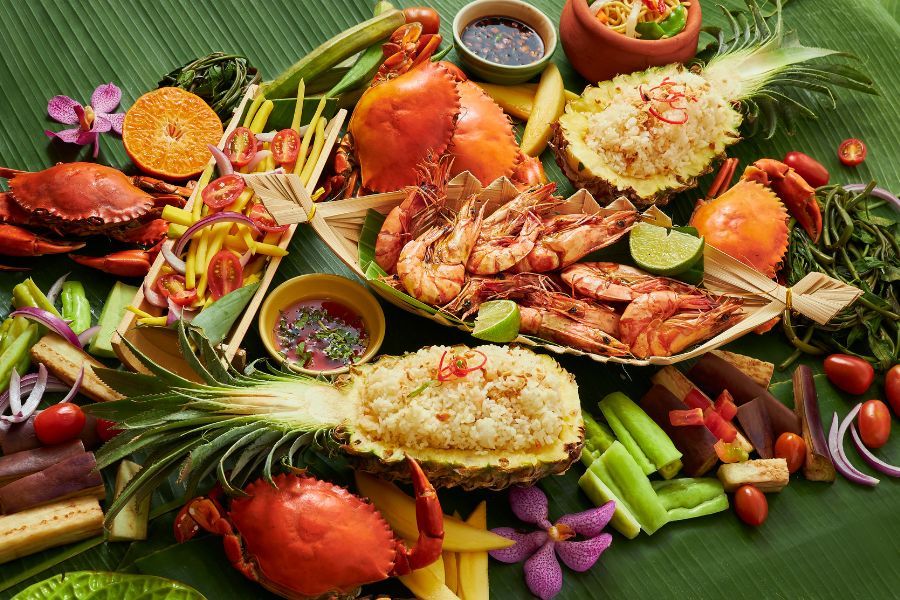
- Seafood: Coastal regions across Europe, Asia, and the Americas rely on fish, shellfish, and seaweed.
- Grains and Legumes: Wheat, barley, lentils, and beans are essential in Mediterranean, Middle Eastern, and Latin American diets.
- Herbs: Fresh herbs like basil, cilantro, rosemary, and thyme enhance flavor, aroma, and visual appeal.
4. Global Food Trends and Innovations
The culinary world is constantly evolving with new trends reflecting societal changes and technological advances:
- Fusion Cuisine: Combining elements from different culinary traditions to create novel dishes.
- Plant-Based Diets: Rising demand for vegetarian and vegan options, utilizing legumes, grains, and plant proteins.
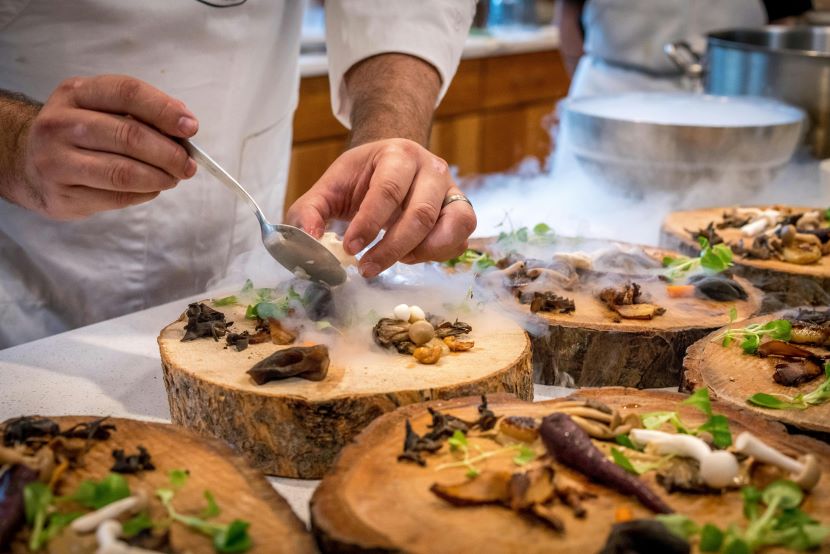
- Molecular Gastronomy: Innovative techniques that transform textures and flavors, pioneered by chefs like Ferran Adrià and Heston Blumenthal.
- Sustainable and Ethical Eating: Emphasis on farm-to-table sourcing, reducing food waste, and protecting biodiversity.
- Artisanal and Craft Foods: Renewed interest in handmade breads, cheeses, chocolates, and fermented products.
5. Experiencing Global Cuisine
5.1 Travel and Culinary Tourism
Exploring cuisines in their native context is the ultimate experience. Food markets, street vendors, and local restaurants provide authentic tastes, while cooking classes allow travelers to understand preparation techniques.
5.2 Home Cooking
Recreating global dishes at home fosters appreciation and skill development. Ingredients can often be substituted or adapted, allowing a balance between authenticity and practicality.
5.3 Professional Study
Chefs and culinary students benefit from studying global cuisine to understand flavor profiles, cooking techniques, and plating aesthetics, which can inspire innovation and fusion.
Conclusion
Global cuisine is a vibrant tapestry of history, geography, and culture. From the delicate precision of Japanese sushi to the bold spices of Indian curries, each dish tells a story of human adaptation, creativity, and connection. Understanding these culinary traditions fosters cross-cultural appreciation and inspires culinary innovation. Whether through travel, professional study, or home experimentation, exploring global cuisine enriches both palate and perspective, turning the simple act of eating into a profound cultural experience.