







Introduction: The Intersection of Philosophy and Culinary Art
Every exceptional chef brings more than technical skill to the kitchen—they bring a personal philosophy, a set of values and beliefs that shapes their approach to ingredients, techniques, and guest experiences. This philosophy manifests in two interconnected realms: the dishes themselves and the operational ethos of their restaurants.
In this article, we explore how personal culinary philosophies influence menu development, ingredient sourcing, plating, staff culture, sustainability, and overall dining experiences. We examine examples from global culinary icons and provide a framework for understanding how philosophy translates into both culinary art and operational practice.
Chapter 1: Understanding Personal Culinary Philosophy
1. Definition and Scope
- Culinary philosophy is a chef’s guiding principle for creating, presenting, and serving food.
- It may encompass:
- Ingredient sourcing and sustainability
- Flavor balance and technique
- Ethical and cultural considerations
- Guest experience and storytelling
2. Philosophical Dimensions in Cooking
- Minimalism vs. Complexity: Some chefs emphasize simplicity, allowing ingredients to speak; others pursue layered complexity.
- Tradition vs. Innovation: Philosophies may honor classical techniques or challenge them with experimental approaches.
- Ethics and Sustainability: Some prioritize local, seasonal, and ethical sourcing, reflecting environmental and social values.
3. Psychological and Cultural Influences
- Personal upbringing, cultural background, and professional training shape philosophy.
- Example: A chef raised in a family emphasizing farm-to-table principles may focus on ingredient provenance, while one trained in haute cuisine may prioritize precision and technique.
Chapter 2: Translating Philosophy into Dishes
1. Ingredient Selection
- Philosophy dictates not only what is served but how it is sourced.
- Example: Alice Waters’ approach centers on organic, seasonal, and locally sourced produce, reflecting her commitment to sustainability and freshness.
2. Flavor Profiles and Composition
- A chef’s belief about taste, balance, and texture is evident in dish construction.
- Techniques such as fermentation, smoking, or sous-vide may be philosophically motivated, aiming to enhance natural flavors or preserve cultural authenticity.
3. Plating and Presentation
- Presentation reflects aesthetic philosophy:
- Minimalist plating emphasizes natural beauty of ingredients.
- Conceptual plating conveys a narrative or cultural story.
- Visual design reinforces the chef’s worldview and engagement with the diner.
4. Cultural and Ethical Narratives
- Dishes can embody philosophy through historical storytelling, homage to heritage, or commentary on social issues.
- Example: Restaurants emphasizing indigenous ingredients highlight cultural preservation and historical awareness.
Chapter 3: Menu Design as a Philosophical Statement
1. Curated Menu Structures
- Menus reflect values: seasonal changes, ingredient sustainability, and dietary inclusivity.
- Philosophical principles determine:
- Frequency of menu changes
- Balance between traditional and experimental dishes
- Integration of local and global influences
2. Signature Dishes
- Signature dishes are culinary expressions of personal ideology.
- Example: Ferran Adrià’s molecular gastronomy innovations reflect a philosophy of pushing culinary boundaries.
3. Storytelling through Menu
- Menus communicate narrative through:
- Dish names
- Ingredient sourcing notes
- Cultural or historical references
Chapter 4: Restaurant Operations as Philosophical Practice
1. Staff Culture and Leadership
- A chef’s philosophy shapes:
- Training methods
- Work environment
- Collaborative culture
- Example: A philosophy emphasizing mentorship fosters learning-oriented kitchen culture, encouraging creativity and technical excellence.
2. Service and Guest Experience
- Philosophy informs interaction with guests:
- Fine-dining focus: ritualized service and attention to detail
- Casual dining: warmth, accessibility, and comfort
- Restaurants may integrate philosophy into ambiance, music, lighting, and storytelling.
3. Sustainability and Supply Chain
- Ethical values translate into ingredient sourcing, waste management, and energy efficiency.
- Philosophical commitment to local producers strengthens community ties and reinforces authenticity.
4. Business Ethics and Philosophy
- Philosophy can influence pricing, staff remuneration, and community engagement.
- Example: Restaurants with a social mission integrate philosophy into every operational decision, balancing profitability with social responsibility.
Chapter 5: Case Studies of Philosophical Culinary Practice
1. René Redzepi – Noma, Denmark
- Philosophy: Hyper-local, seasonally inspired cuisine emphasizing wild and foraged ingredients.
- Manifestation:
- Dishes like fermented plants reflect deep engagement with Nordic terroir.
- Staff trained to forage, experiment, and innovate collaboratively.
- Restaurant design emphasizes simplicity and natural materials, mirroring culinary values.
2. Alice Waters – Chez Panisse, USA
- Philosophy: Farm-to-table, sustainable agriculture, ethical sourcing.
- Manifestation:
- Menus change daily based on local harvest.
- Dishes highlight ingredient purity and seasonal expression.
- Restaurant engages in educational initiatives supporting local farms and youth.
3. Massimo Bottura – Osteria Francescana, Italy
- Philosophy: Artistic storytelling through food.
- Manifestation:
- Deconstruction of traditional Italian dishes conveys emotional and historical narratives.
- Plating and service reflect a theatrical, immersive experience.
4. Gaggan Anand – Gaggan, Thailand/India
- Philosophy: Playful, experimental, boundary-pushing cuisine.
- Manifestation:
- Progressive tasting menus incorporate molecular gastronomy and humor.
- Operations prioritize continuous experimentation, team creativity, and guest engagement.
Chapter 6: Philosophical Principles in Menu Sustainability
1. Seasonal and Local Ingredients
- Emphasizes respect for nature, freshness, and reduced environmental impact.
- Encourages chefs to align their philosophy with ecological responsibility.
2. Minimizing Waste
- Philosophies of responsibility and mindfulness manifest in nose-to-tail cooking and zero-waste initiatives.
- Restaurants adopt creative preservation techniques and recycling practices.
3. Cultural Preservation
- Menu choices can preserve culinary heritage, highlighting indigenous ingredients, traditional techniques, and ancestral recipes.
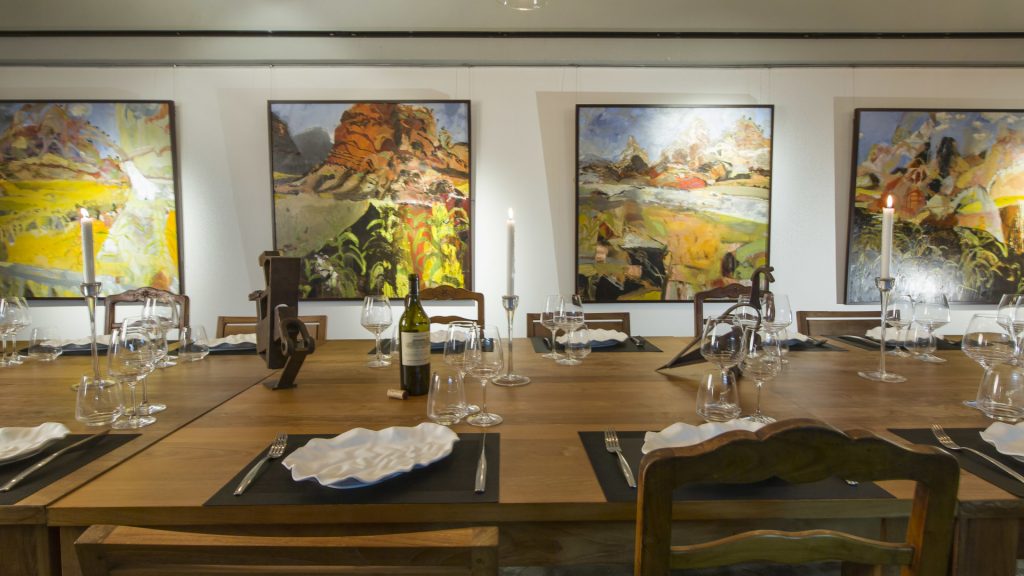
Chapter 7: Design and Ambience Reflecting Philosophy
1. Architecture and Interior Design
- Minimalist chefs often design clean, understated spaces, focusing attention on food.
- Conceptual chefs create immersive environments that narrate stories through visual design.
2. Tableware and Utensils
- Philosophical emphasis on materiality, cultural symbolism, or sustainability may guide choice of plates, glasses, and cutlery.
3. Sensory Alignment
- Philosophy shapes music, lighting, and aroma to enhance emotional and sensory connection with dishes.
Chapter 8: Staff Training and Operational Culture
1. Knowledge Transfer and Mentorship
- Philosophical chefs often mentor staff, instilling culinary values, technical discipline, and innovation.
- Example: Redzepi’s foraging programs teach staff sustainable and seasonally attuned practices.
2. Collaborative Environment
- Philosophy dictates whether kitchen culture is hierarchical or collaborative.
- Philosophical alignment ensures staff embody the values in service, cooking, and presentation.
3. Guest-Centric Ethics
- Staff trained under philosophical frameworks emphasize:
- Hospitality
- Respect for ingredients
- Thoughtful interaction with guests
Chapter 9: Innovation and Evolution Driven by Philosophy
1. Experimental Techniques
- Philosophy encourages exploration of new flavors, textures, and techniques.
- Example: Molecular gastronomy reflects a philosophical commitment to pushing culinary boundaries.
2. Cultural and Historical Fusion
- Philosophically minded chefs integrate history, tradition, and cross-cultural inspiration, creating layered narratives in cuisine.
3. Long-Term Vision
- Philosophy informs strategic decisions: expansion, sustainability projects, and culinary education initiatives.
Chapter 10: Measuring the Impact of Culinary Philosophy
1. Guest Experience Metrics
- Success is measured by guest satisfaction, memorable dining experiences, and emotional resonance.
2. Critical Acclaim and Recognition
- Philosophy-driven restaurants often achieve Michelin stars, global awards, and media attention.
3. Legacy and Influence
- Culinary philosophy extends beyond the restaurant:
- Influencing future chefs
- Advancing sustainability
- Promoting culinary education and cultural awareness
Conclusion: Philosophy as the Heart of Cuisine and Operations
A chef’s personal philosophy permeates every layer of culinary practice, from ingredient selection to staff culture, menu design, plating, and restaurant management. It serves as a guiding compass, ensuring that the dining experience is cohesive, meaningful, and authentic.
Key takeaways:
- Philosophy shapes both tangible (dishes, service) and intangible (values, culture) aspects of a restaurant.
- Menus and operations are reflections of ethical, aesthetic, and cultural beliefs.
- Successful integration of philosophy creates memorable, sustainable, and influential culinary experiences.
Ultimately, personal philosophy is the invisible ingredient that gives food and hospitality their soul, turning a meal into an expression of values, vision, and artistry.