






Introduction: From Passion to Profession
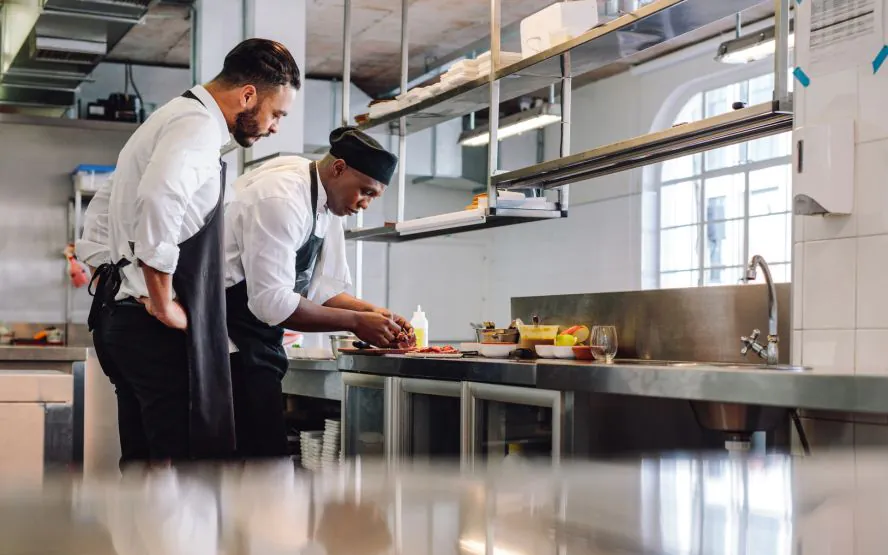
The journey of a chef is more than a series of recipes and techniques—it is a path shaped by discipline, creativity, mentorship, and relentless dedication. Every renowned chef begins somewhere: a small home kitchen, a bustling local diner, or a modest apprenticeship. Understanding their career beginnings and growth trajectories provides insight into the dynamics of professional kitchens, the development of culinary skill, and the personal qualities necessary to succeed in the culinary world.
This article delves into the career genesis of chefs, their formative experiences, challenges, and key milestones, highlighting the factors that shape professional identity and culinary philosophy. From early exposure to food to the evolution into leadership roles, the journey of a chef is a blend of art, science, and human resilience.
Chapter 1: Early Inspirations and Culinary Exposure
1. Family Influence and Early Experiences
- Many chefs cite family kitchens and home-cooked meals as their first inspiration.
- Observing parents or grandparents preparing traditional dishes often instills cultural awareness and appreciation for flavor.
- Example: Jamie Oliver credits his parents’ influence in shaping his approachable cooking style, while Massimo Bottura grew up observing Italy’s regional culinary traditions.
2. Cultural and Regional Food Environments
- Local food culture plays a significant role in early culinary identity.
- Exposure to markets, local ingredients, and traditional methods informs taste preferences and techniques.
- Urban environments offer exposure to diverse cuisines, while rural or small-town settings emphasize seasonality and resourcefulness.
3. Early Experiments and Passion Projects
- Cooking at home, school cafeterias, or small community events allows budding chefs to test skills, experiment with flavors, and develop confidence.
- Culinary curiosity often drives experimentation: improvising with local ingredients, learning family recipes, or combining cultural influences.
Chapter 2: Formal Culinary Education and Apprenticeship
1. The Role of Culinary Schools
- Culinary schools provide structured learning: knife skills, flavor science, cooking methods, and hygiene practices.
- They also introduce students to kitchen hierarchy, menu planning, and restaurant operations.
- Renowned institutions like Le Cordon Bleu, The Culinary Institute of America, and Tante Marie Culinary Academy have produced globally recognized chefs.
2. Apprenticeships and On-the-Job Training
- Apprenticeship under experienced chefs allows for practical learning, discipline, and mentorship.
- Responsibilities may start with prep work, cleaning, and basic cooking, progressing to intricate tasks as skills grow.
- Mentorship is crucial; early guidance shapes work ethic, palate development, and professional demeanor.
3. Early Challenges and Resilience
- Chefs face long hours, high-pressure environments, and intense physical and emotional demands.
- Navigating criticism, repetitive tasks, and mistakes fosters discipline, resilience, and adaptability—qualities essential for career longevity.
Chapter 3: The Formative Years in Professional Kitchens
1. Entry-Level Positions and Skill Acquisition
- Common starting roles: commis chef, line cook, pastry assistant, or prep cook.
- Responsibilities build technical skills, speed, precision, and consistency.
- Exposure to various stations (sauté, grill, pastry) ensures a well-rounded culinary foundation.
2. Learning Through Mistakes
- Kitchens are dynamic, high-stakes environments; errors provide critical learning opportunities.
- For instance, timing errors, seasoning misjudgments, or plating issues teach problem-solving, judgment, and attention to detail.
3. Mentorship and Team Dynamics
- Working alongside skilled chefs exposes young cooks to creative techniques and leadership styles.
- Observing team coordination, communication under pressure, and conflict resolution contributes to professional maturity.
Chapter 4: Culinary Philosophy Formation
1. Influence of Mentors and Peers
- Early career experiences shape culinary values: respect for ingredients, sustainability, and cultural authenticity.
- Observing a mentor’s approach to balance, presentation, and flavor layering informs personal style.
2. Experimentation and Signature Development
- Formative years encourage exploration of personal flavor combinations, plating styles, and menu concepts.
- The process often involves trial and error, balancing creativity with feasibility.
3. Understanding Culinary Identity
- Chefs begin to articulate their philosophy: simplicity vs. complexity, tradition vs. innovation, regional authenticity vs. fusion.
- These principles guide later career decisions and public persona.
Chapter 5: Career Milestones and Breakthroughs
1. Promotions and Leadership Roles
- Progression from junior chef to sous chef and head chef marks growth in skill, responsibility, and leadership.
- Leadership entails team management, inventory oversight, and menu conceptualization.
2. Recognition and Awards
- Early recognition (competitions, restaurant reviews, culinary awards) validates skill and opens opportunities for mentorship, media exposure, and international collaboration.
- Example: Thomas Keller’s early accolades helped him establish his culinary philosophy and later ventures.
3. International Exposure
- Work abroad introduces chefs to diverse culinary techniques, ingredients, and service philosophies.
- Exposure to different cuisines and cultures enhances versatility, creativity, and marketability.
Chapter 6: Challenges and Turning Points
1. Work-Life Balance
- Long hours and high stress often challenge personal life, requiring resilience, mental health awareness, and support networks.
2. Financial Constraints
- Entry-level pay may be limited, prompting side projects or creative problem-solving.
- Many chefs balance financial realities with passion-driven experimentation.
3. Career Redirection and Specialization
- Some chefs pivot to pastry, molecular gastronomy, farm-to-table, or fusion cuisines.
- These decisions often occur after experimentation, travel, and exposure to global culinary trends.
Chapter 7: Lessons from Career Growth Stories
1. Perseverance and Passion
- Stories of chefs like Gordon Ramsay, Dominique Crenn, and René Redzepi highlight resilience through adversity.
- Early failures became lessons for innovation, leadership, and personal growth.
2. Mentorship and Collaboration
- Successful chefs credit mentors, team members, and collaborative environments for skill refinement and creative inspiration.
- Networking within culinary circles expands knowledge, resources, and career opportunities.
3. Continuous Learning
- Chefs view career growth as lifelong learning, exploring new techniques, ingredients, and cultural cuisines.
- Professional development is ongoing: attending workshops, reading, traveling, and experimenting.
Chapter 8: Modern Culinary Career Trajectories
1. Media Influence and Public Engagement
- Many chefs combine culinary mastery with media presence: television, social media, and cookbooks.
- Media exposure enhances influence and accelerates career growth, while maintaining authenticity remains essential.
2. Entrepreneurship and Restaurant Ownership
- Early career lessons in kitchen operations, leadership, and branding prepare chefs for entrepreneurship.
- Opening restaurants, catering businesses, or culinary schools reflects skill diversification and vision execution.
3. Global Opportunities and Cultural Exchange
- International work experiences allow chefs to blend regional techniques and global innovation, shaping modern gastronomy.
- Cross-cultural experiences enrich menus, customer engagement, and culinary identity.
Chapter 9: Culinary Career Development Strategies
1. Skill Mapping and Goal Setting
- Identify strengths: technique mastery, flavor innovation, team leadership.
- Set short-term and long-term goals, including certifications, competitions, or specialized expertise.
2. Mentorship and Networking
- Seek mentors with aligned philosophy or desired skill sets.
- Engage in culinary communities, competitions, and workshops for exposure and learning.
3. Experimentation and Personal Projects
- Personal cooking projects allow safe exploration of innovation, presentation, and signature dishes.
- Documenting progress builds a portfolio and strengthens professional narrative.
Chapter 10: Reflections on the Chef’s Journey
The journey from entry-level cook to accomplished chef is demanding, yet profoundly transformative. Early career stages shape:
- Technical expertise: knife skills, plating, flavor balancing.
- Professional identity: philosophy, style, and public persona.
- Leadership and mentorship skills: team management, communication, and creative direction.
Chefs who embrace challenges, seek mentorship, and remain curious evolve not only as culinary professionals but as cultural interpreters, educators, and innovators.
The narratives of their career beginnings and growth highlight the interplay between passion, discipline, and resilience, offering valuable lessons for aspiring culinary professionals worldwide.
Conclusion: The Making of a Chef
A chef’s early career is a microcosm of human development: exploration, learning, trial and error, mentorship, and perseverance. Each story demonstrates how talent, dedication, and curiosity converge to create culinary excellence.
Understanding these beginnings provides insight into the artistry, strategy, and human resilience embedded in every plate, reminding us that behind every renowned dish lies a journey of growth, passion, and unwavering commitment.